


Edwardian Porcelain Ornament
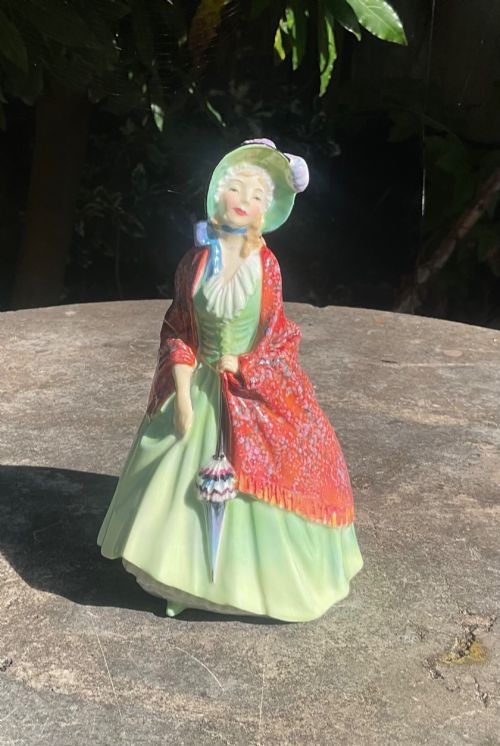
These edwardian porcelain ornament pieces bring figurative charm and delicate painted detail to a room, offering collectors delightful figural groups and decorative vases.
Edwardian Porcelain Ornament
When searching for an edwardian porcelain ornament, buyers encounter an array of figures, posy holders, and centrepieces dating primarily from the early twentieth century. These objects include figurines of people and animals, decorative ewers, and spill vases produced by European and British potteries.
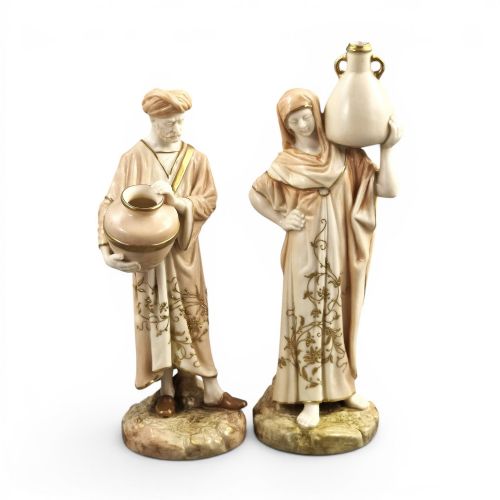
The pieces on offer span Edwardian traditional designs alongside stylistic touches from Art Nouveau, Rococo Revival, and Art Deco periods. Figurative groups depicting human figures with animals or water carriers dominate the selection alongside utilitarian vases and centrepieces.
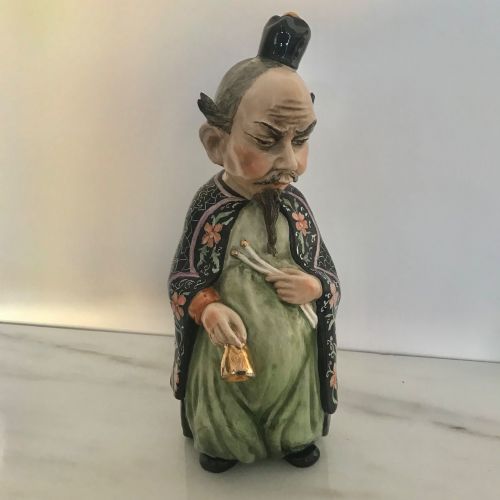
Origins range from English factories like Royal Worcester and Wedgwood to continental European works such as Royal Dux, Volkstedt, and Krister KPM Waldenburg. Chinese ceramic figurines also appear within the wider selection of porcelain and earthenware objects.
How They Were Made
Manufacturers utilised porcelain, bisque, and earthenware bodies shaped into complex figurative groups and vessels. These ceramic forms received hand-applied enamel decoration, often enriched with gilt or gold leaf highlights over a smooth glaze.
Certain factories employed specialised artists to paint naturalistic scenes, such as cattle on ewers and spill vases, before a final high-temperature kiln firing set the colours and glaze.
Fishermen, puppy sellers, and children pushing wheelbarrows populate these domestic porcelain scenes from the early twentieth century.
What Varies in Quality
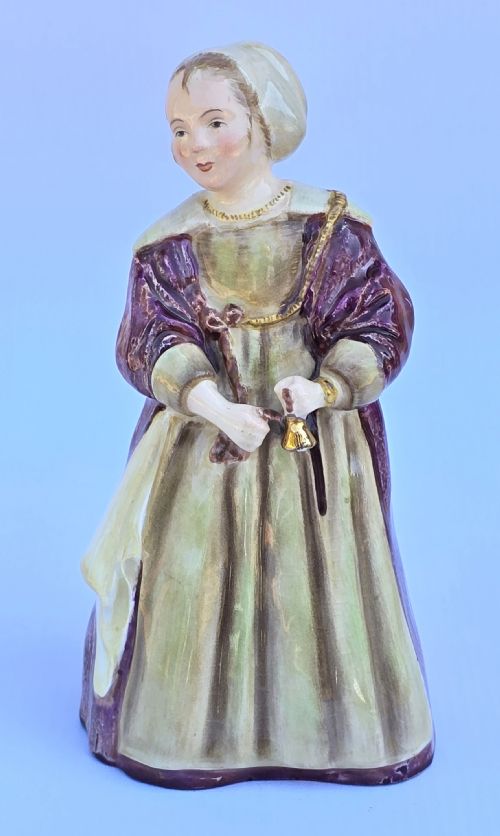
The refinement of the modelling and the precision of the hand-painted enamel work separate standard items from superior productions. Subtle facial expressions, delicate hand placement, and intricate details on garments demonstrate the skill of the original modeller.
The application of gilding and the preservation of the delicate glaze without excessive wear determine the visual impact of each piece. Well-preserved painted surfaces and crisp moulding retain their original decorative character.
Royal Dux·Royal Worcester·James Hadley·Royal Doulton·Volkstedt·Krister KPM Waldenburg
The Edwardian Porcelain Ornament Glossary
- Bisque
- Unglazed porcelain fired once to produce a matte, porous surface with a texture similar to marble. This finish highlights the fine details of human and animal figures.
- Ewer
- A large pitcher or jug with a wide spout and handled body, often produced purely for display alongside matching spill vases or centrepieces.
- Posy Holder
- A small ceramic vessel designed to display short-stemmed flowers or posies, frequently incorporated into figural compositions of children or animals.
- Spill Vases
- Tall, narrow containers originally used to hold wooden spills for lighting fires and candles, decorated here with cattle scenes or floral motifs.
Edwardian Porcelain Ornament: Frequently Asked Questions
How do I clean my porcelain ornament?
Dust the glazed or bisque surface gently with a soft, dry brush to prevent accumulation. Avoid submerging painted or gilt items in water to protect the enamel decoration.
For stubborn marks, use a slightly damp cloth with mild soap, testing a small hidden area first. Dry the piece thoroughly with a lint-free cloth immediately afterwards.
Where were these pieces manufactured?
Production centres span British factories in England alongside continental European workshops in Germany and Bohemia. Specific pieces also originate from Chinese kilns.
Each region brought distinct traditions in modelling and enamel painting to their ornamental wares, creating variety across the selection.
What is the difference between bisque and porcelain?
Porcelain receives a glassy glaze fired at high temperatures to create a smooth, shiny finish. Bisque remains unglazed, offering a matte, porous texture.
Both materials were utilised for figurative ornaments, though bisque provides a softer appearance favoured for human and animal groups.
Can these items hold water?
Vessels such as ewers and spill vases were originally created to hold water or flowers. However, older ceramic bodies can develop microscopic fissures over time.
It is safer to use a small hidden glass insert inside antique vases if you wish to display fresh flowers without risking moisture damage.