

Edwardian Platinum Dress Ring
An edwardian platinum dress ring brings together crisp precious metal and old cut stones from the early twentieth century.
Edwardian Platinum Dress Ring
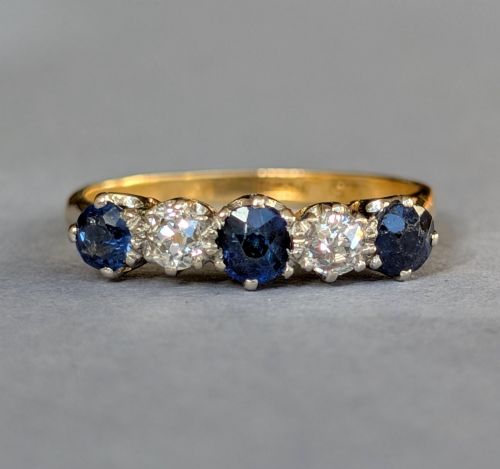
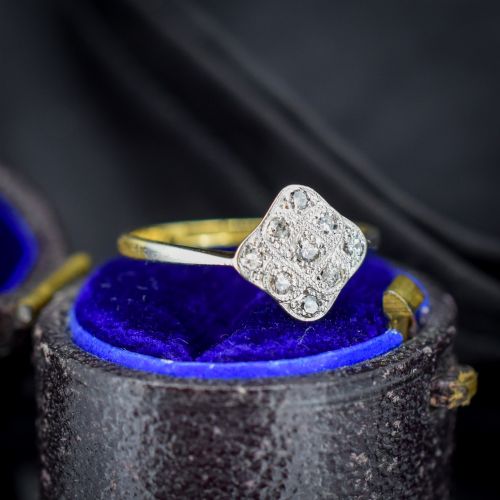
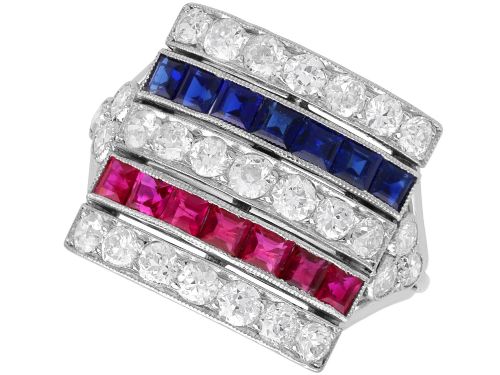
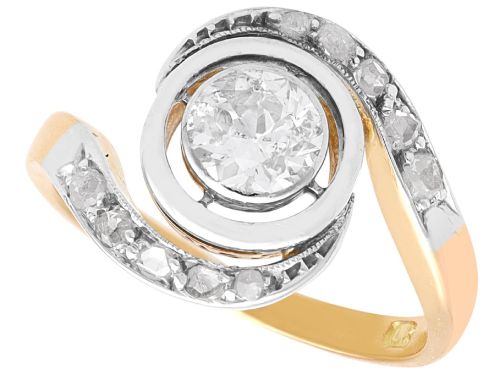
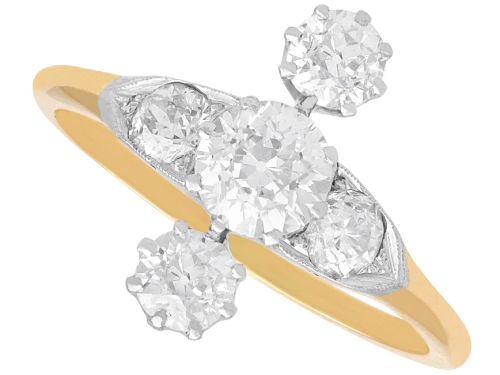
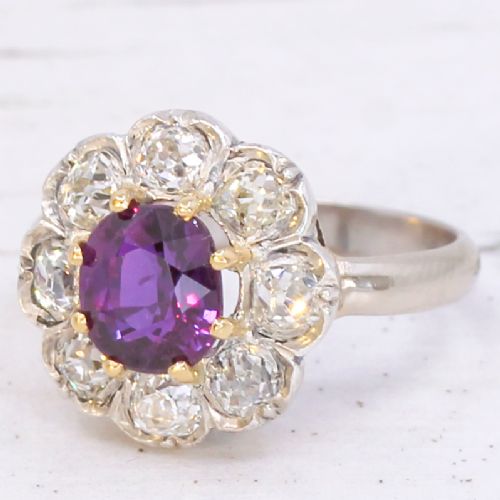
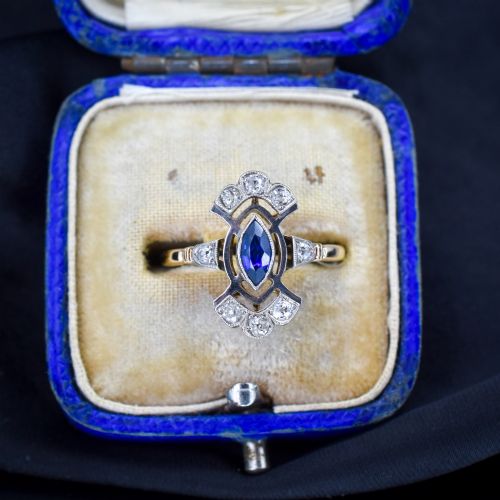
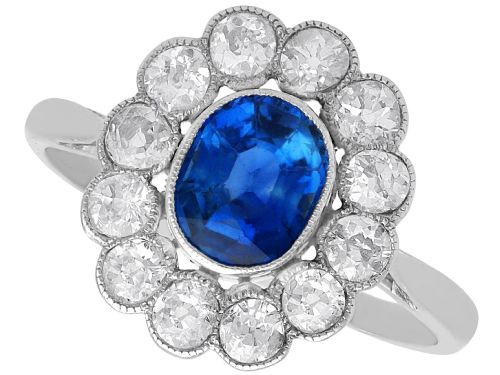
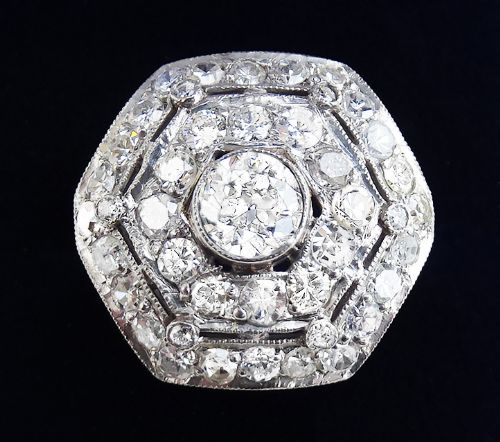
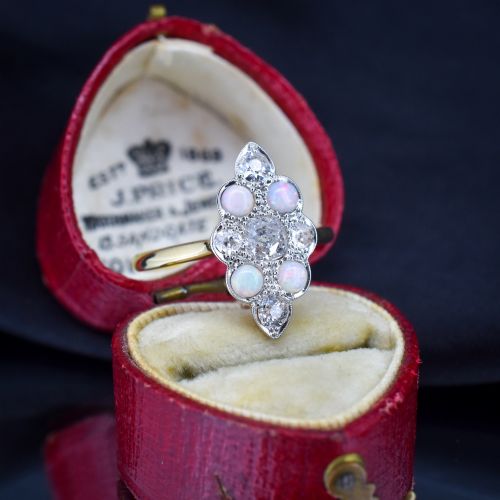
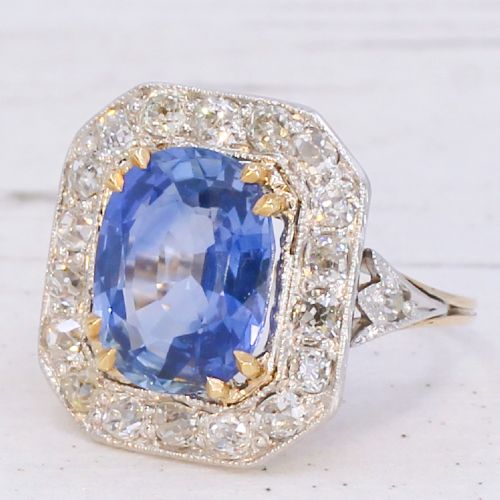
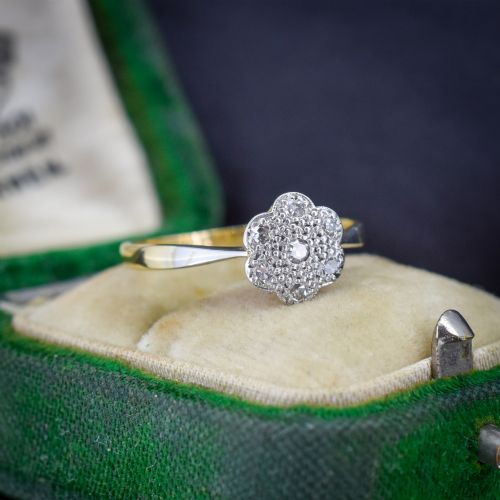
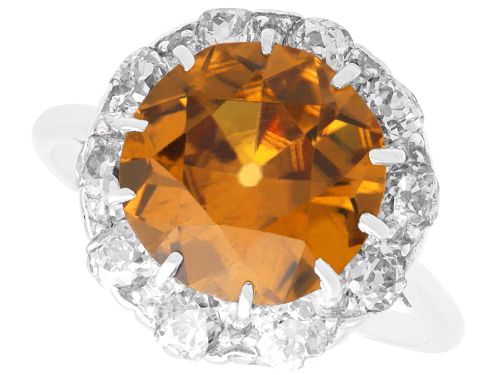
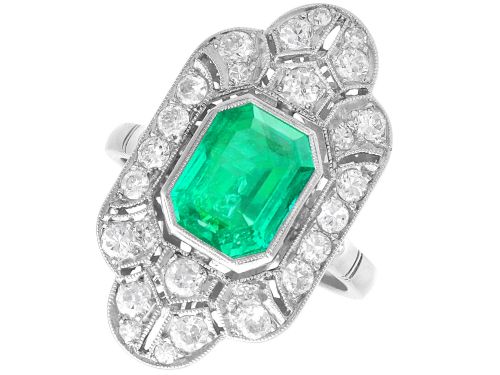
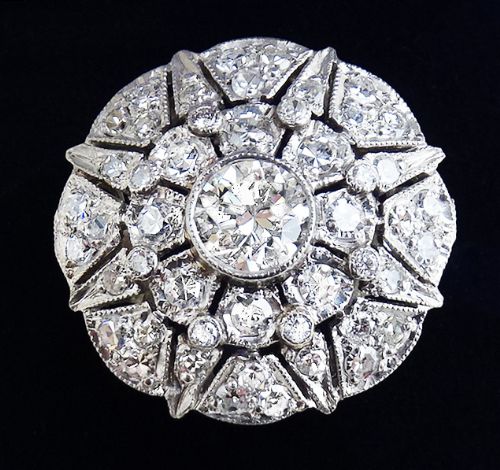
An edwardian platinum dress ring typically appears in cluster, daisy, navette, or trilogy configurations set with diamonds alongside sapphires, rubies, or emeralds. The metal work often pairs platinum with eighteen carat yellow gold or white gold depending on the workshop and period.
Most examples date from the Edwardian era and the subsequent Art Deco period, spanning the early decades of the twentieth century. These rings serve primarily as decorative hand ornaments rather than traditional engagement bands.
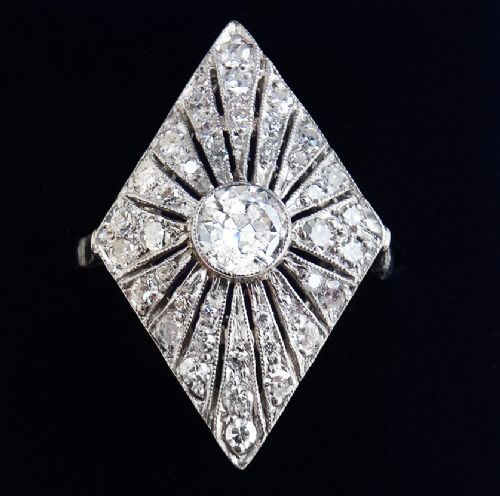
Navette shapes stretch along the finger in pointed oval panels, while cluster and daisy designs group smaller stones tightly around a central gem. The selection reflects the transition from late Victorian styling into geometric modernist aesthetics.
Materials and Construction
Makers utilised durable platinum to build delicate claw settings and pierced galleries that securely held small diamonds without heavy metal borders. This dense white metal allowed jewellers to achieve fine millgrain edges and intricate openwork previously impractical in softer gold alone.
Stones such as old cut diamonds, sapphires, and rubies were hand set into eighteen carat yellow or white gold shanks combined with platinum tops. Natural pearls and coloured gemstones frequently completed the central motifs of these jewelled face designs.
Edwardian Platinum Dress Ring Retail Price Guide 2026
Typical asking prices for edwardian platinum dress ring among the pieces listed under this phrase on Sellingantiques today, from the lower quarter to the upper quarter. They describe what is for sale here now, not the wider market.
Current listings feature sapphire, ruby, diamond, and pearl materials across Edwardian and Art Deco styles.
Evaluating Quality
The standard of an edwardian platinum dress ring rests on the crispness of its metal piercing, the symmetry of its stone arrangement, and the condition of the original hand cut gems. Superior pieces exhibit precise millegrain work along platinum edges with minimal wear to the underlying structure.
The presence of untreated coloured gemstones or certified natural pearls elevates the standing of a piece compared to standard commercial stock. Balance in the proportions of the cluster or navette face distinguishes finer workshop production from simpler output.
The Edwardian Platinum Dress Ring Glossary
- Navette
- A boat shaped ring design that tapers to points at either end of the finger. This elongated form often incorporates intricate millegrain detailing.
- Millegrain
- A decorative technique involving tiny raised metal beads along the edges of a setting. It softens the transition between metal and stone.
- Old Cut
- A diamond faceting style predating modern round brilliants, featuring higher crowns and smaller tables. These stones display distinctive broad flash patterns under candlelight.
- Trilogy
- A ring featuring three principal stones symbolising past, present, and future. They frequently combine diamonds in graduating sizes.
- Toi Et Moi
- A French term meaning you and me, describing a ring with two main opposing stones. These twinned designs represent intertwined lives.
Edwardian Platinum Dress Ring: Frequently Asked Questions
How do I care for my ring?
Clean these delicate pieces gently using warm soapy water and a soft brush, avoiding harsh chemical ultrasonic cleaners that might dislodge natural pearls or fragile gems.
Store them separately in a fabric lined box to prevent platinum and gold shanks from scratching against harder jewellery items.
Can these rings be resized?
Most rings can be adjusted by a skilled jeweller who understands antique metalwork, though intricate gallery piercing or continuous shoulder stones can complicate the process.
Consult a specialist to ensure any resizing preserves the structural integrity of the platinum top and gold shank.
How do I distinguish Edwardian from Art Deco?
Edwardian pieces generally lean towards flowing garlands, soft floral clusters, and lacy platinum wirework set against yellow gold backs. Art Deco designs shift towards rigid symmetry, geometric navette panels, and stark white metal surfaces.
Both styles frequently overlap in the timeline, as workshop practices evolved gradually across the decades.
Were these worn daily?
These decorative pieces functioned primarily as fashionable dress accessories for evening wear and social calls rather than heavy everyday utility items.
Modern wearers should similarly treat them with care, removing them during manual labour or heavy physical tasks to protect the antique settings.