


Edwardian Period Sofa
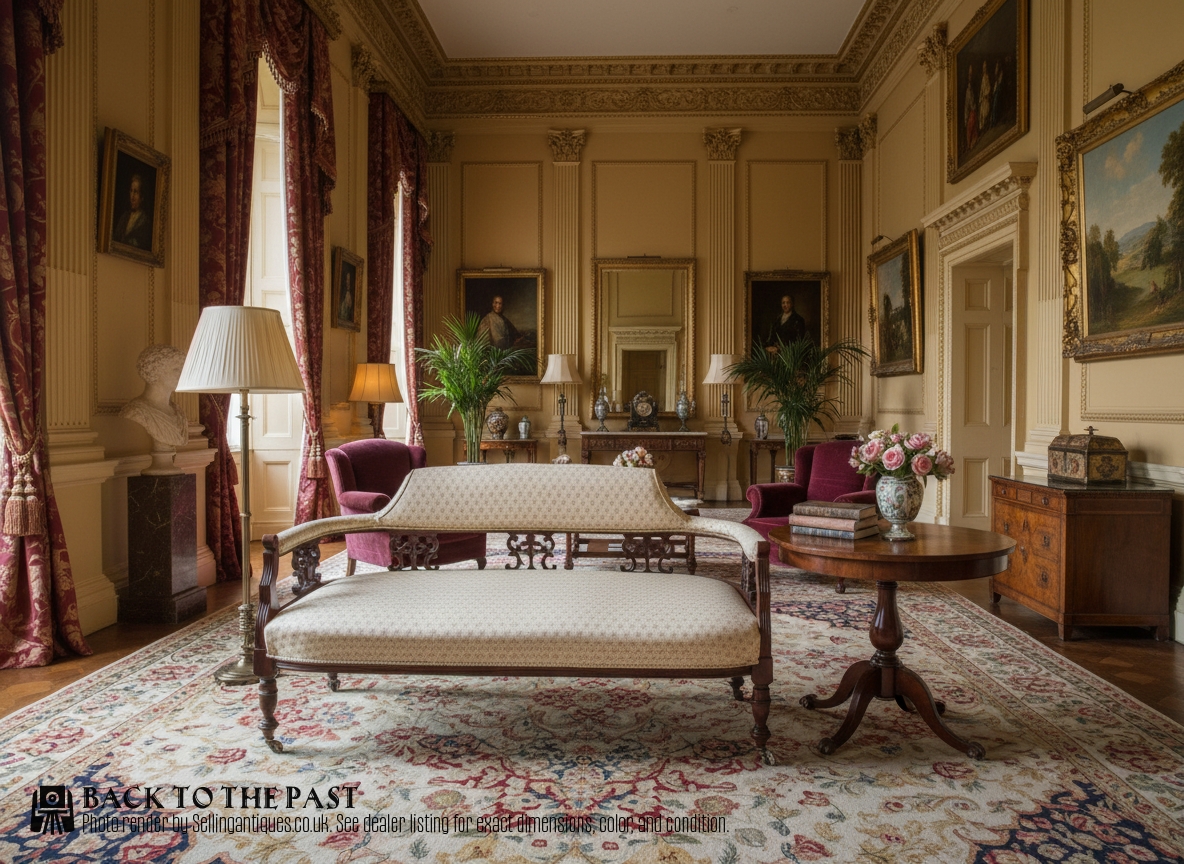
An edwardian period sofa brings upright elegance to a drawing room, combining deep comfort with slender proportions and refined woodwork.
Edwardian Period Sofa
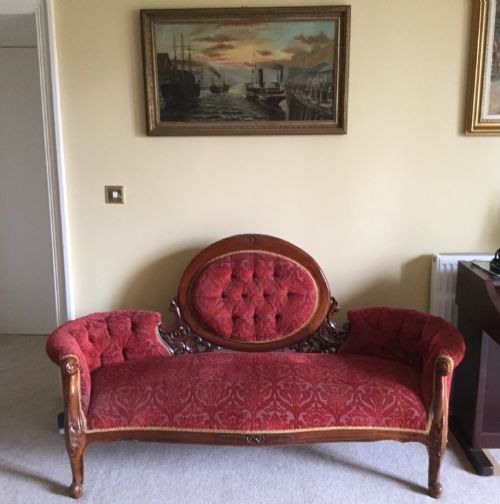
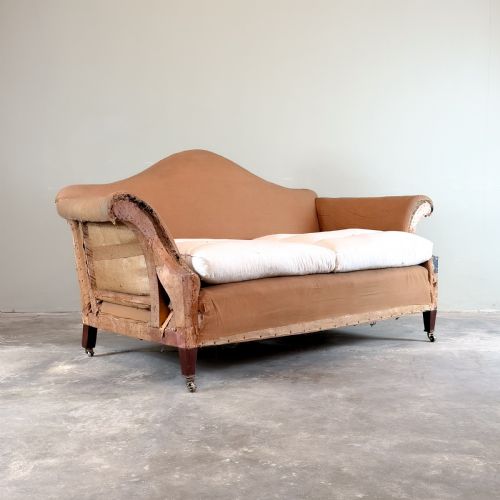
The edwardian period sofa covers a range of upholstered seating built around the turn of the twentieth century, alongside earlier survivals and revival pieces. Buyers searching for an edwardian period sofa will encounter distinct forms like the camel back, the double-ended sofa, and the Knole settee.
Makers of the era often looked backward for inspiration, producing pieces in Queen Anne style alongside lighter variations of earlier nineteenth century designs. These settees and salon suites served formal entertaining spaces where comfortable seating was paired with graceful frames.
Surviving examples display a mix of original upholstery styles and later revivals using rich textiles like brocade and damask. The proportion remains lighter than heavy Victorian seating, suiting modern interiors that require a touch of historic character.
Materials and Construction
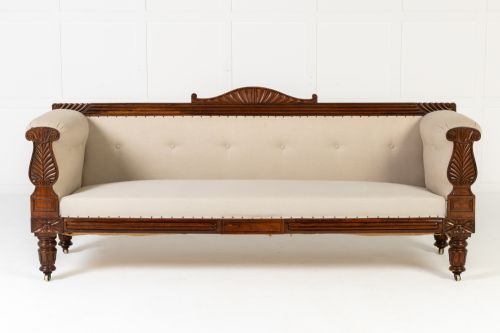
Frames rely on sturdy timbers such as mahogany and rosewood, often enhanced with marquetry inlay or carved walnut details. Secondary structural support utilised jute webbing to hold the heavy sprung settee bases.
Upholstery depended on layered fillings covered in durable textiles including cotton, damask, and deep pile brocade. Some pieces favoured leather for a harder-wearing finish, while brass castors and inlay provided decorative accents.
Listings feature pieces spanning the Regency, Victorian, and Edwardian periods, constructed in mahogany, rosewood, walnut, and brass.
Factors That Determine Quality
Quality rests upon the crispness of the timber carving and the precision of any marquetry inlay embedded in the show wood. Frames constructed from dense hardwoods like rosewood or figured mahogany generally indicate a higher grade of manufacture.
The integrity of the internal springing and the quality of the textile covering, whether historic brocade or supplementary leather, dictate the overall standard of the piece. Well-balanced proportions and firm, supportive internal webbing separate standard production from finer cabinet work.
Gillows
The Edwardian Period Sofa Glossary
- Camel back sofa
- A traditional upholstered form featuring an undulating top rail that curves upward in the centre like a camel's hump. This design originates in earlier centuries but remained popular during the Edwardian era.
- Knole sofa
- A historic seating form distinguished by adjustable hinged arms that can be lowered or left upright. Edwardian makers revived this classic seventeenth-century shape using contemporary upholstery textiles.
- Brocade
- A rich shuttle-woven fabric featuring raised decorative patterns often utilised for formal upholstery. It adds texture and visual depth to period seating.
- Damask
- A reversible figured fabric traditionally woven on a Jacquard loom with a flat pattern. It provides a subtle sheen suited to nineteenth-century and Edwardian salon suites.
- Marquetry
- The art of applying thin veneers of various woods to create pictorial or geometric decorative patterns on furniture surfaces. It appears on the frames of finer Edwardian sofas and tables.
Edwardian Period Sofa: Frequently Asked Questions
What is an edwardian period sofa?
An edwardian period sofa is a piece of upholstered seating made in the early twentieth century, known for lighter proportions and refined woodwork compared to heavy Victorian styles.
These pieces range from formal camel back settees to double-ended upholstered frames built for comfortable drawing-room use.
How do I identify an edwardian period sofa?
Look for slender mahogany or walnut frames, often featuring subtle carving, inlay, or revival details influenced by earlier centuries.
The upholstery frequently includes deep pile brocade, damask, or leather fitted over traditional sprung bases.
Are edwardian sofas comfortable for daily use?
Many edwardian period sofas were designed with sprung seats and padded backs that offer substantial support for modern living.
Their comfort depends largely on the condition of the internal webbing and the quality of the upholstery materials used during restoration.
What woods were used in edwardian seating?
Cabinet makers of the period primarily utilised mahogany and walnut for visible frame elements, sometimes incorporating rosewood veneers.
Inlay work and brass details were frequently added to enhance the decorative appeal of the woodwork.