






Edwardian Period Desk
An edwardian period desk brings functional elegance to a room, offering compact writing surfaces framed in polished mahogany and satinwood.
Edwardian Period Desk
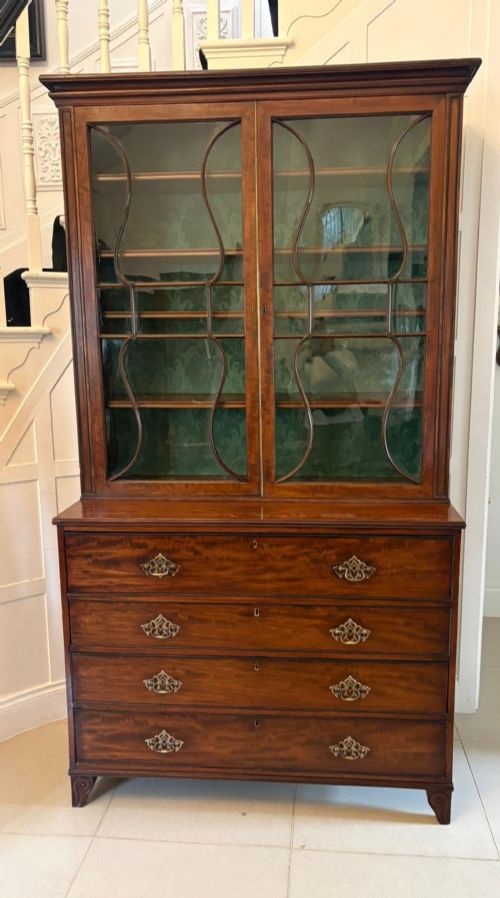
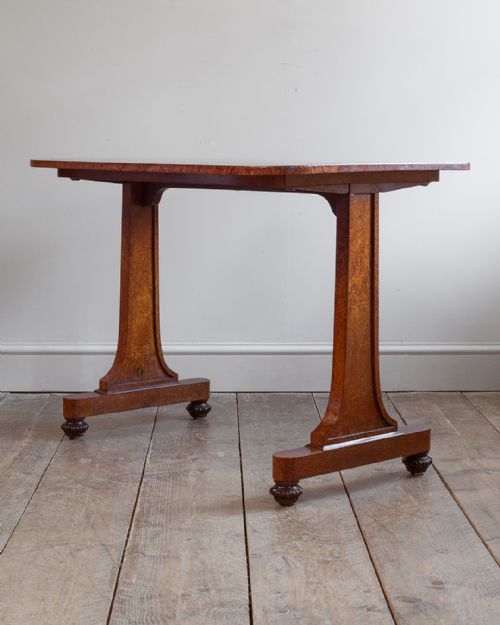
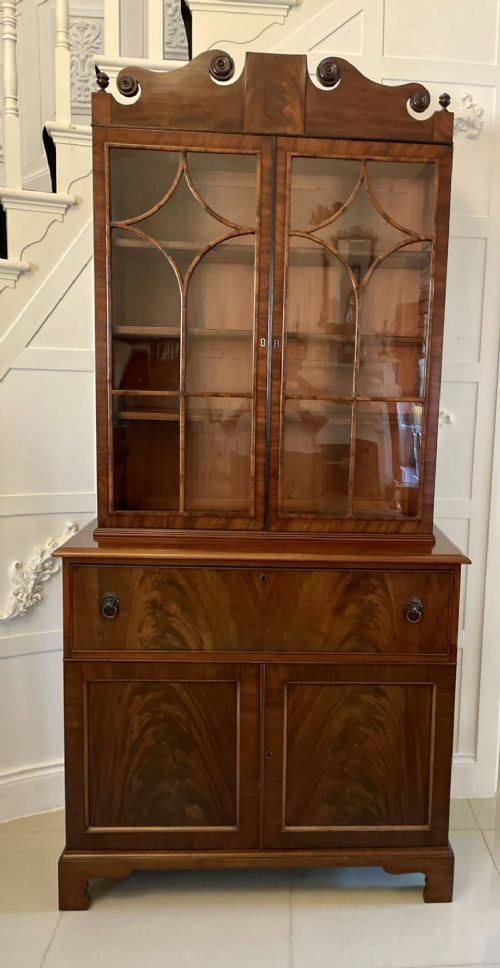
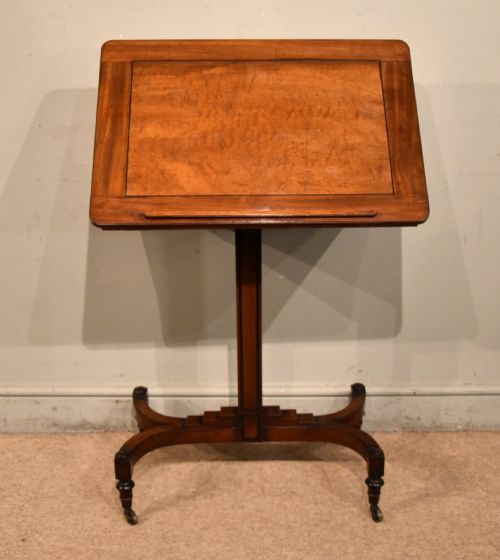
An edwardian period desk encompasses writing tables, ladies writing desks, and small side tables produced during the early twentieth century. Buyers seeking this phrase encounter pieces shaped by Edwardian tastes alongside earlier stylistic revivals executed in mahogany, satinwood, and oak.
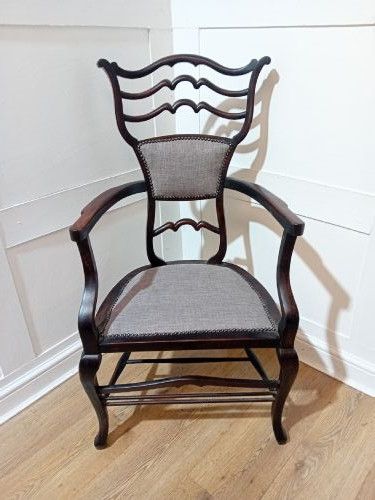
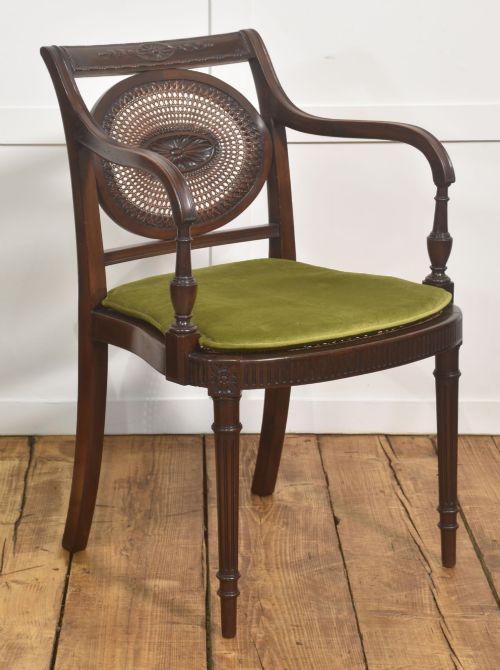
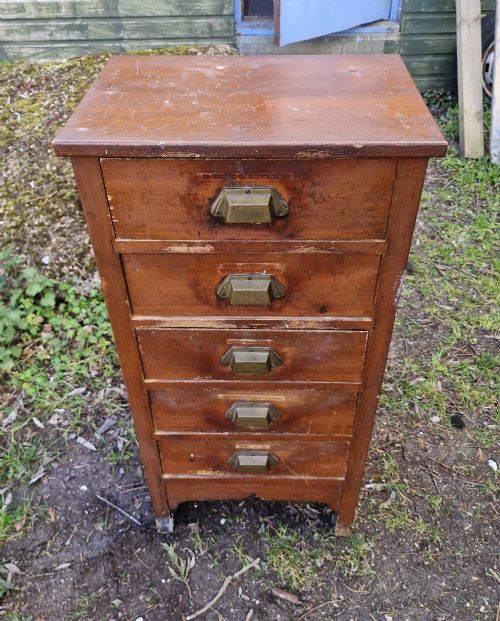
The selection ranges from inlaid mahogany writing chairs to compact ladies desks featuring drawers and fitted interiors. These items reflect the domestic workspaces of their era, balancing utility with refined decorative details.
While the phrase directs attention to Edwardian examples, listings also incorporate related forms from the Regency and Georgian periods. This mix provides varied interpretations of the writing desk across multiple historic decades.
Materials and Construction
Cabinetmakers utilised solid and veneered mahogany as the primary timber, frequently complemented by contrasting satinwood inlay and brass hardware. Leather inserts often provide writing surfaces on these tables and desks.
Structural integrity relies on traditional joinery methods combined with turned or tapered supports. Surface finishes highlight the natural grain of the wood through polishing rather than heavy pigmentation.
Edwardian Period Desk Retail Price Guide 2026
Typical asking prices for edwardian period desk among the pieces listed under this phrase on Sellingantiques today, from the lower quarter to the upper quarter. They describe what is for sale here now, not the wider market.
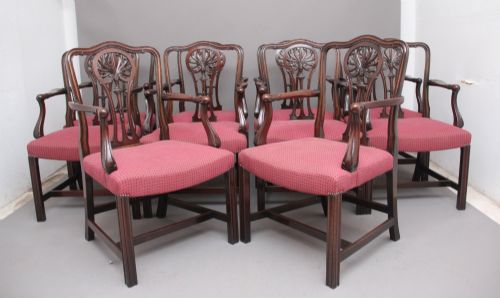
Several chairs arrive ready for correspondence, having been recently reupholstered in fresh coastal stripe fabric.
Assessing Craftsmanship
Quality rests in the precision of the cabinetwork, from tightly fitted drawer joints to the crispness of inlaid stringing and banding. Superior examples display carefully selected wood veneers with balanced grain patterns across the writing surface.
The integration of original brass handles, functioning locks, and supportive structural frames distinguishes finer pieces. Subtle carving and proportional harmony elevate standard utility items into accomplished works of furniture.
Charles Tozer·Alfred Allen
The Edwardian Period Desk Glossary
- Satinwood
- A pale, lustrous timber native to the tropics, utilised for contrasting veneers and decorative banding on fine furniture. It creates a bright, golden accent against darker woods.
- Secretaire
- A desk or cabinet featuring a pull-down writing flap that conceals small drawers and pigeonholes. This form conceals paperwork while maintaining a streamlined exterior.
- Inlay
- A decorative technique where contrasting materials are inserted into recessed cavities on a wood surface. This method creates geometric patterns or floral motifs.
- Tambour
- A sliding door constructed from narrow vertical strips of wood glued to a canvas backing. It permits access to enclosed compartments within compact desk designs.
- Bowfronted
- A convex curved cabinet front that swells outward in the centre. This profile softens the rectangular geometry of a desk.
Edwardian Period Desk: Frequently Asked Questions
What defines an Edwardian desk?
An Edwardian desk is a piece of furniture produced in the early twentieth century, typically characterised by lighter proportions and mahogany or satinwood construction.
These desks often incorporate delicate inlay work and compact dimensions suited for domestic writing tasks.
How do I identify period brass handles?
Period brass handles show casting marks and patination consistent with age rather than uniform modern manufacturing. They are secured with appropriate fasteners matching the construction date of the desk.
Original hardware aligns with the wear patterns of the surrounding timber.
Where were these desks used?
These pieces served in private residences, morning rooms, and home studies for correspondence and household administration. Their modest scale allowed placement in bedrooms and smaller reception spaces.
They functioned as personal writing stations rather than corporate office furniture.
How should I care for satinwood veneer?
Satinwood veneer requires protection from direct sunlight and excessive humidity to prevent fading and lifting. Regular dusting with a soft cloth maintains the polished surface without abrasive cleaners.
Applying occasional wax preserves the natural lustre of the timber.