



Edwardian Pendant Earrings
Edwardian pendant earrings suspend gemstones and diamonds from delicate chains or mounts, offering the graceful movement that collectors prize.
Edwardian Pendant Earrings
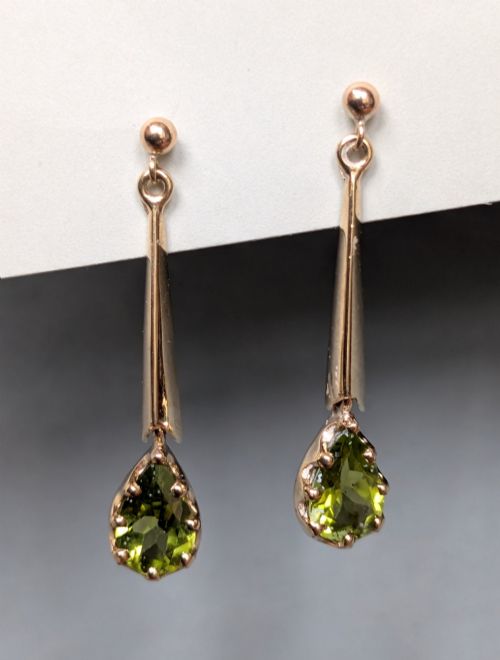
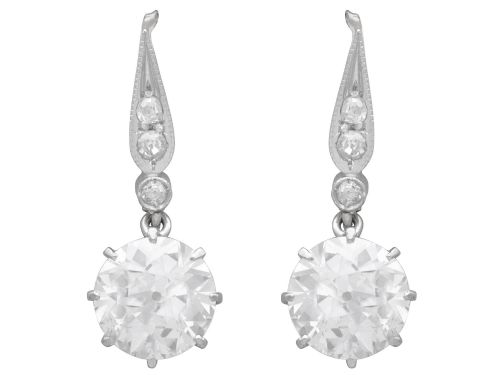
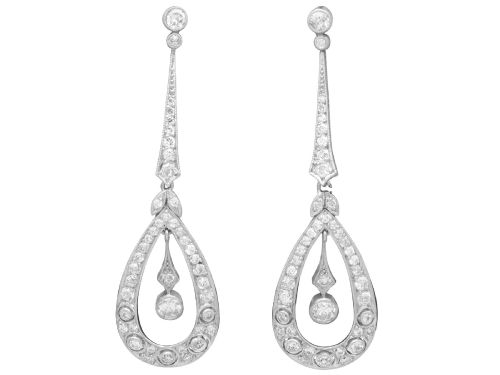
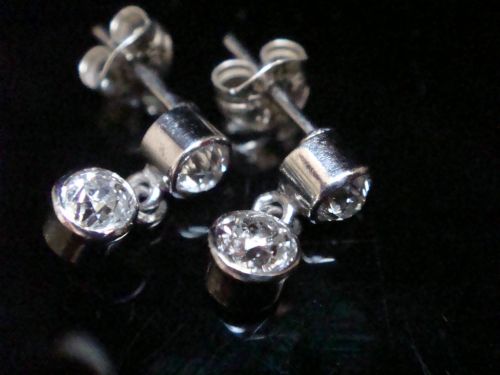
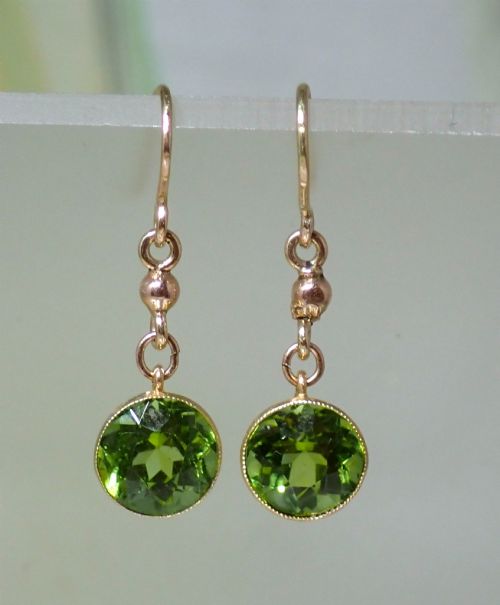
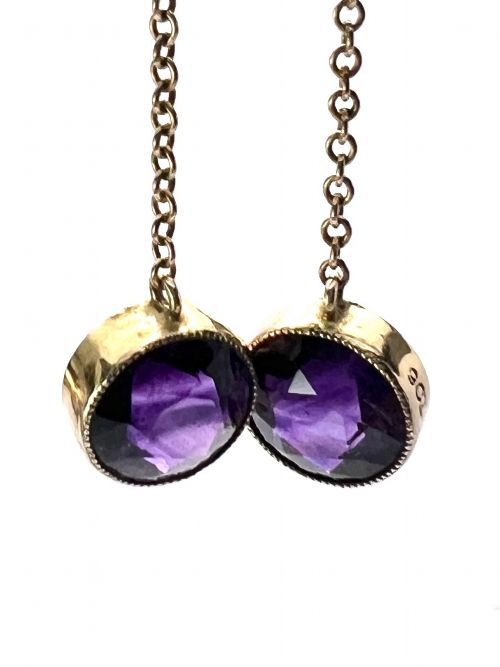
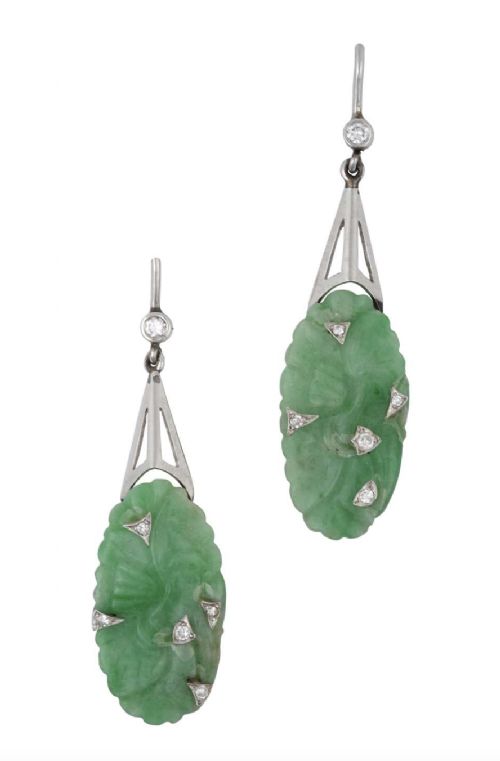
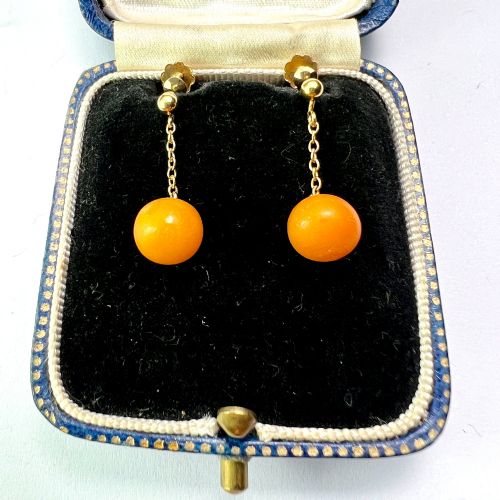
Edwardian pendant earrings combine graceful drop designs with the refined aesthetic of the early twentieth century, appearing frequently as chain drops or articulated assemblies. When searching for edwardian pendant earrings, buyers encounter delicate configurations that suspend stones like diamonds, pearls, aquamarines and peridots directly beneath the earlobe. These pieces range from simple gold wires holding single teardrop gems to complex platinum mountings set with brilliant old cut diamonds and intricate foliate motifs.
The selection on this page demonstrates the diversity of forms typical of the era, spanning simple drop earrings, longer chain arrangements and matching jewellery sets. While the core of the inventory belongs to the Edwardian period and the adjacent nineteen-hundreds, related pieces stretch from the late nineteenth century into the nineteen-twenties with Art Deco influences. Makers utilised both traditional yellow or rose gold and emerging white metals like platinum and white gold to frame the stones.
How they were made
Goldsmiths of this era employed a combination of yellow gold, rose gold, silver and newly available platinum to construct lightweight yet secure settings. Platinum was frequently fused over gold to provide a bright, durable surface for diamond set mounts without adding excessive weight to the ear. Silver mounts also appear, often paired with gold backs to hold stones safely while maintaining a bright white face.
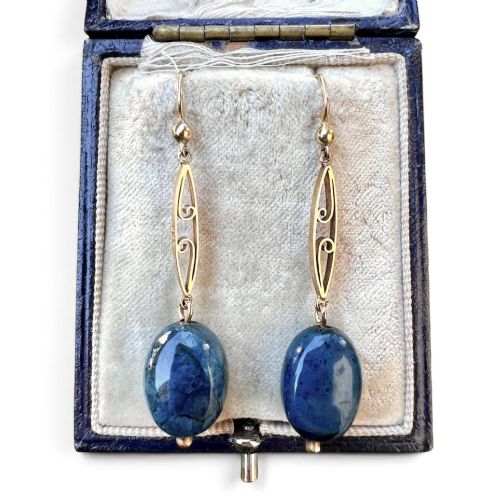
Stones were shaped primarily as old cut diamonds, rose cut diamonds, teardrop gems and polished cabochons of jadeite, turquoise, opal and amethyst. Chain drops utilised fine links to allow independent movement of the lower pendant section, while pierced ear fittings and screw backs secured the jewellery to the wearer.
Edwardian Pendant Earrings Retail Price Guide 2026
Typical asking prices for edwardian pendant earrings among the pieces listed under this phrase on Sellingantiques today, from the lower quarter to the upper quarter. They describe what is for sale here now, not the wider market.
Listings feature platinum, gold, silver, diamonds, pearls, jadeite and aquamarine across Edwardian, Victorian and Art Deco styles.
What varies in quality
The refinement of the metalwork largely separates standard production from exceptional examples, particularly in how finely pierced platinum or gold frames support the stones. Superior pairs exhibit meticulous handiwork in millegrain borders and delicate wirework that securely holds intricate gems without heavy or clumsy solder joints. The matching of natural stones, such as pearls, aquamarines or diamond clusters, also dictates the overall harmony of the design.
Originality of components, including the security of the original hooks, chains and screw fittings, influences the integrity of each pair. Pieces retaining their original configuration without later repairs or replacement stones command greater interest from collectors who value untouched period craftsmanship.
The Edwardian Pendant Earrings Glossary
- Old cut diamond
- A diamond cut popular before the modern brilliant cut, typically featuring a small table, high crown and open culet. These stones catch candlelight and low illumination with a soft, distinct charm.
- Millegrain
- A decorative technique involving a row of tiny raised metal beads along the edge of a setting. It provides a soft, textural border typical of fine Edwardian and Art Deco jewellery.
- Drop earring
- An earring style where the main decorative element hangs below the earlobe rather than sitting flush against it. They rely on posts, wires or chains for suspension.
- Parure
- A matching set of jewellery designed to be worn together, commonly including earrings, a necklace and a ring. Such sets feature uniform materials and stylistic motifs.
- Cabochon
- A gemstone shaped and polished with a smooth, rounded surface rather than faceted edges. This cut is frequently applied to opaque or translucent stones like opal, jadeite and turquoise.
Edwardian Pendant Earrings: Frequently Asked Questions
How do I care for antique earrings?
Store each pair separately in a lined box to prevent metal scratching and stone abrasion. Clean them gently with a soft brush and warm soapy water, avoiding harsh chemical dips that can damage pearls, opals or antique foil backs.
Inspect the security of the hooks and settings periodically, especially on delicate chain drops. Professional checks ensure that fragile mountings and older clasps remain secure during wear.
Were these designed for pierced ears?
Many surviving examples feature wire or post fittings intended for pierced lobes, reflecting the fashion of the period. Conversions and alternative screw back mechanisms also exist to accommodate different preferences.
Collectors should examine the specific listing details to confirm whether the current fittings are original to the piece or adapted at a later date.
What distinguishes Edwardian from Victorian styles?
Edwardian jewellery generally favours lighter, airier designs executed in platinum and white gold with diamonds and pearls. Victorian pieces often display heavier gold work, darker gemstones and more solid, volumetric forms.
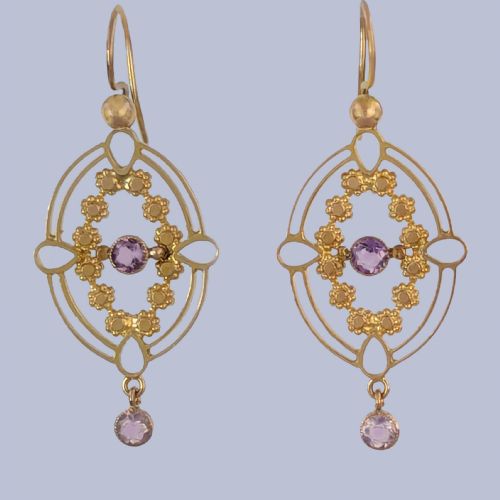
Overlap occurs during transition years, where darker stones like amethysts appear within lighter Edwardian openwork mounts.
Can I wear these every day?
While sturdier gold pairs tolerate regular wear, delicate platinum wirework and antique chain drops require mindful handling. Soft gems such as pearls, opal and turquoise demand extra care against knocks and cosmetics.
Reserving them for special occasions helps preserve the fragile linkages and original mountings for future generations.