

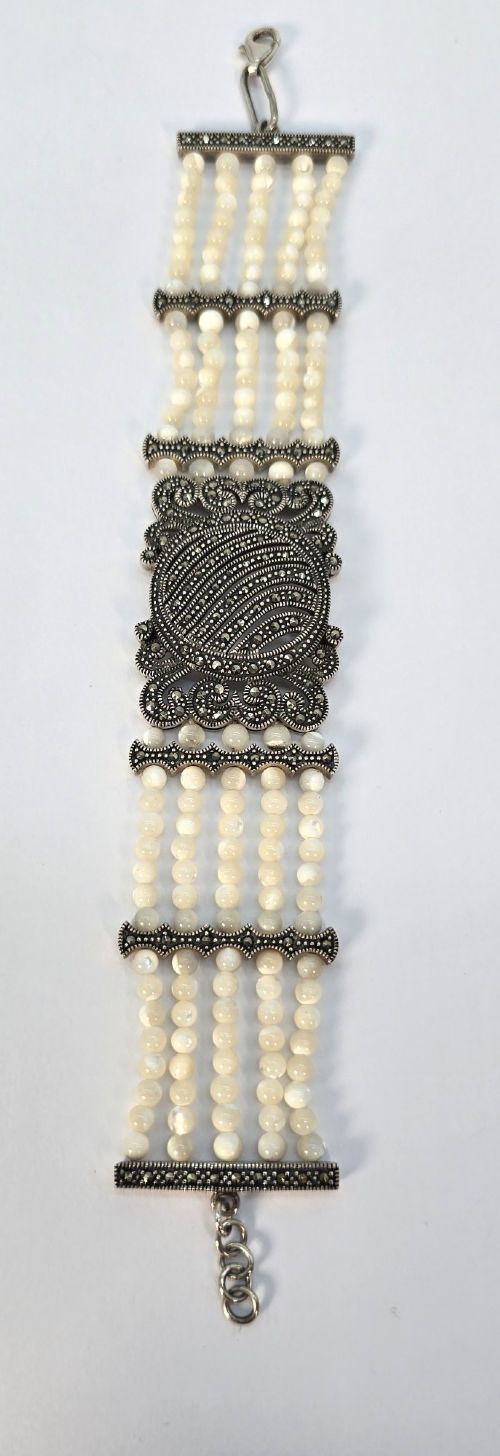


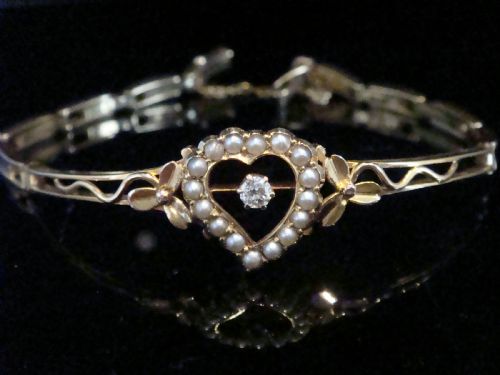


Edwardian Pearl Bracelet
An edwardian pearl bracelet brings delicate lustre and intricate metalwork together, capturing the refined romance of early twentieth-century design.
Edwardian Pearl Bracelet
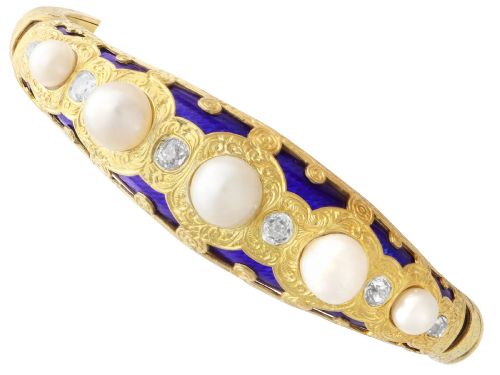
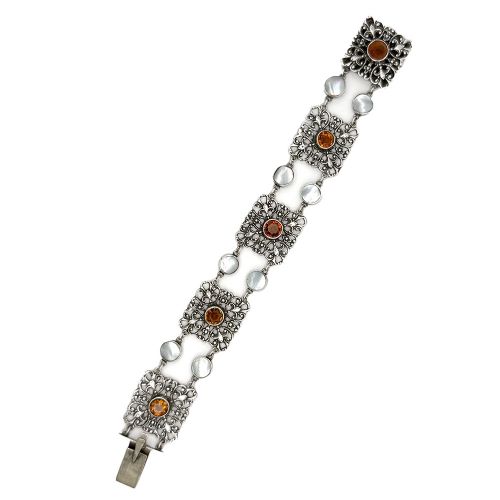
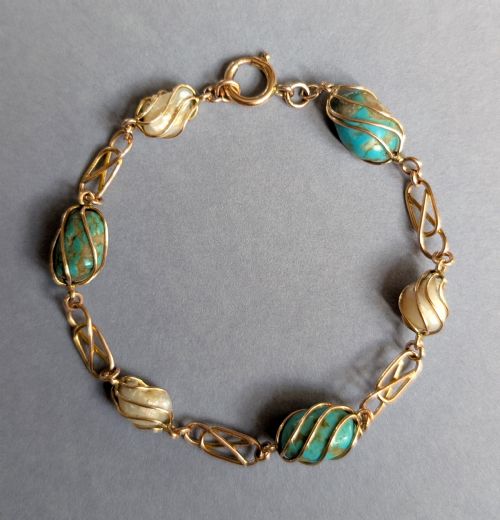
An edwardian pearl bracelet encompasses fine bangles, curb links and heart padlock clasps originating from the Edwardian period and adjacent Victorian eras. These delicate ornaments frequently combine seed pearls with coloured gemstones such as turquoise, amethyst and peridot set in yellow or rose gold.
Buyers will encounter rigid hinged bangles alongside flexible chain bracelets and intricate line settings incorporating platinum and diamonds. The selection ranges from light daily wear pieces to substantial gem-set jewellery sets.
How they were made
Goldsmiths utilised 9ct and 15ct gold alongside emerging platinum settings to house pearls, diamonds and coloured stones. Seed pearls were meticulously drilled and threaded or pinned onto delicate metal frameworks.
Techniques combined traditional casting and hand engraving with early platinum fabrication, allowing for secure claw and bezel settings that held fragile pearls and gemstones firmly in place.
Edwardian Pearl Bracelet Retail Price Guide 2026
Typical asking prices for edwardian pearl bracelet among the pieces listed under this phrase on Sellingantiques today, from the lower quarter to the upper quarter. They describe what is for sale here now, not the wider market.
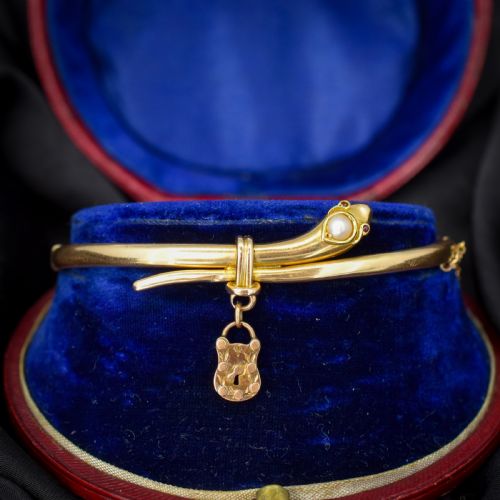
Snake serpent bangles wind gracefully around the wrist, holding pearls in their coiled jaws with undeniable Victorian charm.
What varies in quality
Quality rests upon the uniformity and lustre of the pearls, alongside the precision of the gold or platinum metalwork. Pieces featuring natural saltwater pearls or substantial diamond accents demonstrate superior craftsmanship.
The integration of secure clasps, such as heart padlocks with clear hallmarks, and the harmonious arrangement of secondary stones like turquoise and amethyst distinguish finer examples from standard production.
The Edwardian Pearl Bracelet Glossary
- Seed pearl
- A very small, naturally formed or cultured pearl used in clusters or delicate floral motifs. These tiny gems provide a subtle, shimmering texture across Edwardian jewellery.
- Heart padlock
- A heart-shaped clasp commonly attached to curb link bracelets as a functional centrepiece. They often bear Birmingham or London hallmarks from the early twentieth century.
- Bangle
- A rigid circular bracelet that slips over the hand or opens on a hinged pin. Edwardian versions frequently showcase turquoise and seed pearls across the top arch.
- Belle Epoque
- A period of optimistic design spanning the late nineteenth century and the Edwardian era. Jewellery from this time relies on light platinum work and flowing diamond patterns.
- Curb link
- A type of chain formed by interlocking, slightly flattened links that lie flat against the wrist. This sturdy structure often supports heavier gem-set padlocks.
Edwardian Pearl Bracelet: Frequently Asked Questions
How do I care for my bracelet?
Pearls are organic gems that require gentle handling, avoiding harsh chemicals, perfumes and ultrasonic cleaners.
Store your piece flat in a soft-lined box to protect the delicate seed pearls and metal settings from scratching.
Are these pieces hallmarked?
Many items feature British hallmarks indicating the gold purity, assay office and year of manufacture. Stints of 9ct and 15ct gold are common on pieces originating from Birmingham and London.
Some delicate or foreign imports may carry partial stamps or rely on metal testing to confirm their composition.
Can I wear my bracelet daily?
While sturdy link chains and gold bangles suit regular wear, seed pearls demand care due to their delicate nature.
Removing the jewellery during physical tasks preserves the fine pearl settings and prevents undue strain on the clasps.
How are periods identified?
Stylistic cues such as platinum lace work, delicate millegrain edges and heart padlock clasps point directly to the Edwardian and late Victorian eras. Hallmarks and accompanying gemstones like peridot, amethyst and turquoise further narrow down the date of creation.
Maker marks and specific chain formations help specialists distinguish between turn-of-the-century and later 1920s iterations.