



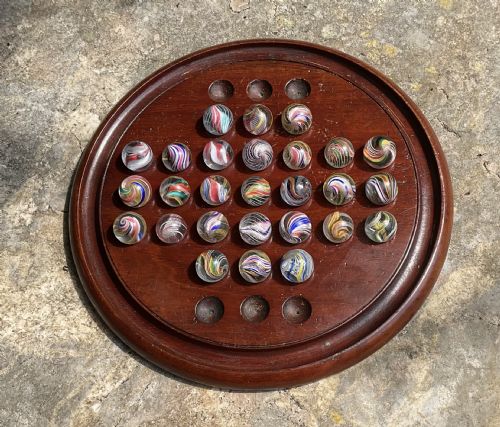

Edwardian Parlour Game
These edwardian parlour game items are tactile relics of domestic pastimes, offering a tangible link to home entertainment from the early twentieth century.
Edwardian Parlour Game
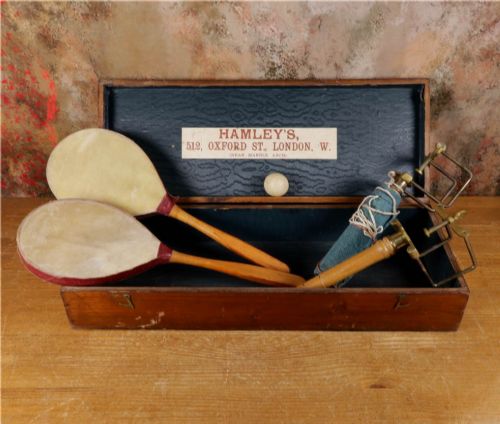
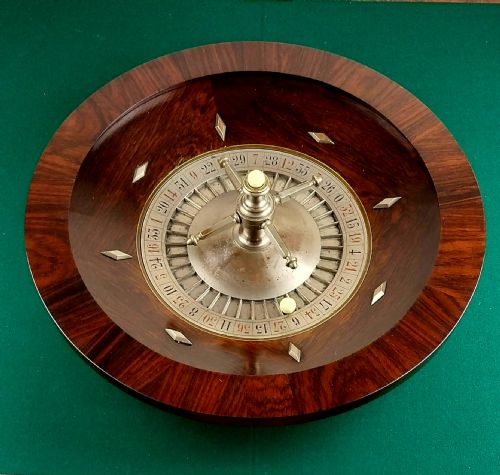
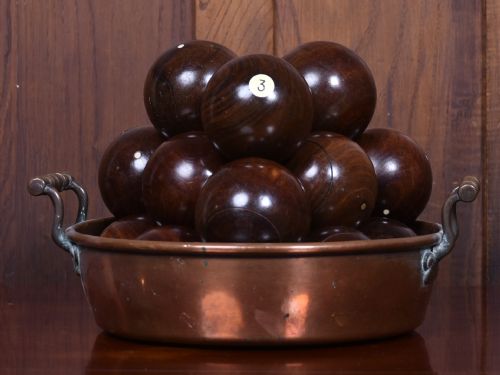
An edwardian parlour game encompasses the diverse equipment and portable pastimes used for domestic entertainment during the early twentieth century and the preceding Victorian era. Collectors encounter a rich variety of pursuits, ranging from boxed table tennis sets and carpet bowls to weighted Staunton chess sets and mahogany bagatelle tables.
The objects span multiple decades of manufacture, capturing both late Victorian traditions and the distinct shift towards more active table sports around nineteen hundred. Surviving examples frequently retain their original boxes, components, and institutional branding.
Wooden gaming boards, turned chess pieces, and boxed sets dominate the selection, reflecting the centrality of parlour entertainment in historic households. Each piece serves as both a functional survivor of past leisure and a decorative antique.
Materials and construction
Makers utilised dense timbers such as mahogany, rosewood, pine, laburnum, and ebony to construct durable boards, boxes, and gaming equipment. These natural woods were frequently polished, turned, or joined to withstand regular domestic use.
Delicate details relied on secondary materials including brass hardware, vellum, cotton, and bone. Dice, markers, and game components were often painstakingly carved or cast to ensure precision during play.
Recorded periods span the nineteenth century, Victorian era, Edwardian period, and the early years up to nineteen ten.
Judging quality in gaming antiques
Quality depends heavily on the completeness of the set and the survival of original packaging, instructions, and component pieces. Sets retaining their branded boxes by known makers command greater interest than assembled or incomplete groupings.
Material selection and fine craftsmanship dictate the upper tier of these objects. Finely turned wooden pieces, substantial mahogany tables, and robust brass fittings demonstrate superior manufacturing standards compared to simpler utilitarian alternatives.
Jaques & Hamleys Gossima·F.H.Ayres Ltd., London·British Chess Company
The Edwardian Parlour Game Glossary
- Staunton chess set
- A standardised style of chess pieces featuring heavily weighted bases and distinct, recognizable shapes that became the tournament standard.
- Bagatelle
- A cue sport played on a specialised board with holes and pins, akin to modern pinball.
- Carpet bowls
- A indoor variant of lawn bowls played on carpets or rugs using biased wooden or laburnum balls.
- Vellum
- A fine parchment made from calfskin, frequently used for the playing surfaces or covers of antique boxed games.
Edwardian Parlour Game: Frequently Asked Questions
What is an edwardian parlour game?
An edwardian parlour game is a physical pastime or board game designed for indoor domestic amusement during the early twentieth century.
These items range from competitive table tennis sets and chess boards to tactile skill games played within the home.
How were these games stored?
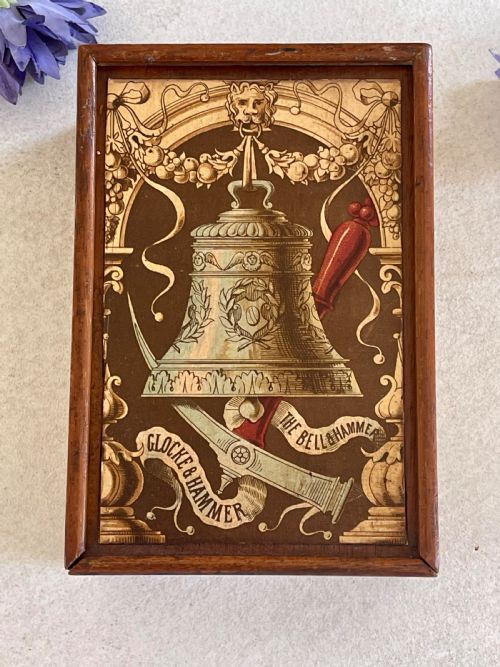
Many games were housed in purpose-built wooden boxes featuring sliding lids, dovetailed joints, or branded paper labels.
Original packaging often included instructions and fitted compartments to keep delicate wooden or bone components secure.
Are these games still playable?
Most surviving sets remain fully functional, though collectors often treat older wooden and glass components with care.
Using them requires gentle handling to preserve fragile paper labels, aged cotton, and nineteenth-century varnishes.
How do I identify the period?
Dating relies on material choices, maker marks, typography on instructions, and stylistic shifts between Victorian and Edwardian design.
Catalogues and manufacturer stamps help narrow down the exact decade of production.