





Edwardian Parlor Furniture
Edwardian parlor furniture brings together polished mahogany, satinwood, and delicate inlay to create the formal seating and display pieces that defined sophisticated turn-of-the-century reception rooms.
Edwardian Parlor Furniture
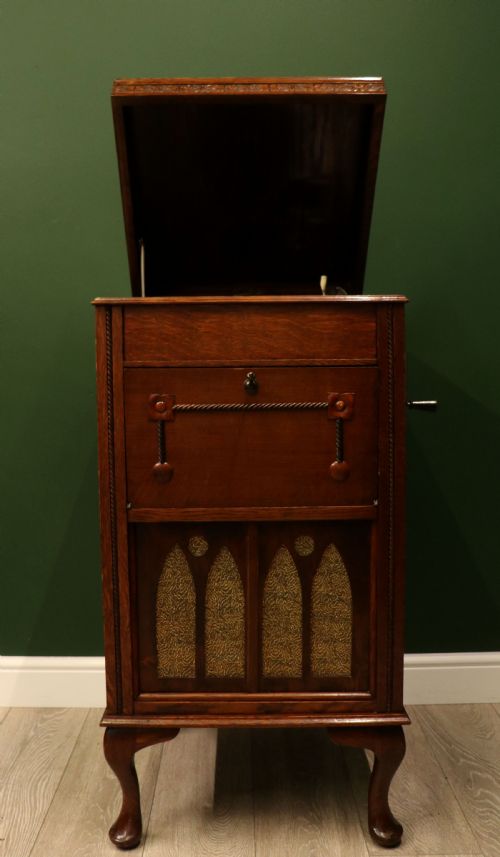
Edwardian parlor furniture encompasses the seating suites, occasional tables, and display cabinets designed to furnish formal entertaining spaces at the turn of the twentieth century. These pieces bridge late Victorian ornamentation and lighter Edwardian aesthetics, utilising rich timbers to project domestic refinement.
Materials and Construction
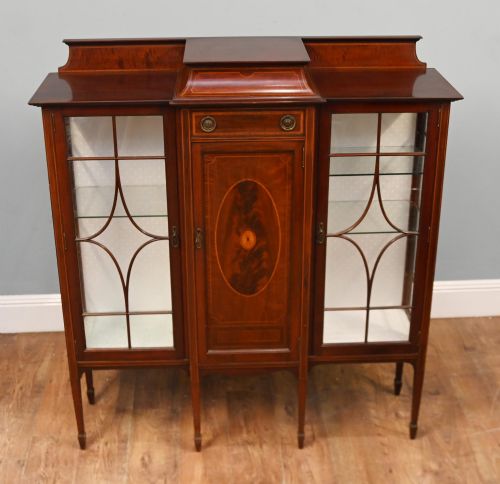
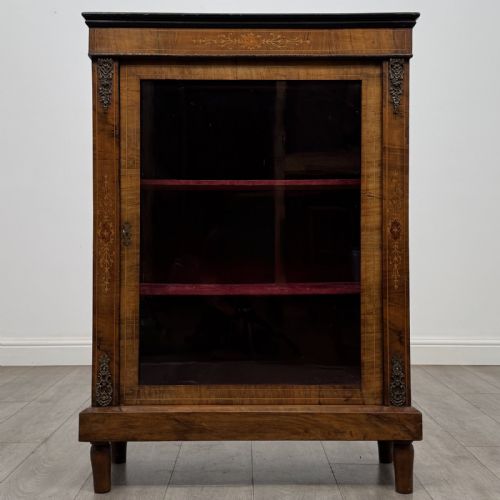
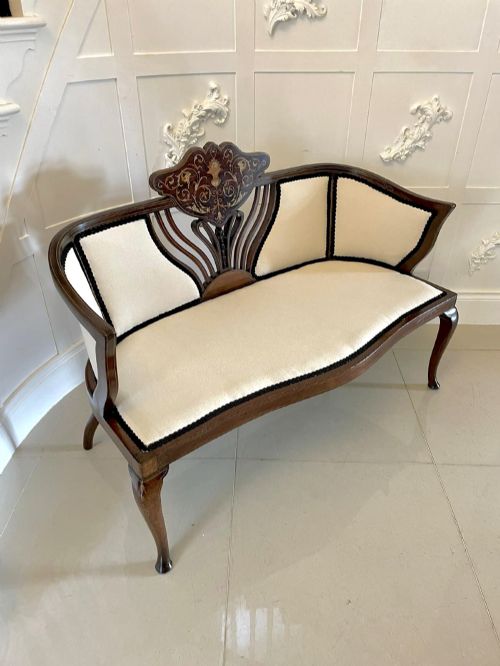
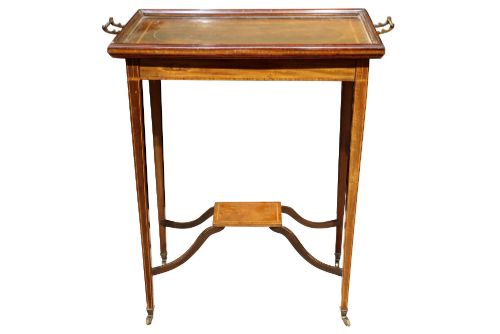
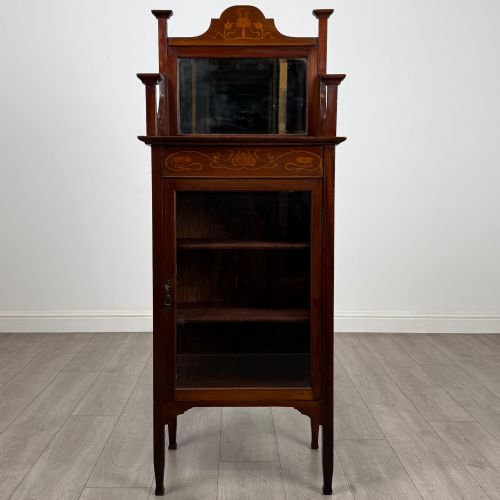
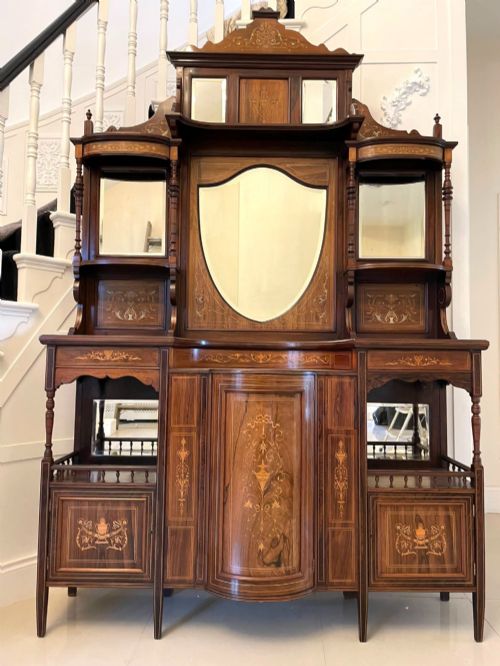
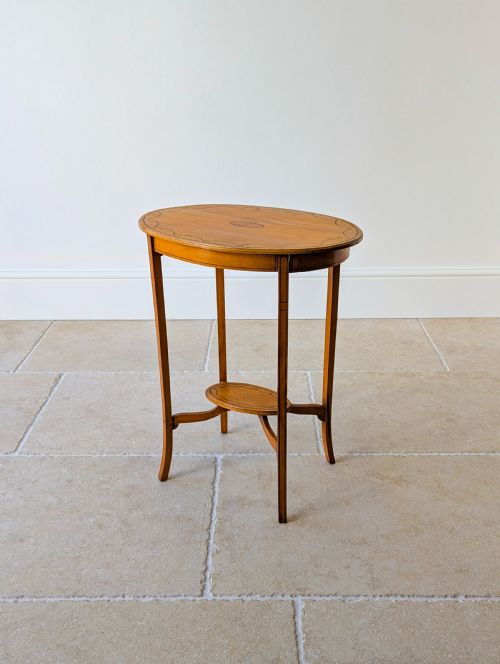
Makers relied primarily on dense timbers such as mahogany, rosewood, walnut, and satinwood, often applying veneers over secondary woods for stability on large surfaces. These foundational woods received intricate contrasting stringing and boxwood marquetry to decorate table tops, cabinet doors, and settee crest rails.
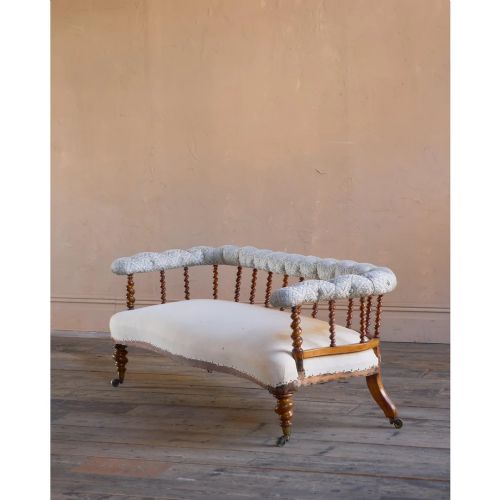
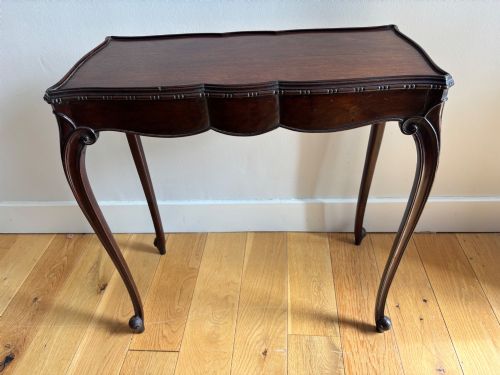
Structural embellishments incorporated brass hardware, glazed panels for display doors, and carved details ranging from spindle backs to cabriole legs. Upholstered elements utilised fabric or velvet stretched over sturdy frames to complete the seating pieces.
Edwardian Parlor Furniture Retail Price Guide 2026
Typical asking prices for edwardian parlor furniture among the pieces listed under this phrase on Sellingantiques today, from the lower quarter to the upper quarter. They describe what is for sale here now, not the wider market.
Listings feature items spanning the Victorian, Edwardian, and Art Nouveau periods, constructed from mahogany, rosewood, walnut, and satinwood.
Distinctions in Quality
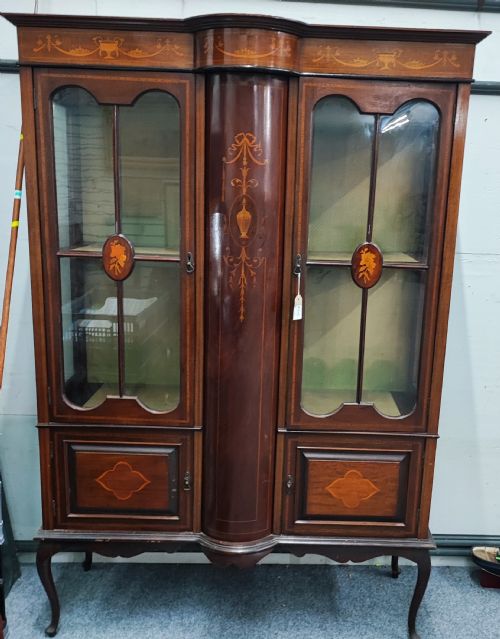
The standard of execution in inlay work and timber selection dictates the distinction between ordinary production and superior craftsmanship. Finer pieces display precisely cut marquetry with tight joints and well-figured grain patterns across the primary surfaces, while simpler items rely on sparse stringing.
Structural integrity and the retention of original glass, hardware, and upholstery systems further separate higher-grade items from utilitarian examples. The presence of documented maker attributions elevates the standing of specific cabinets and tables within the broader group.
C. Hindley & Sons·U Phone of Leeds·Gillows
The Edwardian Parlor Furniture Glossary
- Marquetry
- Decorative patterns formed by fitting together small pieces of veneer into wooden panels. This technique creates complex floral or geometric motifs across table tops and cabinet fronts.
- Occasional table
- A small, movable table designed for specific, intermittent use within a room. Common forms in this category include tray top and oval tea tables.
- Salon suite
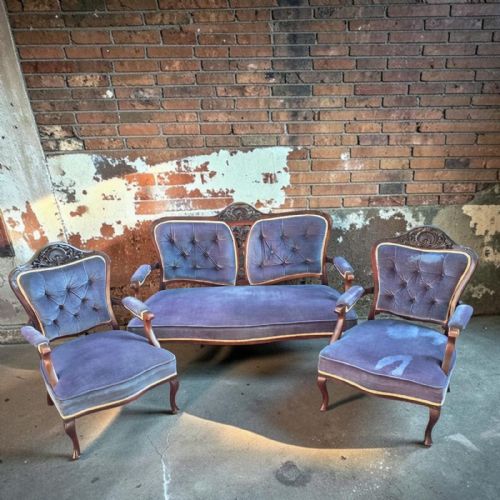
- A matching set of upholstered seating comprising a settee and paired armchairs. These matched groups furnished formal reception rooms.
- Credenza
- A sideboard or display cabinet featuring low profiles and decorative doors. These storage pieces often incorporate glass panels and intricate wood inlay.
- Ormolu
- Gilded bronze mounts applied to furniture for decorative effect. This French-derived technique appears on select centre tables.
Edwardian Parlor Furniture: Frequently Asked Questions
What defines Edwardian parlor furniture?
These pieces represent the lighter, more refined styles that succeeded heavy Victorian designs around the turn of the twentieth century. They focus on entertaining and display through polished woods and delicate inlays.
The category spans occasional tables, display cabinets, and matching salon suites. Mahogany and rosewood serve as the primary structural materials for these formal domestic items.
How were parlor cabinets used?
Cabinets and vitrines served to display treasured porcelain, glassware, and curiosities collected by the household. Mirror backs often featured within these designs to reflect light and amplify the displayed objects.
Positioned prominently in the main reception rooms, they acted as both storage units and status symbols for hosting visitors.
How do I care for inlaid wood?
Inlaid surfaces require consistent indoor humidity levels to prevent the delicate boxwood stringing from shrinking and lifting away from the base timber. Gentle dusting with a soft cloth protects the polished finish without abrasion.
Avoid placing these tables and cabinets in direct sunlight or near heat sources, which can dry out rosewood and mahogany veneers over time.
How do I distinguish Edwardian from Victorian styles?
Victorian furniture typically employs heavier proportions, darker finishes, and dense carved ornamentation. Edwardian pieces shift toward lighter frames, brighter wood tones, and restrained inlay patterns.
While overlap occurs in transitional pieces from the late nineteenth century, the overall visual weight helps separate the two periods.