

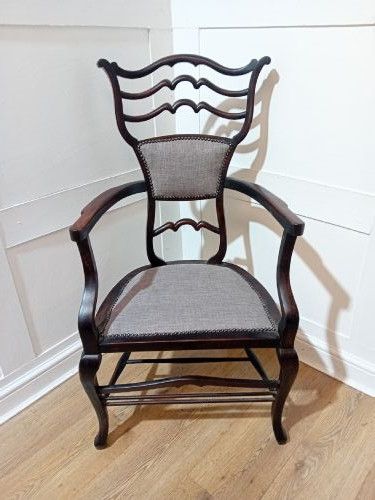


Edwardian Padded Armchair
An edwardian padded armchair provides deep sprung comfort and understated refinement for a traditional interior.
Edwardian Padded Armchair
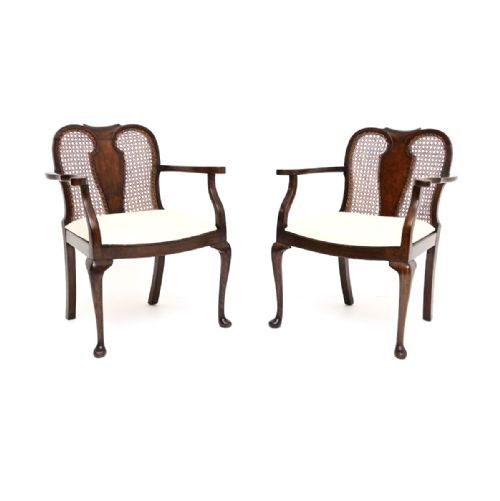
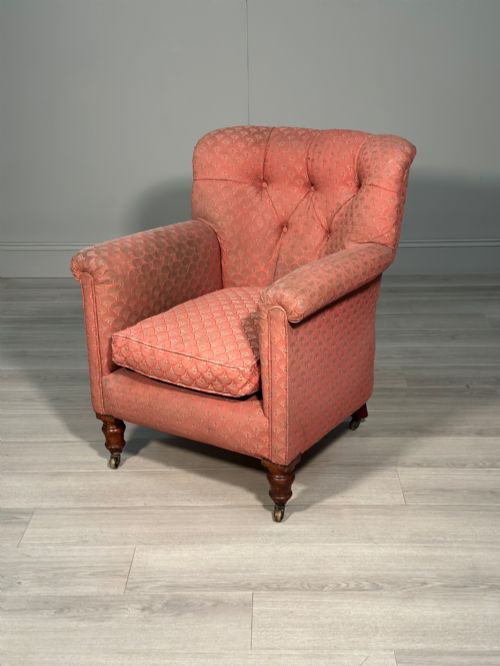
When you search for an edwardian padded armchair, you are looking at domestic seating designed for comfort and reception rooms during the early twentieth century. These pieces bridge the heavier Victorian aesthetic and lighter twentieth century living, often appearing in forms such as tub chairs, boudoir chairs and club armchairs.
The versions most commonly met on this page span the Edwardian period, alongside related examples from the nineteenth century and the early twentieth century. They serve as occasional seating, library chairs or desk chairs, reflecting the domestic habits of their original era.
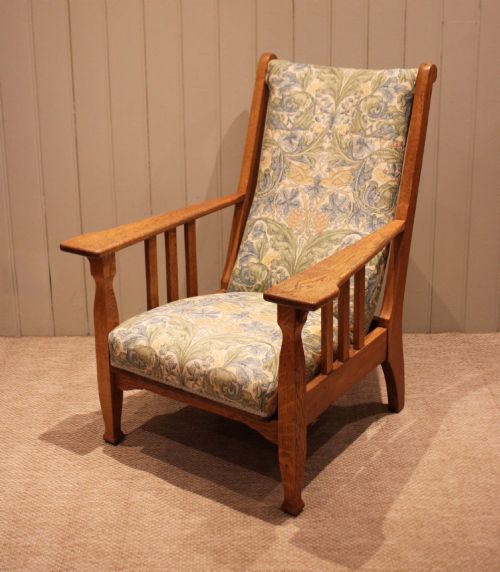
Makers and styles represented in the selection incorporate mahogany, beech, oak and walnut framing, upholstered in leather, velvet and patterned fabric. They range from simple inlaid mahogany frames to deep sprung lounge seats.
Materials and Construction
Frames are constructed primarily from hardwoods such as mahogany, beech, oak and walnut, chosen for structural stability and finished with subtle inlay or carved detailing. Joinery relies on traditional methods to support the weight of sprung interiors.
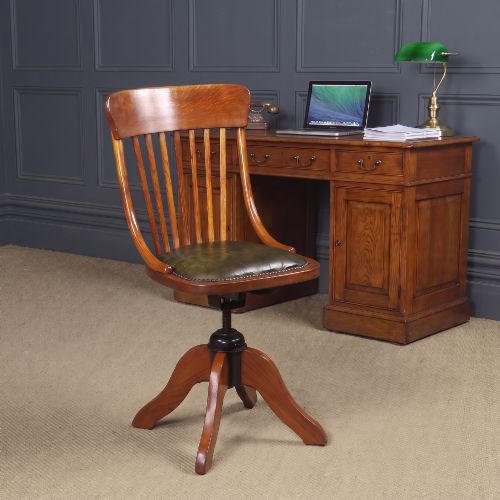
Upholstery incorporates fabric, leather and velvet over padded foundations, sometimes featuring buttoned backs or exposed showwood framing. Brass elements appear on castors and swivel mechanisms for desk and library chairs.
Edwardian Padded Armchair Retail Price Guide 2026
Typical asking prices for edwardian padded armchair among the pieces listed under this phrase on Sellingantiques today, from the lower quarter to the upper quarter. They describe what is for sale here now, not the wider market.
Listings feature mahogany, oak, beech and walnut frames paired with leather, velvet and fabric upholstery across Edwardian and Victorian periods.
What Varies in Quality
The standard of a piece rests on the integrity of the timber frame, the depth and resilience of the original springing, and the quality of the upholstery materials. Finer examples retain their original maker stamps, harmonious proportions and untampered woodwork.
Lower tiers of quality often involve compromised frames, unsympathetic re-upholstery that alters the original profile, or replacement components that diminish the historical coherence of the chair.
Howard and Sons·Thonet
The Edwardian Padded Armchair Glossary
- Bergère
- An enclosed upholstered armchair with wooden framing and cane or upholstered sides. This form offers a traditional library or morning room seat.
- Tub Chair
- A comfortable armchair with a curved, continuous back and armrest enclosing the sitter. It provides a compact profile suited to bedrooms and studies.
- Elbow Chair
- A dining or office chair with low arms designed to support the elbows. These frequently accompany desks or large tables.
- Showwood
- Timber framework left visible around the upholstered portions of a chair. This technique highlights the grain and polish of the wood.
- Inlay
- Decorative ornamentation created by embedding contrasting pieces of wood or shell into the primary surface. It appears on mahogany frames from the period.
Edwardian Padded Armchair: Frequently Asked Questions
How were these chairs used originally?
They served multiple functions around the Edwardian home, acting as reading chairs in libraries, dressing table seats in bedrooms or reception chairs in parlours.
Swivel and desk variants also provided functional seating for studies and offices.
Are desk chairs and library chairs different?
Desk chairs often incorporate swivel mechanisms, oak or mahogany frames and leather upholstery to withstand daily working use.
Library chairs tend to focus on deep upholstery, such as club or tub designs, intended for relaxed reading.
How do I care for leather upholstery?
Leather upholstery benefits from regular dusting and occasional treatment with appropriate leather balms to maintain suppleness and prevent cracking.
Keeping the chairs away from direct sunlight and heat sources preserves both the hide and the wooden frame.
How can I tell an Edwardian chair from a Victorian one?
Edwardian chairs generally display lighter frames, more restrained ornamentation and brighter mahogany finishes compared to heavier, darker Victorian pieces.
Revival styles bridge both eras, making construction details and wood selection key indicators of age.