
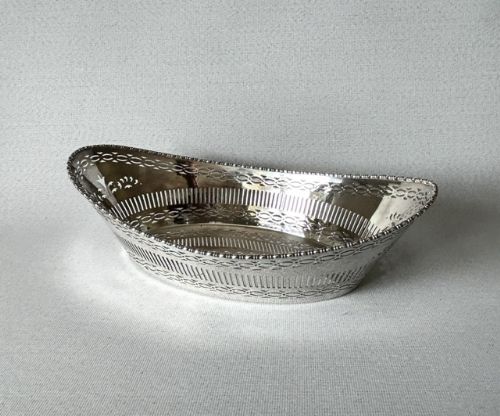


Edwardian Oval Serving Dish
An edwardian oval serving dish brings practical elegance to the dining table, offering generous proportions and period charm that collectors prize.
Edwardian Oval Serving Dish
An edwardian oval serving dish encompasses tableware designed for presentation during formal meals. The selection includes entree dishes, bread baskets, and decorative pieces spanning the early twentieth century.
Most examples originate from the Edwardian era and subsequent periods such as George V, fashioned primarily as serving dishes, trays, and baskets. Forms range from traditional English profiles to distinct Art Nouveau shapes.
How they were made
Makers utilised metals such as sterling silver, silver plate, EPNS, nickel silver, and copper to construct durable serving vessels. Plated wares typically feature a base metal coated with a layer of silver for resilience and lustre.
Ceramic examples employ fine materials like porcelain and bone china, often hand-painted with botanical or fruit motifs. Metal items frequently incorporate traditional silversmithing techniques alongside stamped or chased decorative borders.
Materials range from robust copper and nickel silver to delicate bone china and hand-painted porcelain.
What varies in quality
Quality rests in the weight of the metal and the crispness of the chased or applied ornamentation. Heavier gauge silver plate and solid sterling silver maintain their structural integrity and finish far better over decades of use.
Artistic execution dictates value in ceramic pieces, where hand-painted details display superior brushwork and glaze depth. Maker attribution also influences standing, with renowned manufacturers achieving greater recognition for their output.
Mappin & Webb·Royal Worcester·Royal Crown Derby
The Edwardian Oval Serving Dish Glossary
- EPNS
- Electroplated Nickel Silver. This designates a base metal of nickel silver coated with an electrochemical layer of pure silver.
- Sterling Silver
- A standard alloy consisting of ninety-two point five percent silver and seven point five percent other metals, usually copper. It provides substantial weight and enduring intrinsic value.
- Entree Dish
- A covered vessel designed for serving main courses or side dishes at the table. These often feature detachable handles to allow the base to function independently.
- Bone China
- A type of porcelain incorporating bone ash, known for high whiteness, translucency, and strength. It permits finer walls without sacrificing durability.
Edwardian Oval Serving Dish: Frequently Asked Questions
What is an edwardian oval serving dish used for?
These vessels were created to present food at the dining table, accommodating roasts, vegetables, or breads during formal meals.
Today, they serve equally well for modern entertaining or as decorative display items on sideboards.
How do I care for silver plated serving dishes?
Wash them gently by hand using mild warm soapy water and dry them thoroughly with a soft cloth to prevent water spots.
Avoid abrasive cleaners or harsh scouring pads that can wear through the thin silver plating over time.
How do silver plate and sterling silver differ?
Sterling silver is solid precious metal throughout its structure, whereas silver plate consists of a base metal coated in a thin layer of pure silver.
Both offer a bright finish, but sterling silver carries a distinct hallmark stamp indicating its metal purity.
What styles can I find in these dishes?
The selection spans traditional English designs with classical motifs alongside flowing Art Nouveau pieces featuring organic curves and naturalistic copper or silver forms.
Later George V examples also appear, reflecting subtle shifts in British dining aesthetics through the early decades of the twentieth century.