

Edwardian Old Cut Ring
Discover the charm of an edwardian old cut ring, featuring hand-faceted diamonds set in gold and platinum for timeless appeal.
Edwardian Old Cut Ring
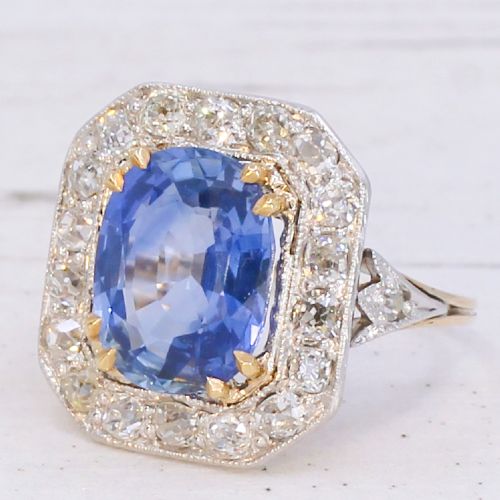
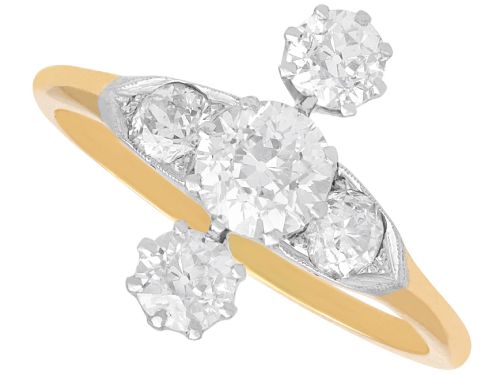
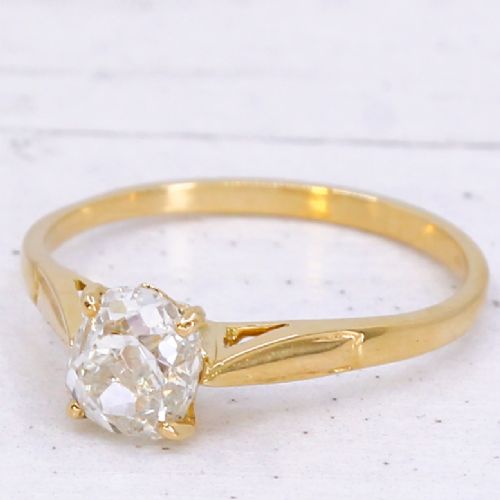
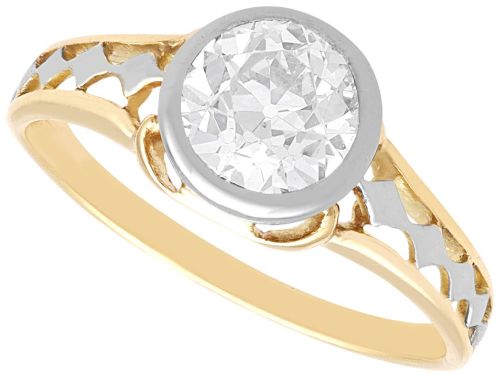
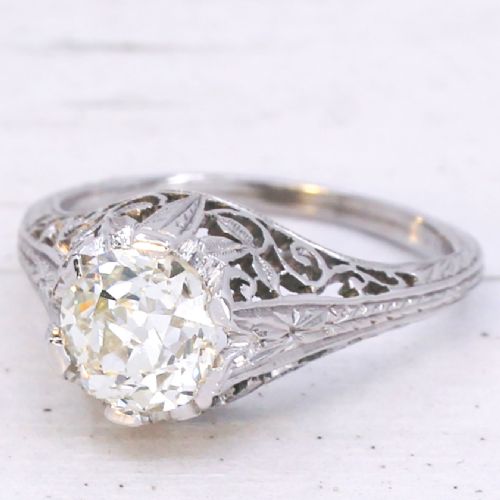
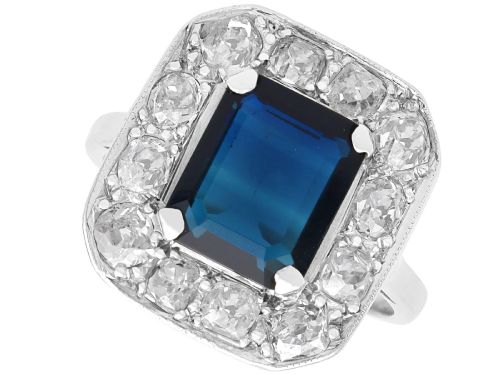
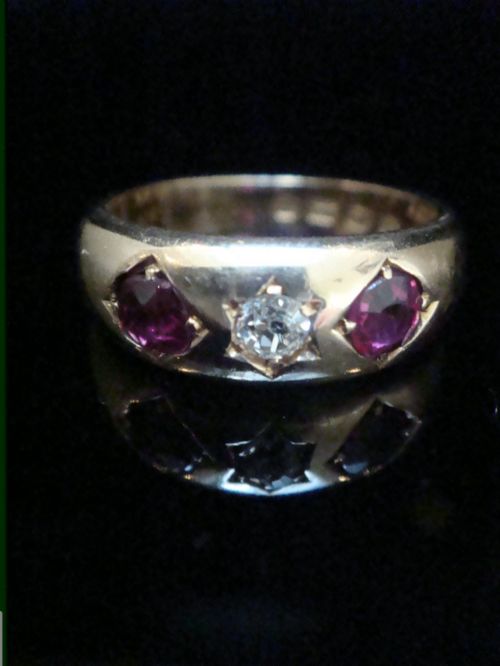
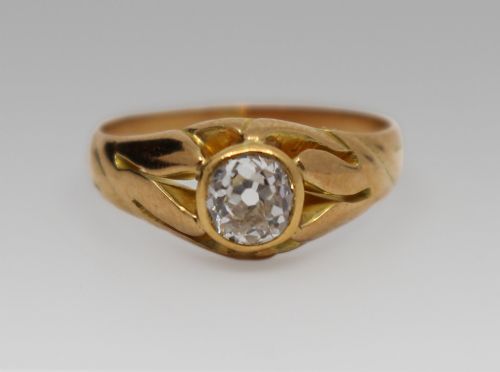
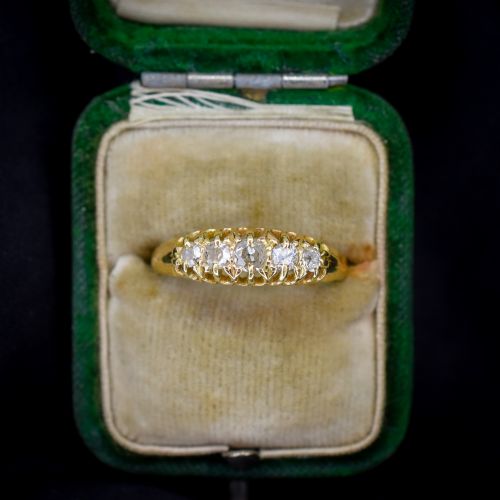
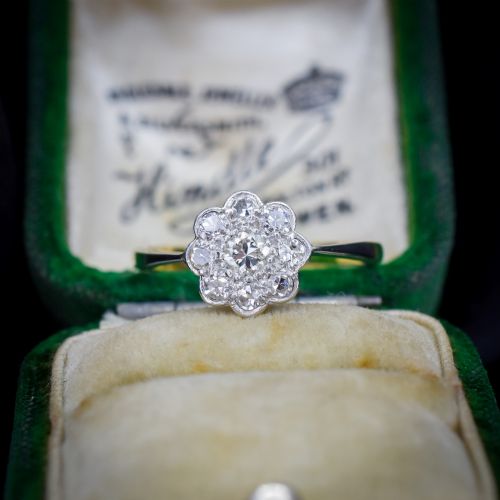
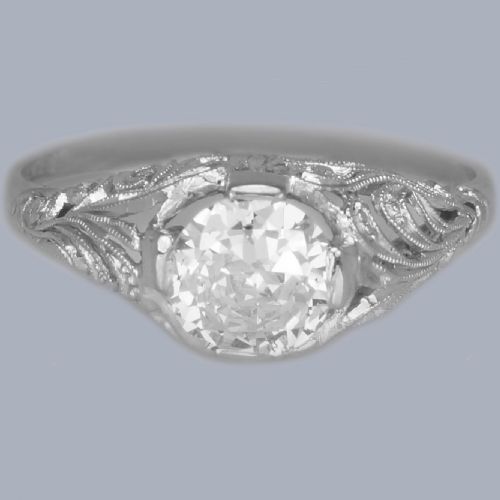
An edwardian old cut ring brings together the distinctive hand-faceted diamond shapes of the early twentieth century and the delicate platinum-topped gold settings typical of the period. Buyers exploring this selection will encounter classic multi-stone arrangements, engagement solitaires, and vibrant cluster designs.
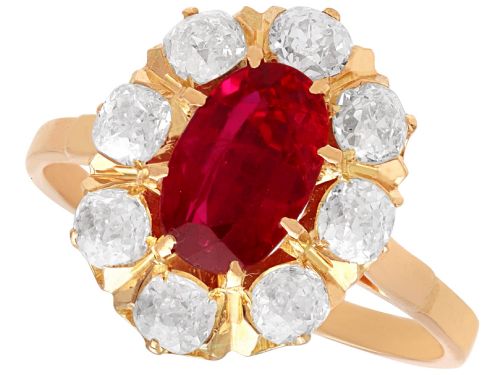
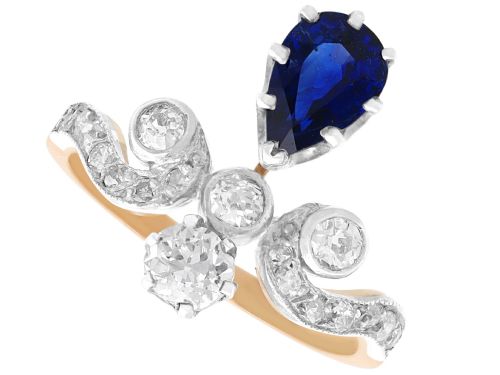
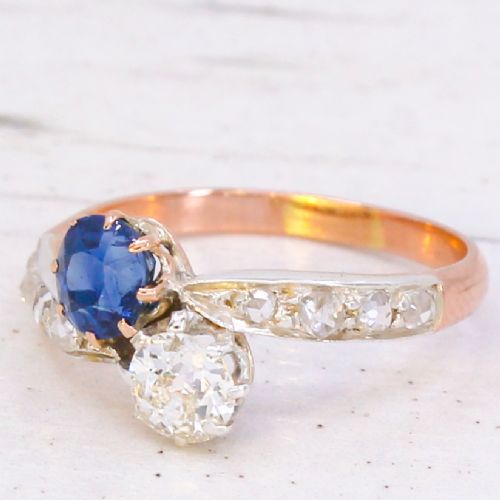
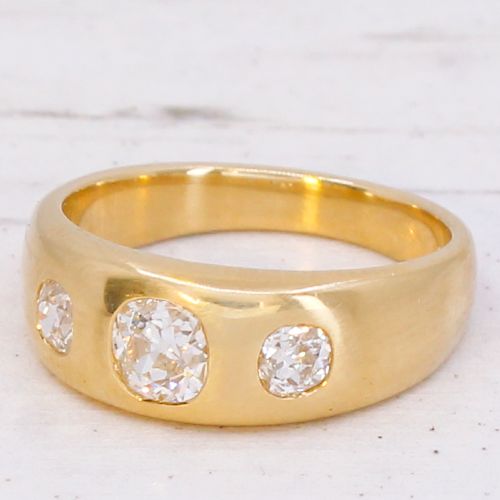
Cluster formations on this page frequently pair central diamonds with sapphires, rubies, or emeralds, whilst three-stone and five-stone rings showcase graduated old mine or old European cuts. Solitaires and twist rings complete the primary forms available in these historical jewels.
How They Were Made
Master jewellers utilised durable platinum settings fused over 18ct yellow gold shanks to securely hold stones whilst maximising white light reflection. The characteristic old cut diamonds feature smaller tables, higher crowns, and open culets shaped by hand during the Edwardian era and surrounding decades.
Prong and millegrain techniques define the metalwork, adding delicate beaded borders alongside hand-carved shoulders. Gemstones such as unheated Burmese sapphires and natural rubies were meticulously selected to complement the distinctive facets of antique cut diamonds.
Current listings feature materials including platinum, 18ct yellow gold, and 9ct gold alongside diamonds, sapphires, rubies, emeralds, tourmalines, and natural pearls.
What Varies In Quality
The standard of an edwardian old cut ring relies heavily on the symmetry and proportions achieved by hand-cutting the central diamond rather than uniform modern precision. Superior examples display lively light return and well-matched stone sizes across multi-stone configurations.
Craftsmanship in the metalwork further distinguishes finer pieces, evidenced by crisp millegrain beadwork and robust shank integrity. The clarity and natural origin of accompanying coloured gemstones, such as unheated rubies or sapphires, also elevate the standing of individual jewels.
The Edwardian Old Cut Ring Glossary
- Old cut
- A diamond facet style hand-polished before modern machine standards, typically featuring a smaller table and a noticeable culet. These stones capture warm candlelit tones effectively.
- Millegrain
- A decorative technique of small raised metal beads bordering the edge of a setting. It provides a soft, textural frame characteristic of Edwardian jewellery.
- Toi et moi
- A ring style featuring two main gemstones seated side by side or in a gentle twist. The French term translates to you and me.
- Navette
- A boat-shaped cluster setting that tapers to points at either end. This elongated form flatters the finger.
- Culet
- The tiny flat facet at the very bottom of an antique diamond. Old cuts frequently exhibit a visible open culet when viewed from above.
Edwardian Old Cut Ring: Frequently Asked Questions
How do I care for my ring?
Clean your piece gently using warm soapy water and a soft brush to remove everyday oils. Avoid harsh ultrasonic cleaners that might compromise antique settings.
Store the item separately in a lined box to prevent metal and stones from scratching against other jewellery.
Can antique rings be resized?
Most gold and platinum bands can be adjusted by a skilled jeweller experienced in antique pieces. The process requires care to preserve original hallmarks and delicate shoulder details.
Consult a specialist to determine whether the specific shank thickness and gemstone settings allow for safe alteration.
What is an old European cut?
An old European cut represents an early round diamond shape with a circular girdle and deep pavilion. It bridges the transition between older mine cuts and modern brilliant stones.
These diamonds display broad facet patterns that catch ambient light with a distinct vintage charm.
How are periods identified?
Characteristics such as platinum-topped gold fabrication, delicate millegrain work, and specific gemstone arrangements point toward the Edwardian era. Hallmarks, maker marks, and historical design motifs provide further confirmation of age.
Comparing mounting styles helps distinguish Edwardian pieces from Victorian or later Art Deco creations.