




Edwardian Office Accessory
These pieces for an edwardian office accessory bring practicality and charm to a desk, offering an organised workspace with period character.
Edwardian Office Accessory
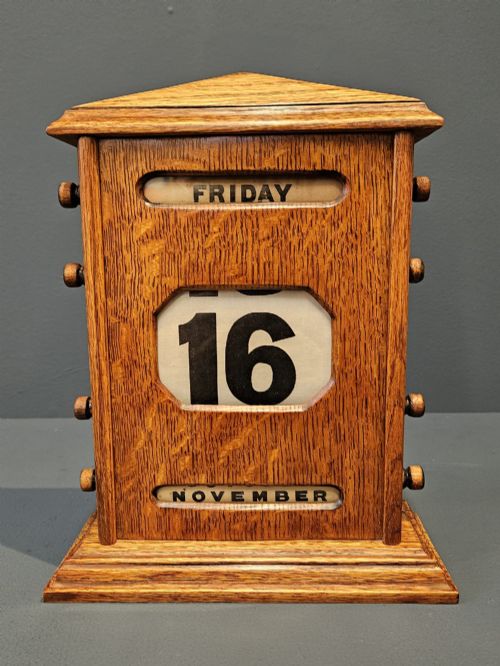
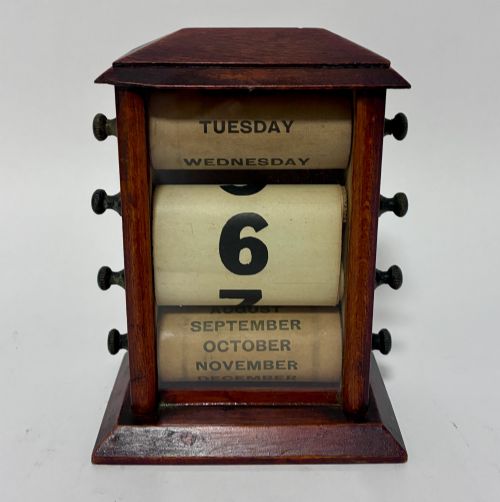
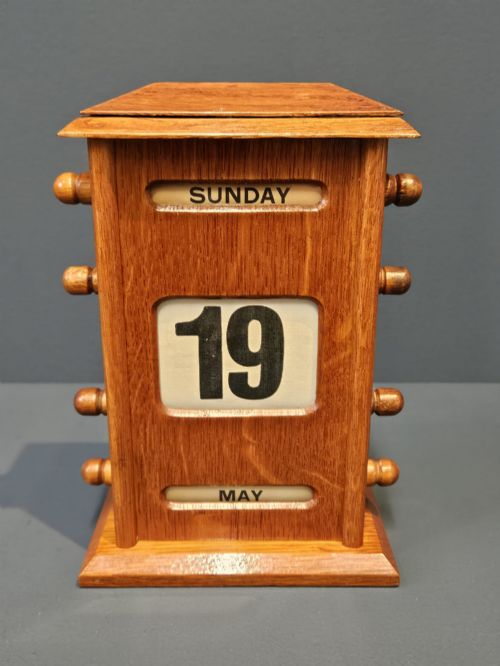
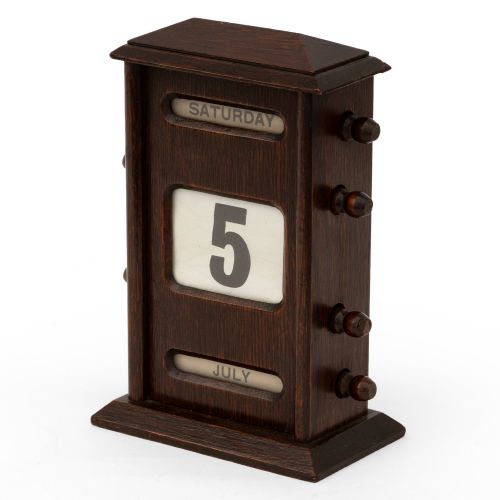
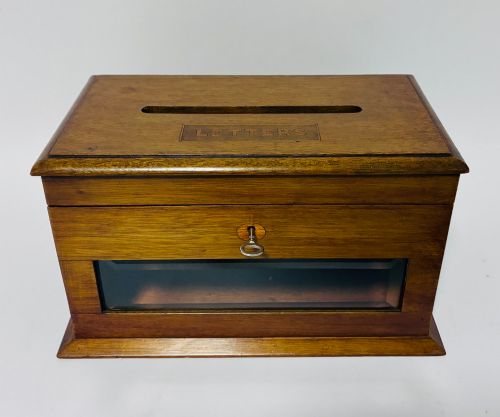
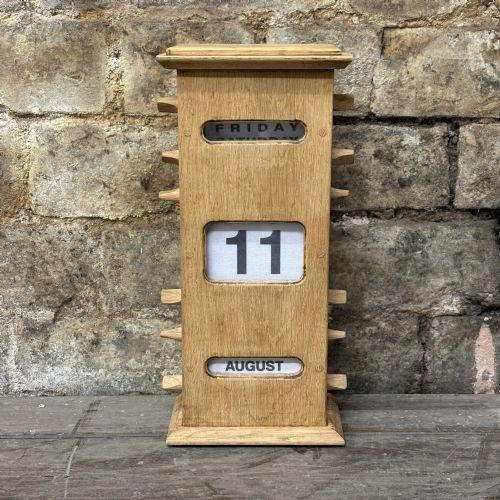
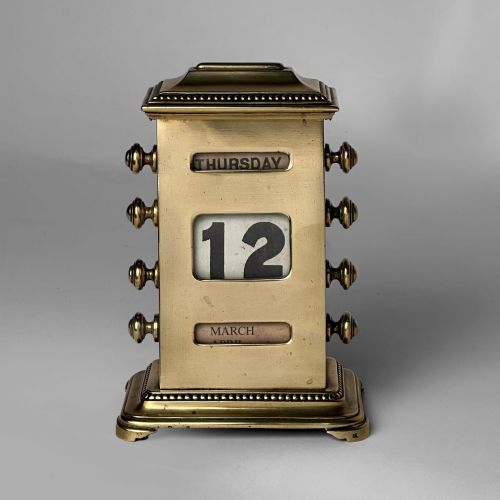
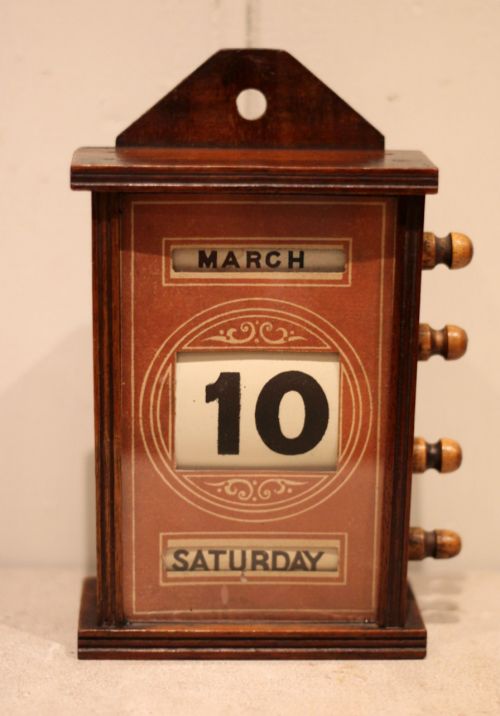
An edwardian office accessory encompasses items designed to keep a desk orderly and efficient, such as perpetual desk calendars, letter boxes, and postal scales. The pieces found here span the late nineteenth century through to the nineteen-thirties, reflecting the administrative needs of past decades.
The most common forms on this page are perpetual desk calendars fashioned from oak or mahogany, alongside letter boxes and postal scales. These objects served essential daily functions in offices and studies before the digital age.
How they were made
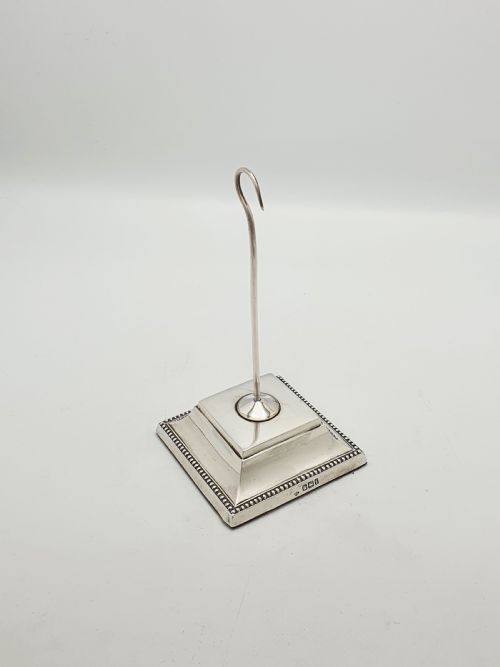
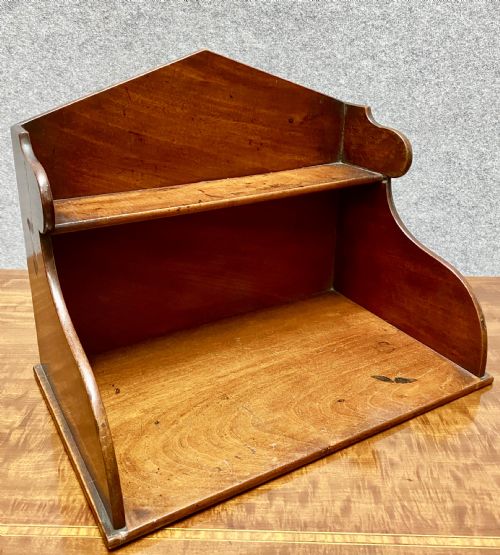
Woods such as oak and mahogany form the structural foundation for many items, often paired with brass or cast brass mechanisms and fittings. Sterling silver appears on plinth bases and desk stands, demonstrating careful craftsmanship and attention to detail.
Paper and linen components were utilised in items like perpetual calendars, whilst glass is integrated into functional accessories. Metalwork and timber joinery combine to create durable pieces meant for everyday desktop use.
Edwardian Office Accessory Retail Price Guide 2026
Typical asking prices for edwardian office accessory among the pieces listed under this phrase on Sellingantiques today, from the lower quarter to the upper quarter. They describe what is for sale here now, not the wider market.
Listings feature items dated from the nineteenth century up to the nineteen-thirties, spanning oak, mahogany, and sterling silver materials.
What varies in quality
The choice of materials and the presence of hallmarks or maker signatures set superior examples apart from standard items. Solid timbers and substantial brass castings indicate higher production standards than lighter or composite alternatives.
Finer pieces display crisp lettering on calendar drums, fully working mechanisms, and well-preserved silver mounts. The overall weight and robustness of the construction generally signal the quality of the original manufacture.
William Tonks of Birmingham
The Edwardian Office Accessory Glossary
- Perpetual desk calendar
- A desk accessory with adjustable panels or drums designed to display the date year after year. These units typically utilise wood or brass frames.
- Postal scales
- A device used for weighing letters and small parcels to determine correct postage. These instruments often feature a brass weighing mechanism mounted on a wooden base.
- Receipt hook stand
- A desk tidy featuring a vertical spike or clip to hold papers and receipts. Examples frequently include decorative plinth bases made from sterling silver.
- Hallmark
- An official stamp applied to precious metals to indicate purity and origin. Silver desk accessories often bear these marks to verify their metal content.
Edwardian Office Accessory: Frequently Asked Questions
How do perpetual calendars work?
Perpetual calendars use rotating drums or sliding cards to show the days and months without needing replacement each year. Users simply adjust the panels manually as each new day begins.
This design allows the calendar to serve indefinitely on a desk, combining mechanical utility with traditional aesthetic appeal.
What were postal scales used for?
Postal scales measured the weight of correspondence to ensure the correct amount of postage was attached before mailing. They were standard equipment in offices and writing rooms.
Heavier items required robust platforms and precise balancing weights to calculate postal charges accurately.
Where should I place a desk tidy?
Desk tidies and letter boxes suit studies, home offices, or living spaces where paper management is useful. They sit neatly on tables or shelving units.
Keeping them in dry areas away from direct sunlight protects the wooden surfaces and any metal fittings from unnecessary wear.
How do I care for wooden desk accessories?
Wooden accessories benefit from occasional dusting with a soft cloth and minimal exposure to extreme temperature changes. Avoiding excessive moisture preserves the polish of the timber.
Metal parts such as brass or silver can be cleaned gently with appropriate cloths to maintain their finish without harming adjacent wood.