


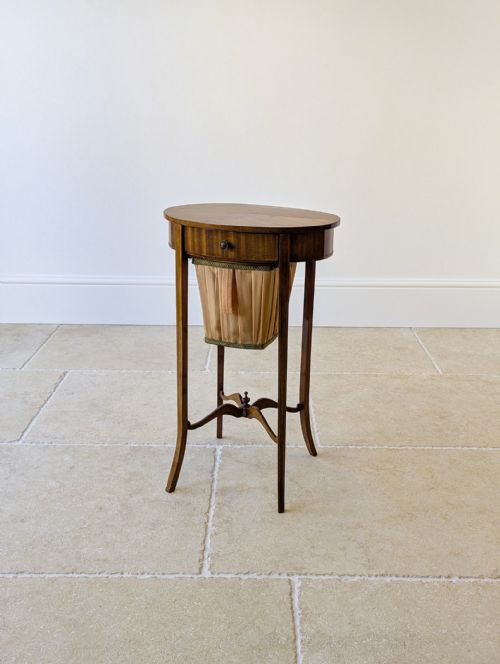


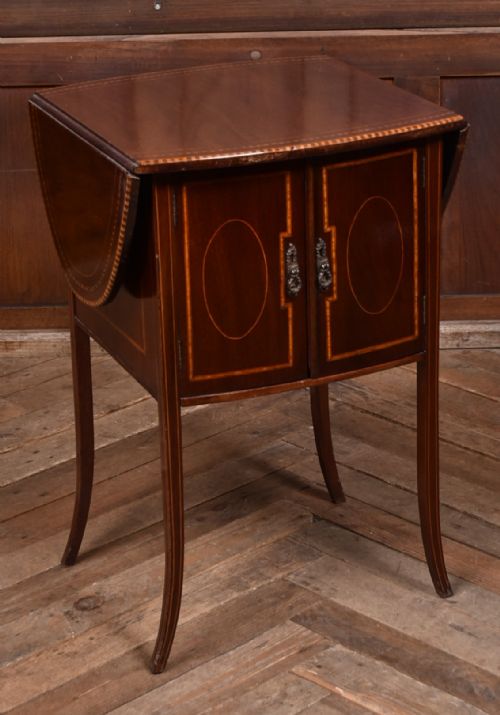

Edwardian Occasional Cabinet
An edwardian occasional cabinet offers compact versatility, bringing polished timber and display space into any room.
Edwardian Occasional Cabinet
When you search for an edwardian occasional cabinet, you encounter a varied selection of flexible furniture designed for display and convenience. These pieces function as small tables, lamp stands, side pieces, or enclosed cabinets for precious items.
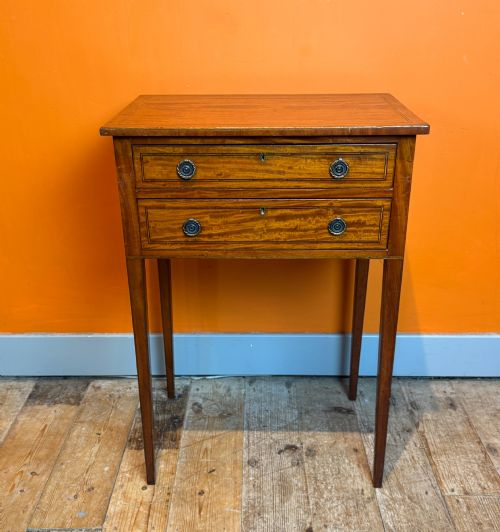
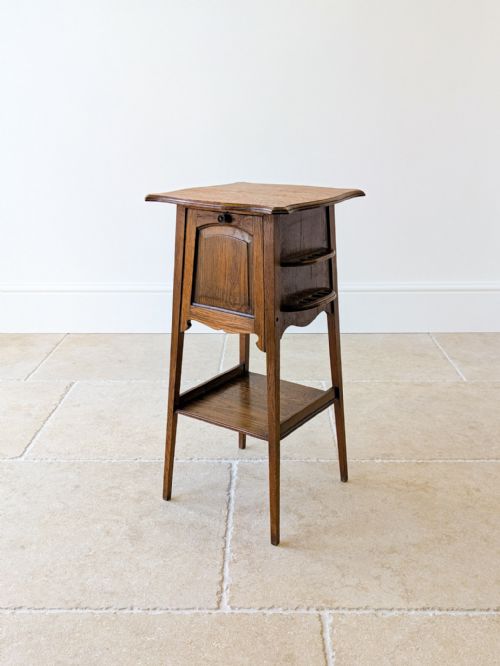
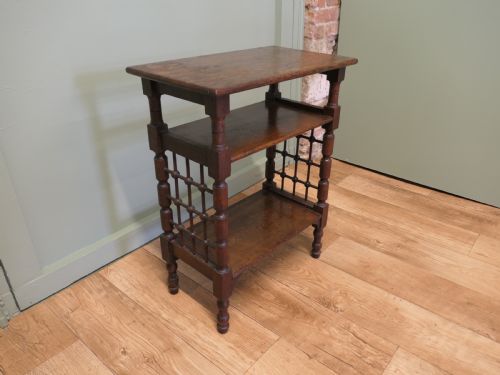
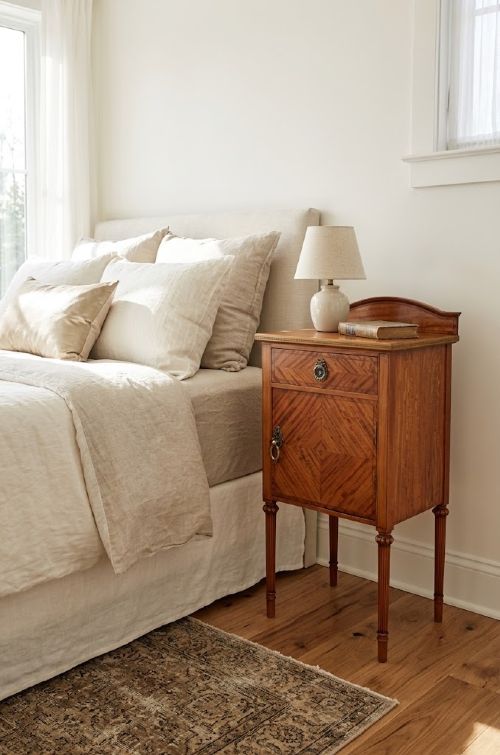
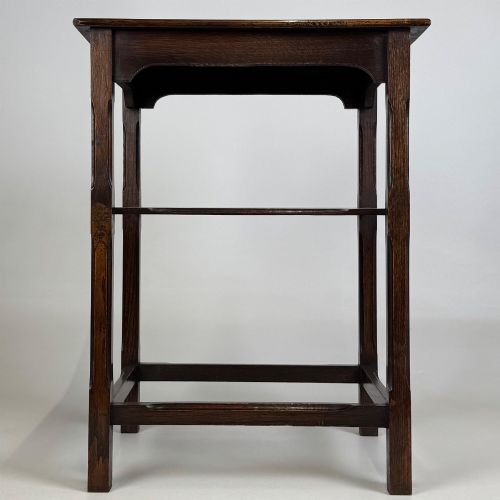
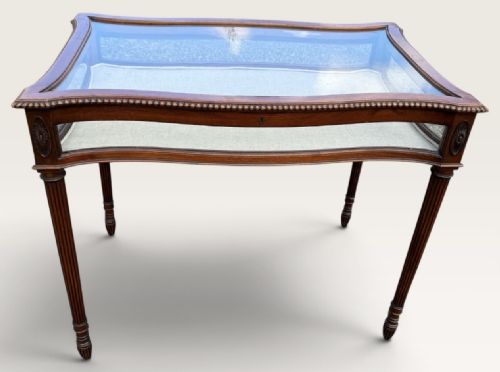
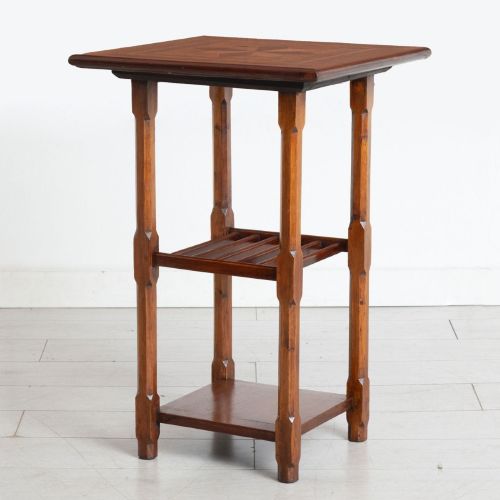
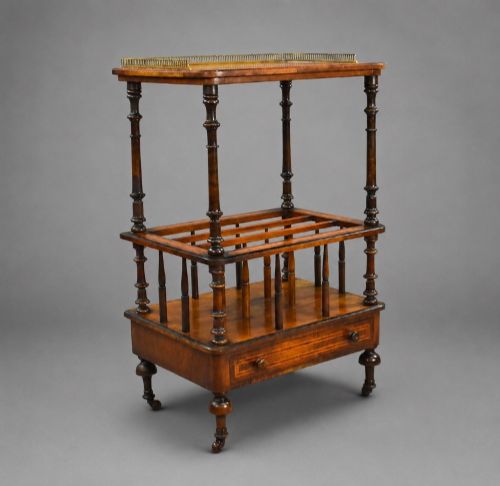
The pieces on this page span the Edwardian era, Victorian period, and Arts and Crafts movement, utilising forms like side tables, bedside tables, whatnots, canterburys, and bijouterie cabinets. Mahogany, oak, satinwood, and burr walnut dominate the selection, often featuring glass panels and brass fittings.
Most examples date from the late nineteenth and early twentieth centuries, reflecting the period's taste for refined occasional furniture. You will find drop-leaf designs, two-tier tables, and glass-topped display cases suited for specific domestic tasks.
Materials and construction
Makers utilised timber veneers such as mahogany, satinwood, and burr walnut over solid structures, often highlighting the grain through careful polishing. Inlaid details in contrasting woods and brass hardware add decorative contrast to the primary surfaces.
Arts and Crafts examples showcase solid oak and simpler structural honesty, while revival pieces draw on Sheraton and Louis XVI styles with delicate fretwork and tapering legs. Glass is integrated into bijouterie cabinets and display tables to protect delicate objects while keeping them visible.
Edwardian Occasional Cabinet Retail Price Guide 2026
Typical asking prices for edwardian occasional cabinet among the pieces listed under this phrase on Sellingantiques today, from the lower quarter to the upper quarter. They describe what is for sale here now, not the wider market.
Listings feature mahogany, oak, satinwood, and burr walnut, alongside specialised forms like bijouterie cabinets and canterburys.
Assessing craftsmanship and design
The standard of an edwardian occasional cabinet rests on the precision of its timber selection and the execution of its inlay. Finer examples display carefully matched veneers and crisply cut fretwork rather than painted or stenciled substitutes.
Structural integrity differentiates the better pieces, ensuring that drop-leaves, drawers, and hinged glass lids operate smoothly without sagging joints. The refinement of the turning on legs and the quality of brass mounts further separate standard production items from distinguished workshop pieces.
Leonard Wyburd·Liberty and Co
The Edwardian Occasional Cabinet Glossary
- Bijouterie cabinet
- A glass-topped table or cabinet designed specifically for displaying small valuable items, medals, or curiosities. These pieces often feature velvet-lined interiors to protect the displayed objects.
- Whatnot
- A piece of open shelving with multiple tiers used for displaying ornaments and books. They appeared in various woods during the nineteenth and early twentieth centuries.
- Satinwood
- A light yellowish timber prized for its lustrous grain, frequently utilised for banding, stringing, and veneer on fine tables. It provides a striking contrast against darker woods like mahogany.
Edwardian Occasional Cabinet: Frequently Asked Questions
What is a bijouterie cabinet used for?
A bijouterie cabinet provides a glazed display surface for holding small decorative items, jewellery, or collections. The glass top and sides allow viewing while protecting the contents from dust.
Many feature hinged lids and velvet linings, making them suitable for parlours and drawing rooms.
How do I identify an Arts and Crafts table?
Arts and Crafts pieces typically feature solid oak construction with an emphasis on natural materials and simpler forms. They often display visible joinery and subtle decorative fretwork rather than elaborate veneers.
These tables reflect a shift away from mass-produced revival styles towards handcrafted integrity.
What is the difference between a side table and an occasional table?
An occasional table is designed to be moved around a room as needed for specific tasks or displays. A side table generally remains against a wall or beside seating furniture.
Both categories encompass various forms including drop-leaf, two-tier, and lamp tables.
Where should I place a two-tier occasional table?
A two-tier occasional table works well beside a sofa or chair where the lower shelf provides extra surface area for books. They also function effectively as lamp tables in corners or hallways.
The compact footprint allows them to fit into smaller spaces without crowding the room.