








Edwardian Oak Sign
These edwardian oak sign pieces bring commercial and decorative history into the room, offering tangible character for anyone seeking authentic early twentieth-century displays.
Edwardian Oak Sign
The search for an edwardian oak sign leads directly to functional commercial pieces, advertising cabinets, and painted boards from the early twentieth century. These items capture the utilitarian artistry of shops, pubs, and public spaces from the Edwardian period onward.
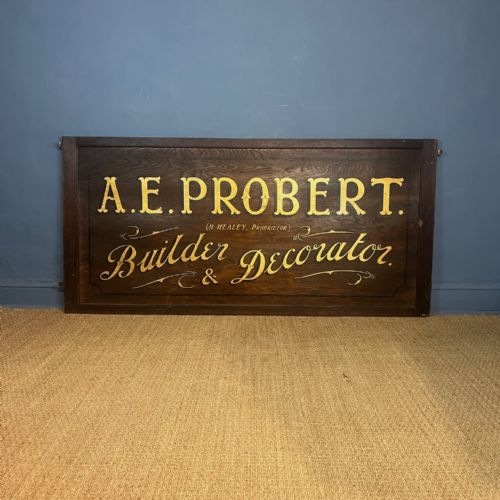
Buyers regularly encounter oak frames paired with glass, brass fixtures, and hand-painted or sign-written lettering. The selection spans structural items like display cabinets adapted with commercial lettering alongside solid wood wall plaques.
Originating largely from British workshops and commercial spaces, these objects combine practical trade use with distinct period craftsmanship. The resulting pieces range from straightforward advertising boards to elaborate masonic and retail markers.
Materials and construction methods
Makers relied primarily on solid oak for frames, cabinets, and structural backings, often selecting quartersawn timber for stability and grain figure. This durable wood was chosen to withstand the daily wear of busy commercial environments.
Surface decoration involved traditional sign-writing techniques, oil paint on canvas, and beaten copper panels with embossed lettering. Brass hooks, hinges, and glass panes completed pieces designed to showcase goods or display notices clearly.
Edwardian Oak Sign Retail Price Guide 2026
Typical asking prices for edwardian oak sign among the pieces listed under this phrase on Sellingantiques today, from the lower quarter to the upper quarter. They describe what is for sale here now, not the wider market.
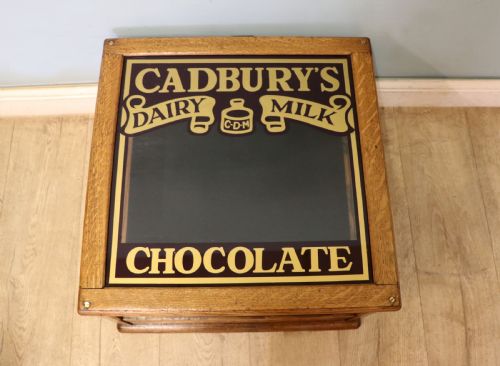
Human teeth samples rub shoulders with chocolate cabinets, proving early twentieth-century shopkeepers sold everything under the sun.
Distinctions in quality and execution
Quality rests upon the crispness of the original sign-writing and the integrity of the timber framing. Finer examples display deliberate brushwork and robust joinery that survive decades of commercial use without losing legibility.
The relationship between the backing material and the applied text dictates overall visual balance. Superior items maintain proportion between the oak mount and the painted or metallic lettering, ensuring the message commands the space properly.
The Edwardian Oak Sign Glossary
- Edwardian
- Pertaining to the reign of King Edward VII, spanning from 1901 to 1910, though the style extends into the early 1920s in commercial manufacturing. It represents a transitional design era between ornate Victorian tastes and later modernist simplicity.
- Sign-writing
- The traditional craft of painting letters and graphics by hand onto wood, glass, or metal surfaces. Skilled practitioners used specialised brushes and enamels to produce durable, legible commercial notices.
- Counter display cabinet
- A glazed wooden enclosure placed on shop counters to showcase small goods to customers. Many incorporated later sign-writing on the glass or timber to promote specific confectionary or tobacco brands.
- Beated copper
- Sheet metal shaped by hammering from the reverse side to raise a decorative three-dimensional pattern or inscription. This technique was popular in Arts and Crafts workshops for architectural and decorative panels.
- Aneroid barometer
- A weather-measuring instrument that uses a small, flexible metal box to detect atmospheric pressure changes without liquid. Large shop versions often featured branded wooden surrounds for advertising purposes.
Edwardian Oak Sign: Frequently Asked Questions
How were these signs used originally?
Businesses utilised them to advertise goods, display merchandise on countertops, or direct visitors within public halls and shops. They served as both functional furniture and prominent visual merchandising.
Many pieces occupied high-traffic environments such as tobacconists, drapers, and public houses where clear lettering was essential for daily trade.
Where should I place one?
These items suit hallways, kitchens, or living spaces where their commercial history can be appreciated up close. Wall-mounted boards and countertop cabinets work well as focal points against neutral backgrounds.
Placement depends on the scale of the timber frame and whether the piece is designed for tabletop display or wall hanging.
How do I care for the wood?
Maintain the oak by dusting gently with a dry cloth and avoiding harsh chemical cleaning products that might damage painted or sign-written surfaces. Keeping pieces away from direct heat sources prevents the timber from splitting.
Period glass and brass elements benefit from careful, minimal cleaning to preserve their original patination and finish.