



Edwardian Oak Desk Lamp
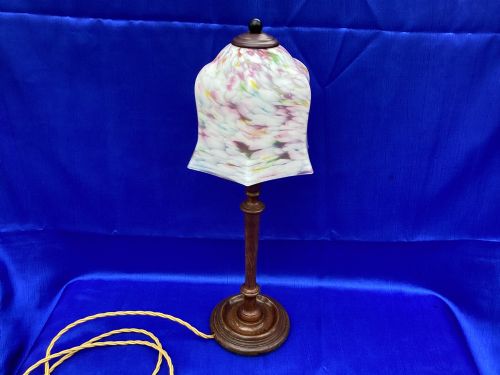
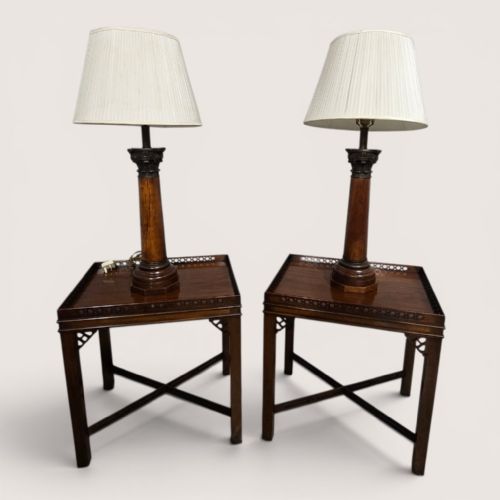
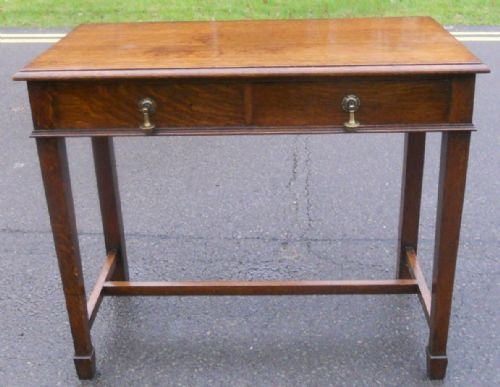
These pieces for an edwardian oak desk lamp bring solid timber and period character to a workspace.
Edwardian Oak Desk Lamp
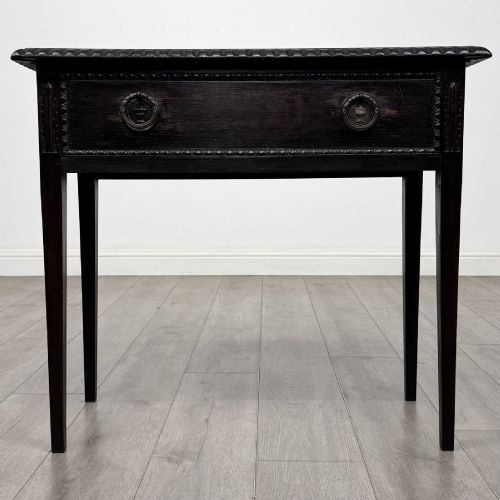
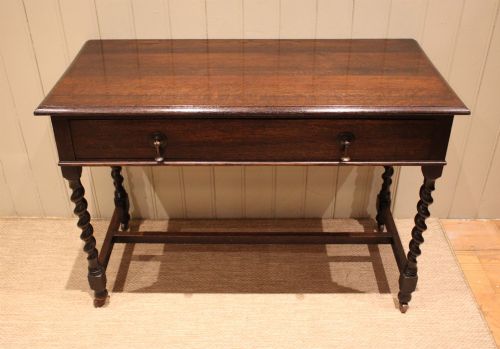
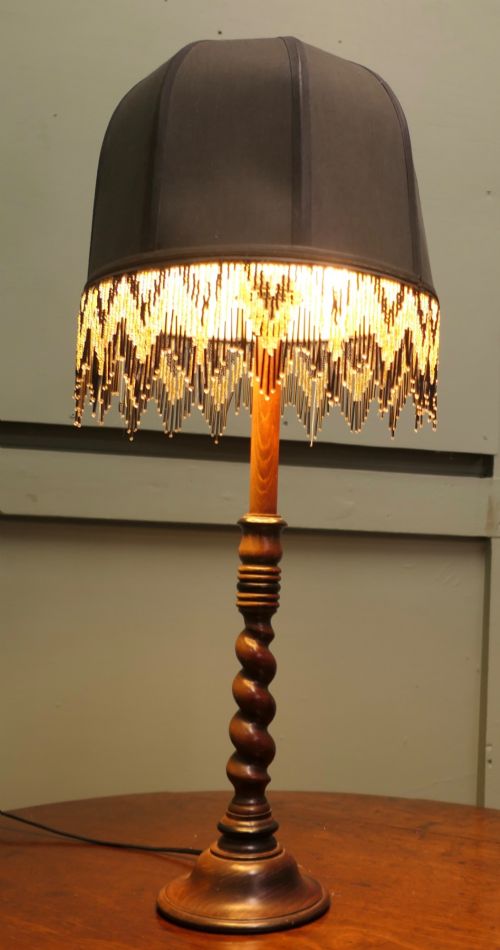
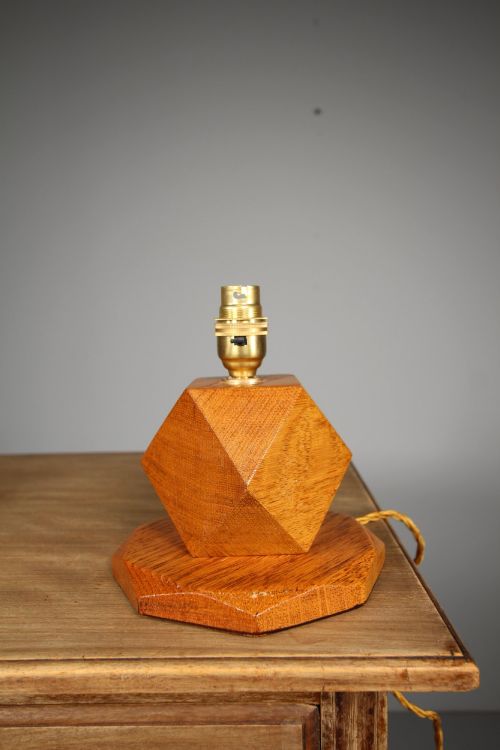
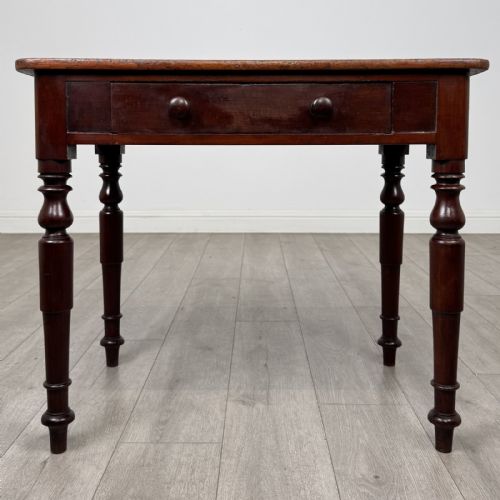
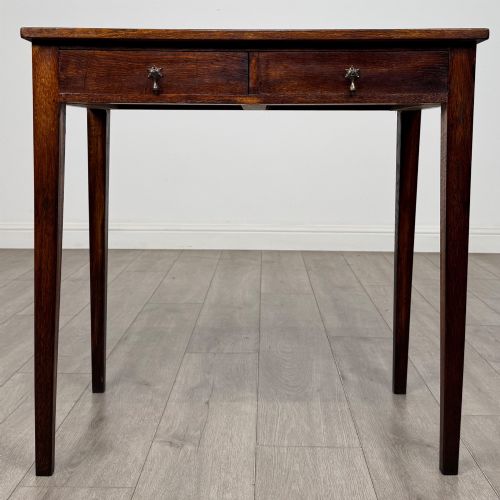
The edwardian oak desk lamp search phrase brings together items formed mostly from oak, occasionally supported by brass or fabric flex. While the specific phrase points towards desk lighting, the current listings show related forms including side tables, lamp tables, writing tables, and table lamps from the Edwardian era, Victorian period, and eighteenth century.
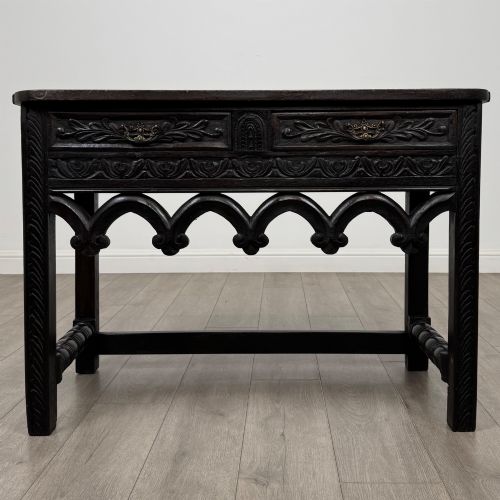
Buyers are most likely to encounter smaller tables and lighting units made from golden or burr oak, often carrying styles such as Arts and Crafts, Gothic Revival, or Georgian style. These pieces serve practical functions in home offices and reception areas, combining period timber with period lighting elements.
How they were made
Construction relies heavily on solid oak and burr oak, shaped into tables, desks, and lamp bases with carved or tapered legs. Brass hardware and fabric flex integrate with the timber to supply functional lighting and support.
The decorative approach draws on Arts and Crafts, Gothic Revival, and Neoclassical traditions, utilising carved details alongside simple geometric forms.
Edwardian Oak Desk Lamp Retail Price Guide 2026
Typical asking prices for edwardian oak desk lamp among the pieces listed under this phrase on Sellingantiques today, from the lower quarter to the upper quarter. They describe what is for sale here now, not the wider market.
What varies in quality
The distinction between standard examples and superior pieces rests on the selection of timber, such as figured burr oak, and the crispness of any carved detailing. Finer items demonstrate careful timber matching and robust joinery that survives across decades.
Proportion and stylistic consistency also separate ordinary items from exceptional ones, particularly where revival styles like the Gothic or Georgian influence the silhouette.
The Edwardian Oak Desk Lamp Glossary
- Edwardian
- Dating from the reign of King Edward VII, this period favours lighter proportions and refined revival styles. It follows the heavier Victorian aesthetic.
- Burr oak
- A timber growth that produces highly figured, swirling grain patterns. Cabinet makers prize this material for decorative table tops and feature panels.
- Gothic Revival
- An architectural and decorative style drawing on medieval forms. It typically incorporates pointed arches and heavy carved oak.
Edwardian Oak Desk Lamp: Frequently Asked Questions
What periods do these pieces date from?
The selection spans several eras, running from the eighteenth century through the Victorian period and into the Edwardian years and the nineteen-twenties. Revival styles also appear frequently.
Each period brings distinct characteristics in timber selection and decorative carving, reflecting the prevailing taste of its time of manufacture.
How do I identify burr oak?
Burr oak is instantly recognisable by its turbulent, swirling grain patterns caused by tree growths. It provides a highly decorative surface for table tops.
This timber stands apart from straight-grained oak due to its complex visual texture and rich tonal variation.
Where do these items work best?
These pieces suit home offices, studies, and reception spaces where functional lighting meets period timber furniture. They integrate easily into traditional interiors.
Their compact scale makes them practical for placement beside seating or upon writing desks.
What defines Arts and Crafts pieces?
Arts and Crafts items showcase visible construction methods and a focus on natural timber qualities. They avoid superfluous ornamentation in favour of honest form.
Such pieces often display simple lines and sturdy oak construction designed for daily utility.