
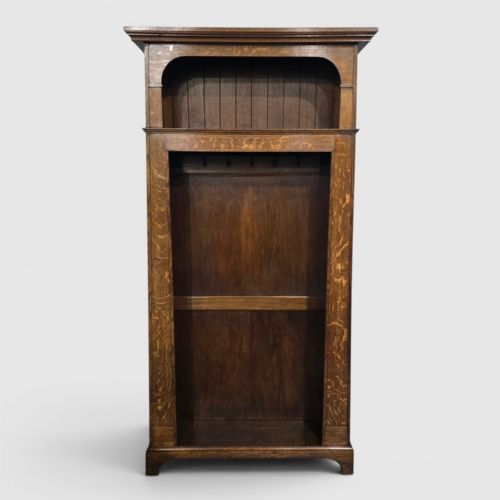
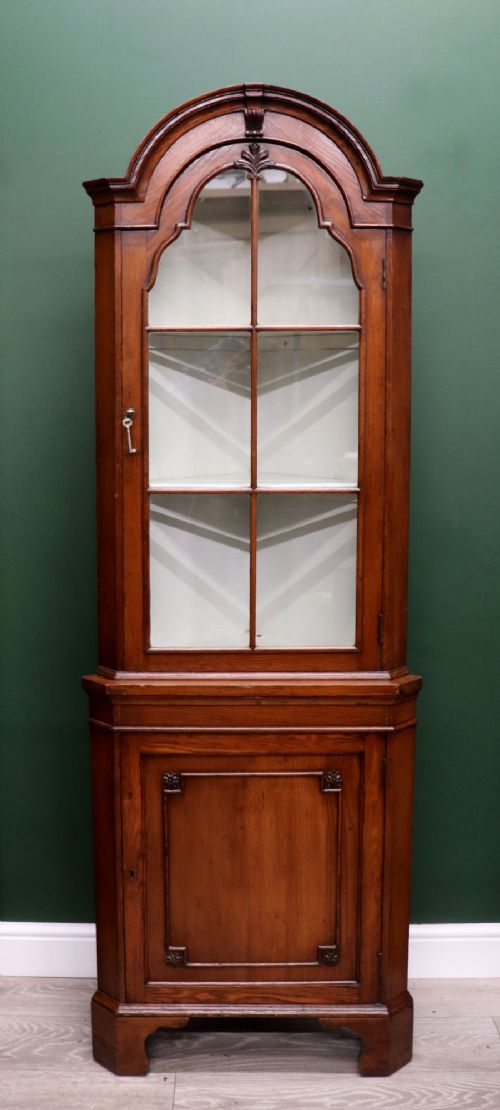

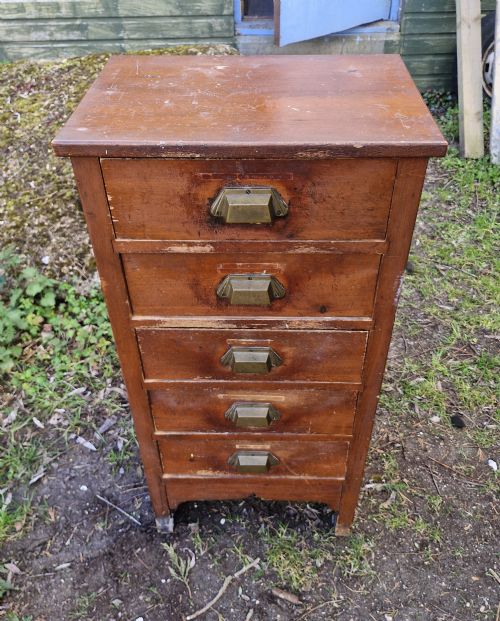


Edwardian Oak Cupboard Unit
An edwardian oak cupboard unit combines sturdy domestic storage with the honest grain of early twentieth-century timber.
Edwardian Oak Cupboard Unit
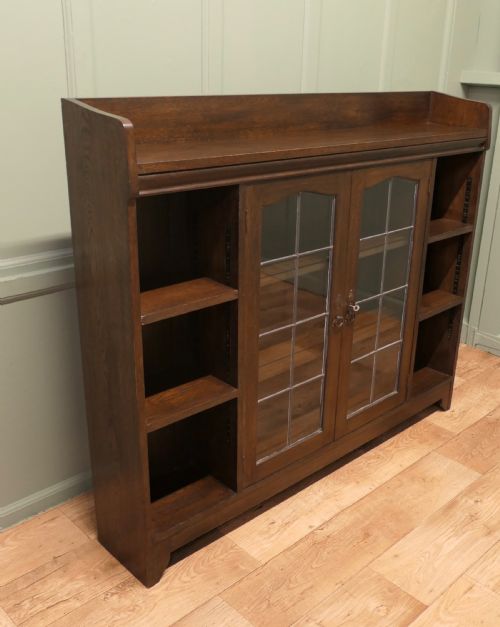
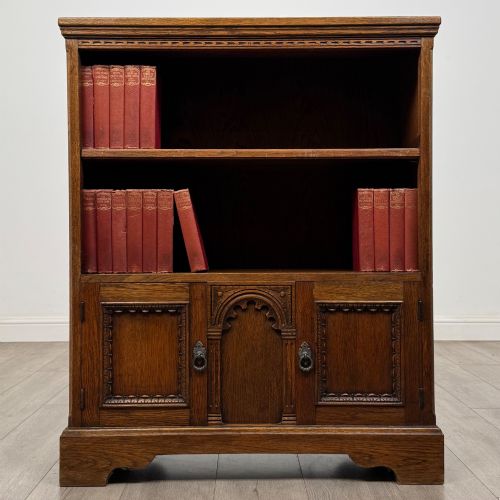
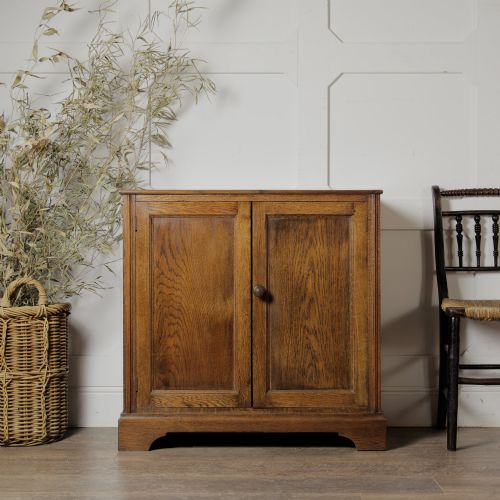
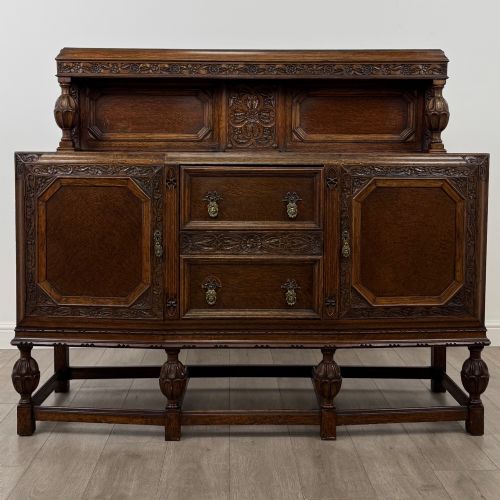
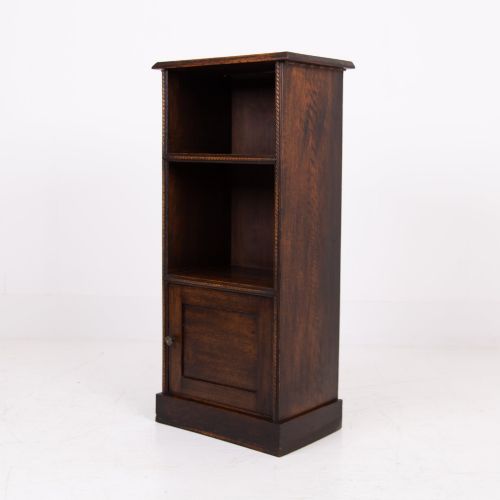
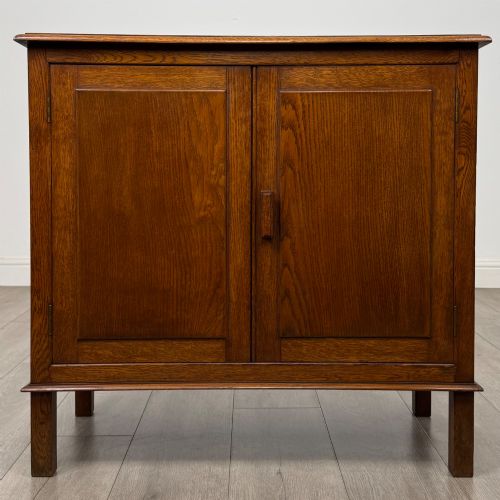
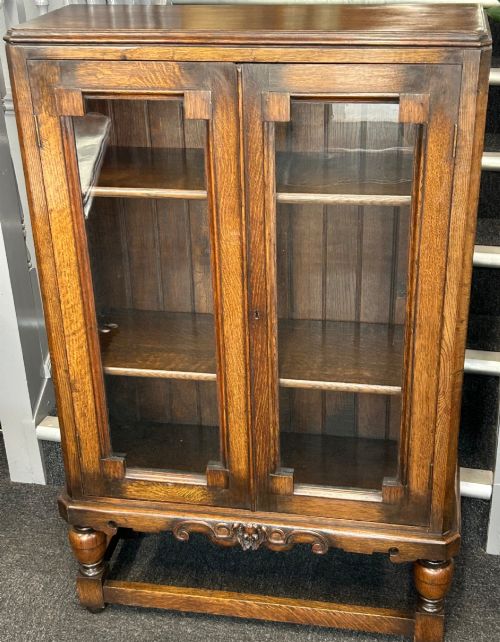
An edwardian oak cupboard unit serves as practical storage furniture shaped by the domestic needs of the early twentieth century and the preceding Victorian era. Buyers searching this phrase encounter practical forms ranging from floor-standing cupboards and corner cabinets to bookcases with fitted storage and wall-hung units.
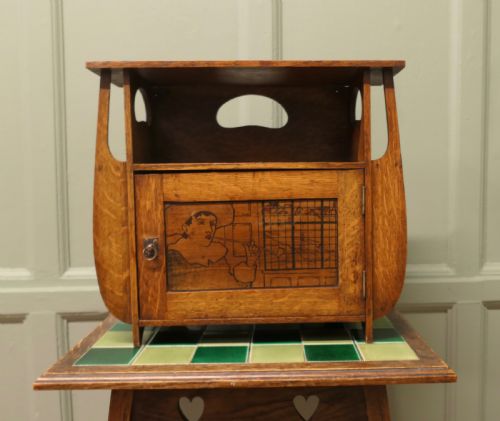
The pieces appearing here stem primarily from the Edwardian period and the broader twentieth century, alongside Victorian and nineteenth-century examples. Solid oak construction dominates, accompanied by variations in style that include Arts and Crafts simplicity, Jacobean Revival, and industrial utility pieces.
Functional variants include glazed cabinets, filing furniture, sideboards, and medical carrying chests. These items reflect an era transitioning from heavy period revival designs toward simpler, utility-minded domestic interiors.
Assessing quality and craftsmanship
Quality rests upon the selection of solid oak timber, the integrity of the joinery, and the retention of original hardware such as brass handles and working locks. Superior examples demonstrate careful carving, balanced proportions, and well-fitted doors or drawers.
Lesser items show simpler construction methods or later modifications to shelves and interiors. The presence of makers' marks or specialised mechanisms like tambour shutters elevates the standing of an individual piece within this category.
Listings in this category span the Victorian period through the nineteen forties, uniting solid oak storage, filing cabinets, and glazed bookcases.
Liberty·Simpson Halifax·James Shoolbred·Amberg
The Edwardian Oak Cupboard Unit Glossary
- Tambour front
- A flexible door made of narrow slats of wood glued to a canvas backing, allowing it to slide around a curved track. This mechanism appears frequently on office filing cabinets.
- Arts and Crafts
- A design movement prioritising traditional craftsmanship, visible construction, and simple forms over mass-produced ornamentation. Pieces in this style often feature unadorned oak surfaces.
- Corner cupboard
- A storage unit specifically built with an angled footprint to fit neatly into the corner of a room. These take both floor-standing and wall-hung formats.
- Apprentice piece
- A miniature item demonstrating the skill of a trainee craftsman before admission to a trade guild. These display the exact joinery techniques found on full-sized furniture.
- Plate rack
- A set of open wooden grooves and shelves attached to the upper section of a dresser or wall unit for displaying ceramics.
Edwardian Oak Cupboard Unit: Frequently Asked Questions
What is an edwardian oak cupboard unit?
An edwardian oak cupboard unit is a functional storage item made from oak during the early twentieth century or the Edwardian era. These pieces encompass bookcases, corner cabinets, and standing cupboards.
They reflect the domestic and office storage requirements of the period, utilising solid timber construction and practical internal shelving.
How do I identify an Edwardian piece?
Edwardian furniture typically dates from the reign of King Edward VII between nineteen hundred and nineteen ten, though the style extends slightly either side. Look for lighter oak tones compared to heavy Victorian pieces.
Construction details often combine traditional joinery with simpler decorative motifs influenced by the Arts and Crafts movement.
Where were these cupboards used?
These units served multiple functions across domestic and professional environments, ranging from living rooms and hallways to kitchens and offices. Smaller wall cabinets and corner units maximised space in compact rooms.
Larger sideboards and fitted cupboards provided dining room storage and archival organisation for paperwork.
How should I clean oak furniture?
Maintain polished oak surfaces by dusting regularly with a soft, dry cloth to prevent dirt accumulation. Avoid harsh chemical sprays that can strip the historic finish.
Applying a traditional beeswax periodically helps nourish the timber and maintain a natural lustre without damaging the grain.