



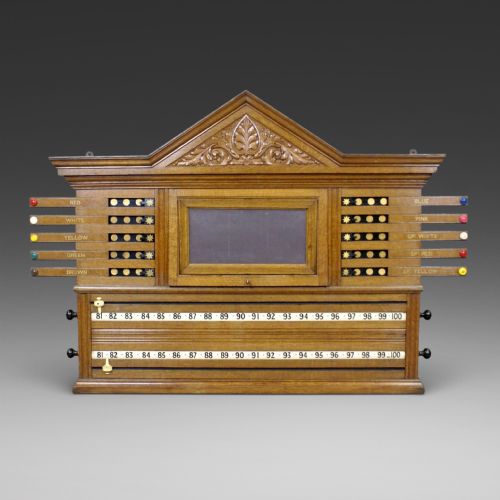
Edwardian Oak Counter
These edwardian oak counter pieces bring robust commercial history indoors, offering solid timber utility and glass display space built to last.
Edwardian Oak Counter
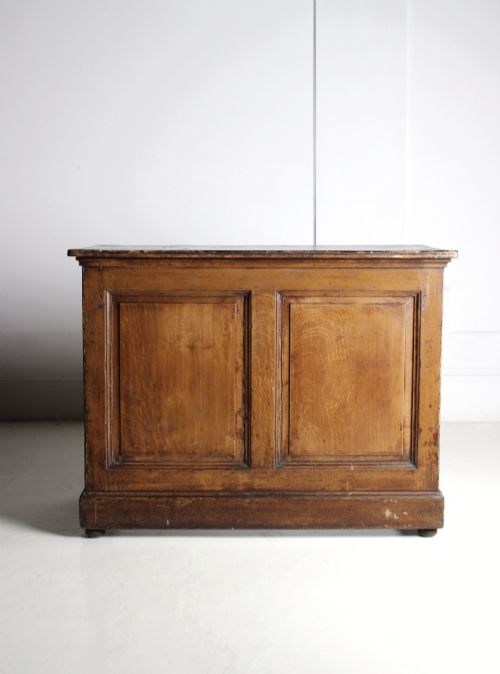
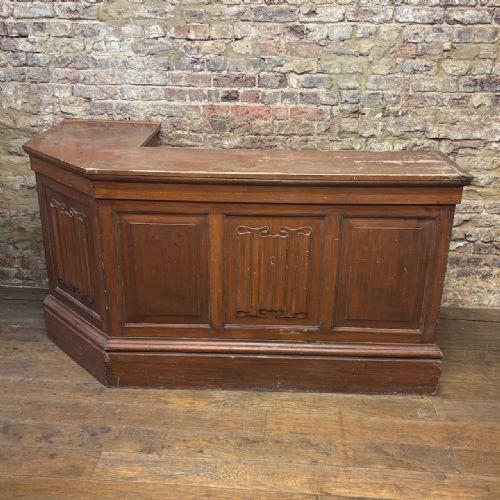
An edwardian oak counter brings commercial history into domestic or retail interiors through heavy timber construction and practical shelving. Buyers seek these pieces for their display potential and utilitarian presence, combining generous proportions with functional compartments.
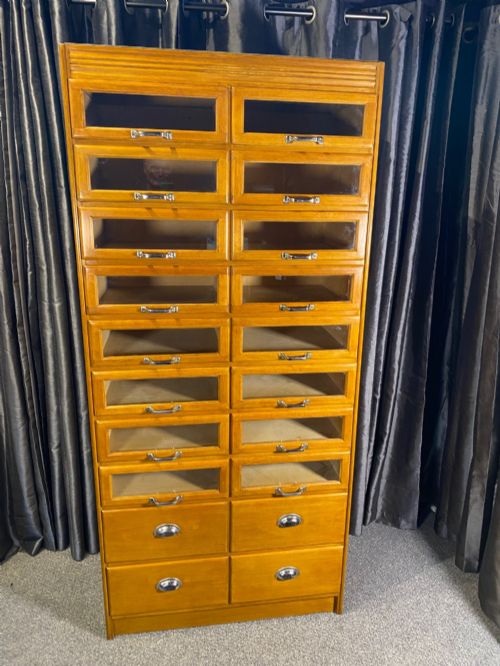
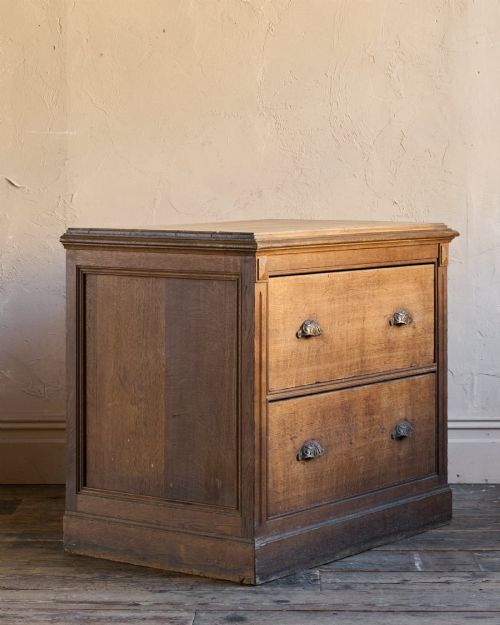
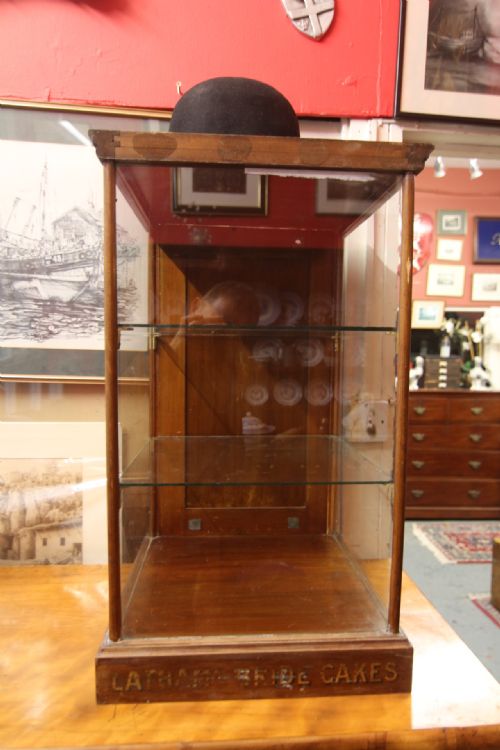
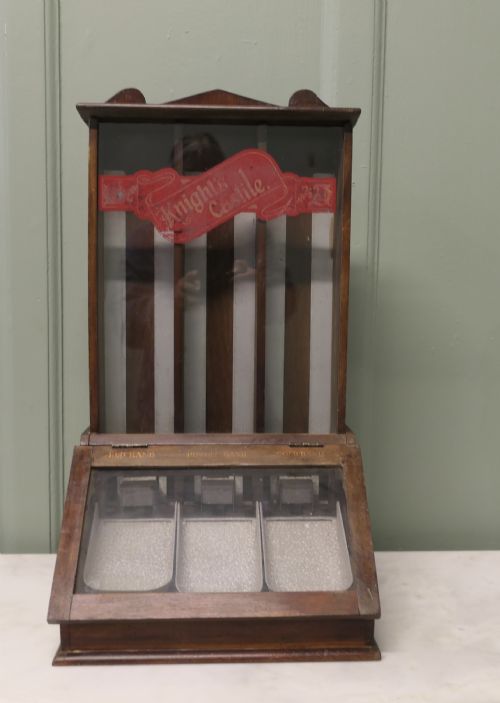
Most examples encountered here originate from the early twentieth century or late nineteenth century commercial sphere. Forms range from large shop display counters and countertop cabinets to sorting tables and specialised haberdashery units.
Makers and traders adapted these fixtures for everyday retail use, incorporating glass panels, brass fittings, and painted pine elements. The selection spans straightforward commercial grade items alongside more ornate Victorian or Gothic Revival interpretations.
Materials and construction
Construction relies heavily on sturdy oak timbers, occasionally paired with secondary woods like pine or mahogany for internal structure. Frameworks often incorporate glazed panels to protect goods while maintaining visibility.
Hardware details utilise brass and cast metal for handles, hinges, and mechanical dispensing parts. Some pieces display painted finishes or faux oak treatments applied over pine bases to mimic richer timbers.
Edwardian Oak Counter Retail Price Guide 2026
Typical asking prices for edwardian oak counter among the pieces listed under this phrase on Sellingantiques today, from the lower quarter to the upper quarter. They describe what is for sale here now, not the wider market.
Snooker scoreboards and brass table bells hide among the counters, ready to summon order to the room.
Judging quality in commercial furniture
Quality rests upon the integrity of the original timber frame and the retention of period glass and hardware. Pieces retaining uncompromised joinery and authentic signage exhibit superior craftsmanship.
The sophistication of the commercial application dictates the grade of the piece, distinguishing standard utility counters from specialised display cabinets and branded merchandising units.
F Sage & Co·Manoah Rhodes & Sons Ltd
The Edwardian Oak Counter Glossary
- Edwardian
- Relating to the reign of King Edward VII, spanning the early twentieth century. Pieces from this era often balance Victorian solidity with lighter domestic forms.
- Haberdashery cabinet
- A specialised storage unit featuring numerous shallow drawers, originally used for textiles and small notions. These fixtures are prized by collectors for organising small items.
- Countertop display cabinet
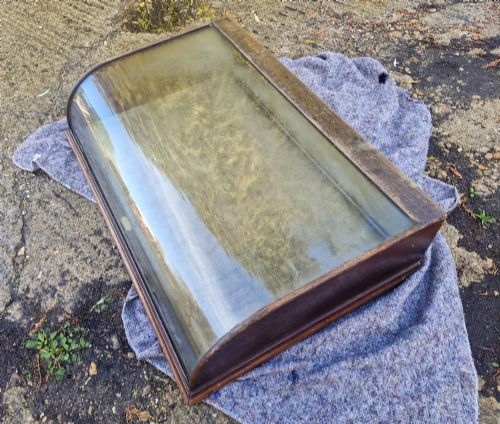
- A glazed enclosure designed to sit upon a shop counter to showcase merchandise to customers. They frequently feature rear doors for access by the attendant.
- Gothic Revival
- An architectural and decorative style drawing inspiration from medieval forms. Elements include pointed arches, heavy carvings, and ecclesiastical motifs.
Edwardian Oak Counter: Frequently Asked Questions
How were edwardian oak counter units used originally?
These counters served merchants and clerks as central work surfaces and secure display areas for retail goods. They organised products and facilitated transactions in shops, post offices, and commercial establishments.
Over time, specialised variations emerged for specific trades, housing everything from dry goods to delicate confectionary and watch parts behind glass or within specialised drawers.
Where can I place an edwardian oak counter at home?
Large counters anchor spacious kitchens or open plan living areas, serving as freestanding islands or room dividers. Their substantial timber surfaces provide durable workspace and storage.
Smaller countertop versions suit sideboards, desks, or specialised display niches where their glass panels can protect and showcase collections.
How do I distinguish edwardian pieces from earlier styles?
Edwardian furniture generally exhibits simpler lines and lighter proportions compared to the heavier, darker ornamentation typical of Victorian production. Timber selection often favours brighter oak.
Hardware and construction methods also offer clues, as early twentieth century commercial pieces frequently utilise standardised brass fittings and machine-cut joints.
What maintenance do these wooden counters require?
Routine care involves dusting with a dry cloth and occasionally applying suitable beeswax to nourish the oak timber. Avoiding direct sunlight and excessive moisture preserves the finish.
Glass panels and brass hardware benefit from gentle cleaning with appropriate solutions to maintain clarity and metallic lustre without damaging surrounding wood.