


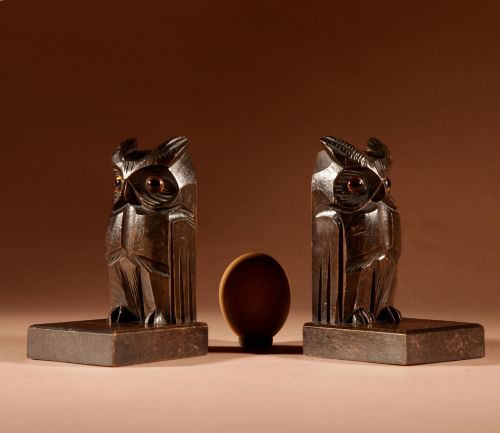


Edwardian Oak Accessory
These pieces of edwardian oak accessory bring useful practicality and period character to any interior, offering tangible charm for the discerning buyer.
Edwardian Oak Accessory
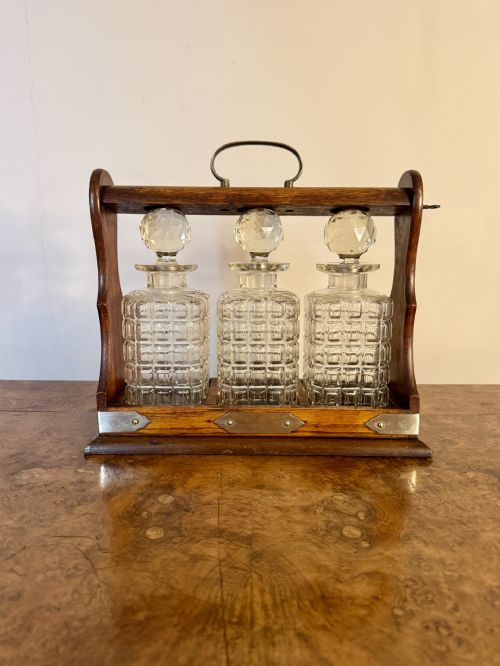
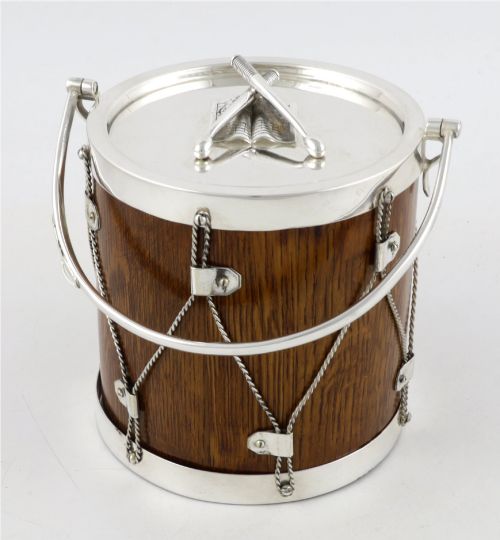
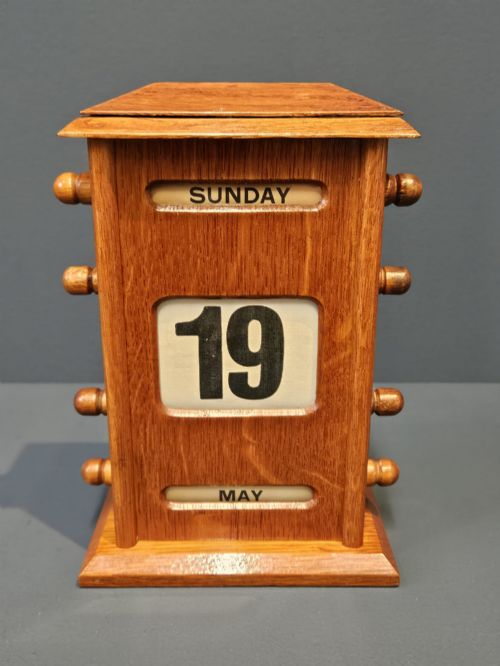
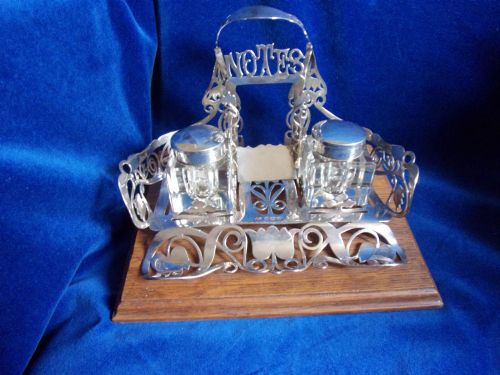
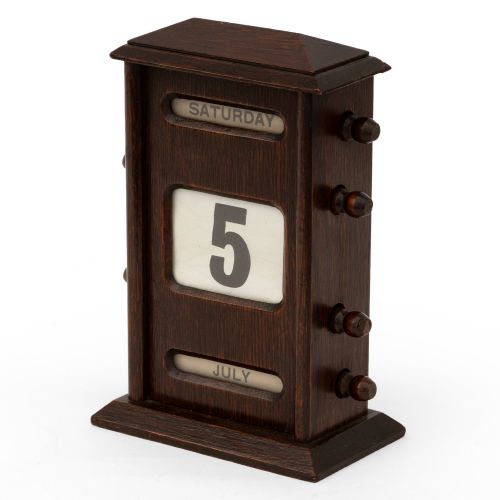
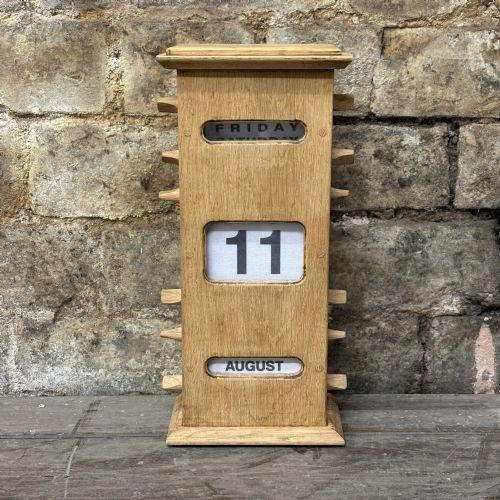
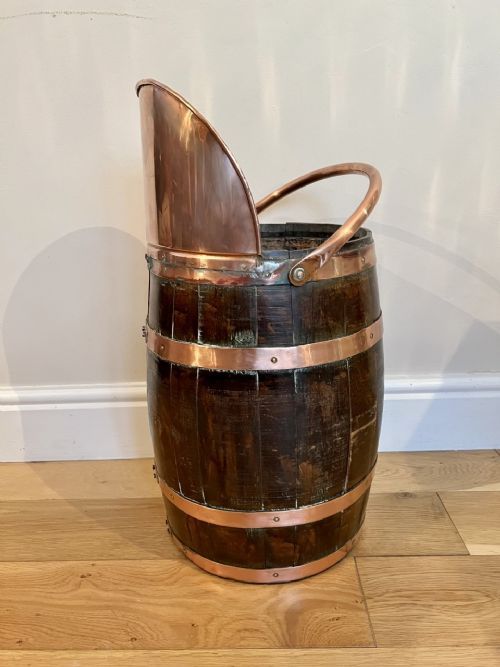
When searching for an edwardian oak accessory, collectors encounter a diverse array of functional items designed for the home, desk, and hearth. The selections span desktop items like perpetual calendars, ink stands, and book slides alongside fireside necessities such as coal scuttles and purdoniums.
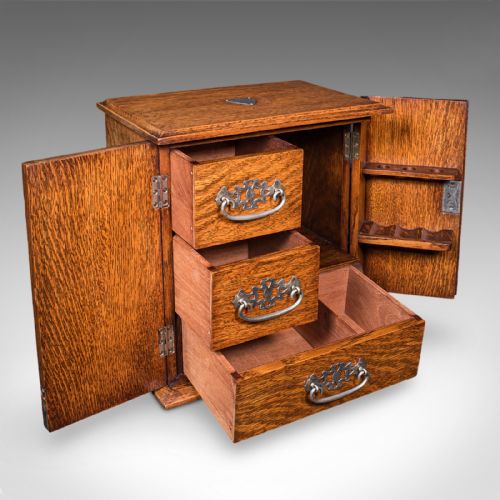
The pieces on this page lean heavily into the Edwardian era, supplemented by late Victorian items and early twentieth-century examples. Desk accessories and smoking cabinets appear frequently, reflecting the formal organisational needs of past domestic and professional spaces.
What varies in quality
The standard of carving and metalworking determines the upper tiers of quality in these items. Crisp hand-carved details, such as those found on Black Forest animal figures or Gothic revival panels, distinguish finer pieces from plainer utility wares.
Substantial mounts of heavy gauge brass or hallmarked silver elevate an ordinary wooden frame into a more distinguished object. The retention of original fittings, liners, and shovels preserves the integrity and historical completeness of the piece.
Edwardian Oak Accessory Retail Price Guide 2026
Typical asking prices for edwardian oak accessory among the pieces listed under this phrase on Sellingantiques today, from the lower quarter to the upper quarter. They describe what is for sale here now, not the wider market.
The listings show a strong representation of Edwardian and Victorian periods, with materials ranging from solid oak and brass to glass and silver plate.
Thornton Smith Co.·Thurston and Co.
The Edwardian Oak Accessory Glossary
- Standish
- A desk accessory comprising inkwells, pen trays, and sometimes a sander or bell, designed to hold writing materials in one central place. These portable writing stands were essential fixtures in nineteenth and early twentieth-century studies.
- Purdonium
- A household coal box, typically featuring a sloping front door and a dedicated interior metal liner to hold fuel cleanly. They often included a matching shovel stored in a side or back compartment.
- Perpetual calendar
- A desk device with adjustable rollers, cards, or dials allowing the user to display the correct day and date for any year. These mechanical items frequently incorporated durable oak frameworks.
- Book slide
- An extending wooden stand designed to hold a variable number of upright books between two decorative ends. Brass mechanisms typically allowed the platform to expand or contract smoothly.
- Menu holder
- A small desk or tabletop display stand used to hold dining menus or place cards during formal meals. They were frequently cast in silver or fashioned with metal clips attached to solid bases.
Edwardian Oak Accessory: Frequently Asked Questions
What is an edwardian oak accessory?
An edwardian oak accessory refers to functional and decorative household items made primarily from oak during the early twentieth century. These include desk tidies, ink stands, smoking cabinets, and book slides.
Such items were produced for domestic and professional use, combining utility with the distinct stylistic tastes of the period.
How were these pieces used originally?
Many of these items served specific organisational roles in studies, offices, and drawing rooms. Desk accessories managed correspondence and writing implements, while coal scuttles and purdoniums serviced the fireplace.
Smoking cabinets and game scoreboards provided dedicated storage and tallying functions for leisure pursuits in the home.
How do I care for oak desk pieces?
Oak items benefit from gentle dusting with a dry, soft cloth to prevent the accumulation of dirt in carved recesses. Avoiding direct sunlight and extreme humidity protects the timber from splitting.
Wax polish applied sparingly maintains the natural lustre of the wood without building up heavy residues over time.
How do I distinguish Edwardian from Victorian oak?
Victorian oak pieces often display heavier proportions, darker finishes, and more elaborate Gothic or revival ornamentation. Edwardian items tend to feature lighter honey tones and simpler, more restrained lines.
Overlap in styles occurs around the turn of the century, requiring examination of construction methods and hardware for precise dating.