



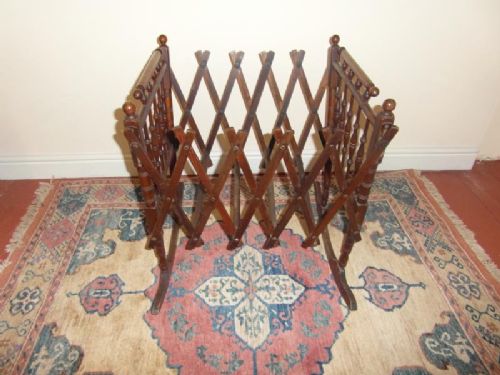


Edwardian Nursery Furniture
Edwardian nursery furniture brings timeless character into a room, offering authentic seating, cradles, and playthings shaped for children a century ago.
Edwardian Nursery Furniture
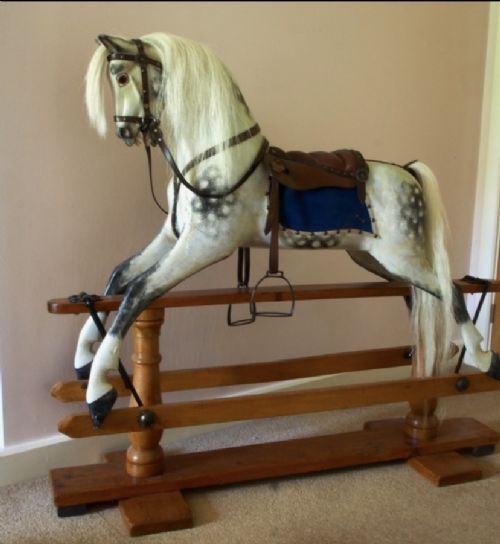
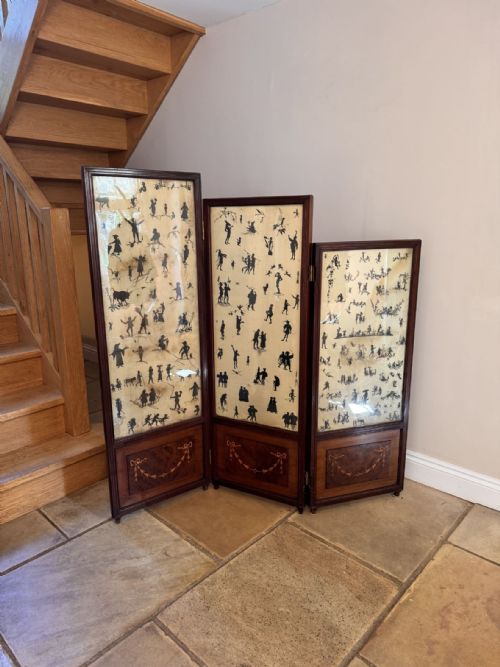
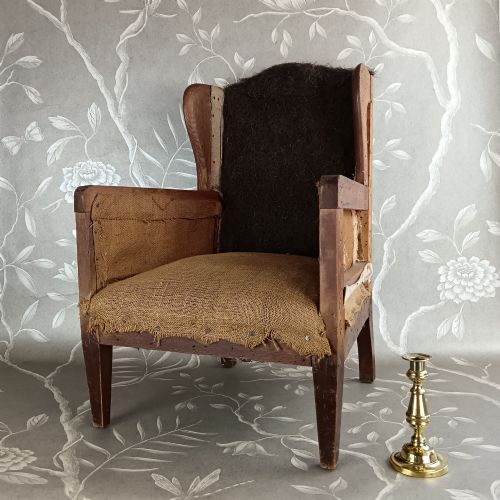
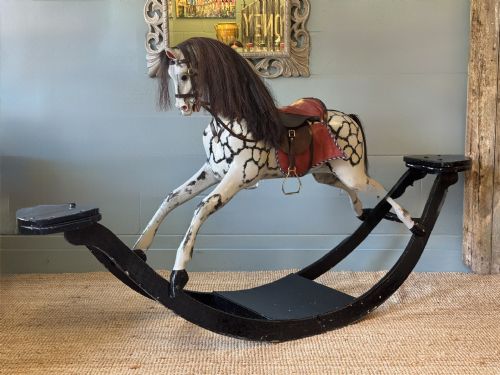
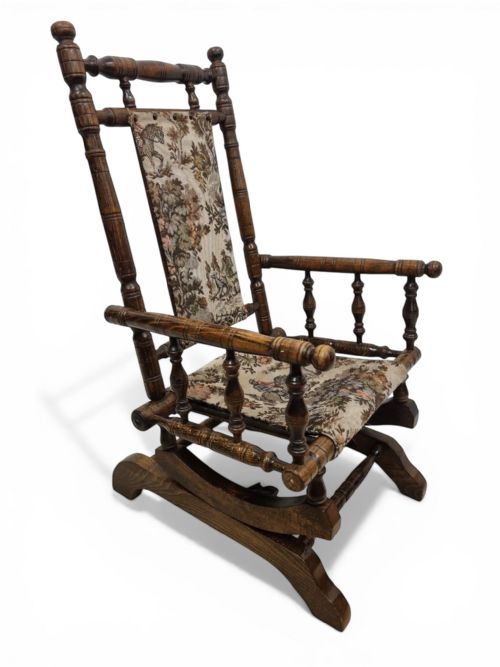
When you search for edwardian nursery furniture, you encounter items designed specifically for the care, rest, and entertainment of young children during the late nineteenth and early twentieth centuries. The selection spans practical seating like high chairs and armchairs alongside more specialised items including rocking horses, cribs, folding screens, and strollers.
The pieces on this page lean heavily into domestic domesticity, bridging the gap between adult styles of the period and the scaled-down dimensions required for children. You will frequently find examples originating from the Victorian era through to the early decades of the twentieth century, reflecting both formal parlor aesthetics adapted for youth and sturdy, functional pieces built for daily use.
How they were made
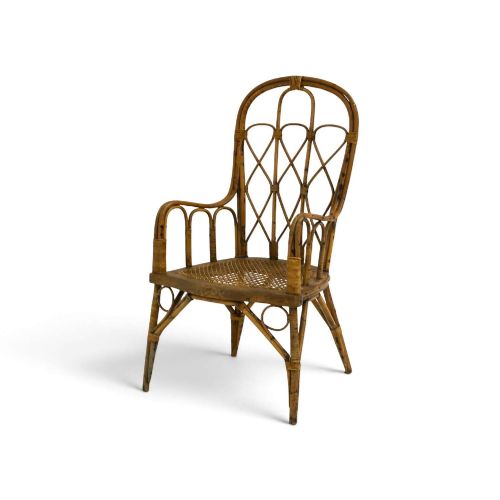
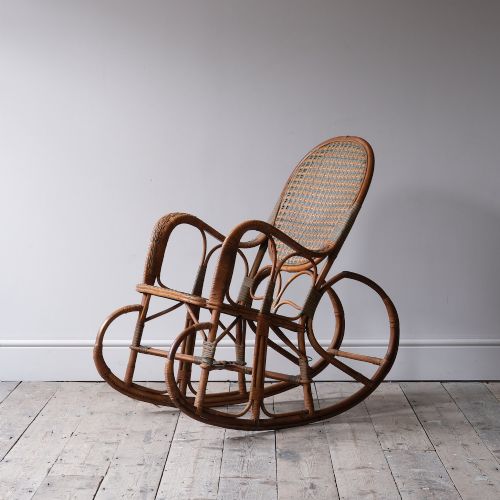
Makers relied predominantly on solid timber such as mahogany, often pairing the wooden frames with woven cane, rattan, or bergere panels for seating and cribs. Metal components, brass fittings, and wrought iron appear in structural joints, folding mechanisms, and wheeled strollers.
Upholstery techniques utilised traditional fillings like horsehair covered in leather, tapestry, or various fabrics. Woodworking methods included careful joinery, decorative inlay work, and shaped frames that mirrored prevailing furniture styles like Queen Anne and Victorian faux bamboo.
Edwardian Nursery Furniture Retail Price Guide 2026
Typical asking prices for edwardian nursery furniture among the pieces listed under this phrase on Sellingantiques today, from the lower quarter to the upper quarter. They describe what is for sale here now, not the wider market.
Listings feature mahogany, cane, leather, brass, and horsehair across items spanning the Victorian and Edwardian periods.
What varies in quality
The distinction between standard utility items and finer nursery pieces rests on the choice of materials and the sophistication of the woodworking. Superior examples incorporate high-grade mahogany, intricate inlay, or caned panels executed with exceptional tightness and regularity.
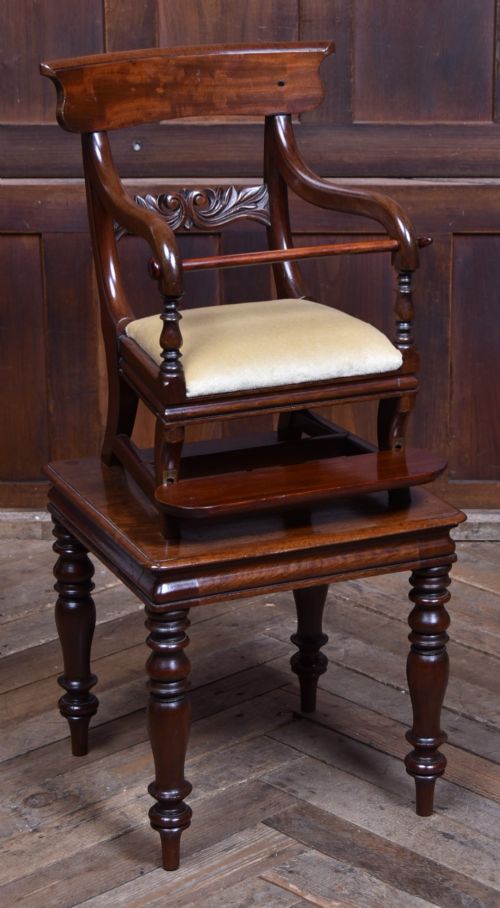
Construction methods also dictate worth, as seen in complex metamorphic designs that transform from high chairs to low seats, or branded items bearing attribution to notable makers and retailers. The survival of original upholstery materials, working iron mechanisms, and authentic surface patination elevates certain pieces well above basic domestic work.
G & J Lines of London·Heals and son
The Edwardian Nursery Furniture Glossary
- Metamorphic
- Furniture engineered to transform from one form into another, such as a high chair converting into a low armchair with a play table. This clever mechanics allowed growing children to use a single item for multiple purposes.
- Bergere
- A type of enclosed upholstered armchair with a wooden frame where the sides and back are frequently filled with woven cane or rattan. It provides a lightweight yet supportive structure.
- Caning
- A method of weaving peeled rattan or cane strips into decorative patterns for chair seats and crib panels. Skilled caning results in an even, resilient mesh.
- Tapestry
- Heavy woven fabric featuring pictorial or geometric designs used historically to upholster Victorian and Edwardian seating. It adds texture and colour to children's armchairs.
- Inlay
- A decorative technique where contrasting materials such as lighter wood or shell are inserted into recesses cut into the primary wood surface. This ornamentation defines refined Edwardian cabinetry.
Edwardian Nursery Furniture: Frequently Asked Questions
What is metamorphic nursery furniture?
Metamorphic pieces are dual-purpose items designed to adapt as a child grows, most commonly seen in high chairs that fold down into low chairs and play desks.
This engineering provided practical economy in period households, allowing a single wooden piece to serve multiple domestic functions over several years.
How do I identify Edwardian pieces?
Edwardian items typically display lighter proportions, simpler mahogany framing, and refined inlay work compared to heavier, darker Victorian predecessors.
Dates are estimated through stylistic traits, construction methods, and occasional retailer stamps found on the wood or hardware.
Were cradles made of metal?
Yes, alongside traditional timber cribs, manufacturers produced specialised items like wrought iron rocking cribs during the Edwardian period.
These metal frames offered robust durability and often featured integrated rocking mechanisms on curved bases.
Can I use these items daily?
While many pieces remain structurally sound, antique nursery items from this era are generally appreciated today as decorative display objects or collector pieces.
Modern safety standards for children's furniture have evolved significantly since the nineteenth and early twentieth centuries.