

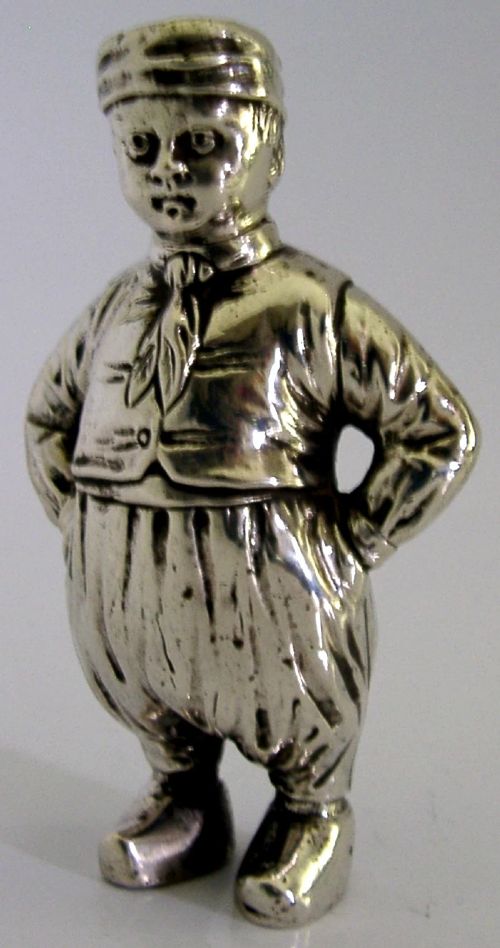


Edwardian Novelty Silver Pots
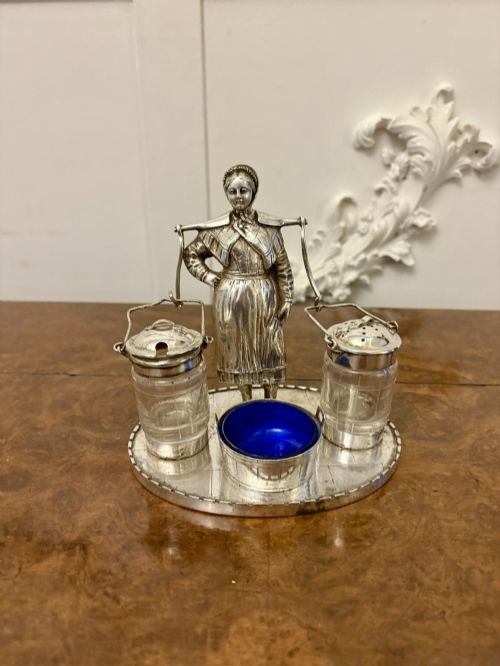
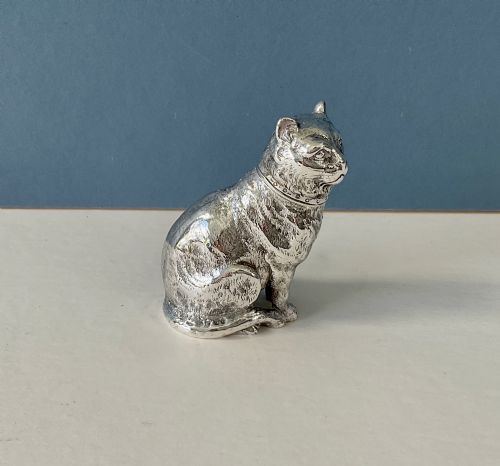
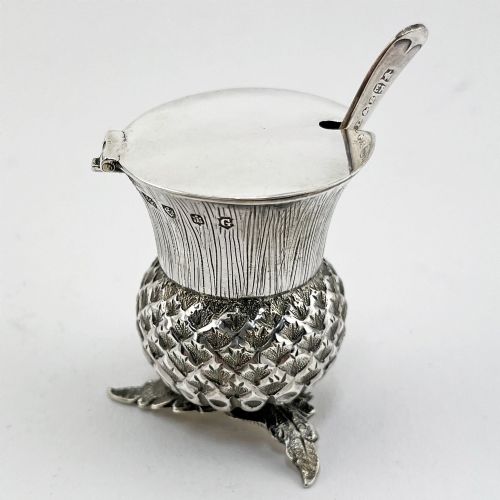
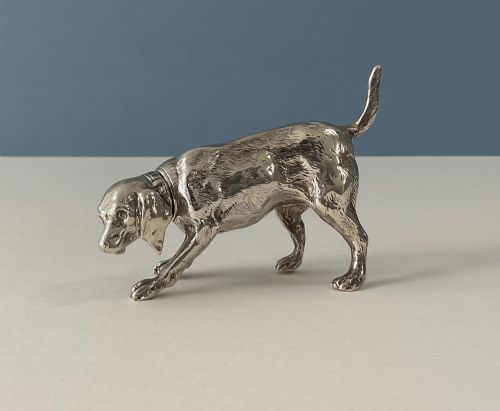
These edwardian novelty silver pots are playful condiment containers and desk pieces shaped as animals, birds, and plants that bring character to a dining table.
Edwardian Novelty Silver Pots
When you search for edwardian novelty silver pots, you encounter a selection of whimsical condiment and desk containers shaped as animals, birds, flowers, and everyday objects. The pieces appearing here predominantly date from the Edwardian period and the early twentieth century, alongside select Victorian and George V examples.
The most common forms you meet are pepper pots, condiment sets, and mustard pots, often modelled as cats, dogs, owls, chicks, watering cans, and thistles. Alongside these dining table pieces, the listings include preserve pots, sugar boxes, and inkwells executed with the same whimsical spirit.
How they were made
The makers of these items relied primarily on sterling silver and solid silver, shaping the metal through casting, chasing, and hammering to achieve lifelike textures in feathers, fur, and plant petals. Several examples incorporate internal glass liners, notably cobalt blue glass, to hold condiments safely without tarnishing the metal interior.
Techniques varied from simple sheet construction with applied details to heavy cast figures requiring intricate hand-chasing. Silver plate and 800 silver also appear across the selection, demonstrating how different workshops adapted their materials to both domestic and continental markets.
Edwardian Novelty Silver Pots Retail Price Guide 2026
Typical asking prices for edwardian novelty silver pots among the pieces listed under this phrase on Sellingantiques today, from the lower quarter to the upper quarter. They describe what is for sale here now, not the wider market.
The selection includes sterling silver, solid silver, 800 silver, and silver plate alongside cobalt blue glass liners.
What varies in quality
The distinction between ordinary and exceptional examples rests on the crispness of the modelling and the fidelity of the naturalistic detail. A piece where feather work, facial expressions, and anatomical proportions are rendered with precision immediately separates itself from simpler, mass-produced items.
Maker attribution and structural integrity also dictate standing. Pieces bearing clear marks from renowned workshops, retaining their original glass liners, and functioning as intended without wear to the hinged lids command greater appreciation from collectors.
Hukin and Heath·Sampson Mordan
The Edwardian Novelty Silver Pots Glossary
- Pepperette
- A small shaker or pot designed specifically for dispensing ground pepper at the table. These often take whimsical forms in novelty cruets.
- Cruet set
- A matched collection of bottles, pots, or shakers for holding table condiments such as oil, vinegar, salt, pepper, and mustard. They frequently sit together on a dedicated stand or tray.
- Sterling silver
- A standard alloy consisting of a high proportion of pure silver combined with other metals to ensure durability. It forms the primary material for the majority of these domestic items.
- Cast silver
- Silver that has been melted and poured into a mould to create a three-dimensional shape. This technique allows for the detailed figural forms seen in animal and plant novelties.
Edwardian Novelty Silver Pots: Frequently Asked Questions
What were novelty silver pots used for?
These whimsical vessels served primarily as functional table condiments for pepper, mustard, and salt during formal or domestic meals. Desk accessories such as inkwells and sugar boxes were also produced in these playful shapes to amuse guests.
Their clever designs turned everyday dining and writing routines into subjects of conversation. Hosts used them to display wit and taste through miniature sculptures that doubled as tableware.
How do I know if a piece is Edwardian?
Edwardian silver typically spans the reign of King Edward VII from 1901 to 1910, marked by stylistic lightness and naturalistic forms. Hallmarks stamped onto the silver provide the exact year of assay and the maker's mark.
Comparing the stylistic motifs, such as floral patterns or animal realism, alongside the official date letters helps confirm the period. Many pieces from this era reflect a continuation of late Victorian whimsy combined with cleaner Edwardian lines.
Are these silver pots safe to use?
Most pieces intended for holding wet condiments like mustard or jam feature glass liners that protect the silver from corrosion and food acids. Cobalt blue glass liners are common in these containers.
Careful cleaning with appropriate silver polish keeps the exterior bright while avoiding abrasive contact with the internal linings. Modern owners often continue to use them for their original dining purposes.
Why do some novelty pots have glass inserts?
Glass liners were essential for containing moisture-heavy substances like mustard and preserves that would otherwise react with and tarnish the silver. Cobalt blue glass was a popular choice for aesthetic contrast against the polished metal.
These removable inserts made cleaning straightforward and protected the structural integrity of the outer silver casing over years of daily service.