



Edwardian Metal Sculpture
Edwardian metal sculpture brings together cast bronze, copper, and spelter in animalier figures, inkwells, and garden statues made around the turn of the twentieth century.
Edwardian Metal Sculpture
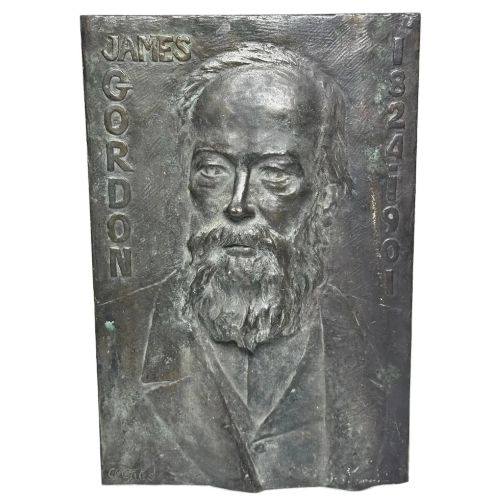
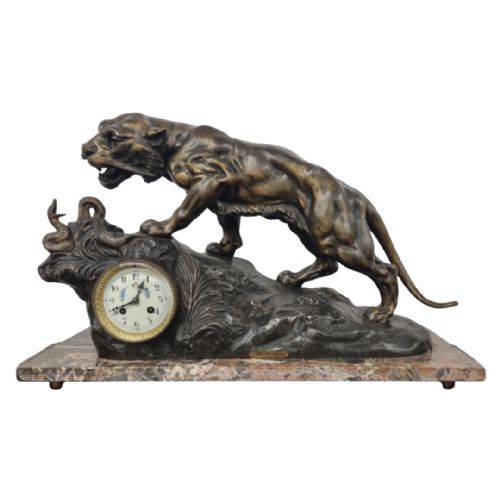
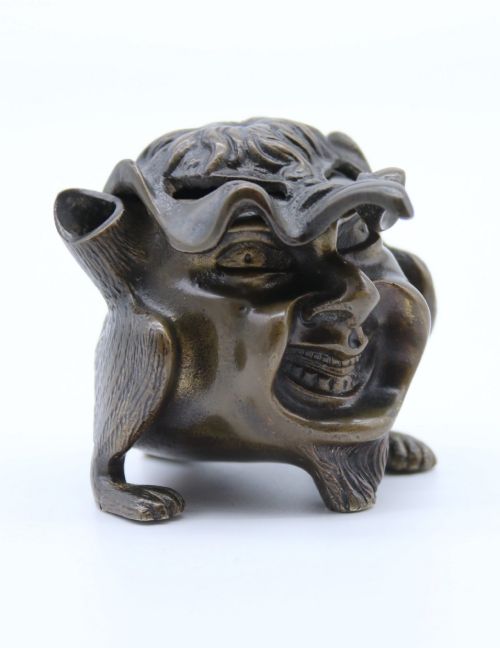
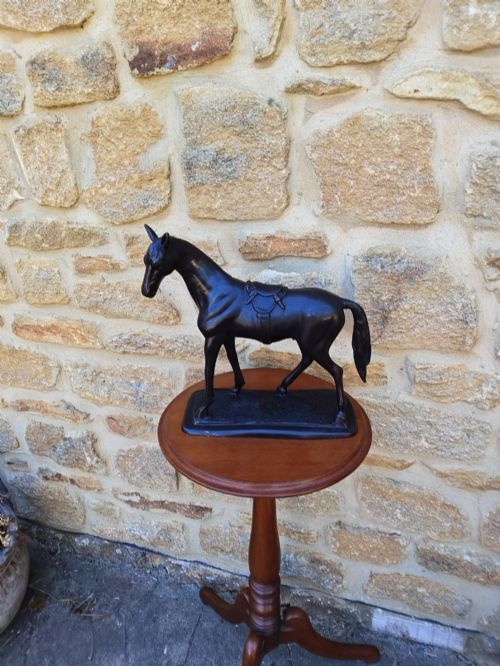
Edwardian metal sculpture encompasses a diverse group of objects spanning desk accessories, mantel clocks, garden ornaments, and standalone animal figures. The pieces found on this page range from portrait bronzes and inkwells to heavy cast iron garden cannons, weather vanes, and decorative plaques.
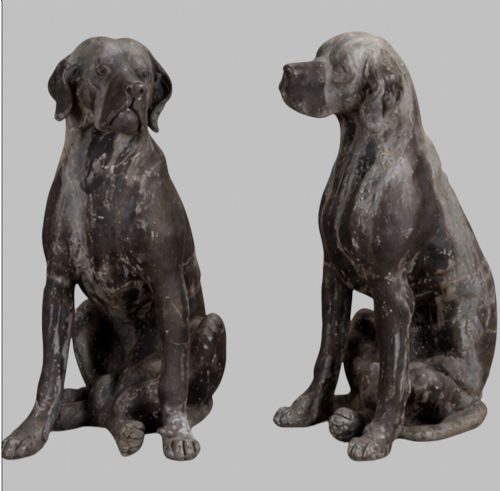
Makers and foundries of the period produced both solid bronze animal studies and more affordable spelter alternatives, often utilising cold painted surfaces to add realistic colour. Animalier subjects dominate the selection, featuring horses, dogs, lions, tigers, and exotic creatures such as rhinos and ibexes.
The objects date primarily from the Edwardian era and the early twentieth century, with some roots in late Victorian manufacturing. Buyers will encounter domestic items like desk tidies alongside larger architectural elements such as copper weather vanes and cast iron crests.
Materials and construction
Foundries relied heavily on casting techniques, using bronze for high-detail portraiture and animalier subjects, while spelter and zinc alloys provided a less costly alternative for decorative figures and lamps. Cast iron served for robust outdoor pieces including garden statues and heavy cannons.
Surface finish defines much of the visual appeal, with cold painting applied to bronze and spelter figures to render naturalistic plumage and fur. Copper was shaped into functional weather vanes and novelty items, while mounts frequently incorporated secondary materials like onyx bases.
Edwardian Metal Sculpture Retail Price Guide 2026
Typical asking prices for edwardian metal sculpture among the pieces listed under this phrase on Sellingantiques today, from the lower quarter to the upper quarter. They describe what is for sale here now, not the wider market.
The selection includes functional desk accessories such as inkwells and pen trays alongside sculptural animal figures.
Distinctions in quality
The choice of base metal dictates longevity and weight, with solid bronze pieces holding a distinct advantage over softer spelter or zinc alloy castings that show wear more readily. Integrity of the original surface patina and paintwork preserves the intended character of the piece.
Alice Gates·R Varnier·Asprey Of London
The Edwardian Metal Sculpture Glossary
- Spelter
- A zinc alloy used as a cheaper alternative to bronze for casting decorative figures and lamps. It is softer and lighter than bronze.
- Animalier
- A nineteenth and early twentieth century artistic style focusing on the realistic depiction of animals, particularly in bronze.
- Cold painted
- A technique where paint is applied to metal sculptures without subsequent firing in a kiln. This finish is delicate and prone to flaking.
- Inkwell
- A small pot or reservoir for holding liquid ink, frequently incorporated into desk tidies with animal figures. These often feature hinged lids.
- Weathervane
- An outdoor architectural instrument mounted to show the direction of the wind, commonly fashioned from sheet copper during this period.
Edwardian Metal Sculpture: Frequently Asked Questions
What is cold painted bronze?
Cold painted bronze refers to metal sculptures finished with oil-based paints that dried naturally rather than being fired in a kiln.
This technique was especially popular in Vienna during the late nineteenth and early twentieth centuries to give animal figures lifelike colours.
How do I clean a bronze inkwell?
Bronze objects require minimal intervention to preserve their historic surface appearance and accumulated patina over time.
Dust gently with a soft brush and avoid using metal polishes or harsh liquids that strip the original colouring.
Are spelter figures fragile?
Spelter is a softer zinc-based alloy than bronze, meaning it bends and snaps more easily under pressure or impact.
Owners should handle these statues with care, supporting heavier bases rather than lifting them by slender extremities.
Why are some animals depicted with grotesque features?
Victorian and Edwardian decorative arts frequently drew on fantasy and mythological tropes for desk accessories and inkwells.
Sculptors blended realistic anatomy with whimsical or grotesque elements to amuse writers and collectors in their studies.