


Edwardian Metal Lighting
Edwardian metal lighting brings structural integrity and decorative flair to interiors through durable brass, copper, and bronze fittings.
Edwardian Metal Lighting
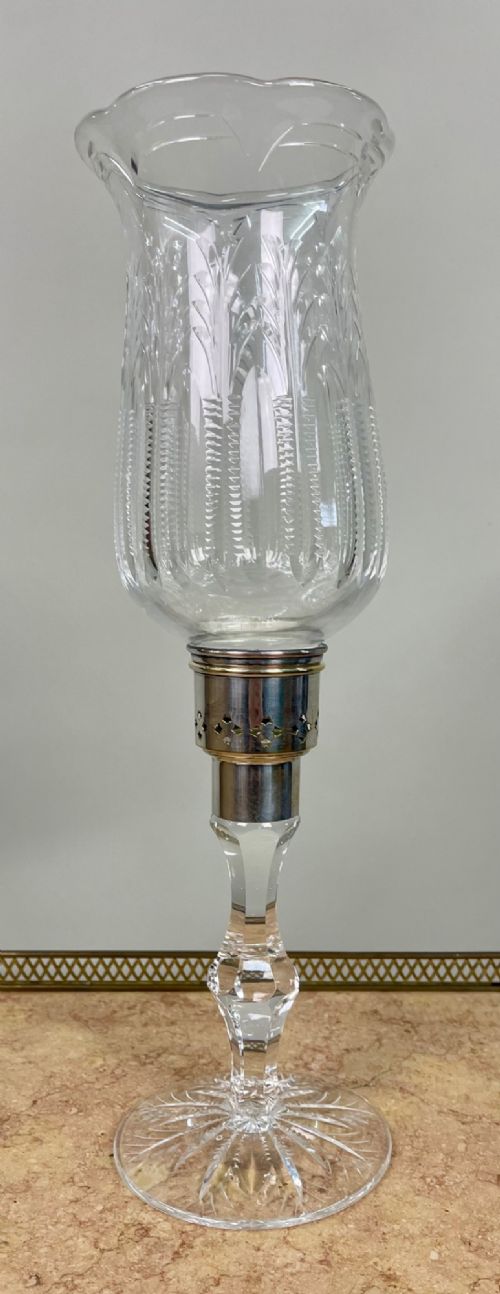
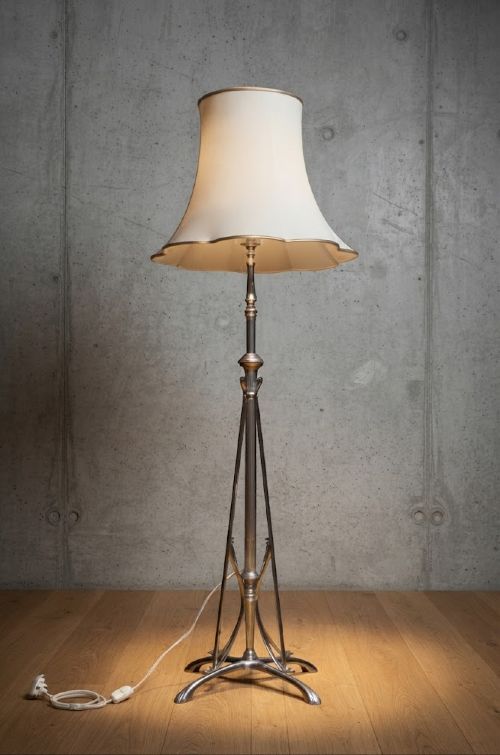
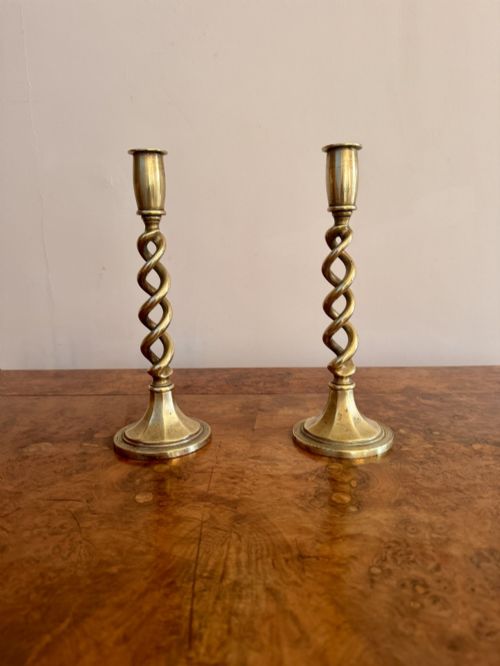
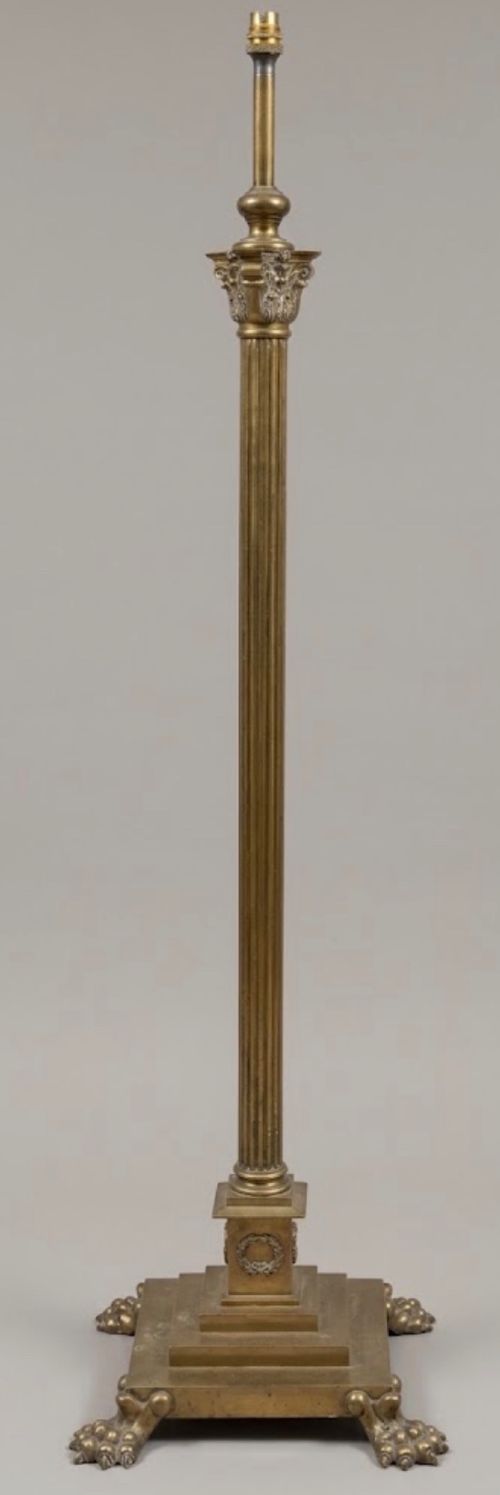
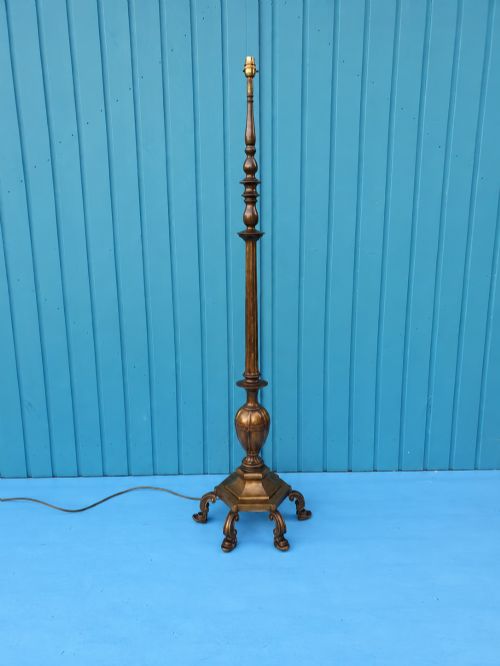
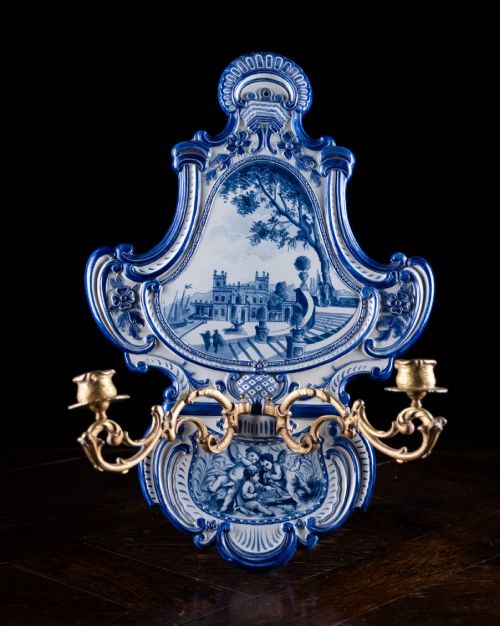
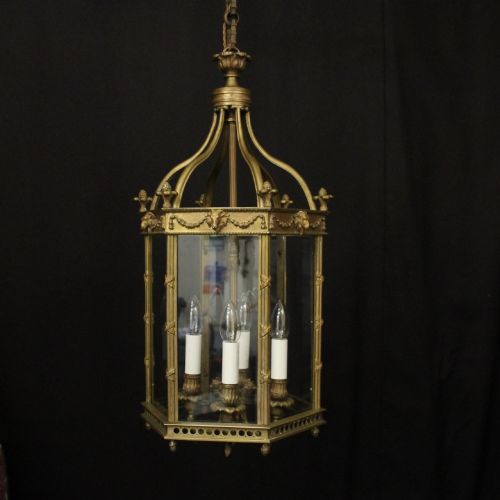
Edwardian metal lighting encompasses a variety of functional domestic fixtures produced around the turn of the twentieth century, focusing primarily on illumination through portable and fixed forms. Buyers searching for edwardian metal lighting will encounter standard lamps, chandeliers, wall sconces, and table lamps designed to suit domestic spaces of the period.
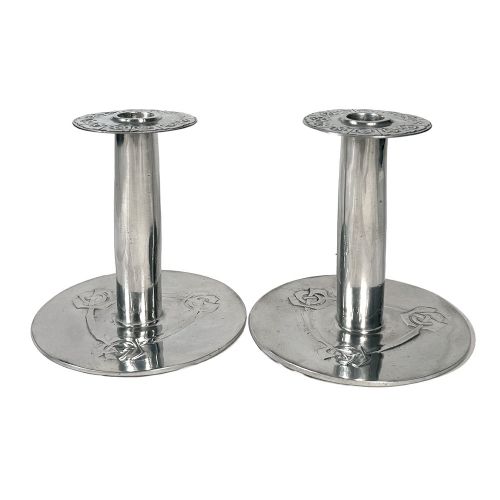
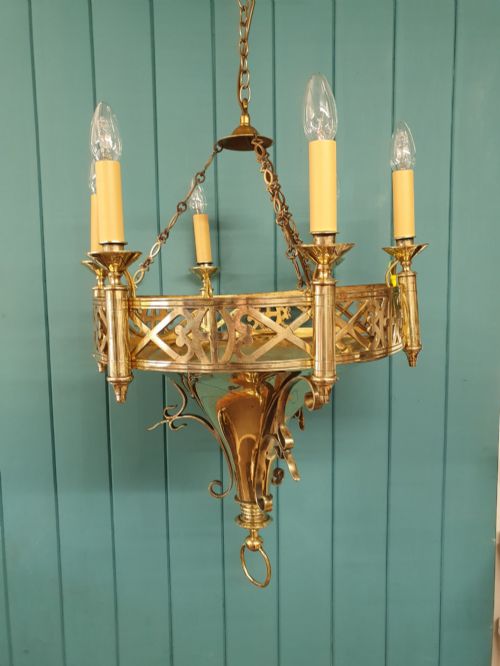
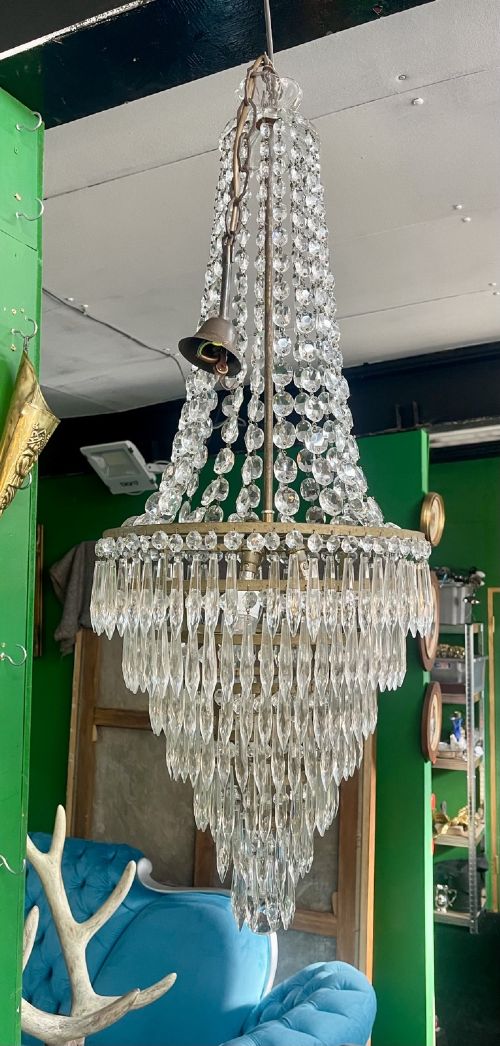
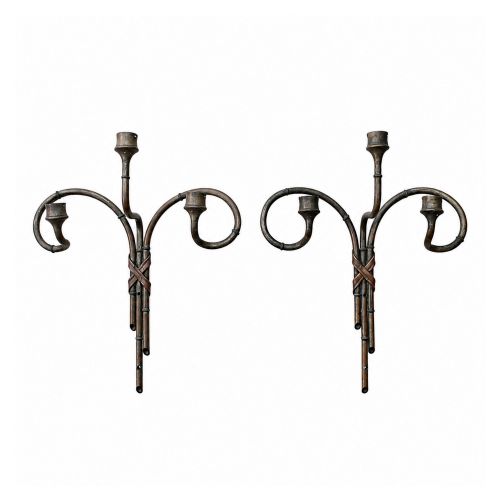
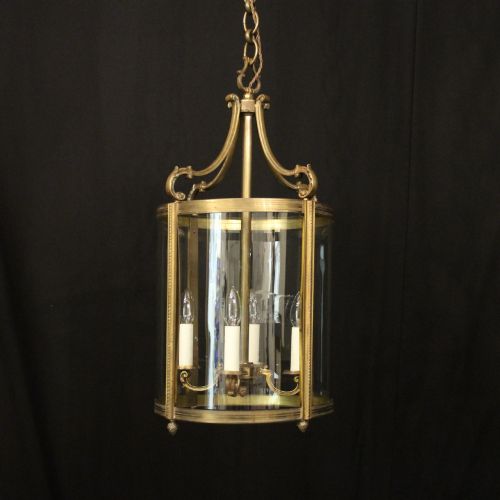
The objects span multiple stylistic influences popular during the early twentieth century, including Arts and Crafts designs, Art Nouveau curves, and period revivals in brass, copper, and bronze. These pieces range from simple utilitarian chambersticks to elaborate multi-light chandeliers featuring bevelled glass and crystal prisms.
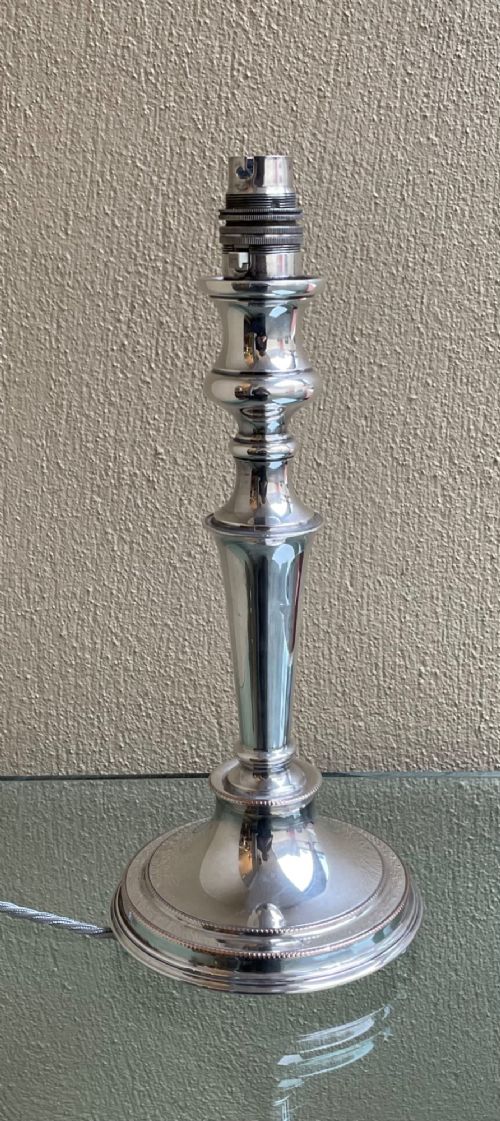
Table lamps and wall brackets dominate the selection, often incorporating mixed metals like silver plate and wrought iron alongside traditional brass components. Many fixtures reflect the transition from gas lighting to electricity, retaining historical proportions while accommodating modern wiring.
Materials and Construction Techniques
Makers utilised cast and spun brass, hammered copper, and patinated bronze as primary structural materials, shaping them through founding, spinning, and hand-beating. Artisans often combined these metals with glass shades, crystal prisms, and fabric elements to diffuse light effectively.
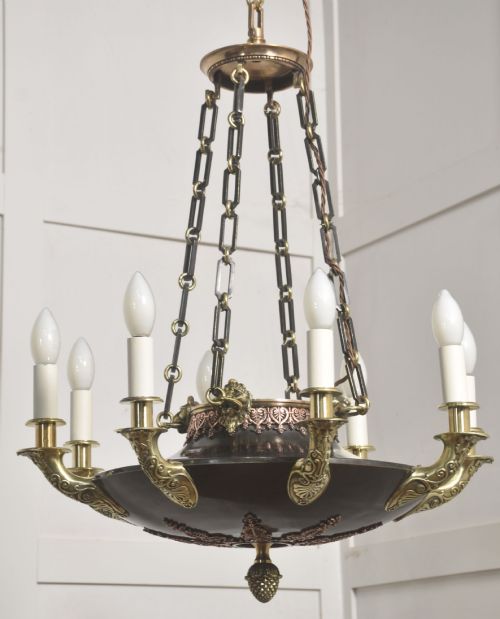
The Arts and Crafts pieces show visible hammer marks and construction rivets, celebrating manual labour and honest joining methods. In contrast, French Empire and classical revival fixtures employ chased gilding, marble bases, and precision casting for formal decorative effect.
Edwardian Metal Lighting Retail Price Guide 2026
Typical asking prices for edwardian metal lighting among the pieces listed under this phrase on Sellingantiques today, from the lower quarter to the upper quarter. They describe what is for sale here now, not the wider market.
Some travelling reading lamps fold down neatly into pocket-sized metal cases for the Victorian commuter.
Distinctions in Manufacture and Design
Quality in these metal fixtures rests on the thickness of the gauge, the crispness of the casting, and the integrity of the original surface patination. Superior examples display substantial weight in the base and carefully articulated details rather than mass-produced stamped ornamentation.
The refinement of the decorative motifs, such as organic whiplash lines on Art Nouveau pieces or hand-beaten textures on copper items, separates standard workshop output from exceptional commissions. Maker attribution and original components like bevelled glass panels also elevate the standing of individual fixtures.
Archibald Knox for Liberty and Co·WAS Benson·Veritas Lamp Works·G.E.C
The Edwardian Metal Lighting Glossary
- Chamberstick
- A small portable candlestick featuring a pan base and a handle, designed for carrying from room to room. These small brass and pewter items were common before widespread domestic electric lighting.
- Gilded Bronze
- Bronze metal treated with a thin layer of gold leaf or gold amalgam to create a bright, enduring finish. This technique appears frequently on French Empire style chandeliers and decorative table lamps.
- Silver Plate
- A thin coating of silver applied to a base metal substrate, usually copper or brass, to provide the appearance of solid silver. This finish gained popularity for domestic lighting during the late nineteenth and early twentieth centuries.
- Bevelled Glass
- Glass panes cut with an angled edge around the perimeter, fitted into metal lantern frames to refract light. It adds depth and sparkle to hallway and exterior fixtures.
- Standard Lamp
- A tall floor-standing lighting fixture designed to illuminate a room from an elevated position. Edwardian versions often include adjustable columns and heavy weighted bases for stability.
Edwardian Metal Lighting: Frequently Asked Questions
How do I wire antique metal lamps?
Rewiring requires running modern flexible cord through the original channels or tubing while preserving external metal components. Professional electricians should install modern lamp holders that meet current safety standards.
Historic insulation often degrades over time, making replacement essential for safe daily use. Care must be taken not to alter or damage structural brass and bronze housings during the rewiring process.
What metal types are most common?
Brass and copper appear most frequently in these lighting fixtures, often complemented by bronze and silver plate. These materials were chosen for their durability and malleability.
Different finishes reflect distinct design movements, with hammered copper defining Arts and Crafts objects and polished brass supporting traditional Edwardian interiors.
How do I clean antique brass?
Cleaning should be restricted to removing surface dust with a soft, dry cloth to preserve the historic patination. Abrasive polishes strip away aged surfaces and diminish the character of the metal.
Handlers should avoid harsh chemical agents that can react negatively with vintage lacquers or exposed copper alloys. Gentle dusting protects the integrity of the original finish.
Were these fixtures converted from gas?
Many early twentieth-century wall lights and chandeliers started as gas fittings before households adopted electricity. Conversion typically involved running wires through former gas supply tubes.
Inspectors can identify these conversions by examining the internal threading and burner keys adapted into modern switch mechanisms. Such adaptations reflect the domestic electrification period.