






Edwardian Metal Bucket
An edwardian metal bucket is a fireside or utility vessel formed from brass, copper, or iron, prized for bringing utilitarian metalwork into domestic spaces.
Edwardian Metal Bucket
When searching for an edwardian metal bucket, buyers encounter sturdy vessels originally designed for hearthside fuel storage, kitchen duties, or hallway umbrella containment.
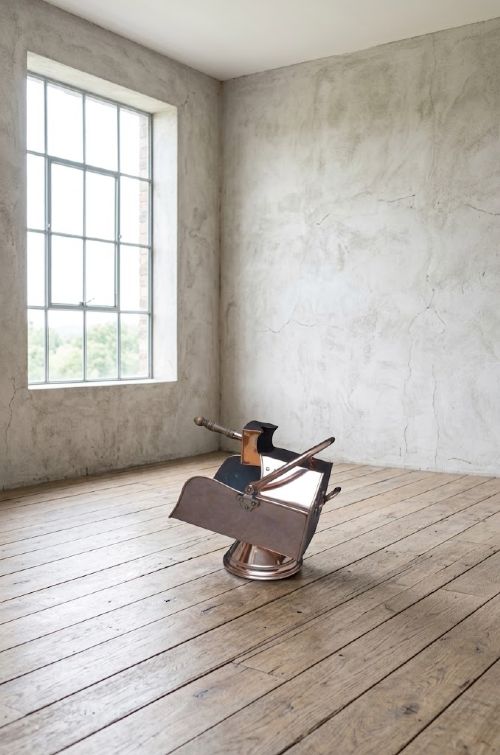
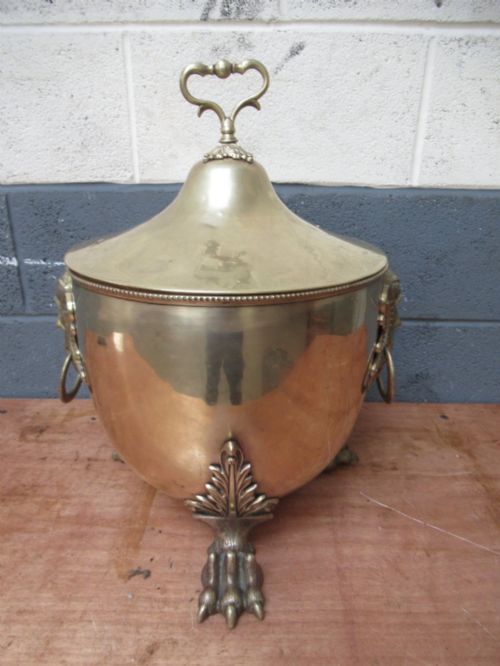
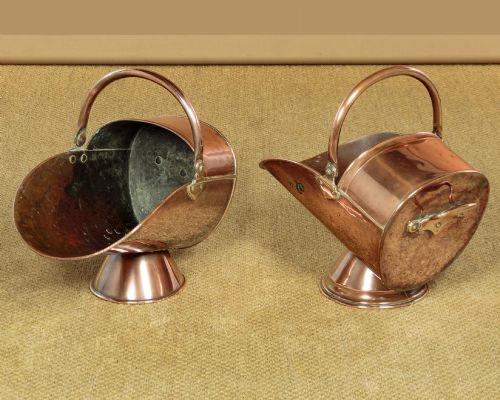
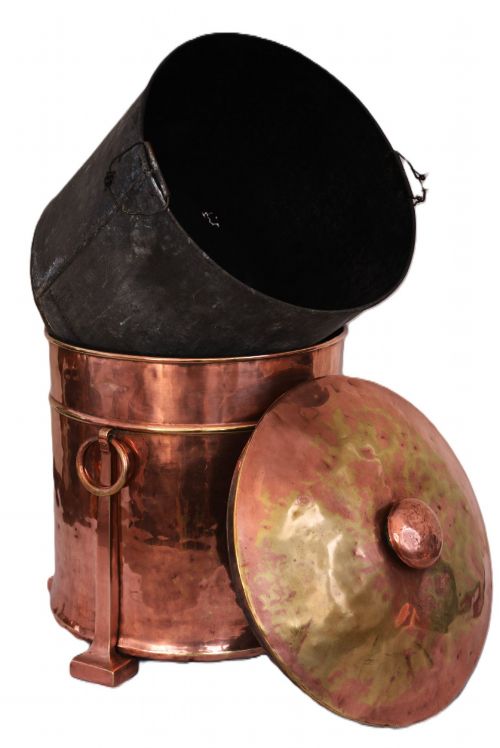
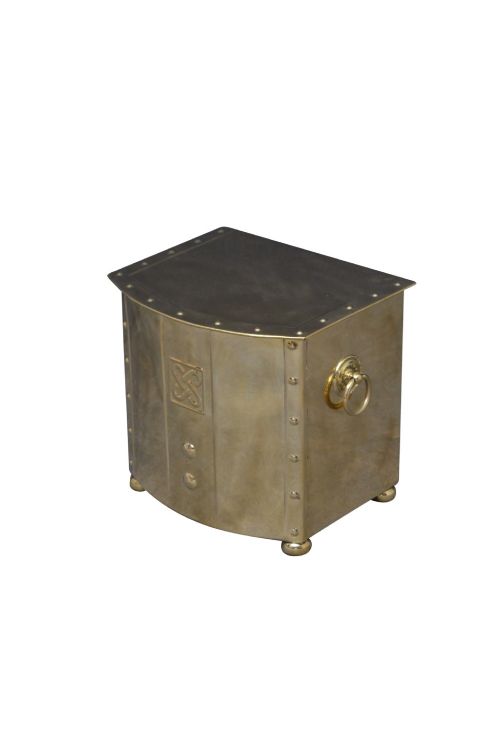
The most common examples on this page are copper and brass coal buckets, log bins, and helmet-shaped scuttles originating from the Edwardian era and the late nineteenth century.
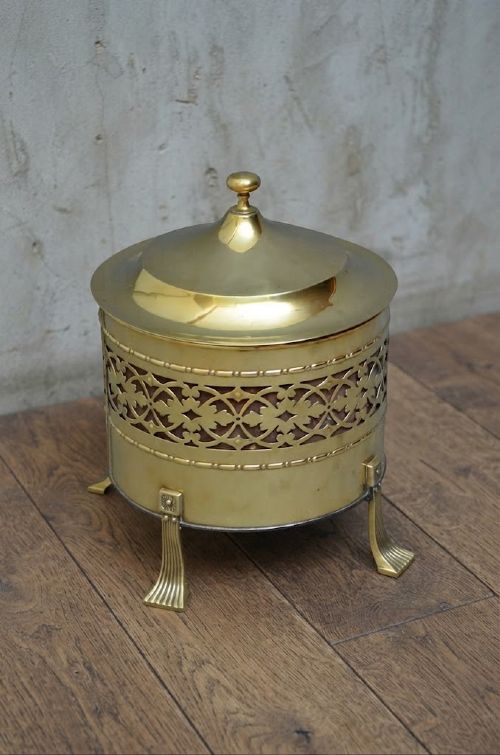
These items span forms such as cylindrical bins, lidded boxes, and open bowls, often doubling historically as planters or jardiniere stands.
How they were made
Items are principally constructed from sheet copper or brass, frequently combined with wrought iron frames, handles, and structural rivets.
Many feature hand-beaten surfaces and decorative fretwork panels characteristic of the Arts and Crafts and Art Nouveau movements.
Edwardian Metal Bucket Retail Price Guide 2026
Typical asking prices for edwardian metal bucket among the pieces listed under this phrase on Sellingantiques today, from the lower quarter to the upper quarter. They describe what is for sale here now, not the wider market.
Listings feature items spanning the Victorian era through the 1930s, utilising copper, brass, wrought iron, and painted sheet iron.
What varies in quality
Quality rests on the weight of the metal sheet, the integrity of riveted joints, and the crispness of hand-hammered detailing.
Examples retaining original iron frames, internal liners, and intact lids command greater technical interest than simpler production pieces.
The Edwardian Metal Bucket Glossary
- Coal Helmet
- A deep-backed coal scuttle with a flared rim resembling a traditional helmet, designed for pouring fuel cleanly onto a fire.
- Jardiniere
- An ornamental pot or receptacle, usually ceramic or metal, intended to hold live plants or flowers indoors.
- Toleware
- Painted or lacquered sheet metal items produced for domestic kitchen and household use.
- Fretwork
- Ornamental openwork created by cutting patterns through the face of the metal sheet.
Edwardian Metal Bucket: Frequently Asked Questions
What were edwardian metal buckets used for?
These vessels served primarily by the hearth to store coal, logs, or kindling for daily fires. Other variations functioned as kitchen utility buckets or hallway umbrella stands.
Over time, many transition into decorative planters or static fireside ornaments within domestic rooms.
How do I identify an Arts and Crafts metal bucket?
Arts and Crafts pieces typically display hand-beaten copper or brass surfaces, visible riveting, and stylized floral or geometric motifs. They often incorporate wrought iron handles or stands.
These details reflect a movement that valued visible manual construction over mass-produced uniformity.
Are these buckets waterproof?
While many copper and brass bins feature soldered or riveted seams that held dry fuel, older vessels can develop minor seepage over decades of use. Checking for an internal metal liner helps determine if a piece can safely hold potted plants.
Buyers intending to use them for live flora generally insert a secondary saucer or container.
How do I clean antique brass and copper?
Most collectors prefer to leave a natural aged patina on nineteenth and early twentieth-century metalwork rather than polishing it to a bright shine. Gentle dusting and occasional wiping with a soft, dry cloth preserve the historical surface.
Avoid harsh chemical abrasives that strip away the authentic oxidation built up over generations.