

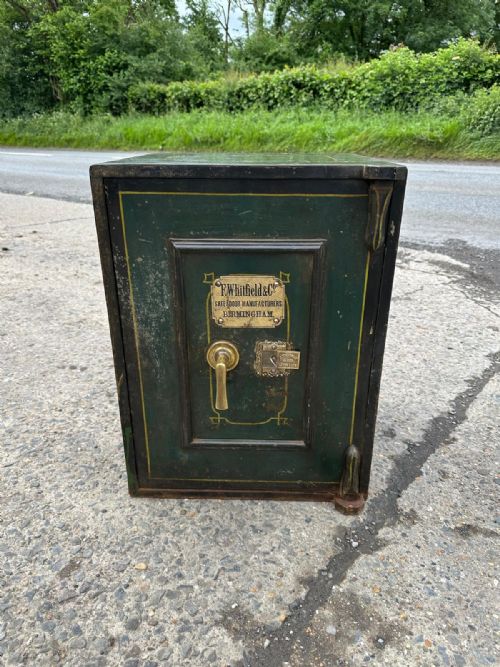

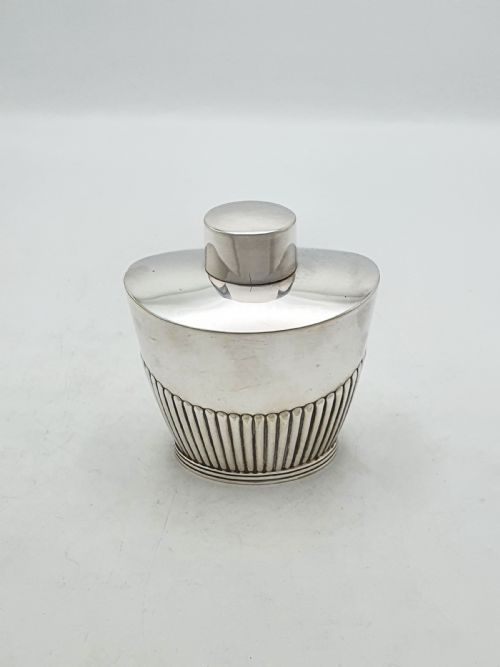
Edwardian Metal Box
When you handle an edwardian metal box, you hold a functional piece of daily life shaped by brass, copper, and iron.
Edwardian Metal Box
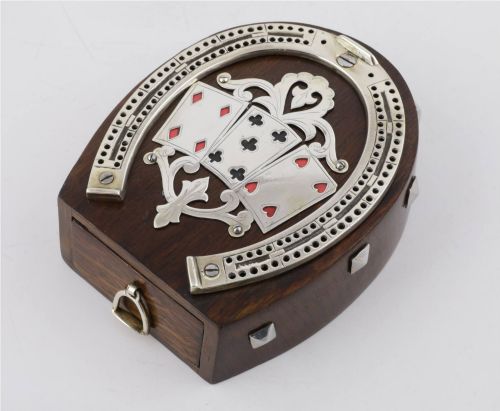
An edwardian metal box covers domestic storage forms like biscuit barrels, snuff boxes, and document tins originating around the turn of the twentieth century. These objects bridge utilitarian uses with decorative arts, drawing on overlapping periods from the late nineteenth century to the early decades of the 1900s.
The version most commonly encountered on this page combines brass or copper bodies with period styling such as Arts and Crafts or Art Nouveau motifs. Makers applied these metals to containers meant for fireside accessories, tobacco, and correspondence.
How they were made
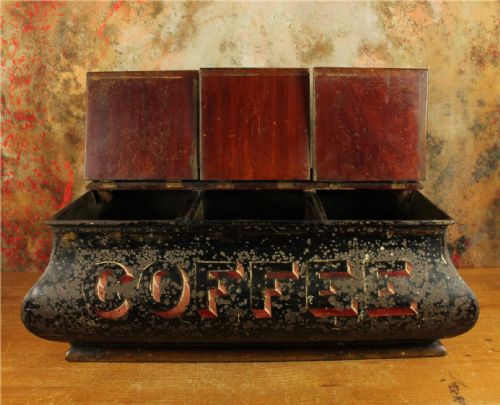
Craftsmen utilised sheet brass, copper, and iron, often combining wooden internal structures with steel bindings and silver plating. Toleware items received painted tin surfaces, whilst specific boxes incorporated applied pewter panels and enamel work.
Surface decoration relied on hand-hammered repoussé work, engraving, and applied mounts of cranberry glass or brass framing. Construction methods join metal panels with visible rivets, soldered seams, and hinged lids designed for daily handling.
Periods represented reach from the late nineteenth century through the Edwardian era into the nineteen thirties.
What varies in quality
Quality rests in the crispness of the hand-worked repoussé details and the substantial weight of the base metal. Superior examples display deliberate proportion and integrated decorative motifs rather than plain, thin sheet construction.
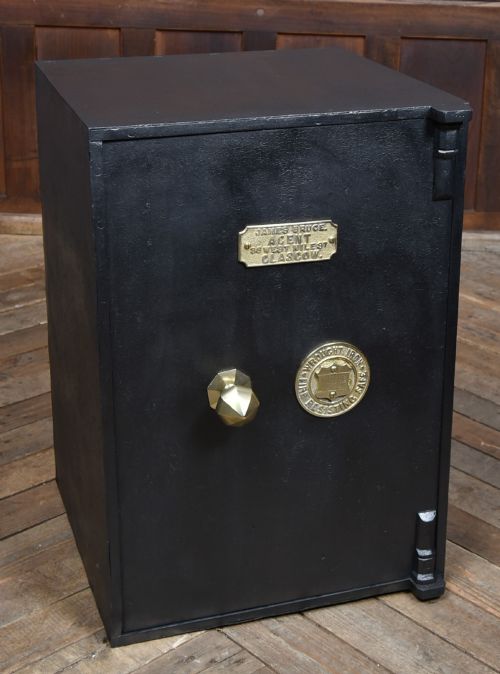
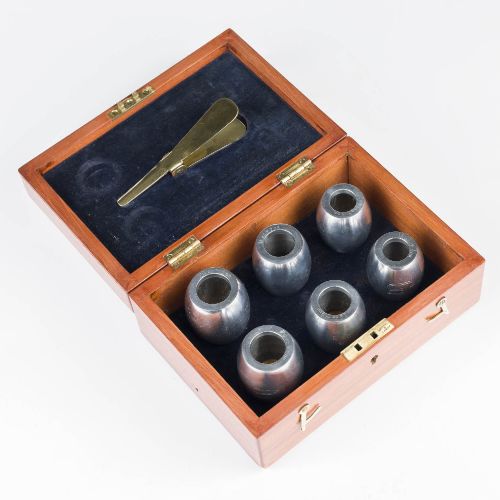
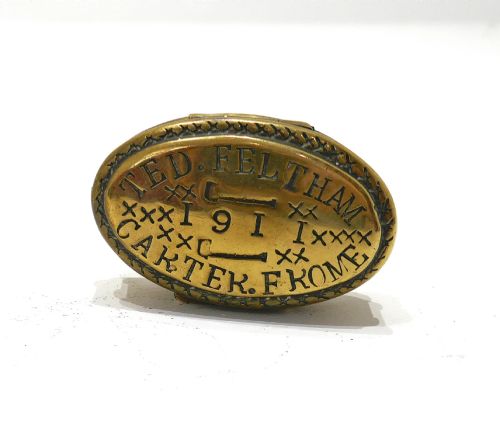
The integrity of hinges, locks, and internal velvet linings separates standard utility pieces from finer presentation items. Maker attribution and the clarity of engraved lettering further distinguish the upper tier.
De Grave Short And Co·James Bruce·F Whitfield And Co·Mappin And Webb·Thomas Bradbury·Huntley And Palmers
The Edwardian Metal Box Glossary
- Toleware
- Painted or lacquered metalware, typically tin, used for domestic storage containers and document boxes. This technique provided a durable, decorative finish for household items.
- Repoussé
- A metalworking technique where the artisan hammers the design from the reverse side to form a raised relief on the front. It defines much of the surface ornamentation on copper and brass boxes.
- Biscuit Barrel
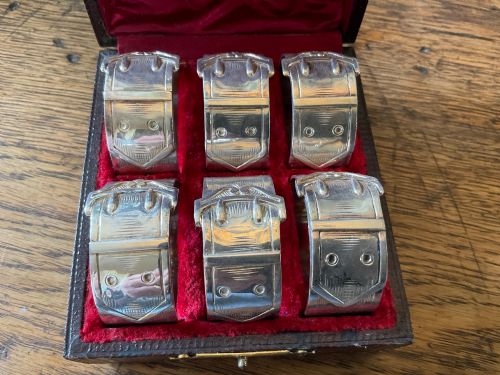
- A container designed to store baked goods for the parlour or dining table, often fitted with a ceramic body or glass liner inside a metal frame. These frequently feature silver-plated mounts and lids.
- Arts and Crafts
- A design movement valuing manual skill and traditional craftsmanship over industrial mass production. Objects from this aesthetic prioritize simple forms and visible construction marks.
- Art Nouveau
- A style characterised by flowing, organic lines and floral motifs inspired by natural forms. It appears on brass frames and decorative caskets from the period.
Edwardian Metal Box: Frequently Asked Questions
What were metal boxes used for?
These containers served practical roles in homes and offices, holding biscuits, tobacco, documents, and matches. They protected perishable goods and valuable papers from dust and moisture.
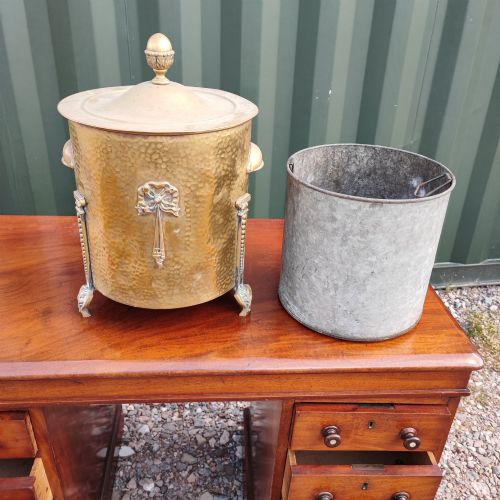
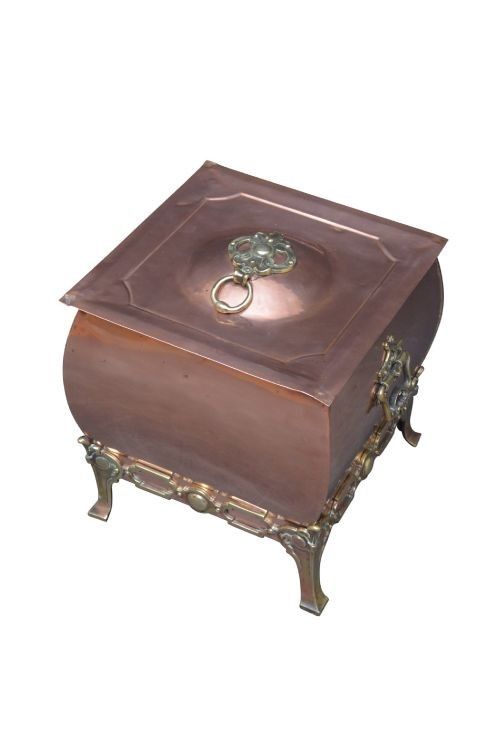
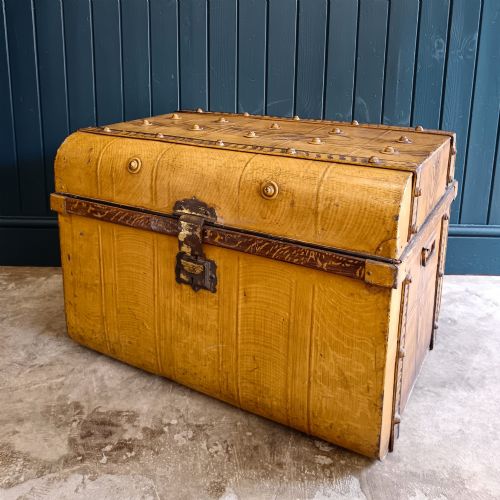
Larger versions functioned as travel trunks or coal scuttles by the fireside, combining utility with decorative presence in reception rooms.
How do I clean a brass box?
Dust the surface gently with a soft dry cloth to preserve any patination accumulated over the decades. Avoid abrasive polishes that remove the aged character and historic surface finish.
If the metal requires attention, use a mild, non-abrasive cleaner formulated specifically for brass or copper, working carefully around engraved details.
How do I date an edwardian metal box?
Examine the construction methods, hinges, and fastening types alongside any visible maker marks or engraved presentation dates. Style indicators like Art Nouveau curves or Arts and Crafts hand-hammering provide a clear timeframe.
Materials also offer clues, as early twentieth-century pieces frequently utilise specific brass alloys and silver plating techniques standard to the era.
Can I use these boxes for storage today?
Many of these containers remain entirely functional for holding modern items like keepsakes, cards, or desk accessories. Their sturdy metal construction and working hinges suit everyday use.
Ensure that delicate interiors, such as velvet or paper linings, match your intended storage needs to prevent wear on fragile historical materials.