


Edwardian Mahogany Trough
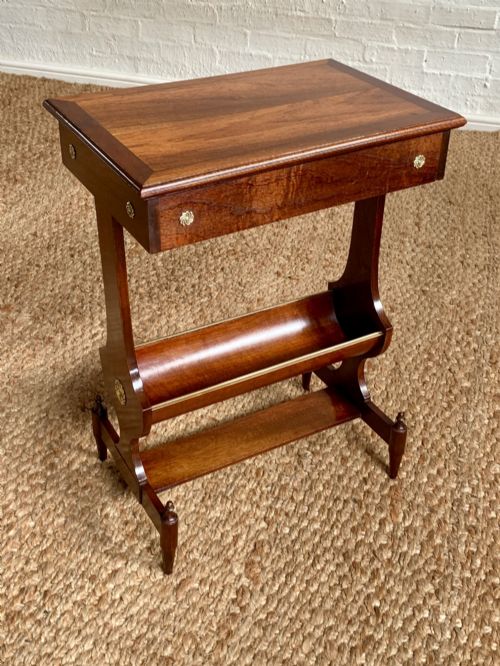
An edwardian mahogany trough is a practical library and desk accessory designed to keep volumes upright, and these pieces are sought after for their refined timber grain and compact utility.
Edwardian Mahogany Trough
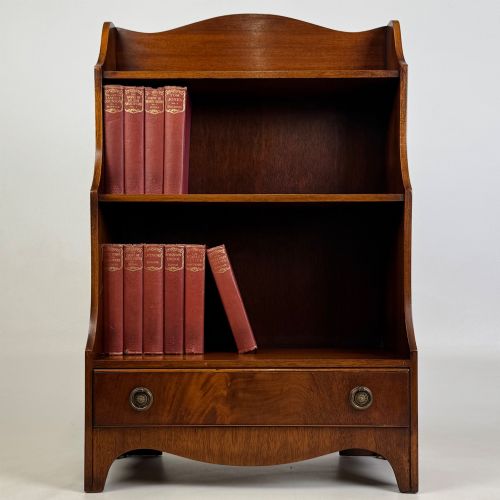
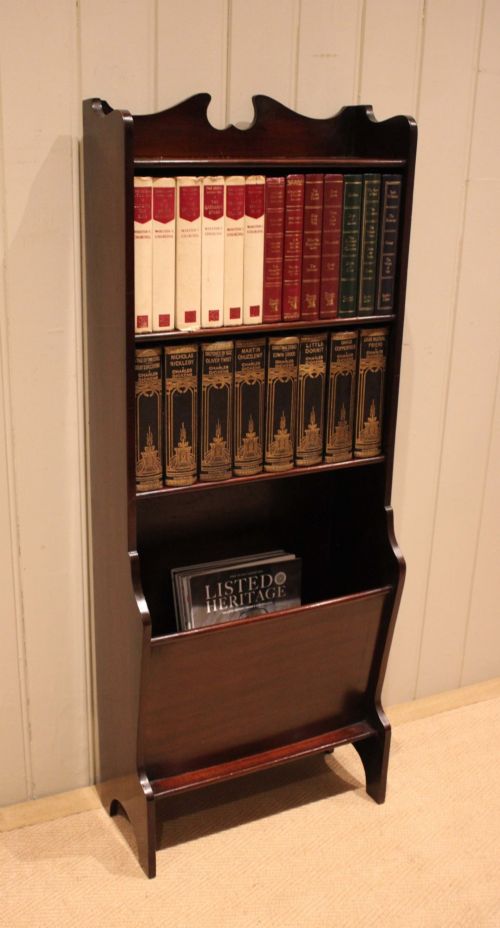
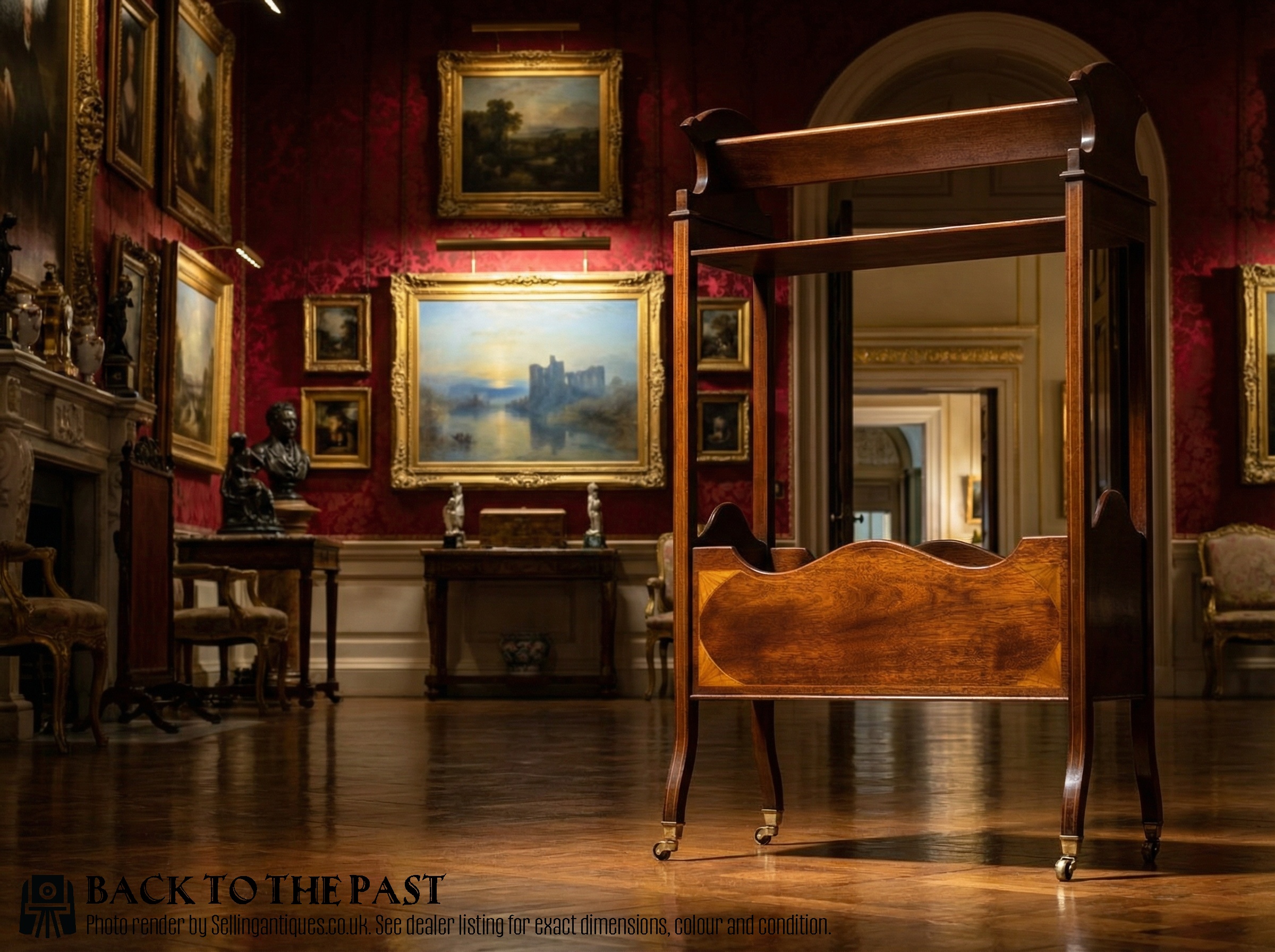
When searching for an edwardian mahogany trough, a buyer finds desk accessories and floor-standing pieces built to organise books and magazines. The most common form met on this page is the simple tabletop trough, alongside two-tier variants and stands with inlaid decoration.
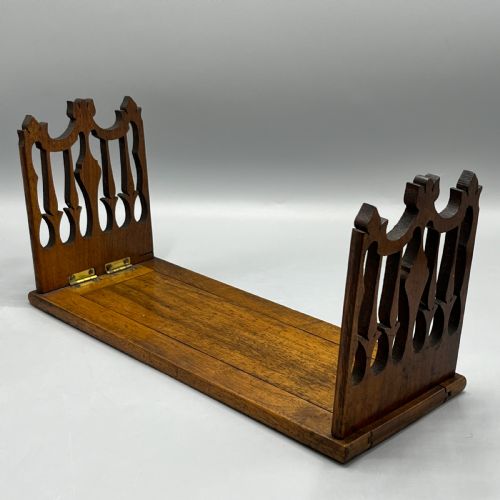
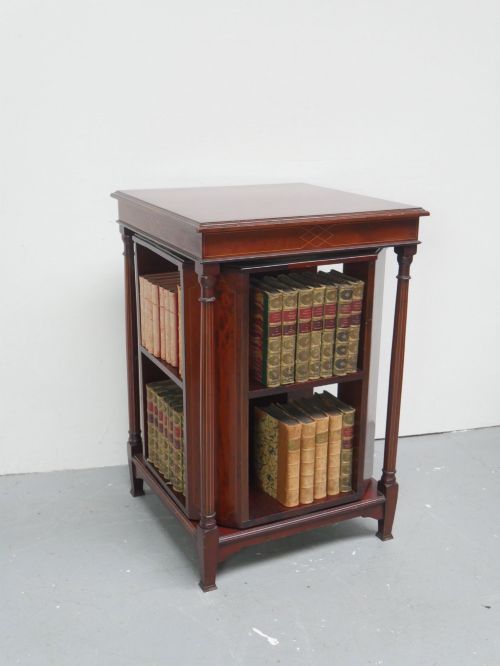
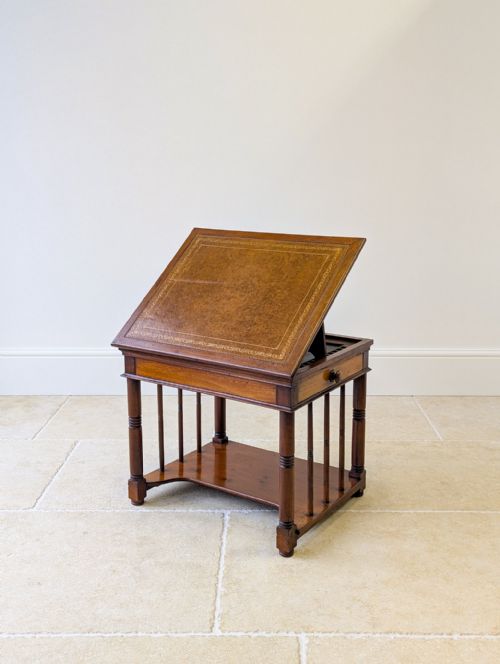
The periods represented stretch from the late nineteenth century through the Edwardian era into the early decades of the twentieth century. Alongside dedicated troughs, the listings include revolving bookcases, book slides, and side tables fitted with magazine racks.
Origins trace primarily to the Edwardian period, supported by Victorian precursors and later twentieth-century iterations. Makers such as Waring and Gillows and Betjemanns appear among the recorded pieces, showing the range of workshop output from the era.
What varies in quality
Quality rests in the selection of the timber grain, particularly where flame mahogany or finely figured surfaces are employed on the main body. The precision of the satinwood inlay and the crispness of any carved detailing distinguish standard pieces from finer workshop productions.
Structural integrity of the partitions and the condition of original brass mounts influence the overall standard. Pieces bearing maker stamps or patent marks command specific attention for their documented provenance.
Object forms span book troughs, revolving bookcases, desk tidies, side tables, and adjustable book slides.
Waring and Gillows·Betjemanns
The Edwardian Mahogany Trough Glossary
- Book trough
- A small V-shaped or U-shaped stand designed to hold a row of books upright on a desk or table. These pieces often feature solid wood ends and flat bases.
- Satinwood inlay
- A decorative technique where contrasting light timber is inserted into recesses cut into the darker mahogany surface. This creates geometric or floral borders along the edges of the trough.
- Flame mahogany
- A timber veneer showing a distinctive wave-like flame pattern derived from the branch junctions of the tree. It is selected for its decorative visual impact on prominent surfaces.
- Revolving bookcase
- A freestanding or table-top bookcase mounted on a hidden rotating base. This allows access to volumes from multiple angles without moving the furniture.
- Book slide
- An adjustable stand with extending sections designed to hold a varying number of books between two upright ends. They frequently incorporate brass mounts and sliding mechanisms.
Edwardian Mahogany Trough: Frequently Asked Questions
What is an edwardian mahogany trough used for?
These pieces were designed to hold books and periodicals on desks, tables, or library floors. They kept daily reading material organised and accessible.
Today they function similarly in domestic spaces, holding modern volumes or vintage editions while adding period character to a room.
How do I date an edwardian mahogany trough?
Dating relies on stylistic clues, timber choice, and construction methods. Pieces from the Edwardian period often feature satinwood inlay and lighter proportions than their Victorian predecessors.
Makers marks, patent stamps, and specific wood veneers also help narrow down the decade of manufacture between the late nineteenth and early twentieth centuries.
Are all book troughs tabletop pieces?
While many examples sit directly on desks or tables, others are larger two-tier structures or incorporate magazine racks and side tables. Some variants include revolving mechanisms or floor-standing bookcase formats.
The scale varies from small desk tidies to substantial library furniture designed to hold heavier volumes.
What is flame mahogany?
Flame mahogany is a highly figured veneer cut from the wood where branches join the main trunk. It produces a distinctive rippled flame pattern across the surface.
Makers utilised this timber on prominent exterior panels to showcase the natural grain and add visual depth to the piece.