
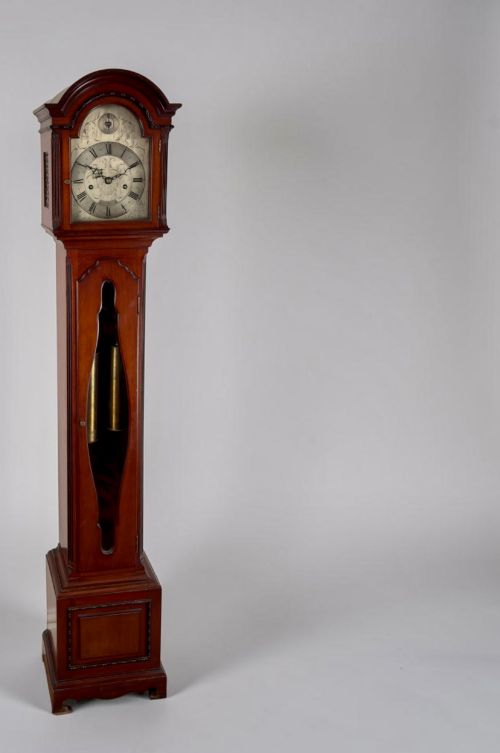
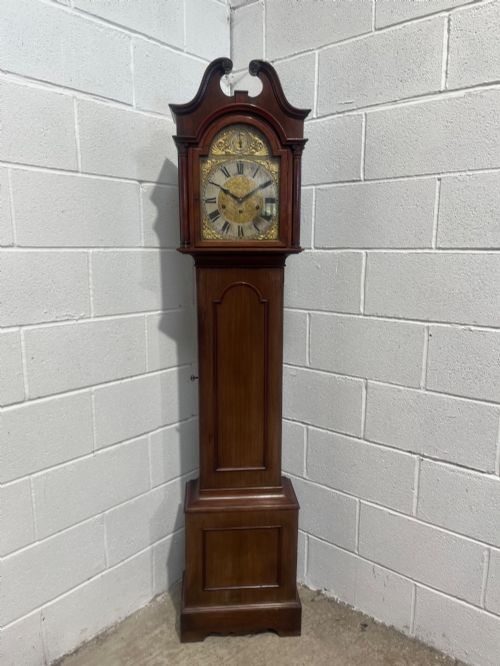
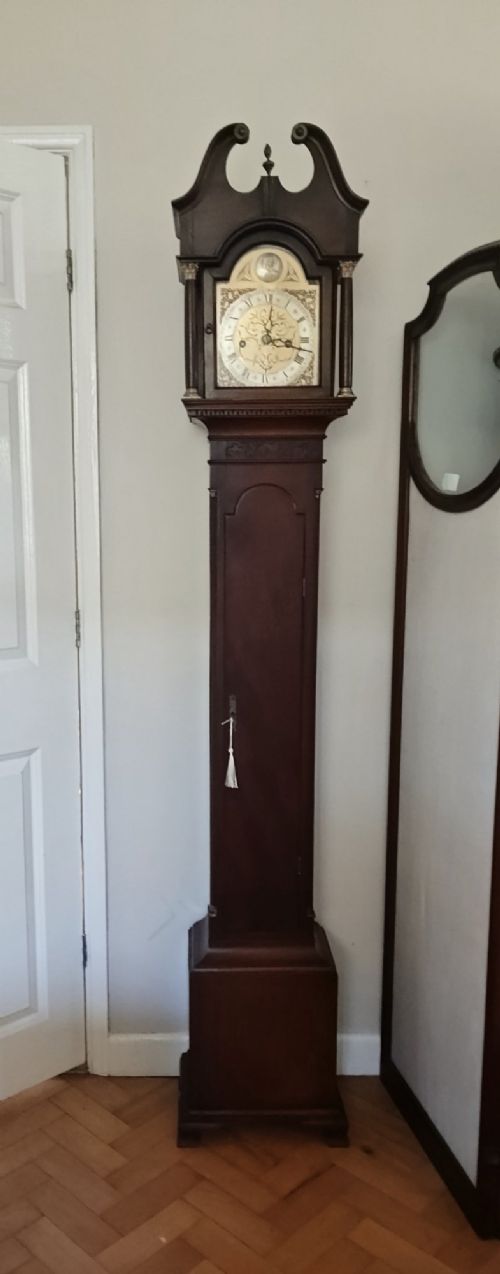


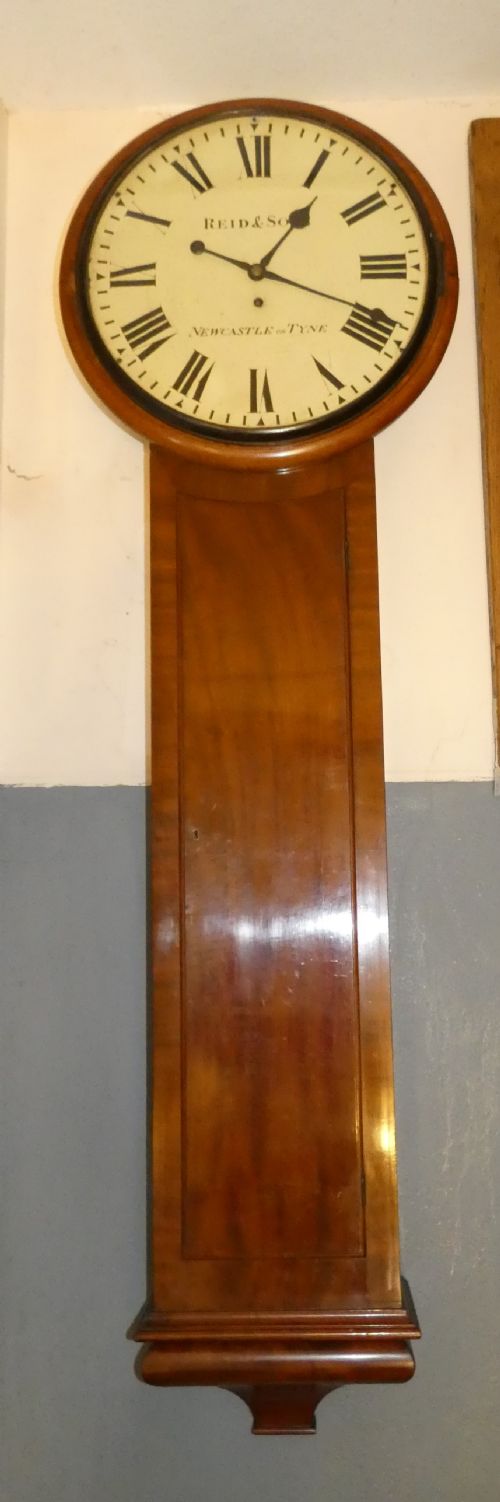


Edwardian Mahogany Pendulum Clock
An edwardian mahogany pendulum clock brings the quiet rhythm of traditional woodwork and brass movement directly into a room.
Edwardian Mahogany Pendulum Clock
An edwardian mahogany pendulum clock is an upright timekeeper housing a swinging pendulum inside a wooden case. These pieces encompass tall floor-standing longcase examples as well as smaller mantel and wall clocks.
The objects seen here date primarily from the Edwardian period and the surrounding nineteenth and early twentieth centuries. Longcase, grandmother, mantel, and wall formats provide varied options for domestic spaces.
Mahogany forms the principal chassis material across these listings, occasionally accented with lighter inlay woods. Brass dials, iron weights, steel components, and glass inspection panels complete the physical structure.
How They Were Made
Cabinetmakers constructed the timber housings using solid mahogany and veneers, frequently incorporating decorative satinwood or darker stringing lines. Selected panels show hand-carved details or geometric string inlay set flush into the polished wood surfaces.
Mechanical movements combine brass wheels, steel pinions, and iron components driven by hanging weights or mainsprings. Enamel or brass circular dials display engraved or painted numerals behind protective glass bezels and hinged doors.
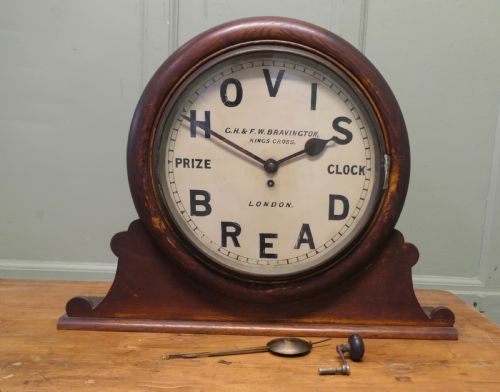
Some timepieces carry functional histories spanning railway stations, municipal town halls, and prize-winning industrial exhibitions.
What Varies in Quality
The refinement of the cabinetwork distinguishes standard production from finer pieces. Sharply executed inlay, well-matched timber grain, and crisply moulded cornices indicate superior joinery.
Movement sophistication dictates mechanical merit. Fine gear cutting, subsidiary dials, musical chiming capability, and precision fusee mechanisms separate basic timepieces from advanced horological work.
Gillett & Johnston of Croydon·G.H.& F.W. Bravington London·Edward Shepley of Manchester·John Walker·Lister & Sons·Seikosha Seiko·Edward Hannam London
The Edwardian Mahogany Pendulum Clock Glossary
- Fusee
- A conical pulley designed to equalise the declining power of a mainspring as it unwinds. This mechanism helps maintain a consistent force on the gear train for better timekeeping accuracy.
- Grandmother clock
- A smaller, more slender version of the traditional longcase or grandfather clock. These compact floor-standing timepieces suit rooms with lower ceilings.
- Drop dial
- A wall clock featuring a circular dial mounted above an extended wooden box that houses the pendulum. The lower case often has a glazed viewing window to observe the swing.
- Regulator
- A high-precision clock designed originally to keep accurate time for setting other timepieces. They feature clear dials and minimal friction movements for exact performance.
- Lancet
- An arched architectural clock case shape resembling a pointed gothic window. This curved top style appears frequently on mantel and shelf clocks.
Edwardian Mahogany Pendulum Clock: Frequently Asked Questions
Where should I place a longcase clock?
Position the longcase clock against a sturdy interior wall away from direct sunlight, heating vents, and damp exterior walls. Wood cases react to dramatic humidity and temperature shifts.
Adjust the leveling feet or shims beneath the base so the cabinet stands perfectly plumb. A level case ensures the pendulum swings with an even, symmetrical beat.
What is the difference between a mantel and wall clock?
Mantel clocks are self-contained shelf or table pieces designed with flat bases for horizontal placement. Wall clocks feature hanging brackets or keyhole slots for secure vertical mounting.
Both formats utilise similar spring-driven or fusee movements but serve entirely different spatial requirements within a room.
How do I identify an Edwardian clock?
Look for the characteristic timber tones and design motifs associated with the early twentieth century. Edwardian mahogany clocks often display lighter satinwood stringing and restrained classical proportions.
Check for maker signatures on the brass dial face or interior movement plates to confirm the production era alongside style indicators.