
Edwardian Mahogany Music Stand
An Edwardian mahogany music stand brings functional elegance to a room, holding scores and folios with upright stability.
Edwardian Mahogany Music Stand
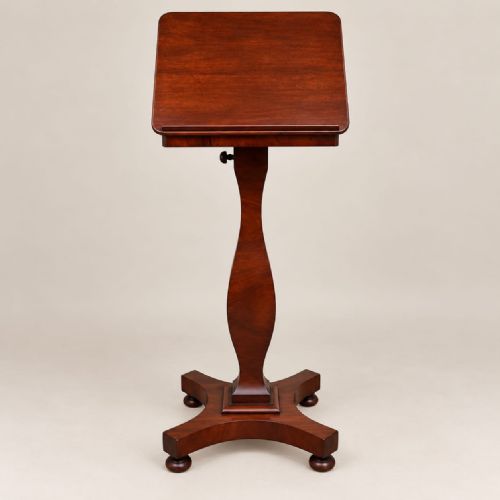
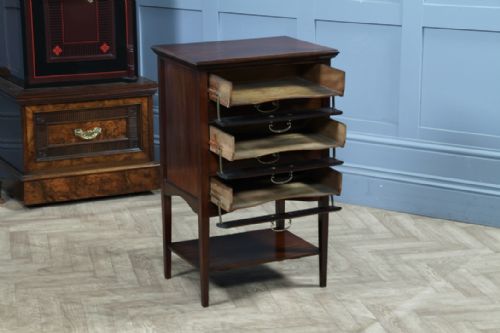
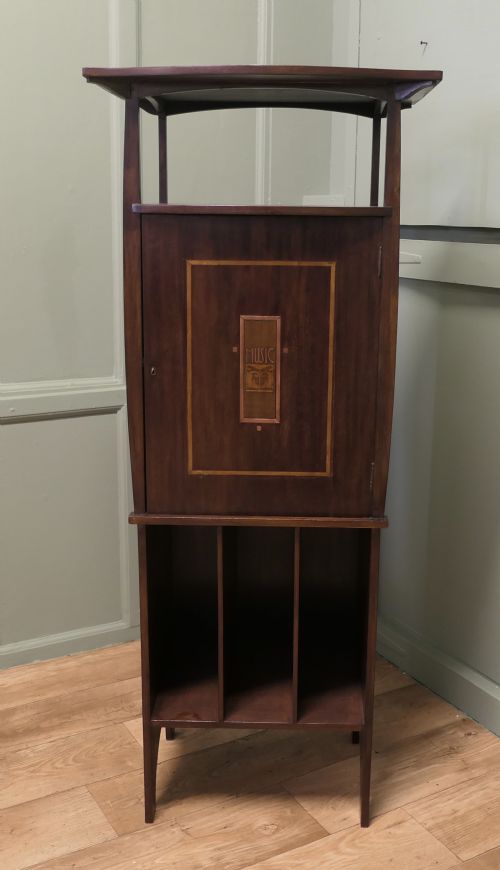
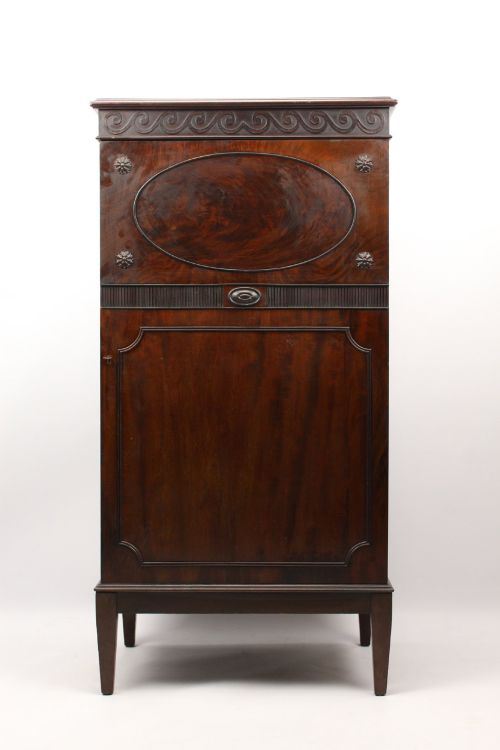
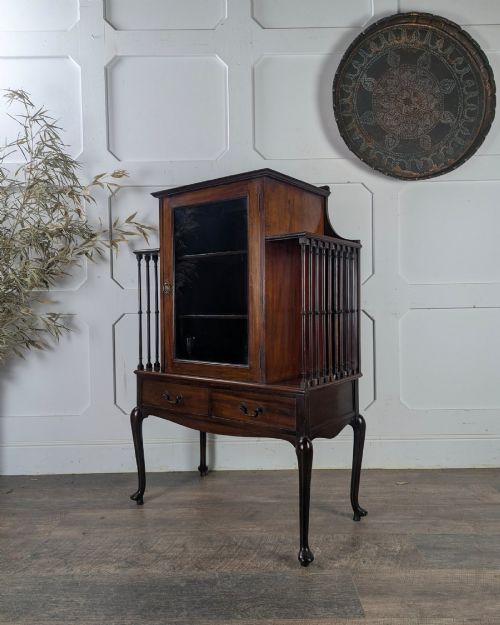
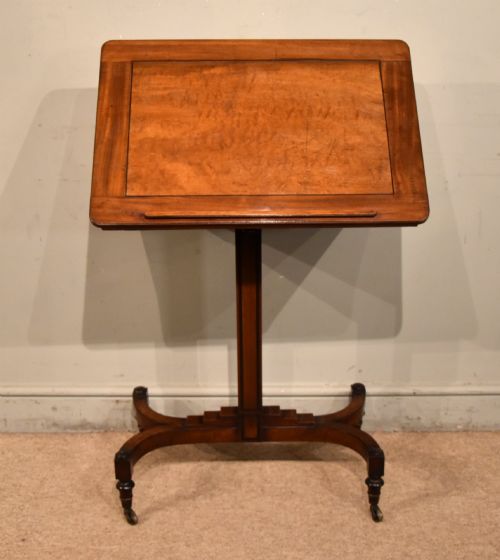
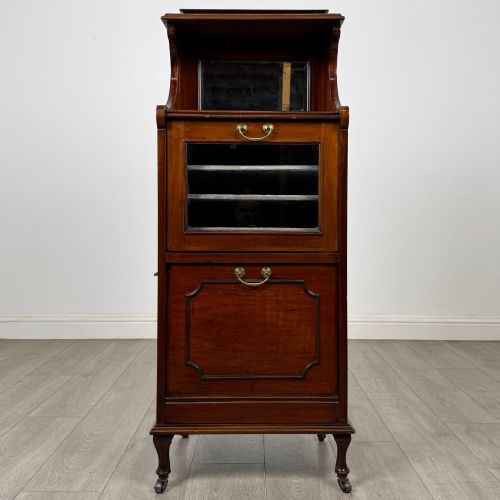
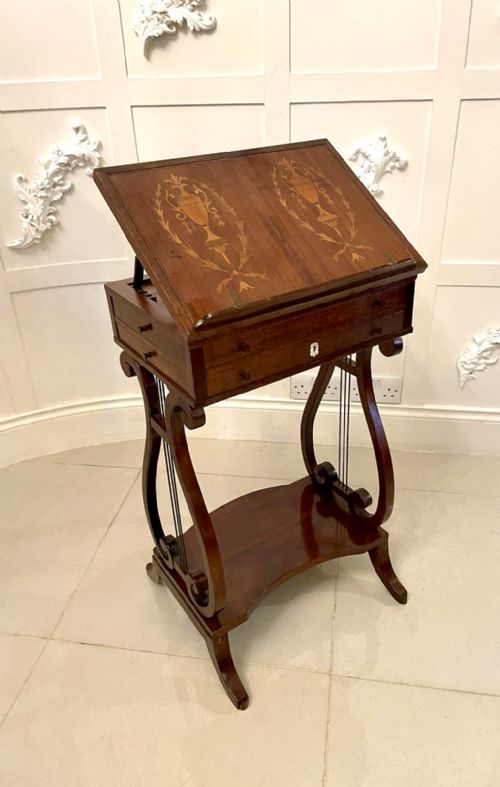
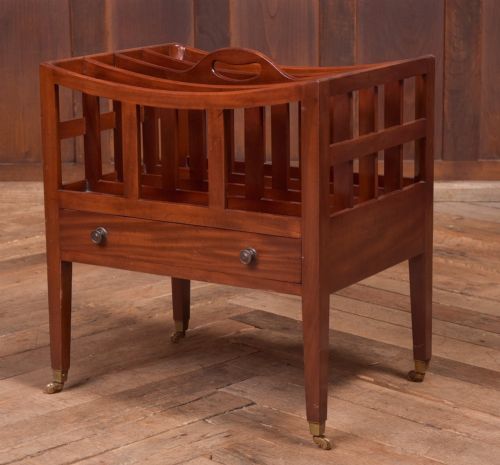
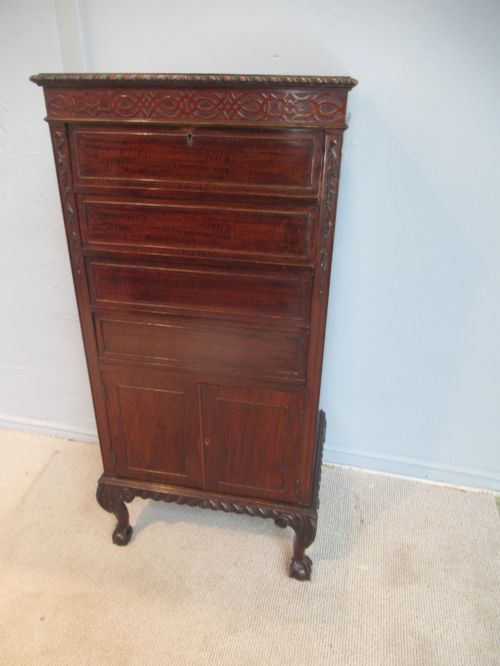
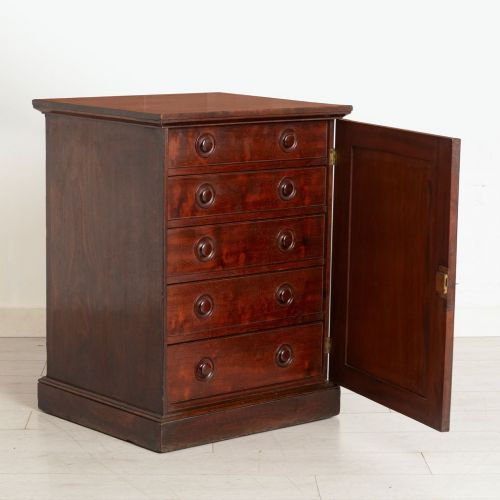
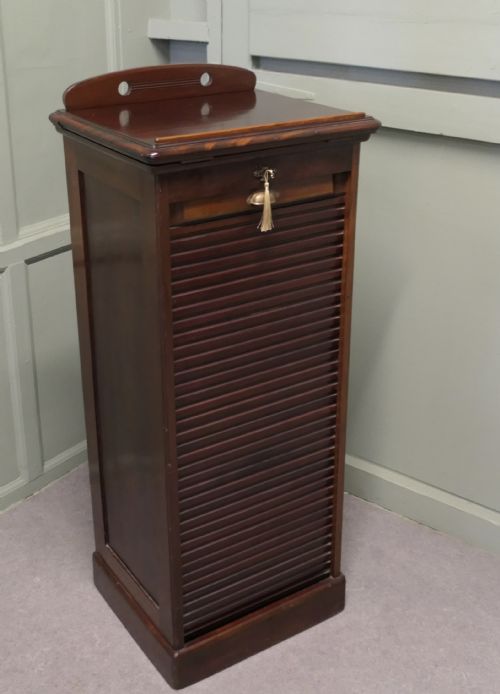
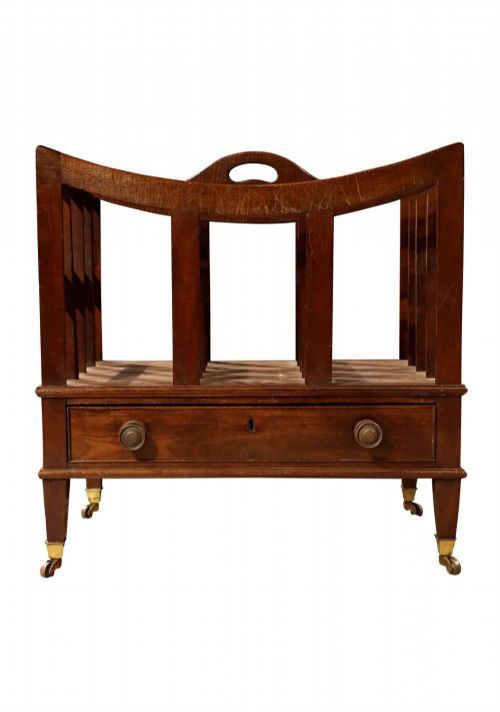
An edwardian mahogany music stand is a specialised piece designed to store and display sheet music, often taking the form of cabinets, canterburys, or adjustable reading tables. The versions most commonly met on this page date from the Edwardian period and the early twentieth century, constructed primarily in rich mahogany.
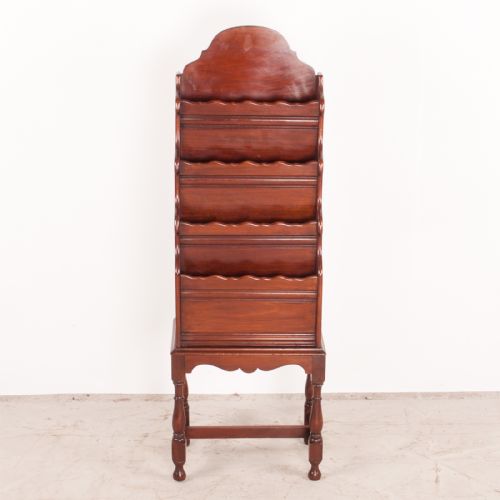
Beyond standard stands, related forms appear frequently under this category, including music cabinets, magazine racks, and reading tables. These pieces reflect the domestic musical habits of the era, providing dedicated storage for folios and sheet scores within domestic parlours.
While Edwardian pieces dominate the selection, items span from the nineteenth century into the 1920s, incorporating styles such as Arts and Crafts, Regency, and Art Nouveau alongside traditional Edwardian designs.
How they were made
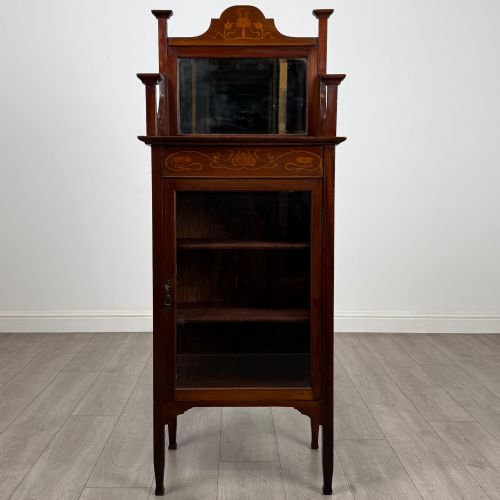
Makers utilised solid mahogany and mahogany veneers as the primary timber, often enhancing the surfaces with satinwood inlay, wood inlay, and brass fittings. These materials provided both structural durability and a refined finish suitable for formal drawing rooms.
Construction techniques included specialised joinery for fall-front doors, adjustable reading ratchets, and tiered shelving designed to hold heavy paper folios. Brass castors, glass panels, and occasional mirror elements completed the functional hardware of these stands and cabinets.
Listings feature mahogany combined with satinwood inlay, brass fittings, and occasional glass or mirror elements across Edwardian and nineteenth-century periods.
What varies in quality
The distinction between standard pieces and the finest examples rests upon the intricacy of the inlay work and the precision of mechanical elements, such as adjustable reading desks and smooth drawer runners. Cabinetwork attributed to known workshops or featuring detailed brass and satinwood detailing represents the upper tier of craftsmanship.
Proportion and timber selection also drive differences in quality, with dense, figured mahogany grain and balanced proportions distinguishing superior cabinets from simpler utility pieces.
GM Elwood for JS Henry·Denby and Spinks·Collinson and Lock London·Howard and Sons of London
The Edwardian Mahogany Music Stand Glossary
- Canterbury
- A low stand with partitioned sections for holding sheet music, folios, or magazines, often fitted with a drawer below and mounted on castors.
- Satinwood inlay
- A contrasting light timber veneer inserted into the mahogany surface to create geometric or floral decorative patterns.
- Fall-front cabinet
- A piece featuring a hinged front panel that drops down to form a writing or sorting surface, commonly utilised in music storage furniture.
- Reading stand
- An adjustable desk or stand designed to hold books or music scores at a comfortable angle for the user.
- Upstand
- A raised decorative back or edge on the top surface of a cabinet or table, sometimes carved or inlaid.
Edwardian Mahogany Music Stand: Frequently Asked Questions
What is an edwardian mahogany music stand used for?
These pieces were designed to hold sheet music, folios, and books close to a piano or in a music room. They kept scores organised and accessible during domestic musical performances.
Today, they function well as side tables, display units, or book stands in living spaces.
How do I identify an edwardian piece?
Edwardian furniture typically dates from the reign of King Edward VII between 1901 and 1910, though the style extends slightly either side. Look for light mahogany timbers often combined with subtle satinwood stringing and inlay.
Construction methods from this era also show machine-assisted precision alongside traditional hand joinery.
What is the difference between a stand and a cabinet?
Music stands generally refer to open reading ledges or adjustable tables designed for active use while playing an instrument. Music cabinets and canterburys provide enclosed or partitioned storage space for keeping multiple folios flat and tidy.
Both forms share the same mahogany materials and decorative inlay styles of the period.
Can I use these for modern sheet music?
Standard modern sheet music and books fit easily into the partitioned sections of canterburys and the drawers of music cabinets. The adjustable reading stands also accommodate contemporary scores and tablets.
Care should be taken not to overload older wooden internal shelves with excessive weight.