

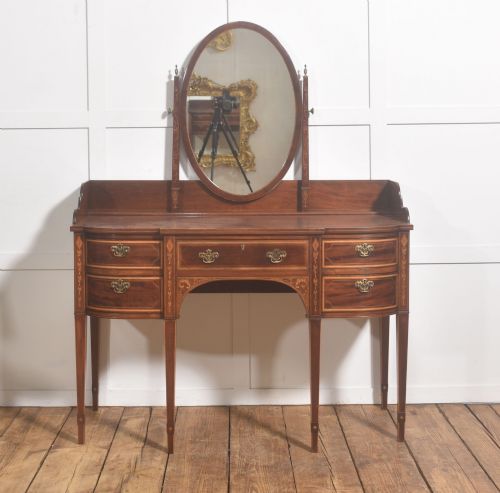
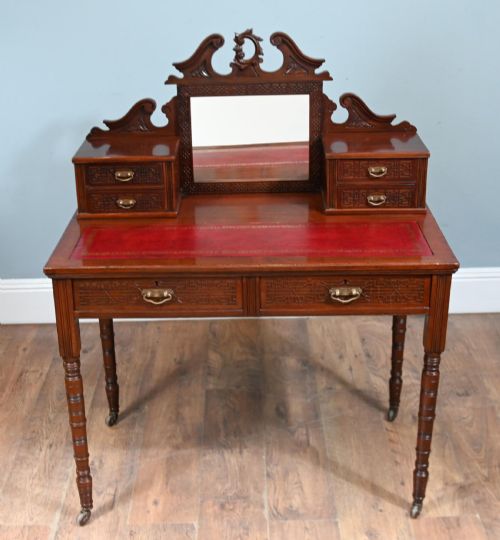
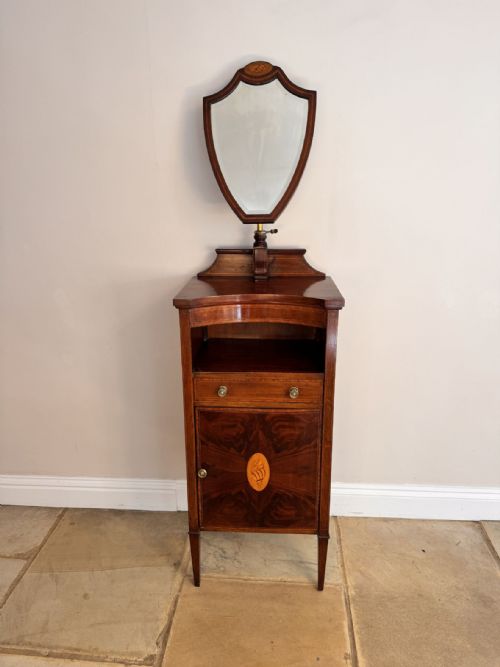
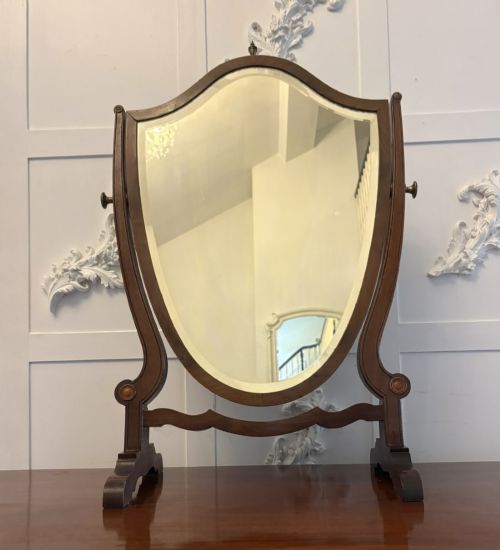

Edwardian Mahogany Dressing Table Mirror
These edwardian mahogany dressing table mirror pieces combine polished timber with adjustable glass for the bedroom.
Edwardian Mahogany Dressing Table Mirror
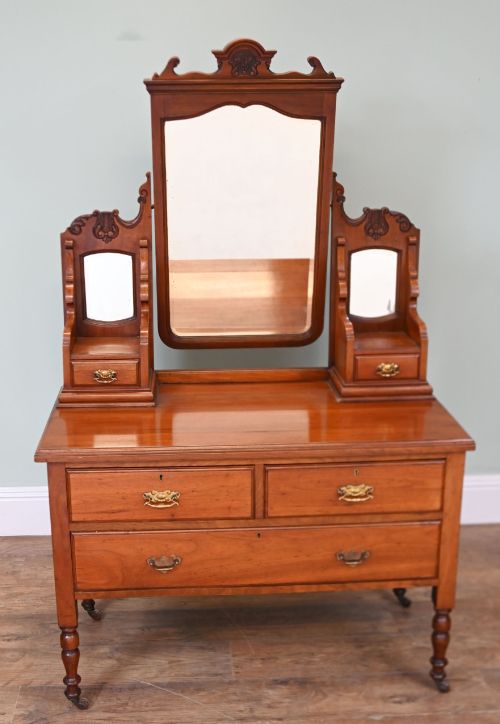
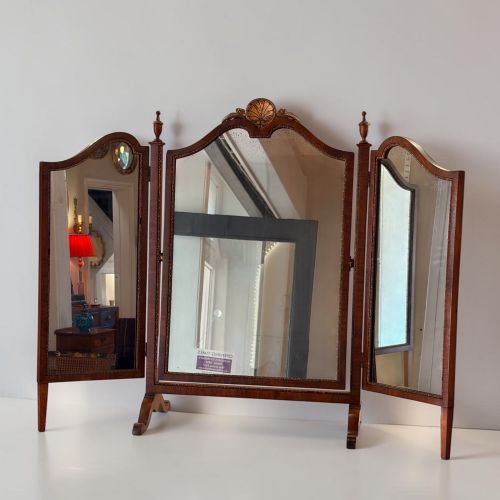
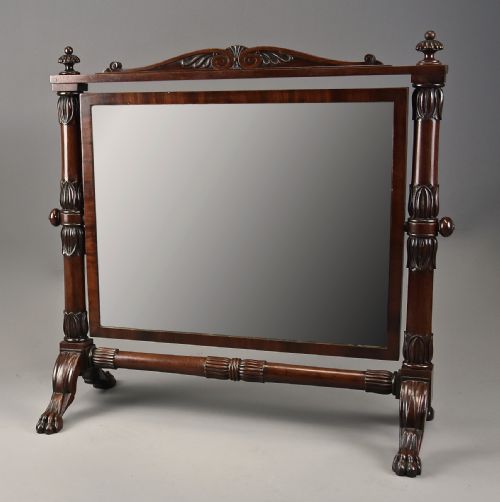
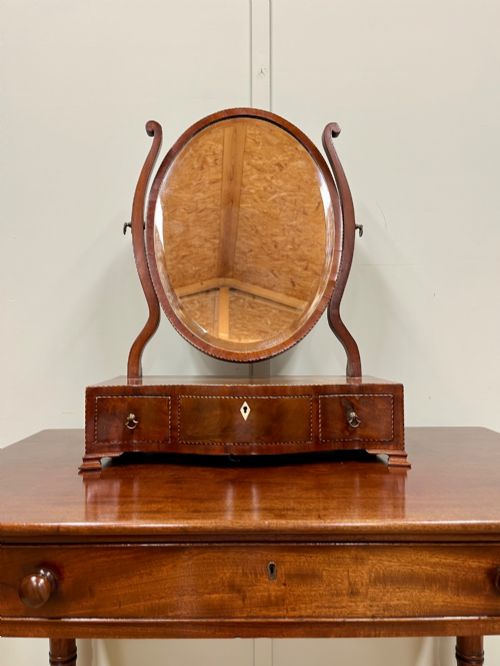
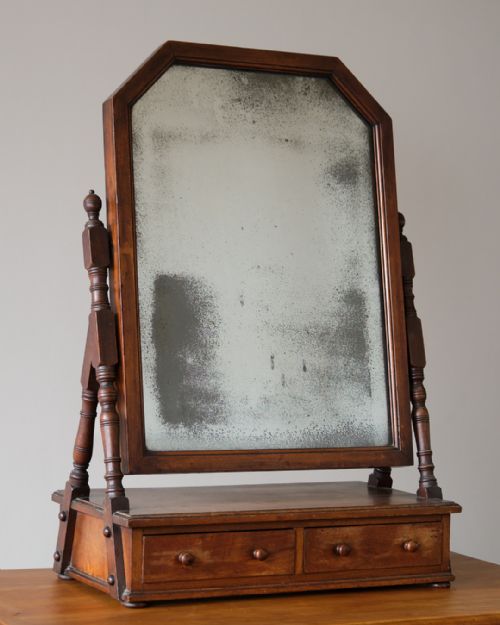
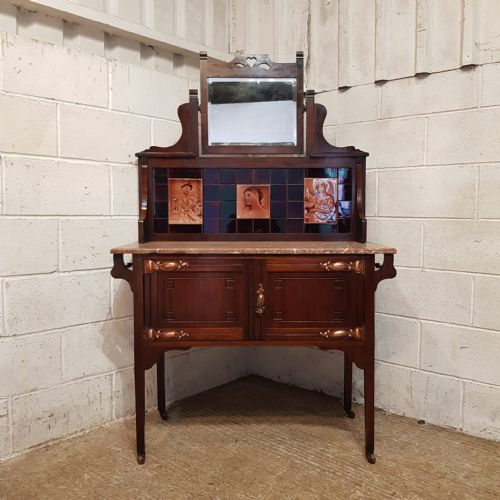
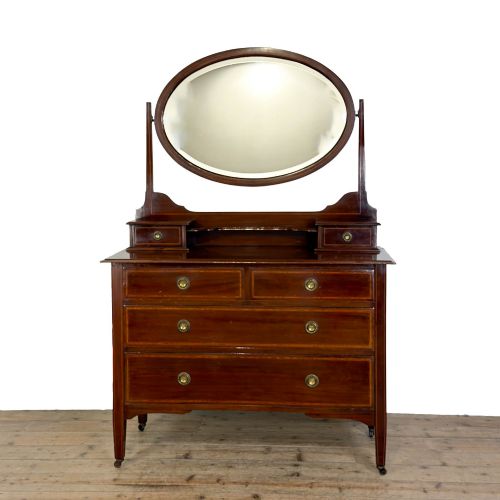
An edwardian mahogany dressing table mirror sits upon chests, dressing tables, or stands to provide a tilting reflection for the user. These table-top accessories and larger cheval forms appeared widely across the Edwardian period, often incorporating small drawers for jewellery or pins.
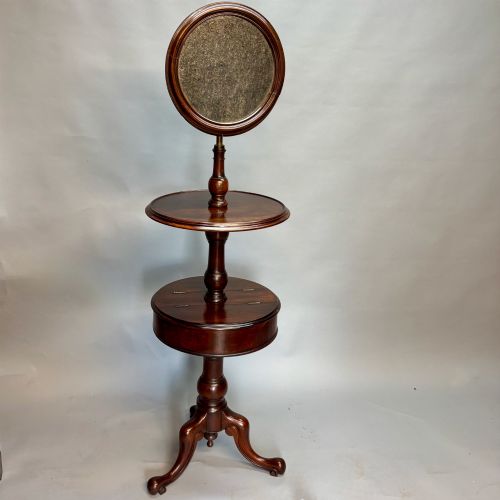
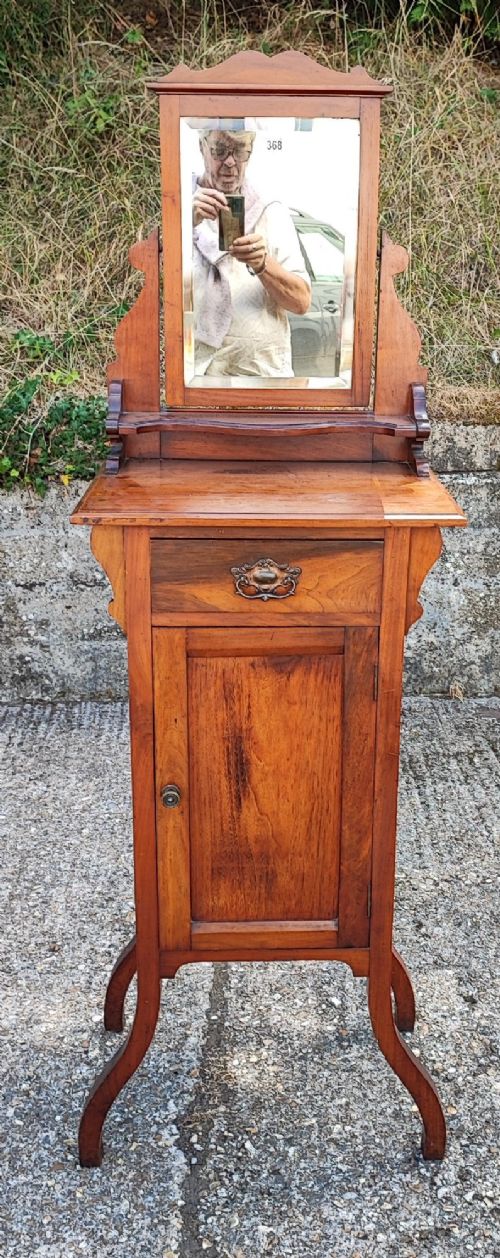
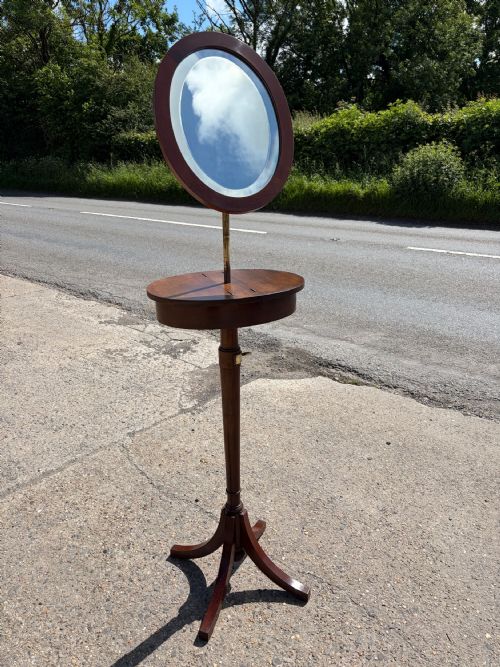
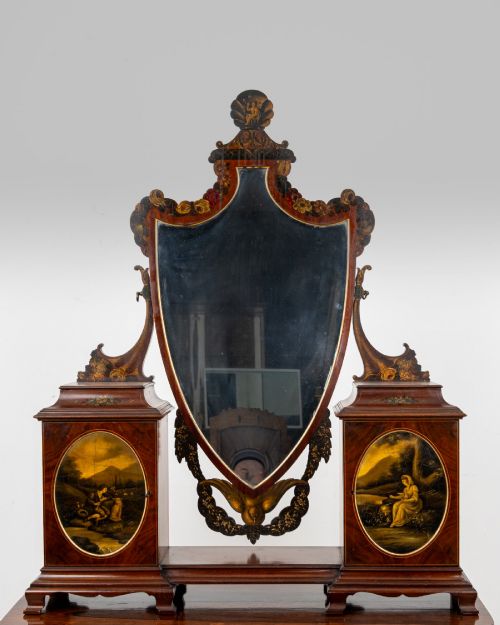
The pieces on this page span table-top swing mirrors, adjustable shield designs, and occasional shaving stands or larger dressing chests fitted with glass. While many date directly to the Edwardian era around nineteen hundred, related Victorian and Georgian examples also appear.
Makers such as Flashman and Co and Edwards and Roberts produced these items alongside Heal and Sons, matching the prevailing styles of the time. Buyers meet everything from simple inlaid frames to elaborate cheval mirrors with integrated cabinets.
Distinctions in craftsmanship
The distinction between standard commercial pieces and the finest workshop productions lies in the precision of the timber selection and the crispness of the inlay. Better examples display carefully matched mahogany grains and tight, clean joinery around the mirror frame.
Hardware quality marks another clear division, with heavy cast brass pivots and original fittings outlasting lighter, stamped replacements. The clarity of the mirror plate and the stability of the support arms determine how well the piece functions in daily use.
Edwardian Mahogany Dressing Table Mirror Retail Price Guide 2026
Typical asking prices for edwardian mahogany dressing table mirror among the pieces listed under this phrase on Sellingantiques today, from the lower quarter to the upper quarter. They describe what is for sale here now, not the wider market.
Gentlemen of the past relied on telescopic tripod shaving mirrors to catch the morning light just right.
Flashman and Co·Edwards and Roberts·Heal and Sons
The Edwardian Mahogany Dressing Table Mirror Glossary
- Cheval mirror
- A full-length or large dressing mirror suspended on a vertical frame that allows it to tilt entirely. These freestanding or table-top units became popular for checking complete outfits.
- Shield mirror
- A dressing glass cut into the shape of a heraldic shield, typically mounted on uprights above small drawer boxes. This form was favoured during the Georgian and Edwardian revivals.
- Shaving stand
- A specialised taller stand incorporating an adjustable mirror, small ledges, and sometimes a basin or drawer for grooming equipment. Gentlemen used these daily in bedrooms and dressing rooms.
- Satinwood inlay
- Contrasting decorative wood veneers set flush into the mahogany surface, often forming geometric lines or floral motifs. This technique defines the Sheraton Revival style.
- Bonheur du jour
- A light ladies writing desk, sometimes equipped with a small mirror or compartments for correspondence. These multifunctional pieces combine writing surfaces with dressing elements.
Edwardian Mahogany Dressing Table Mirror: Frequently Asked Questions
What is a cheval mirror?
A cheval mirror is a large plate glass swing mirror held within a vertical frame on feet or a stand. It permits the user to view their entire reflection.
These pieces sit either directly on table surfaces or stand independently on the floor depending on their scale.
How do you adjust the glass?
Most mirrors pivot on brass screws or pins set into the upright support arms. Tightening or loosening these side fixings holds the glass at the preferred angle.
Original brass hardware ensures smooth movement without slipping.
Where were these placed?
They rested upon dressing chests, washstands, or dedicated dressing tables in bedrooms and dressing rooms. Some standalone shaving versions stood beside basins or wash-stands.
They provided close-up illumination and reflection for morning routines.
How do I spot an Edwardian piece?
Edwardian items typically date from around nineteen hundred to nineteen ten, displaying lighter proportions and refined satinwood inlay. They often build upon earlier Sheraton and Georgian design themes.
Construction methods involve machine-sawn timber elements alongside traditional hand-finishing.