
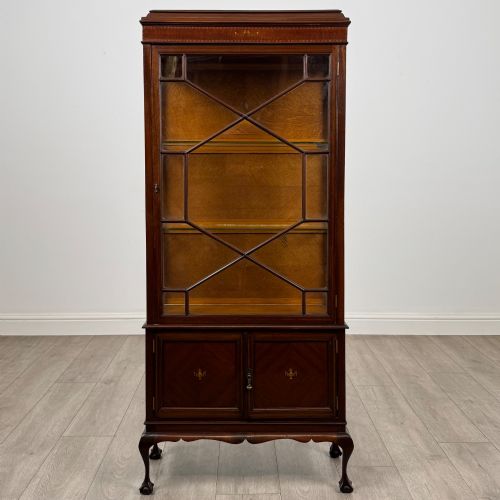
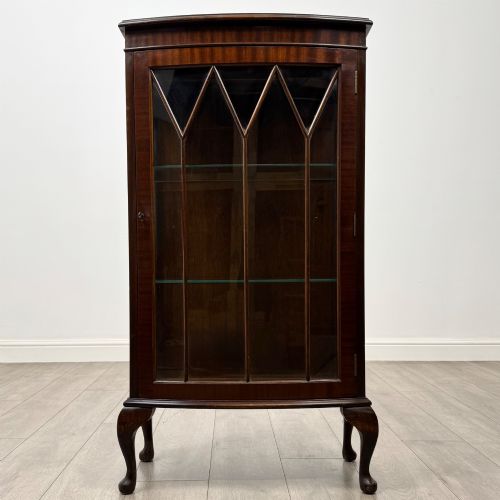
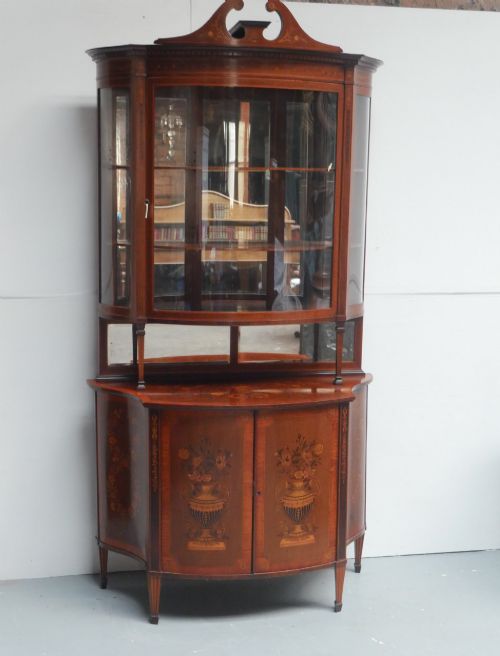
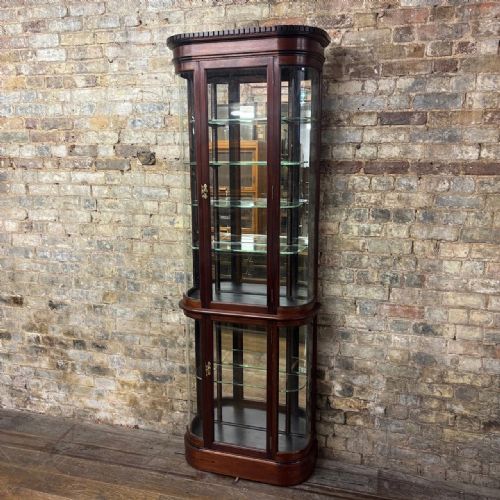
Edwardian Mahogany Curio Cabinet
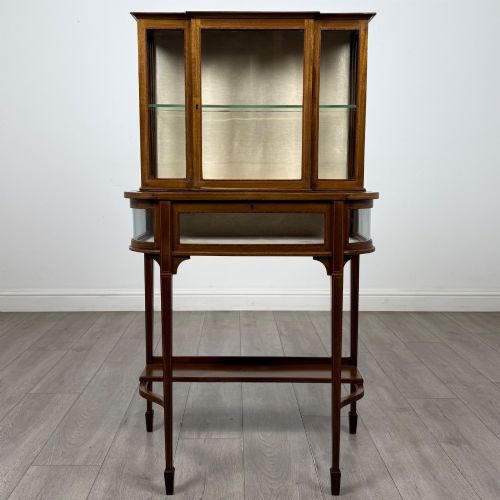
An edwardian mahogany curio cabinet brings together refined timber frames and glazed panels to showcase small treasures.
Edwardian Mahogany Curio Cabinet
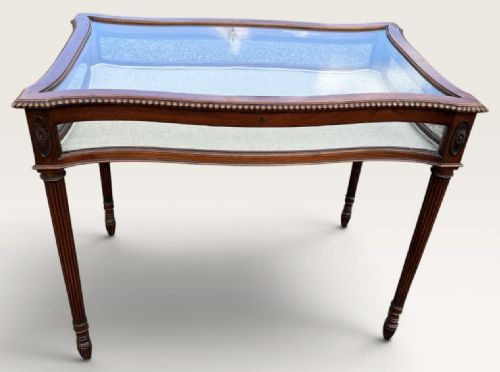
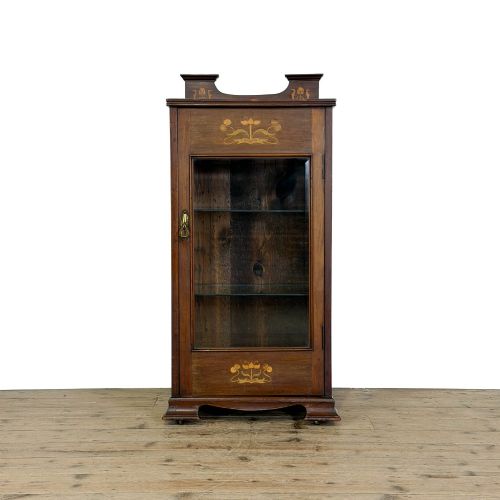
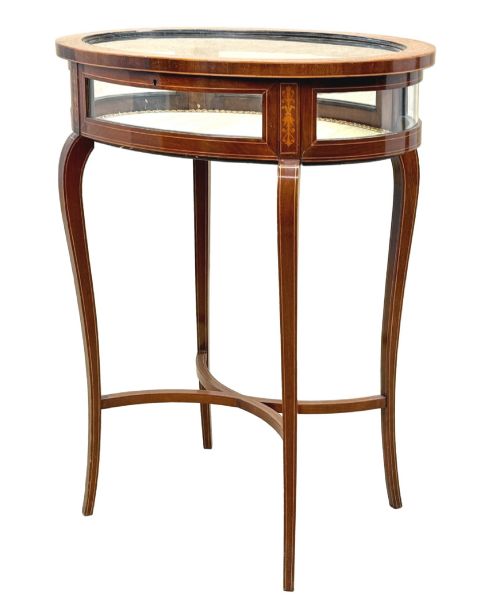
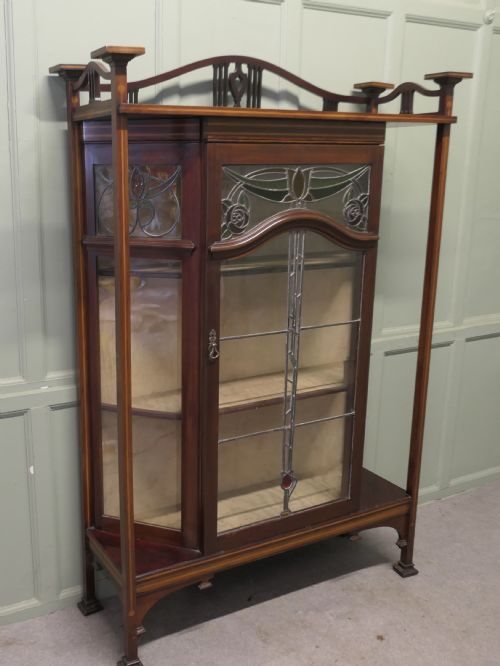
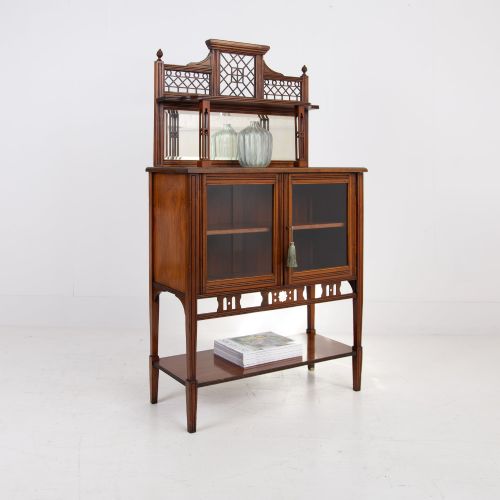
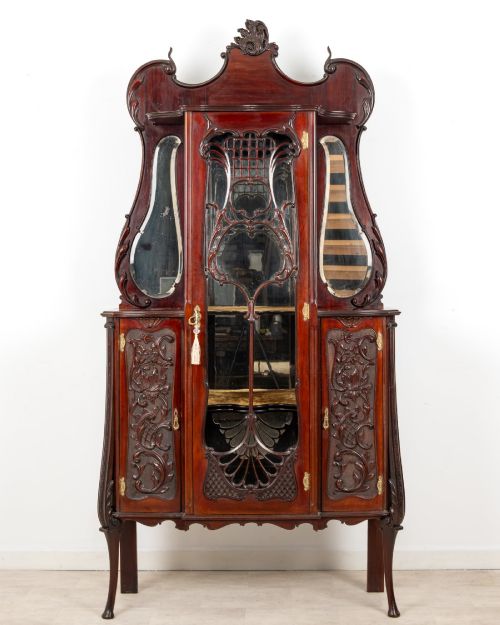
An edwardian mahogany curio cabinet primarily takes the form of standing display cabinets, wall cabinets, and bijouterie tables designed to exhibit precious objects. These pieces originate predominantly from the Edwardian period and the late nineteenth century, spanning into the early twentieth century.
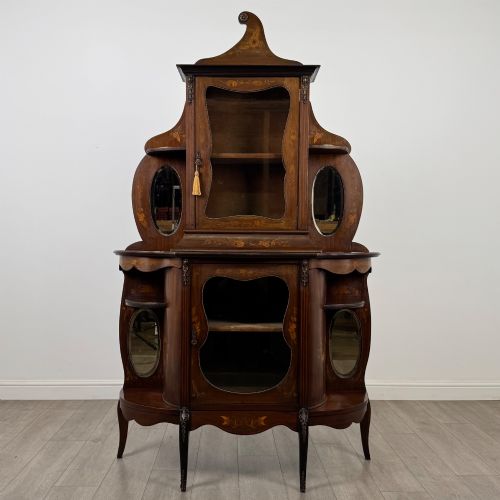
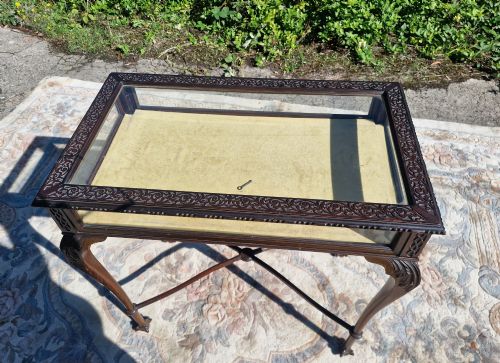
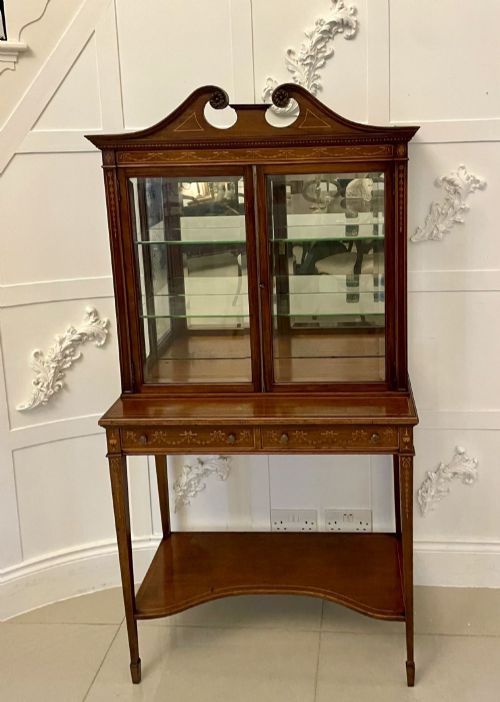
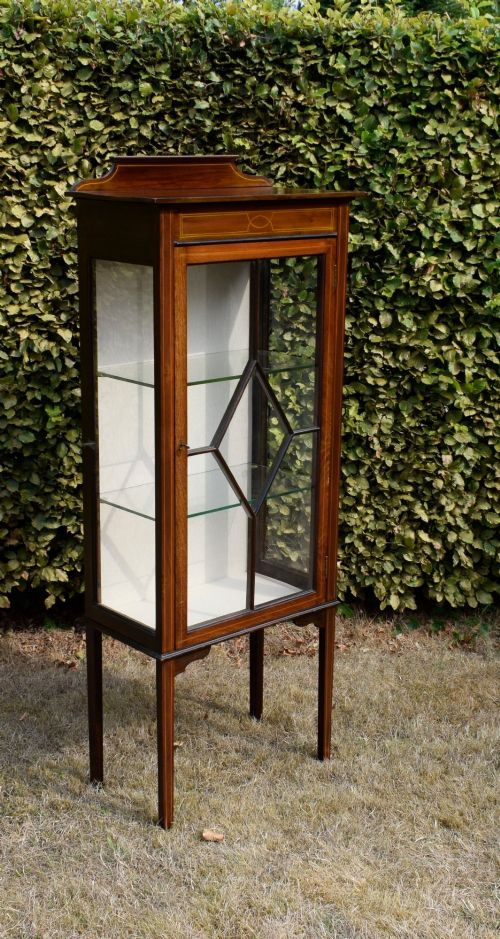
Buyers encounter variations ranging from serpentine and bow-ended standing vitrines to glazed table tops and pedestal display cases. The selection reflects diverse aesthetic revivals and specific construction styles popular during these decades.
How They Were Made
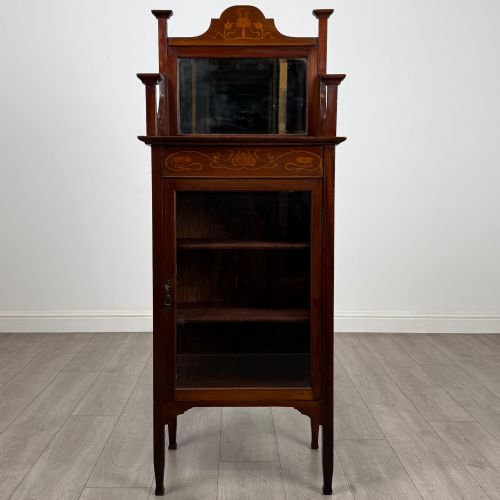
The construction relies fundamentally on solid and veneered mahogany frames fitted with glass panels for all-round visibility of the interior. Many examples incorporate satinwood inlay, marquetry, and fruitwood details to add decorative contrast to the timber surface.
Interiors frequently utilise fabric, velvet, or mirrored backings to enhance the presentation of displayed items. Brass and gilt metal mounts provide structural and decorative accents on doors, legs, and hinges.
The documented forms span wall cabinets, bijouterie tables, and standing display units with flat, bow-ended, and serpentine fronts.
What Varies in Quality
The standard of a piece is determined by the precision of its marquetry and the crispness of any carved elements applied to the mahogany frame. Finer examples display delicate, well-executed inlay work rather than simpler surface decoration.
Construction details such as serpentine or bow-ended curves demand greater cabinet-making skill than flat-fronted alternatives. The integration of quality glass, original fabric linings, and sound internal shelving separates standard utility items from exceptional workshop productions.
Edwards and Roberts·Shapland and Petter
The Edwardian Mahogany Curio Cabinet Glossary
- Bijouterie table
- A glass-topped display table specifically designed for housing small valuables, jewellery, and curiosities. These pieces often feature hinged lids for easy access to the lined interior.
- Marquetry
- Decorative patterns formed by fitting together small pieces of wood veneer, such as satinwood and fruitwood, into a mahogany background. This technique creates elaborate floral or geometric motifs across the cabinet facade.
- Serpentine front
- A furniture front characterised by a concave central section flanked by two convex curves, or the reverse. This undulating shape requires advanced woodworking expertise.
- Vitrine
- A glass-fronted or glass-sided cabinet intended for the display of ornaments and porcelain. The term derives from the French word for glass.
- Satinwood inlay
- Contrasting yellowish timber inserts set flush into the darker mahogany surface to create borders and patterns. It provides a bright visual accent typical of revival furniture.
Edwardian Mahogany Curio Cabinet: Frequently Asked Questions
What is a bijouterie table?
A bijouterie table is a specialised display case featuring a glazed top and a fabric-lined interior. It is built to exhibit jewellery, medals, and small collectors' pieces at a comfortable viewing height.
These tables often stand on slender legs and serve as both functional furniture and decorative showcases in a reception room.
How do I clean the interior fabric?
Most interiors use delicate materials like velvet or satin that require careful dry brushing or light vacuuming with a soft attachment. Avoid liquid cleaners to prevent staining the surrounding mahogany and backing boards.
Regular gentle maintenance keeps the lining fresh without risking damage to the antique fibres or underlying wood.
Where should I place a display cabinet?
Position your cabinet away from direct sunlight to protect both the mahogany finish and any displayed contents from fading. Stable room temperatures prevent the timber and glass settings from warping or cracking over time.
Allow enough clearance around doors and hinged lids to access the interior safely without bumping surrounding furniture.
How do I identify Edwardian inlay?
Edwardian inlay typically utilises light woods like satinwood or fruitwood set into a darker mahogany carcass in floral or ribbon motifs. The contrasting veneer sits completely flush with the surrounding timber surface.
Close inspection reveals hand-cut precision in the contrasting wood pieces, distinguishing them from printed or painted imitations.