


Edwardian Locket
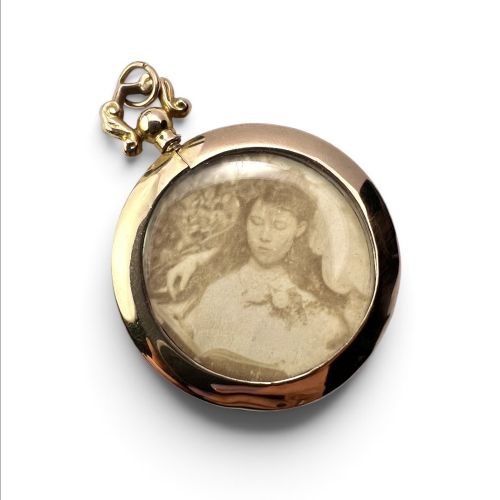
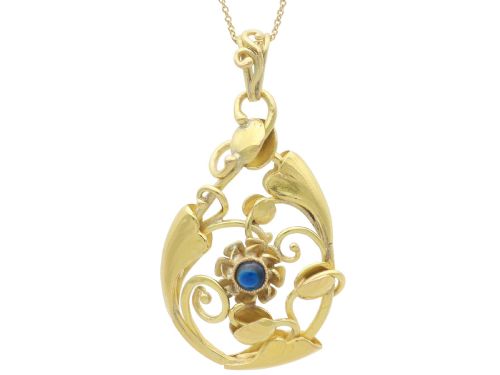
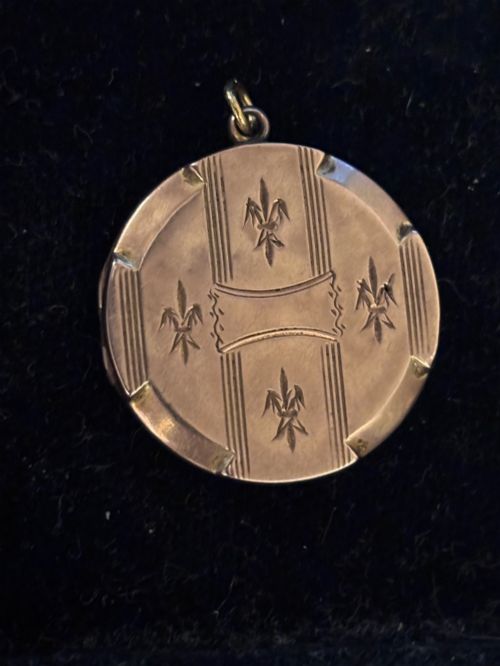
An edwardian locket holds a miniature portrait or curl of hair, pairing delicate gold or silver work with the intimate sentiment of the early twentieth century.
Edwardian Locket
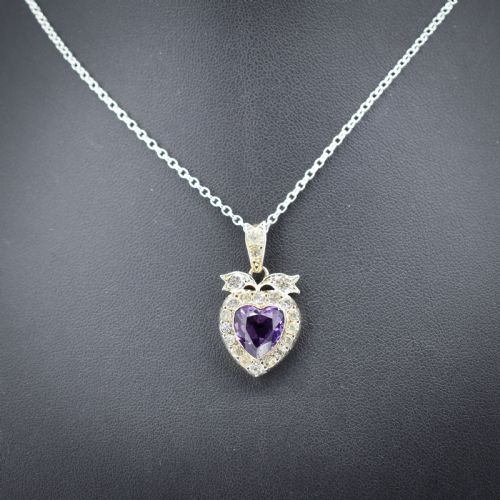
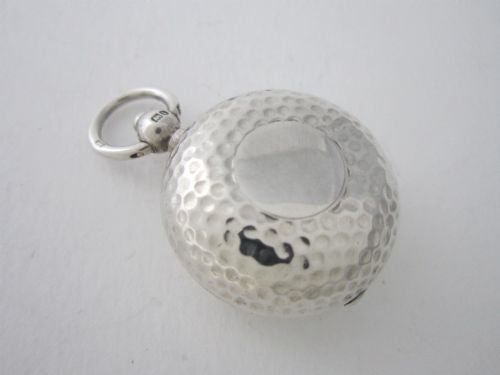
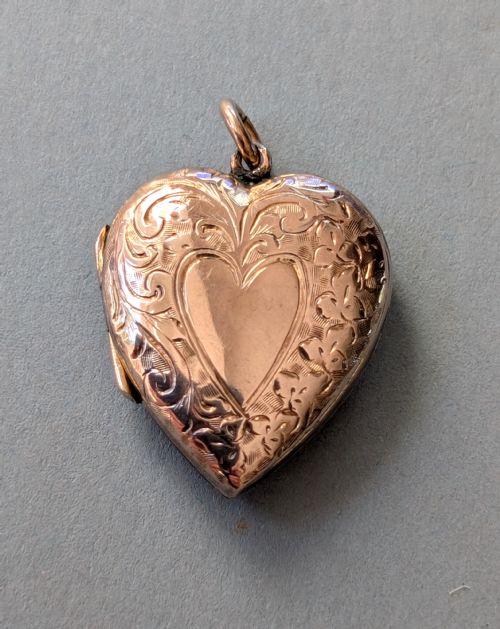
When searching for an edwardian locket, a buyer encounters hinged keepsakes designed to hold photographs, lockets shaped as hearts or ovals, and sovereign cases from the opening decades of the twentieth century. Many pieces carry hallmarks from the Edwardian and late Victorian periods, alongside French Belle Epoque and Art Nouveau designs.
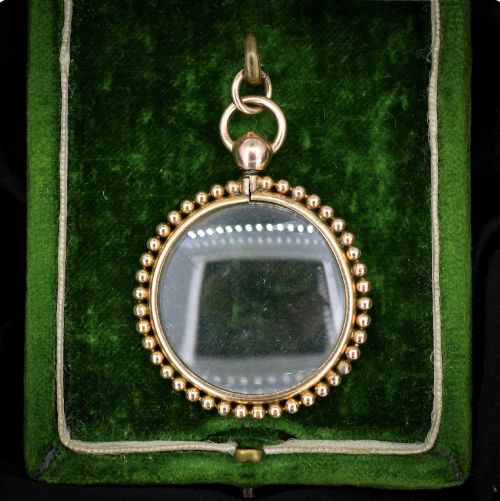
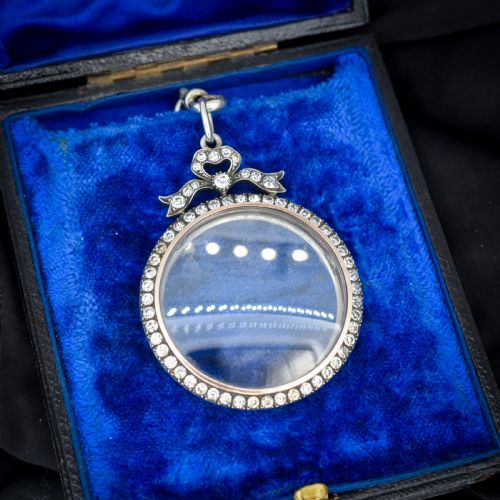
The selections span simple sterling silver engravings to high carat yellow gold, occasionally incorporating glass panels for displaying keepsakes on both sides. Forms range from traditional round pendants to intricate heart shapes and pocket watch styles.
How they were made
Goldsmiths and silversmiths utilised sterling silver and various grades of gold, including 9ct, 14ct, 15ct, and 18ct, often constructing pieces with front and back plates or hinged compartments. Decoration relied on hand engraving, guilloche enamel, and filigree wirework.
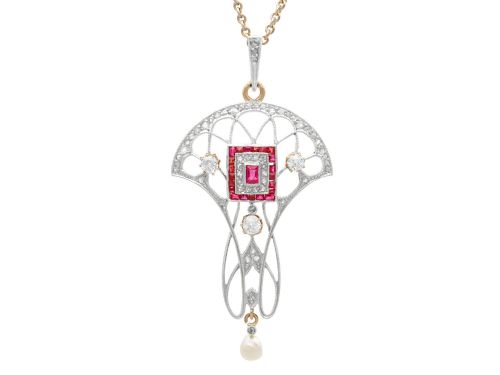
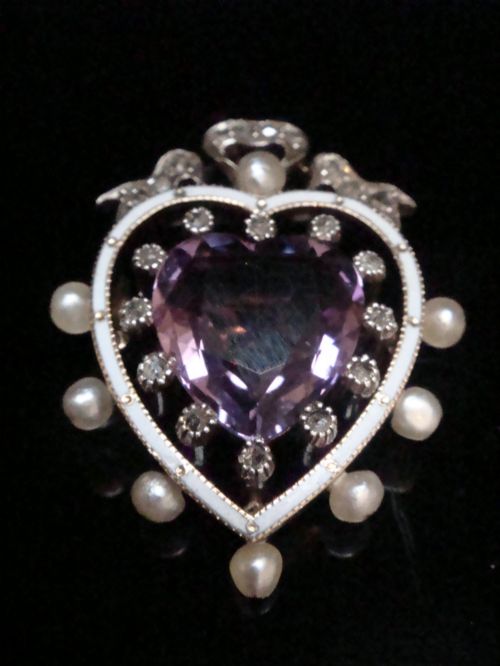
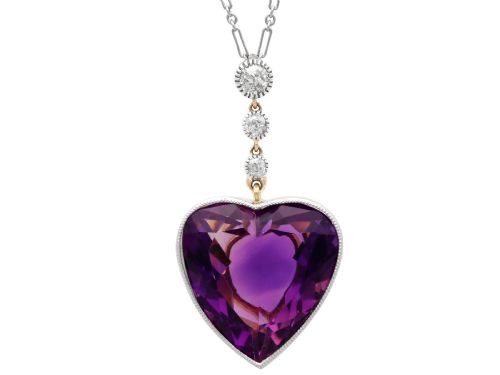
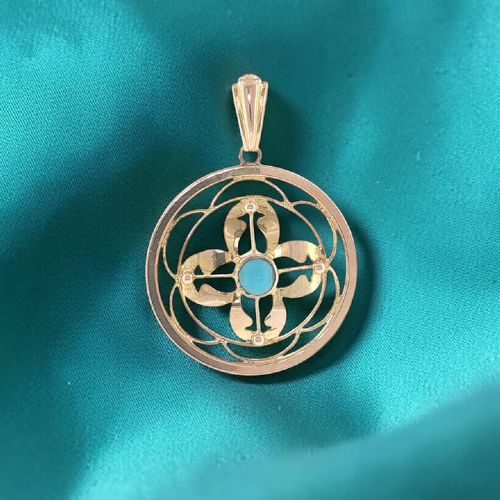
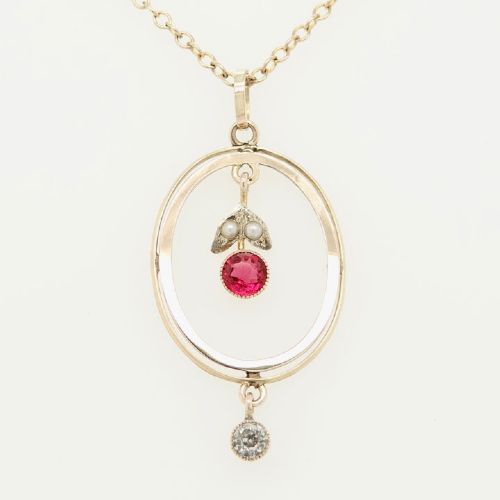
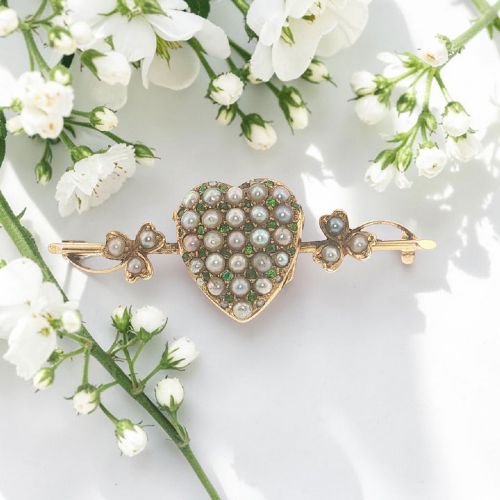
Gemstones such as diamonds, seed pearls, turquoise, amethyst, peridot, and ruby were flush-set or bezel-set into the metalwork, alongside mother of pearl carvings and glass shaker fronts.
Edwardian Locket Retail Price Guide 2026
Typical asking prices for edwardian locket among the pieces listed under this phrase on Sellingantiques today, from the lower quarter to the upper quarter. They describe what is for sale here now, not the wider market.
Periods represented across the pieces include the Victorian era, the Edwardian decade, and the Art Deco style of the 1930s.
What varies in quality
The distinction between standard commercial pieces and finer items rests upon the weight of the precious metal and the crispness of the hand engraving. Heavier gold and substantial silver constructions retain their structural integrity around the hinge better than thin stamped variants.
Artisanal execution separates mass production from superior output, visible in the precision of guilloche enamel patterns and the secure grain setting of seed pearls and diamonds.
Albert Ernest Jenkins
The Edwardian Locket Glossary
- Guilloche enamel
- A decorative technique where translucent enamel is layered over engine-turned metal engraving. This creates repetitive geometric patterns that catch the light beneath the coloured glass surface.
- Seed pearl
- A very small, naturally occurring pearl, often drilled and threaded onto fine wire. These tiny pearls form delicate floral clusters and borders on Edwardian jewellery.
- Sovereign case
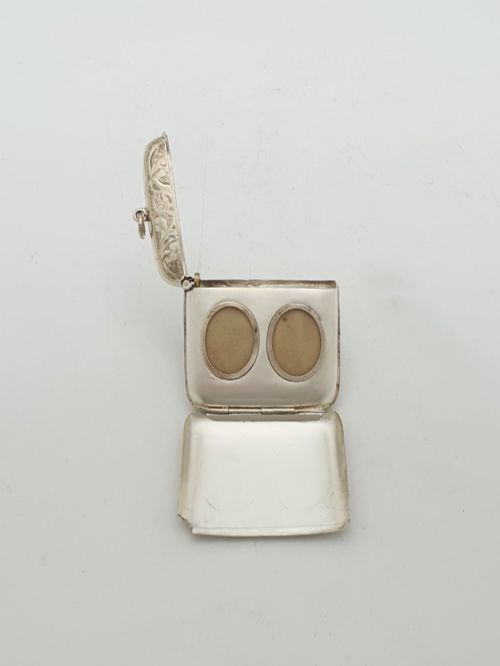
- A small pocket container engineered to hold British gold sovereign coins securely. These cases often feature hinged lids and suspension loops for watch chains.
- Back and front
- A method of construction where the outer plates consist of gold sheet fused to a base metal core. This technique provided the appearance and wear surface of solid gold at a lighter weight.
Edwardian Locket: Frequently Asked Questions
How do I open an edwardian locket?
Most hinged pieces feature a small thumbnail notch or a subtle push-button release along the side rim. Gentle pressure should allow the cover to spring open on its internal hinge without forcing the metal.
Older mechanisms can stiffen over time due to accumulated debris or age. If a catch resists opening, avoid prying with sharp metal tools that might mar the gold or silver surface.
Can I put a photo inside?
These compartments were specifically designed to hold miniature photographs, locks of hair, or small paper mementos. Many retain their original interior metal frames and thin celluloid or glass covers.
Trimming a photograph to fit requires careful measurement against the interior recess. Modern printers can scale portraits down to miniature dimensions for historical pieces.
What is front and back gold?
Pieces described as front and back consist of solid gold exterior sheets bonded to a supportive inner core. This method allowed makers to produce substantial lockets with lower overall weight and cost.
The exterior display surfaces remain genuine gold, ensuring the piece wears and polishes like a solid gold item during daily use.
How do I clean silver safely?
Sterling silver benefits from occasional cleaning with a soft microfibre cloth to remove tarnish and skin oils. Harsh chemical dips should be avoided, particularly on pieces containing seed pearls or enamel.
Enamelled surfaces and pearls require gentle care to prevent loosening from their settings or dulling of the vitreous glass finish.