





Edwardian Lacquer Stand
An edwardian lacquer stand brings painted Chinoiserie scenes and glossy black surfaces into a room, offering both practical display space and decorative presence.
Edwardian Lacquer Stand
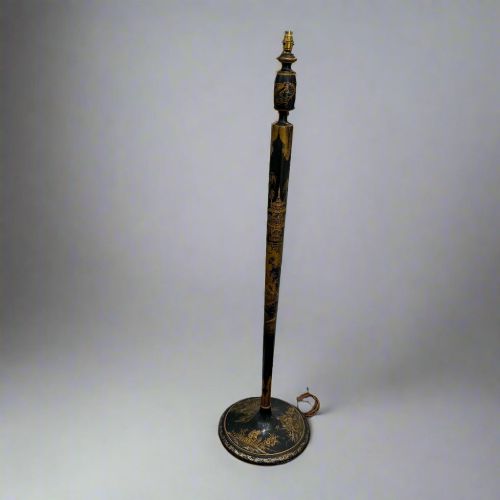
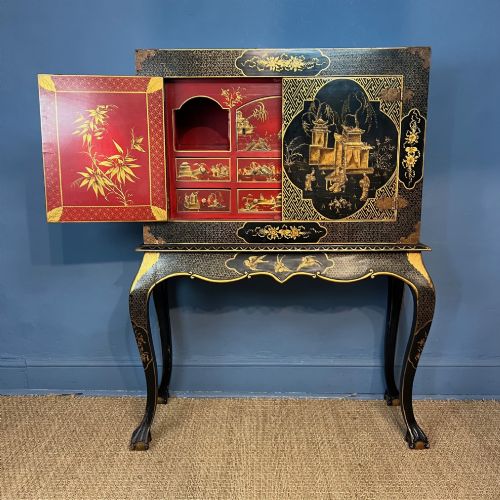
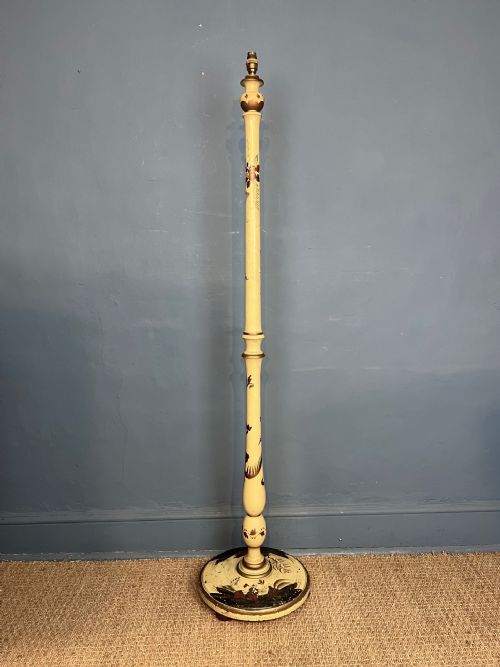
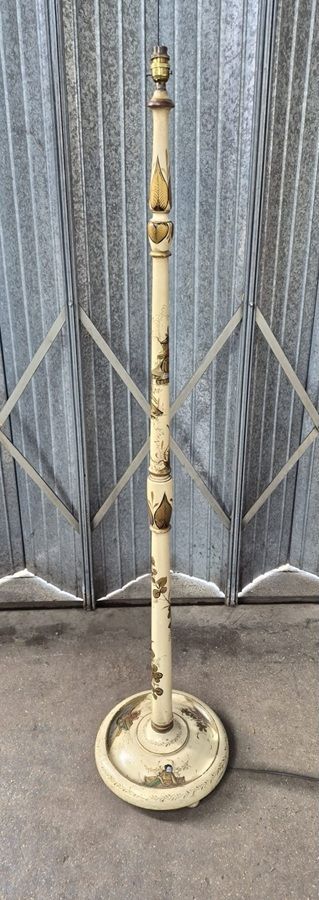
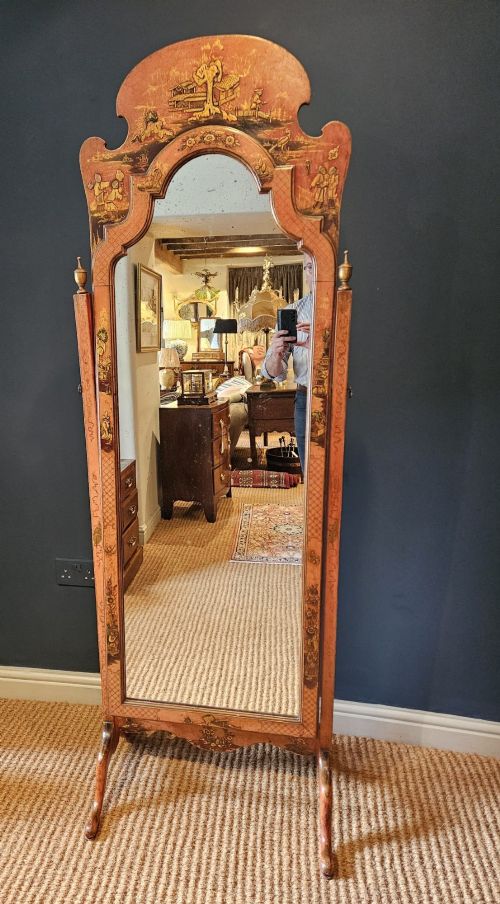
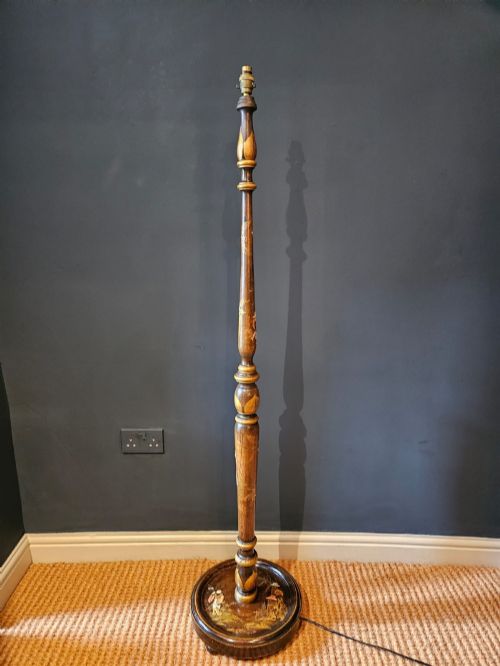
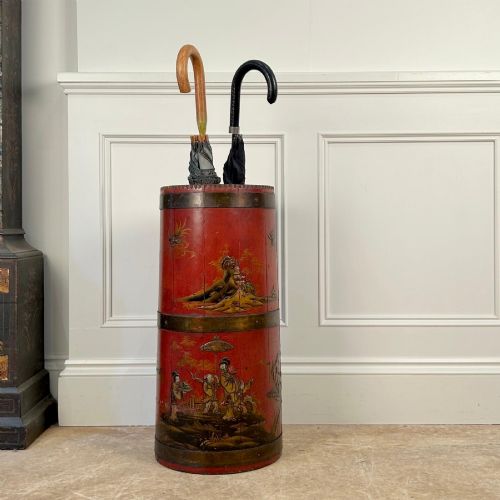
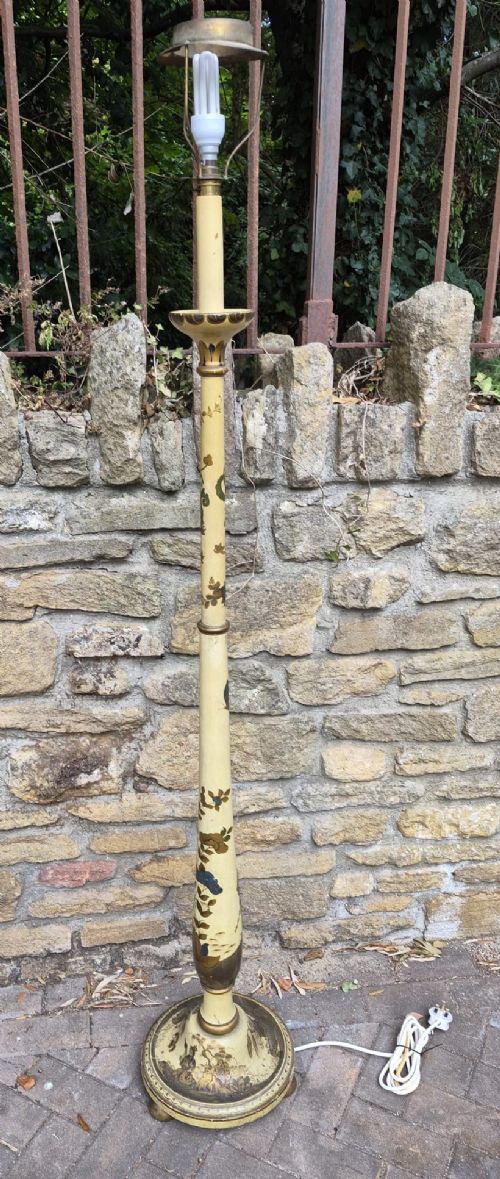
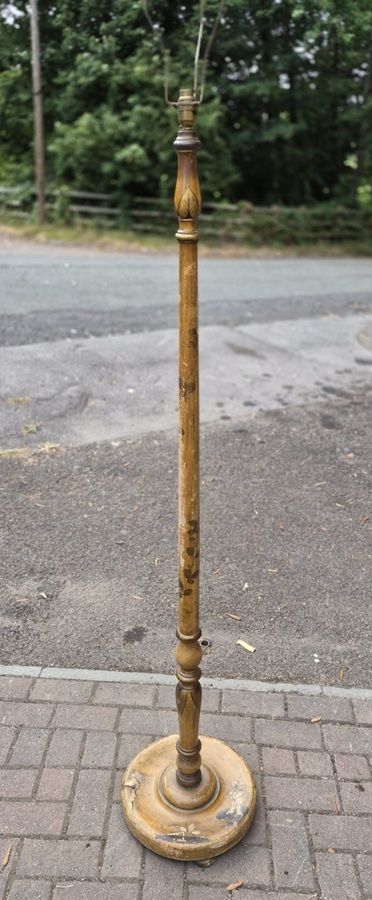
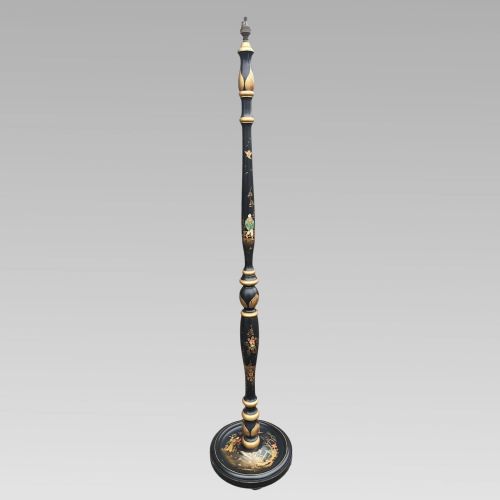
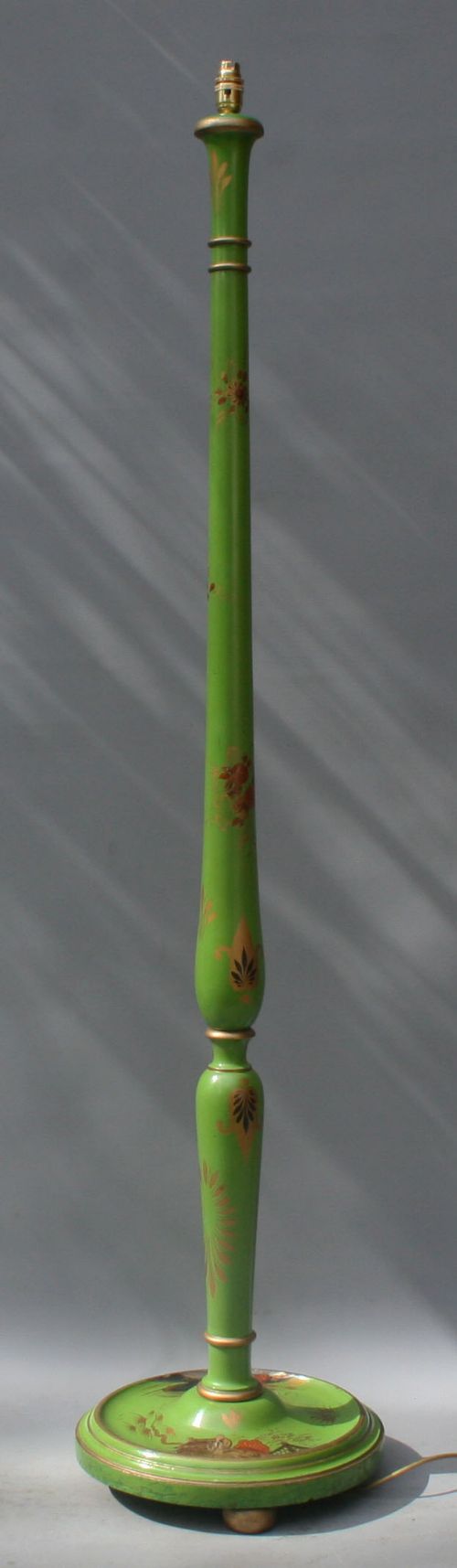
When you search for an edwardian lacquer stand, you are looking at functional furniture finished with glossy black or painted lacquer, frequently decorated with Chinoiserie motifs. These pieces range from standard lamps and floor lamps to umbrella stands, side tables, and display shelves.
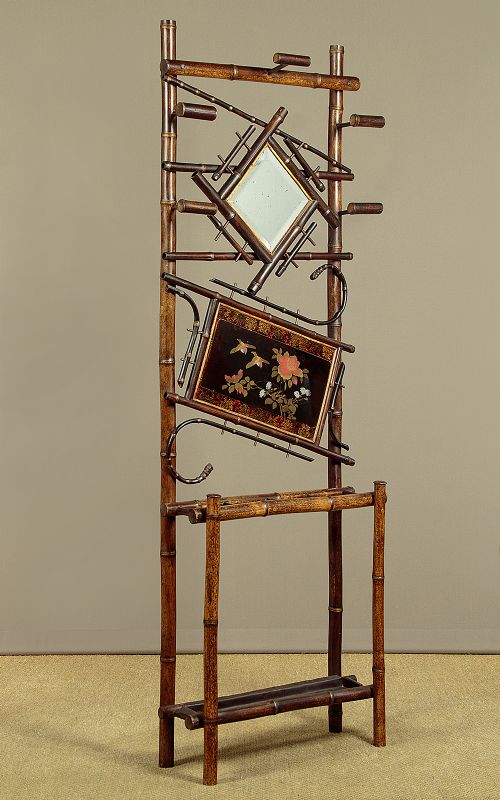
The selection here draws primarily from Edwardian and early twentieth-century origins, alongside pieces from the Victorian era and the 1920s and 1930s. You will encounter forms incorporating bamboo, wood, brass, and painted surfaces.
Standard lamps and side tables dominate the offerings, often reflecting Aesthetic Movement or Queen Anne revival styles. Each piece serves to bring orientalist decoration and dark polished wood into domestic interiors.
Assessing Quality in Lacquer Stands
Quality rests in the depth of the lacquer finish and the precision of the painted or gilt Chinoiserie decoration. Finer examples display crisp detail in the figurative scenes and smooth, even surfaces without excessive wear to the polished coating.
The choice of underlying material also marks the distinction between standard and superior pieces, with solid timber frames, substantial brass accents, and well-preserved bamboo structures indicating better workshop origins.
Edwardian Lacquer Stand Retail Price Guide 2026
Typical asking prices for edwardian lacquer stand among the pieces listed under this phrase on Sellingantiques today, from the lower quarter to the upper quarter. They describe what is for sale here now, not the wider market.
The listings on this site combine Edwardian items with pieces from the Victorian era, the 1920s, and the 1930s, using wood, bamboo, brass, and lacquer.
The Edwardian Lacquer Stand Glossary
- Chinoiserie
- European decorative art influenced by Chinese artistic styles, featuring painted landscapes, figures, and gilt motifs on lacquered surfaces.
- Japanning
- A European imitation of Japanese and Chinese lacquerwork, created by applying layers of varnish and heat-drying them to achieve a hard, glossy finish.
- Aesthetic Movement
- A late-nineteenth-century design style that emphasised visual beauty and oriental influence over narrative or moral content in art and furniture.
- Torchere
- A tall ornamental stand designed to support a lamp or candle, frequently produced in revival styles during the late nineteenth and early twentieth centuries.
- Etagere
- A piece of furniture consisting of a set of open shelves for displaying small objects, sometimes constructed with bamboo or lacquered wood.
Edwardian Lacquer Stand: Frequently Asked Questions
What is an Edwardian lacquer stand?
An Edwardian lacquer stand is a piece of furniture finished with black or painted lacquer, often featuring Chinoiserie decoration. These items include standard lamps, umbrella stands, and small side tables.
They were produced during the early twentieth century and the Edwardian period, drawing on earlier Victorian aesthetic traditions and oriental design influences.
How were these stands used in homes?
These stands served practical functions while adding decorative interest to domestic interiors. Standard lamps provided illumination, while side tables and display shelves held small objects or reading materials.
Umbrella and stick stands offered a designated place for hallway accessories, combining utility with painted orientalist scenes.
What materials do these stands feature?
The listings show pieces constructed from wood, bamboo, and lacquered surfaces. Many incorporate brass hardware, gilt detailing, and painted wood finishes.
Some examples also combine fabric elements or hardstone mounts within the decorative panels.
How do I identify the period of a lacquer stand?
Period identification relies on combining the stated manufacturing era with stylistic clues like Aesthetic Movement forms, Queen Anne revival silhouettes, or 1920s standard lamp proportions. Materials such as bamboo and ebonised wood also point to specific nineteenth and early twentieth-century decades.
Examining the construction methods and the style of the Chinoiserie painting helps distinguish Edwardian pieces from Victorian or later 1930s examples.