




Edwardian Jewelry Display
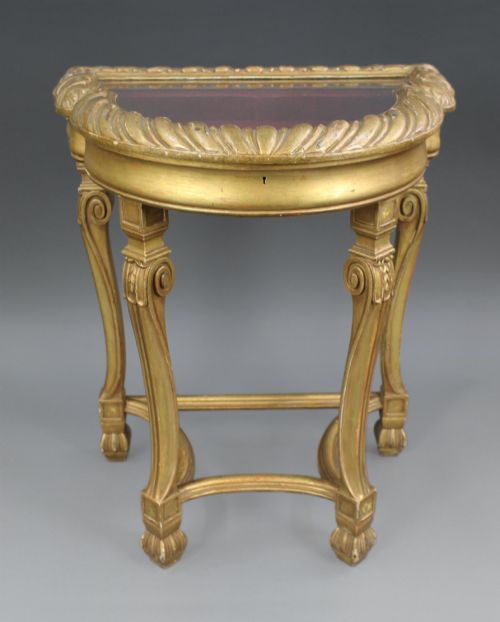
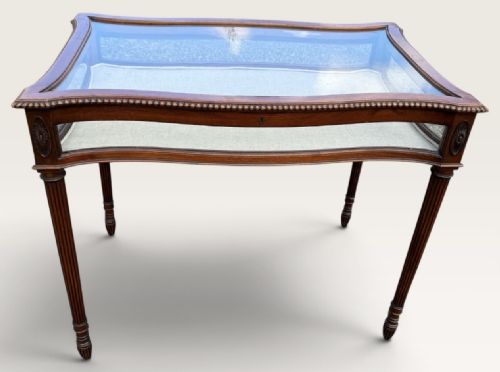
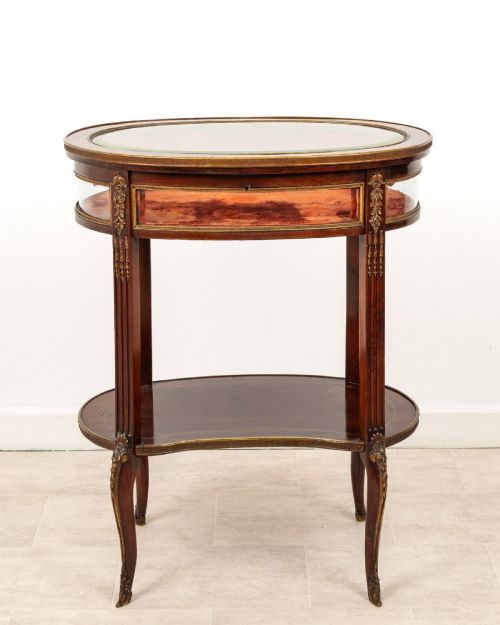
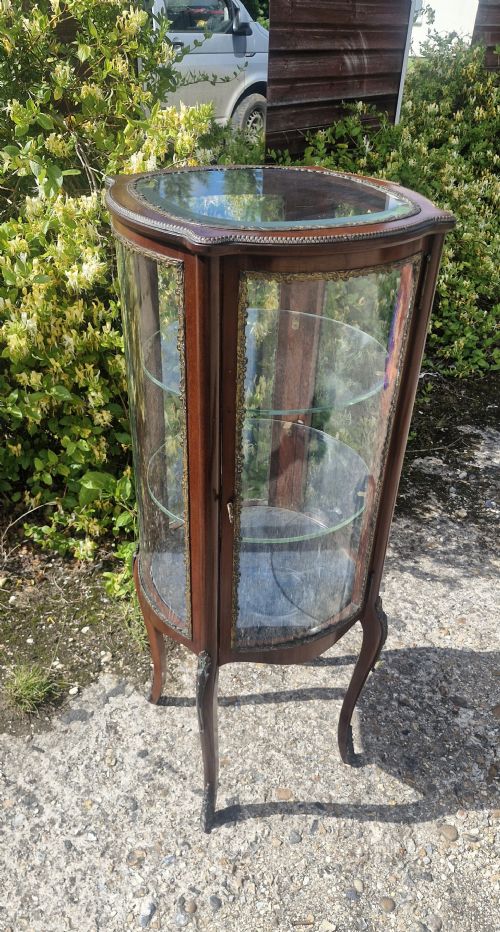
These edwardian jewellery display pieces are glazed table cabinets and vitrines designed to show precious objects.
Edwardian Jewelry Display
An edwardian jewellery display typically takes the form of a glass-topped bijouterie table, a cabinet, or a countertop vitrine designed to elevate small precious items. The most common examples meeting this search phrase are Edwardian mahogany display tables and cabinets, often finished with satinwood inlay or crossbanding.
Makers drew on diverse design influences, ranging from French Rococo Revival and Louis XVI style to Sheraton Revival and Arts and Crafts movements. Pieces span from the late Victorian era through to the Edwardian period and into the 1930s, reflecting changing domestic and retail interiors.
Formats vary significantly from serpentine and kidney-shaped freestanding tables to large oak and mahogany shop display counters and smaller tabletop cases. Each variation provided merchants and private collectors with a secure, glass-enclosed surface suited to inspection.
Materials and Construction
Cabinet makers relied primarily on solid mahogany, walnut, and satinwood, frequently applying delicate stringing, marquetry, or crossbanding to the wooden frames. Structural integrity relied on traditional joinery techniques suited to housing heavy glazed panels and hinged lids.
Glazing forms a central component, utilising bevelled glass panels secured within brass, gilt metal, or ormolu mounts to frame the display area clearly. Interiors are traditionally lined with fabric, velvet, or satin to cushion jewellery and small artefacts.
Metalwork details such as brass locks, hinges, and ormolu mounts add structural reinforcement and decorative contrast to the timber surfaces. These fittings dictate much of the period character, particularly on French-influenced vitrines and English bijouterie tables.
Edwardian Jewelry Display Retail Price Guide 2026
Typical asking prices for edwardian jewelry display among the pieces listed under this phrase on Sellingantiques today, from the lower quarter to the upper quarter. They describe what is for sale here now, not the wider market.
One yew wood table carries later sign-writing for Breitling watches, having traded its polite drawing room duties for a life in horology.
Gradations of Craftsmanship
Quality rests upon the precision of the timber selection, such as the depth of figure in burr walnut or the crispness of satinwood inlay. Superior examples integrate finely cast ormolu or brass mounts that fit flush against the mahogany or kingwood frames.
The sophistication of the glasswork distinguishes finer pieces, particularly where panels are bevelled and fitted neatly into complex serpentine or kidney-shaped carcasses. Heavier structural framing and robust, original locking mechanisms denote higher workshop standards.
Internal upholstery choices reflect the original tier of production, with hand-fitted velvet or silk linings outlasting simpler fabric applications. The fluidity of curved glass and the harmony of proportion across octagonal or oval tables separate standard commercial stock from exceptional commissions.
The Edwardian Jewelry Display Glossary
- Bijouterie table
- A glazed display table specifically constructed to hold and exhibit small valuable items, medals, or jewellery. These tables usually feature a hinged glass top and a fabric-lined interior tray.
- Ormolu
- Gilded bronze or brass mounts applied to furniture for decorative effect, popular in French-influenced design. This metalwork provides metallic contrast against dark timbers like mahogany.
- Vitrine
- A glass-fronted cabinet or case designed for displaying fine objects or porcelain. The term covers both upright cabinets and low countertop display boxes.
- Crossbanding
- A decorative border of veneer laid across the grain of the primary wood surface. It creates a framed perimeter on table tops and cabinet doors.
- Marquetry
- Inlaid patterns formed from different coloured veneers assembled to create pictorial or geometric designs. Craftsmen applied this technique to cabinet panels and table surfaces.
Edwardian Jewelry Display: Frequently Asked Questions
What is a bijouterie table?
A bijouterie table is a specialist display furniture piece featuring a glazed compartment, typically with a hinged lid, designed to showcase jewellery and small collectables. They gained popularity in the nineteenth and early twentieth centuries for both residential drawing rooms and high-end retail shops.
The glass top allows viewers to inspect items from above while keeping them protected from dust and handling. Interiors are almost universally lined with velvet, satin, or fabric to cushion the displayed objects.
How do I clean the velvet interior?
Cleaning historic fabric linings requires extreme caution to avoid damaging aged adhesives and fragile textiles. Light surface dust can be lifted gently using a soft, dry brush or low-suction vacuum attachment.
Avoid applying liquid cleaners or moisture directly to the lining, as this can stain the fabric or warp the wooden baseboards beneath. Professional textile conservation is recommended for heavily soiled or degraded interiors.
Were these used in shops?
Many examples were manufactured specifically for commercial retail environments, functioning as countertop display cabinets or standing shop counters. These commercial pieces often feature robust locking mechanisms and utilitarian framing designed to withstand daily customer interaction.
Other variations were built for domestic settings, allowing collectors to exhibit personal trinkets in a drawing room or boudoir. Distinguishing between commercial and domestic origins usually depends on the scale and the presence of retail signage provisions.
How do I date an Edwardian display case?
Dating relies on examining the timber species, joinery methods, hardware, and stylistic influences present in the construction. Edwardian pieces often combine mahogany or satinwood with lighter Sheraton Revival motifs, whereas earlier Victorian examples favour heavier walnut and rosewood.
Hardware such as locks, brass hinges, and the clarity of the glass provide further chronological indicators. Comparing the decorative vocabulary against documented cabinet-making trends helps narrow the manufacturing window.