
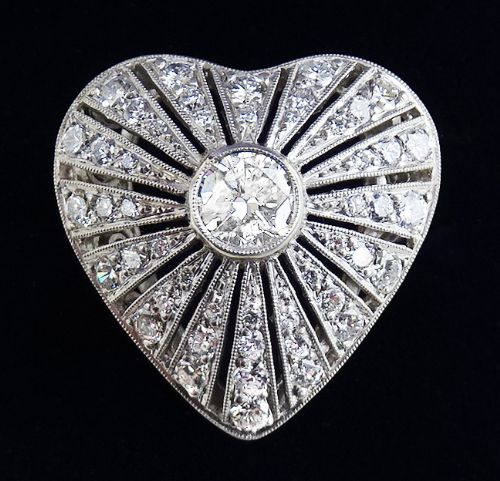
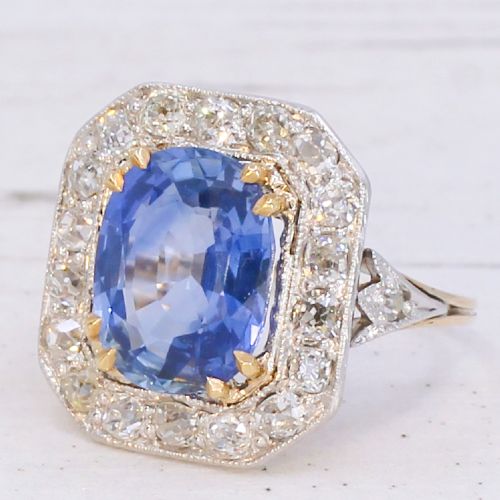
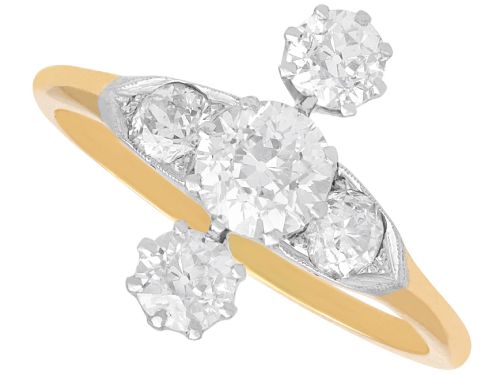
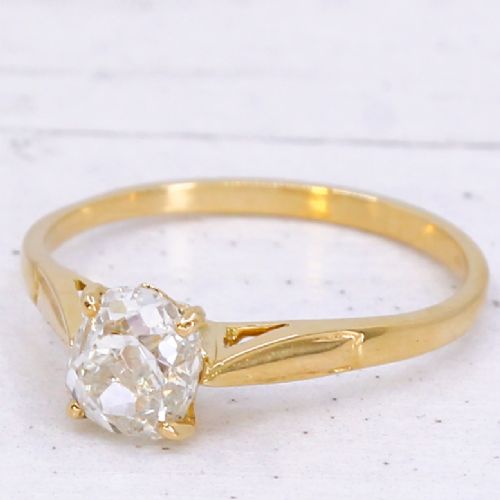
Edwardian Jewellery Gold Ring
These edwardian jewellery gold ring selections capture the fine craftsmanship and distinct gemstone arrangements of the early twentieth century.
Edwardian Jewellery Gold Ring
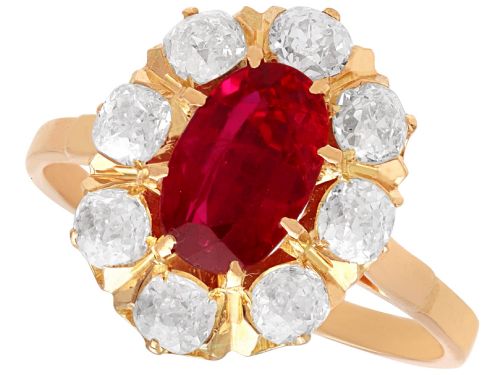
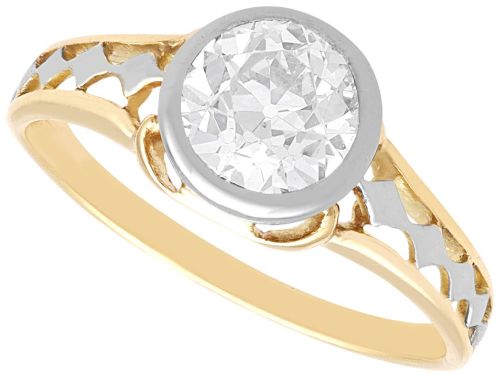
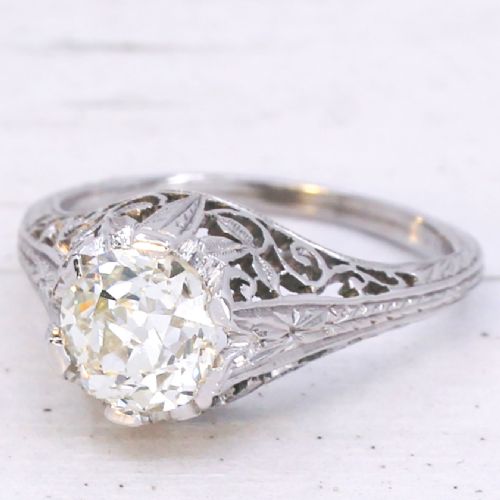
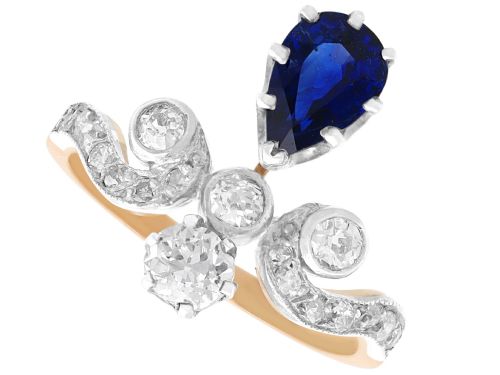
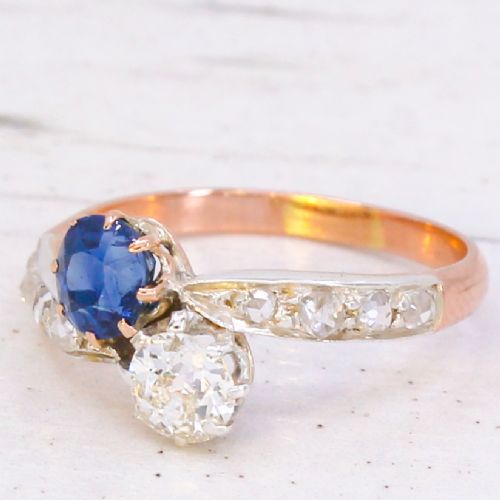
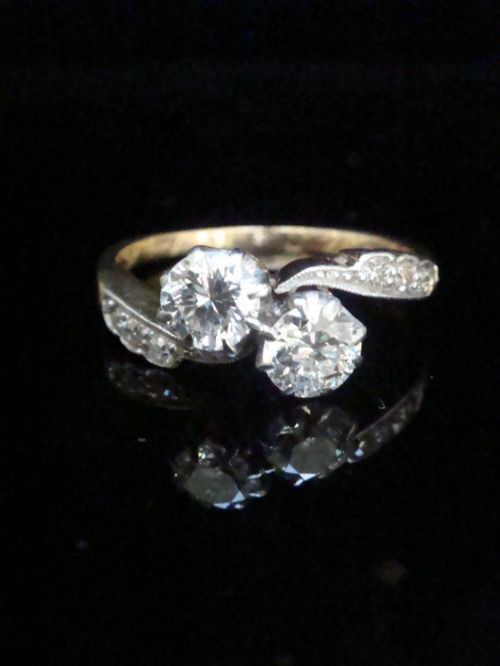
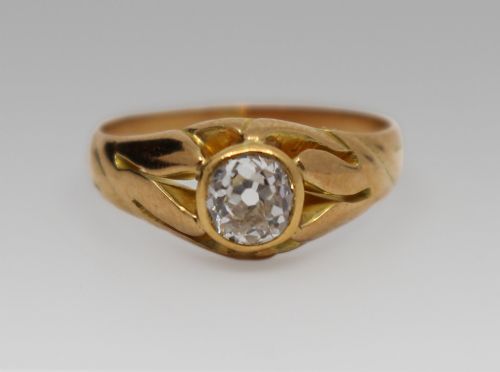
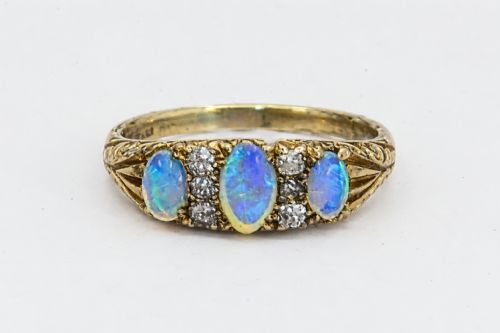
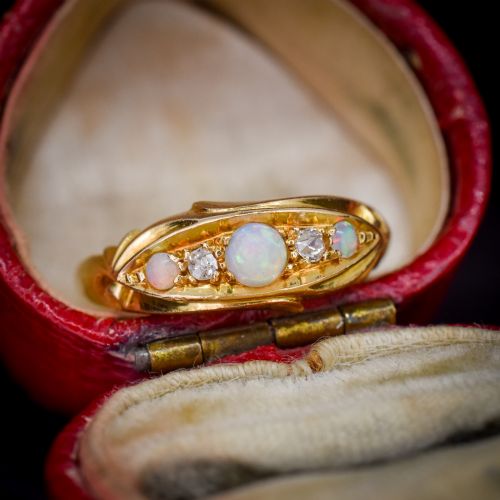
An edwardian jewellery gold ring embodies the delicate aesthetic and meticulous metalwork characteristic of the period spanning from the late nineteenth century into the second decade of the twentieth. Pieces on this page predominantly feature configurations such as boat shapes, clusters, five-stone rows, and two-stone twists.
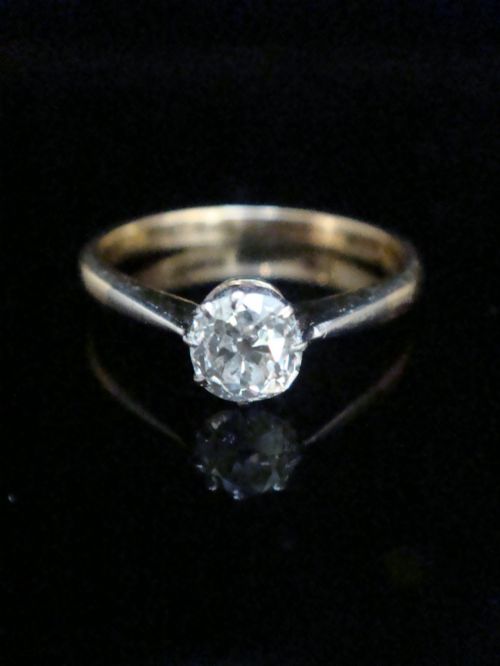
Makers of the era utilised yellow gold, rose gold, and increasingly platinum to mount brilliant old-cut diamonds alongside vibrant coloured gemstones including rubies, sapphires, opals, and emeralds. These rings frequently incorporate pierced galleries and millgrain edges, which typify the refined tastes of the time.
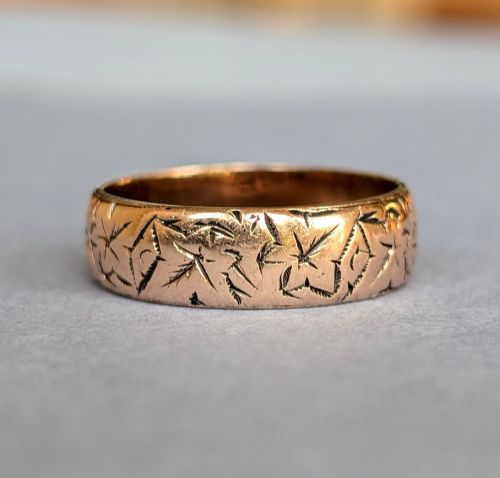
The assortment extends from traditional wedding bands bearing assay office hallmarks to intricate engagement rings designed with symmetrical stone settings. Collectors encounter both slender band designs and prominent cluster rings that showcase the lapidary skills of the era.
Materials and construction
Goldsmiths of this period combined 18ct yellow and rose gold with platinum, employing the newer white metal to securely hold diamonds while enhancing their brilliance. Stones were hand-set into bezels, starburst incisions, or delicate claw mounts.
Techniques such as hand engraving and the application of tiny raised beads along metal edges, known as millgraining, created texture and framed the central gemstones. Halls stamped inside the bands identify the assay offices in cities like Birmingham and Chester alongside specific dates.
Distinctions in quality
The fineness of an edwardian jewellery gold ring rests upon the harmony of its design, the proportion of the gemstones, and the crispness of the hand-carved details. Superior examples exhibit balanced stone sizing where old-cut diamonds and coloured gems complement each other without crowding the metal gallery.
The integrity of the structural metalwork, including undamaged pierced work and clear, legible hallmarks from regional assay offices, elevates a piece. Subtle differences in the precision of the stone setting and the preservation of original engraving distinguish finer specimens.
The Edwardian Jewellery Gold Ring Glossary
- Boat ring
- A ring featuring a curved, elongated setting that tapers towards the shoulders, frequently holding a row of graduated gemstones.
- Old cut
- A diamond facet style popular before modern machine cutting, characterised by a smaller table, higher crown, and distinct culet.
- Toi et moi
- French for you and me, describing a ring design with two main gemstones symbolising two intertwined lives.
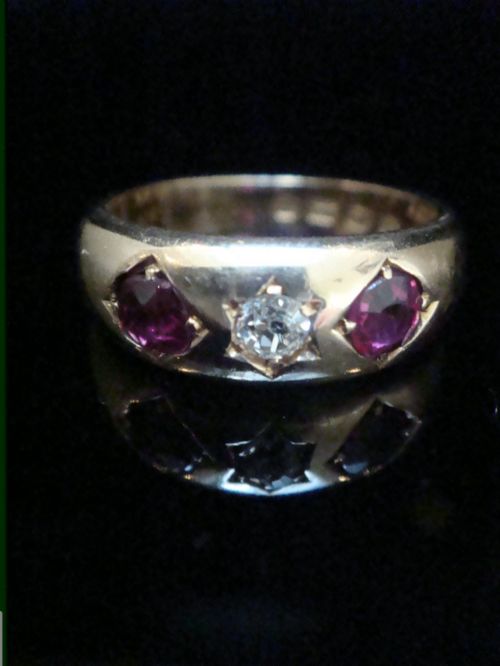
- Gypsy ring
- A band style where stones are flush-set directly into the thick metal surface, sometimes highlighted by starburst engravings.
- Millgrain
- A decorative border of tiny raised metal beads edging a setting or band.
Edwardian Jewellery Gold Ring: Frequently Asked Questions
How do I identify an authentic piece?
Authentic pieces typically feature assay office hallmarks, specific gold purities such as 18ct, and traditional hand-cut stones characteristic of the era.
Examining the metalwork under magnification reveals the hand-carved details and bezel settings unique to early twentieth-century manufacturing methods.
Can these rings be resized easily?
Many gold and platinum bands can be altered by a skilled jeweller, though intricate shoulders or heavy engraving require careful handling.
It is essential to consult a specialist who understands antique settings to preserve the structural integrity and original hallmarks.
What gemstones are most common?
Diamonds and rubies frequently appear alongside sapphires, opals, and pearls in various cluster and multi-stone arrangements.
These stones were chosen for their colour and were shaped using traditional cutting techniques that predate modern gem grading.
How should I care for my ring?
Regular cleaning with a soft brush and warm soapy water helps maintain the brightness of the gold and the sparkle of the stones.
Avoid harsh chemical cleaners and ultrasonic baths, particularly with softer gems like opals and pearls found in period settings.