
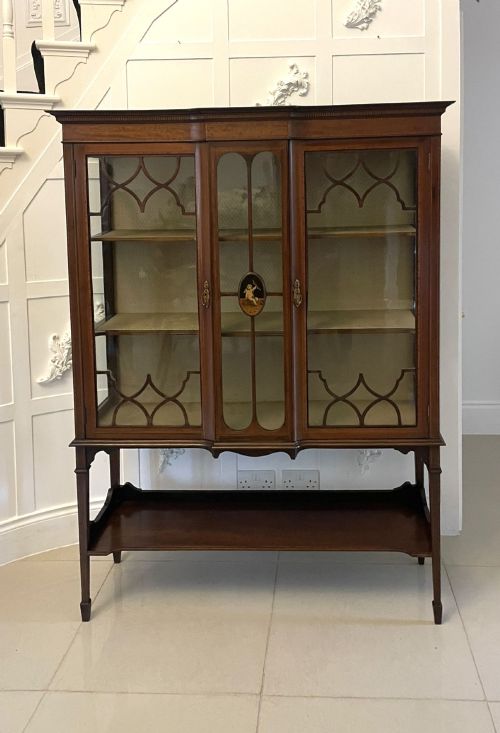
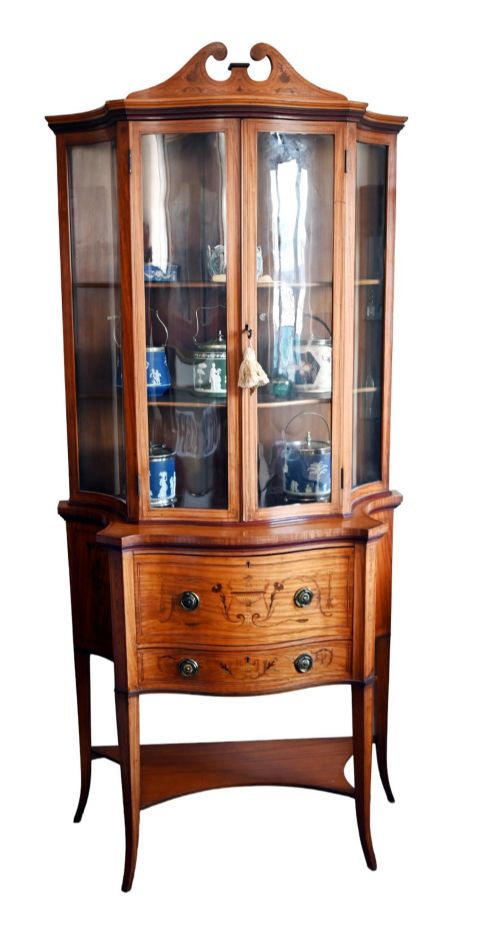
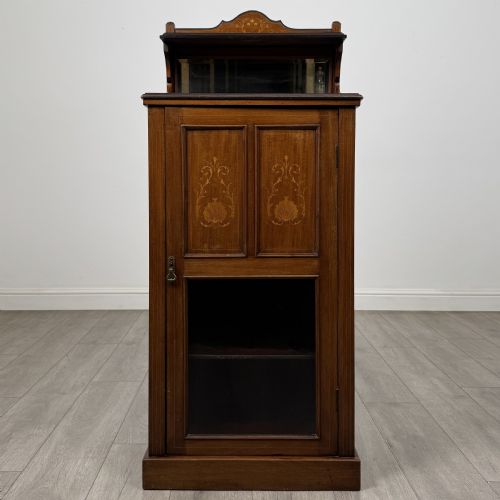
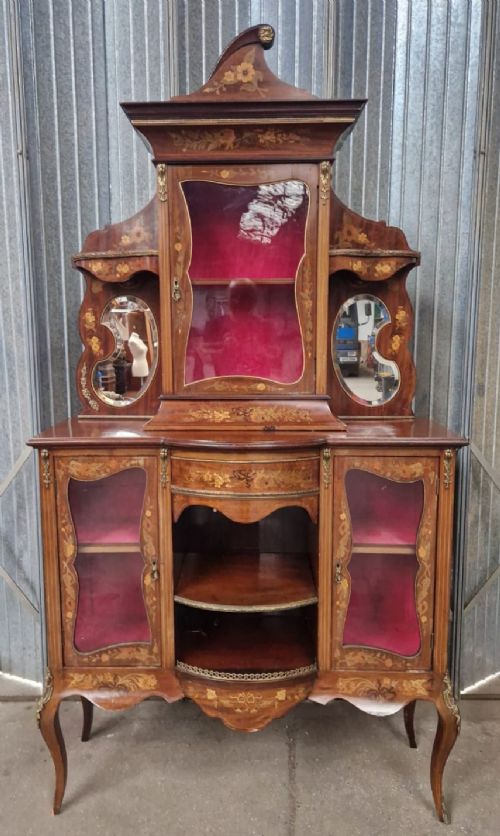
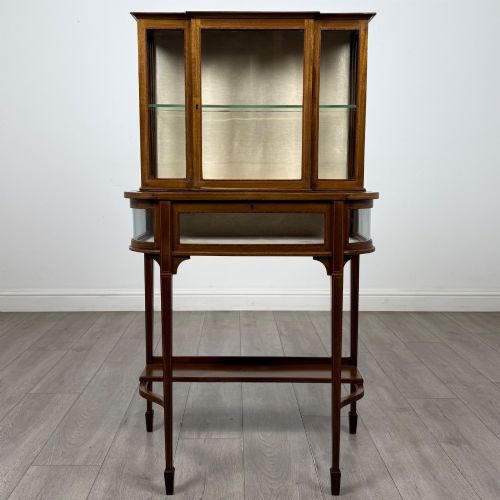
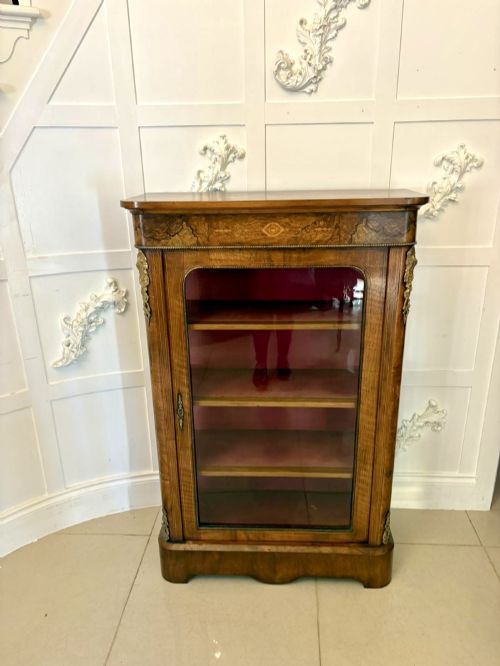
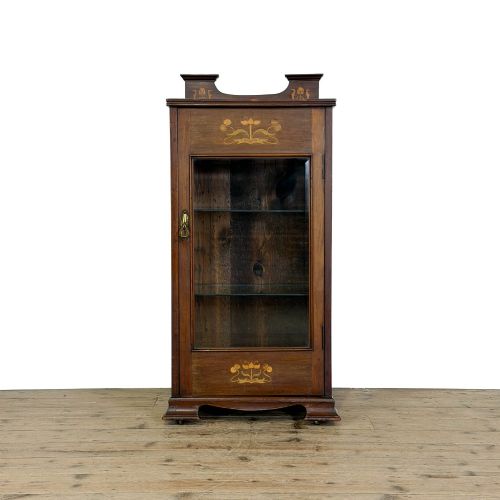
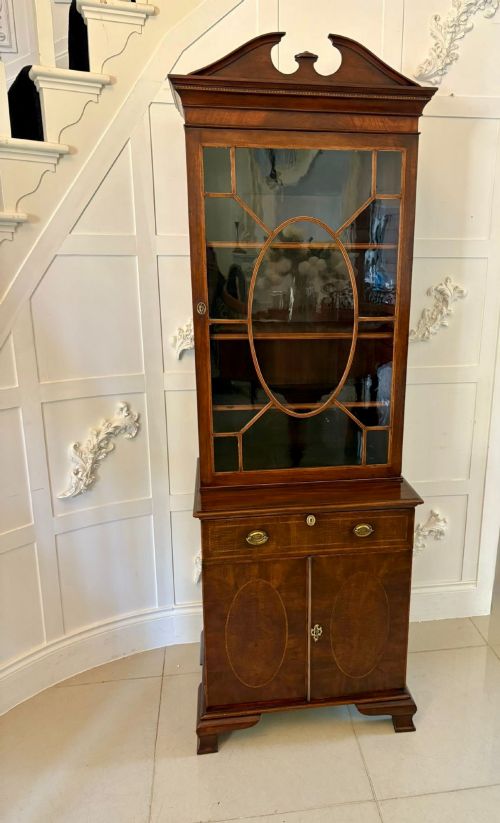
Edwardian Inlaid Glazed Cabinet
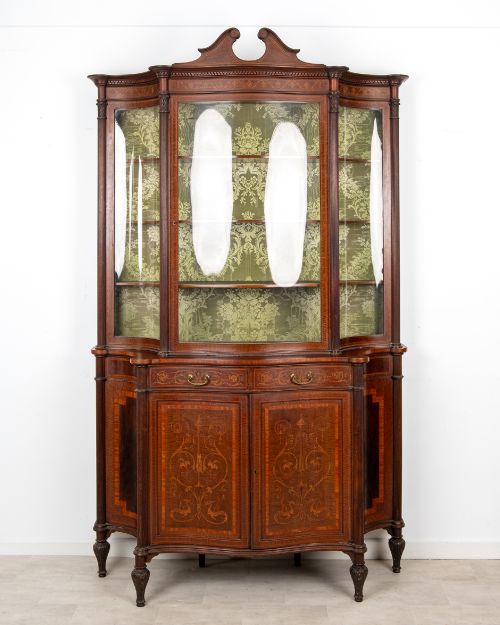
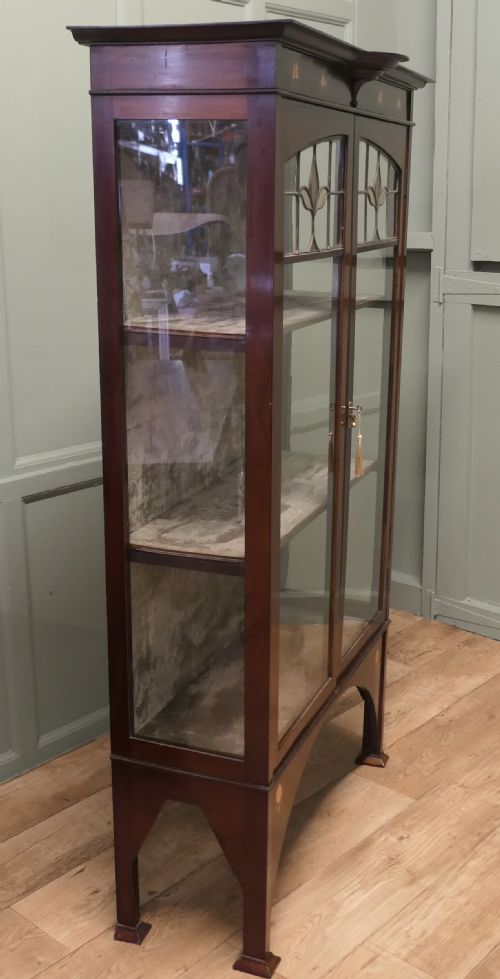
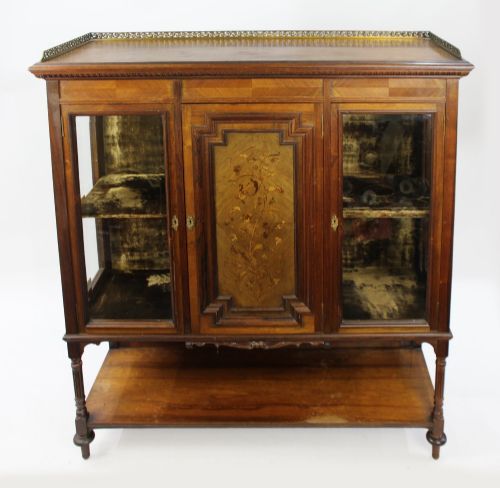
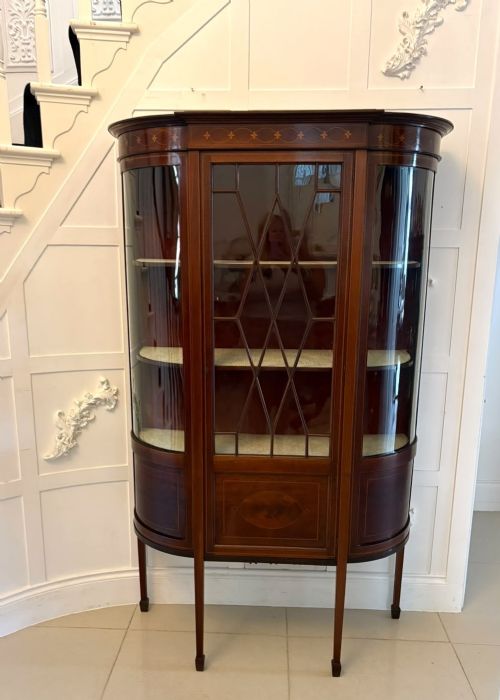
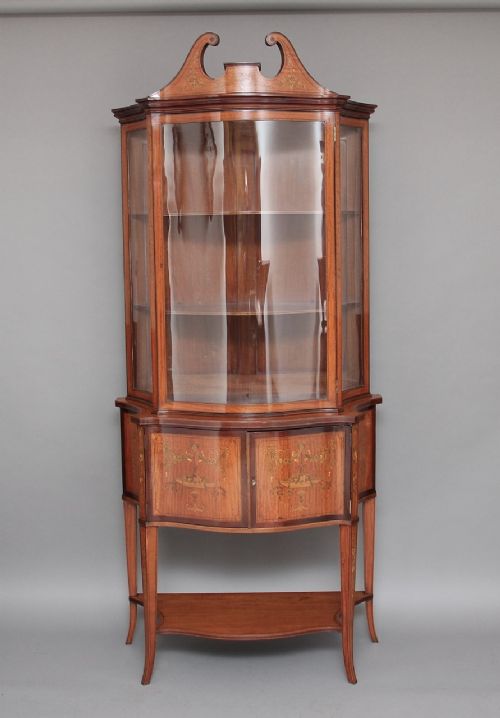
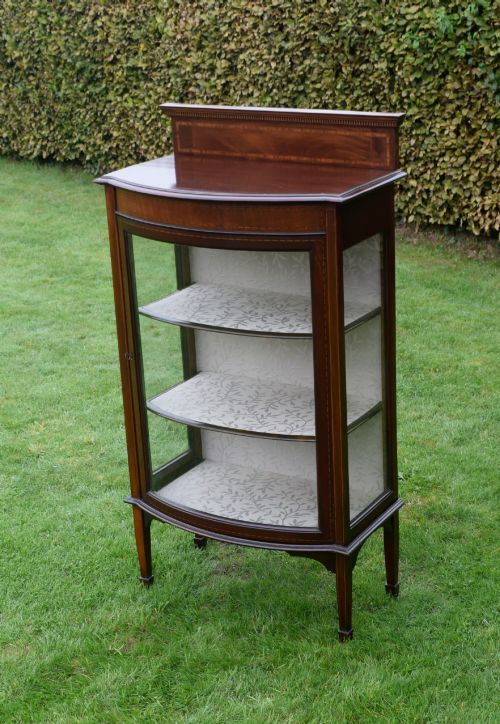
An edwardian inlaid glazed cabinet brings refined mahogany, delicate satinwood marquetry, and crystal-clear display space together for the modern interior.
Edwardian Inlaid Glazed Cabinet
The edwardian inlaid glazed cabinet serves primarily as a refined display vessel for porcelain, glassware, and treasured objects within the home. Pieces originating from this period frequently pair structural timbers like mahogany with lighter contrasting woods, creating a formal yet luminous presence.
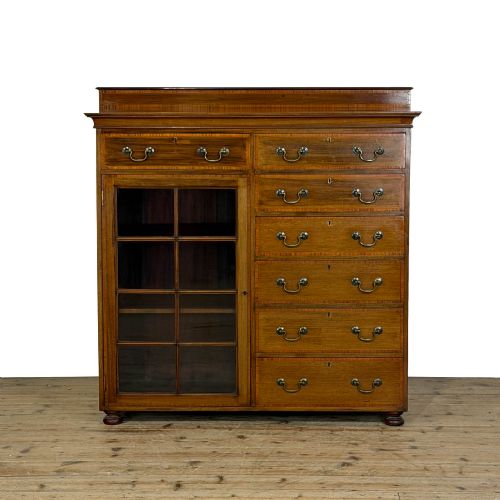
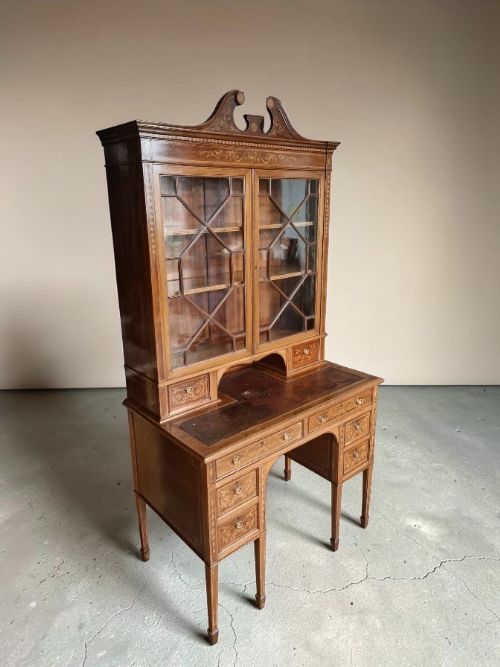
Buyers encountering this group will frequently find freestanding display cabinets, corner cupboards, and two-part bookcase combinations featuring glazed doors. While many date directly to the Edwardian era or the broader turn of the twentieth century, related Victorian and Sheraton Revival pieces also appear.
The form developed to showcase collections under glass while protecting them from dust, utilising slender glazing bars and mirrored backs to maximise interior light. Whether standing on tall tapered legs or presented as bow-fronted corner units, these works reflect a period of exceptional cabinet-making skill.
Materials and construction
Makers built these cabinets predominantly using solid mahogany or satinwood carcasses, often embellished with intricate floral marquetry and contrasting wood inlays. Glazing was secured with fine wooden bars, occasionally incorporating leaded glass or astral configurations.
Surface decoration relied on detailed wood inlay and marquetry, alongside specialist touches such as burr walnut veneers, brass fittings, and hand-painted panels. Cabinetmakers combined traditional framing joints with delicate stringing to define doors, cornices, and shelves.
The selection spans freestanding display units, bow-fronted corner cupboards, and specialised music sheet cabinets originating around nineteen hundred.
Distinctions in quality
Quality reveals itself in the precision of the marquetry and the crispness of the timber selection, where tightly figured satinwood and rich mahogany outclass plain alternatives. Superior examples often bear the stamp of notable cabinet-making firms known for meticulous attention to structural joinery and glass selection.
Edwards and Roberts·Maple and Co
The Edwardian Inlaid Glazed Cabinet Glossary
- Marquetry
- Decorative patterns formed by fitting together small pieces of wood veneer, shell, or ivory into a primary wooden surface. This technique allows for complex floral and geometric designs across cabinet doors.
- Astral glazing
- A method of dividing a glass window or door panel into smaller panes using slender wooden framework. These intersecting bars create light, geometric divisions that enhance the display function.
- Sheraton Revival
- A late nineteenth and early twentieth century design movement inspired by the neoclassical furniture of Thomas Sheraton. Pieces in this style utilise satinwood, painted details, and tapered legs.
- Pier cabinet
- A low freestanding cabinet designed specifically to fit against the wall space between windows. These pieces often feature glass doors and elaborate marquetry.
- Credenza
- A grand sideboard or display unit originally developed for dining rooms, frequently mounted with ormolu and featuring glazed side compartments.
Edwardian Inlaid Glazed Cabinet: Frequently Asked Questions
What is an edwardian inlaid glazed cabinet?
An edwardian inlaid glazed cabinet is a glass-fronted display piece created during the early twentieth century, featuring decorative wood inlays on timbers such as mahogany or satinwood.
These cabinets were designed to showcase porcelain and decorative objects while protecting them within formal drawing rooms or parlours.
How do I style these cabinets at home?
These cabinets suit both traditional and contemporary interiors when used to display collections of ceramics, glassware, or books behind their original glass doors.
Placing them in living rooms or dining spaces allows the reflective mirrored backs and delicate marquetry to catch natural light.
How do I distinguish Edwardian from Victorian cabinets?
Edwardian cabinets generally exhibit lighter timbers, satinwood highlights, and airier proportions influenced by the Sheraton Revival style.
Victorian counterparts often rely on darker, heavier woods like burr walnut or rosewood with denser, more massive structural silhouettes.
Where were corner cabinets placed?
Corner cabinets were constructed specifically to fit neatly into the unused angles of period rooms, effectively utilising vertical wall space.
Floor-standing and wall-hanging versions both served to display valuable porcelain without cluttering the main floor area.