
Edwardian Inlaid Display Cupboard
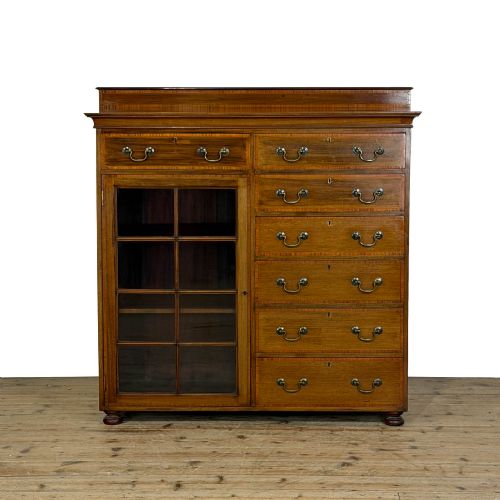
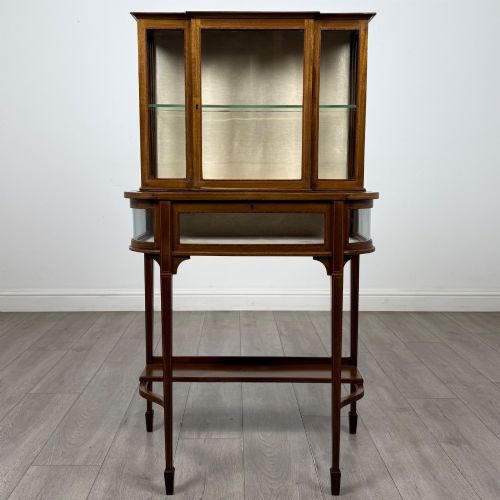
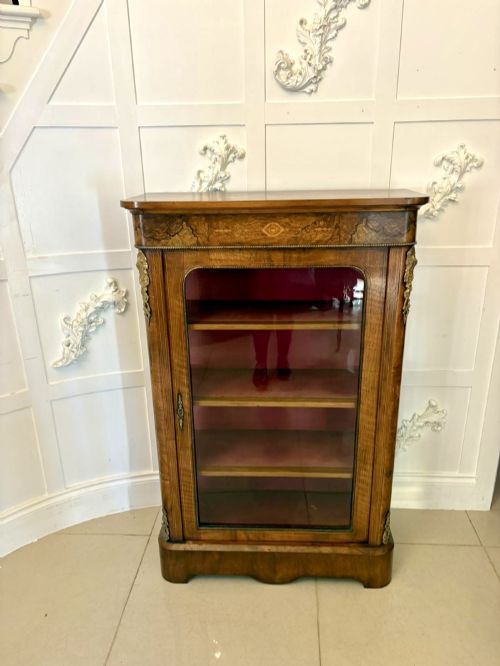
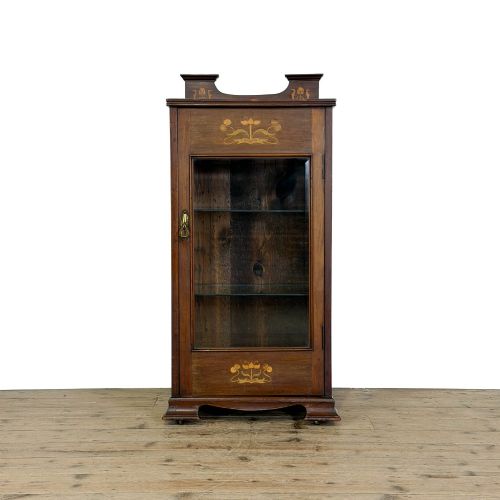
An edwardian inlaid display cupboard brings together fine cabinet-making and delicate timber work to showcase porcelain and glass.
Edwardian Inlaid Display Cupboard
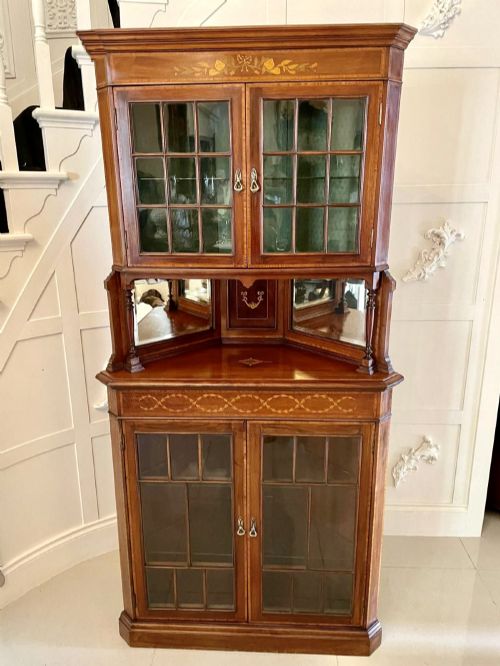
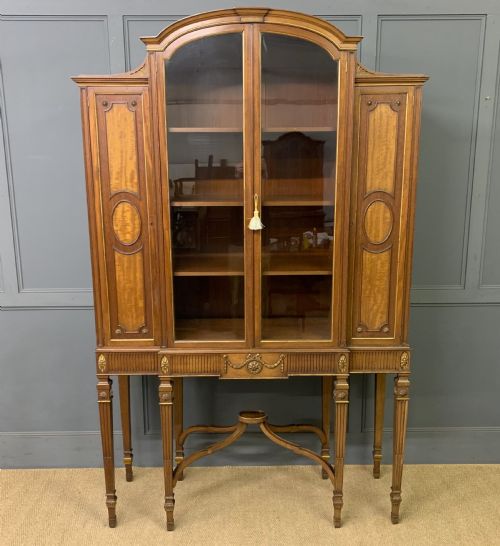
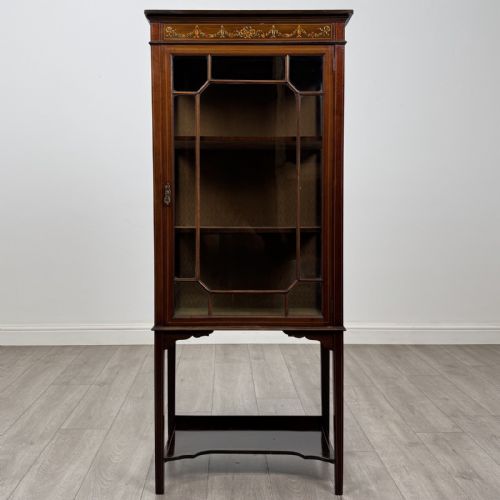
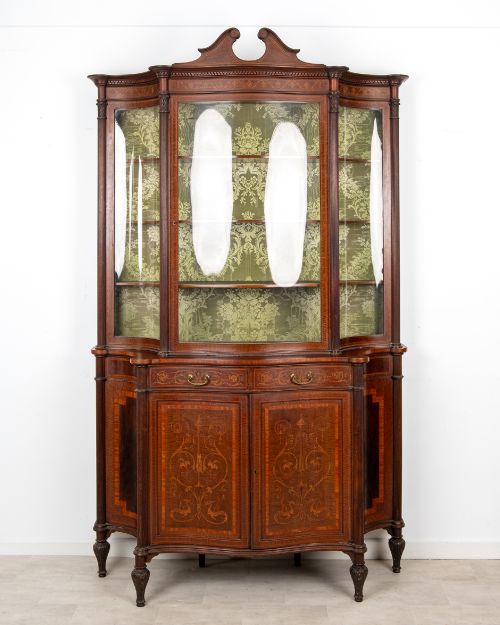
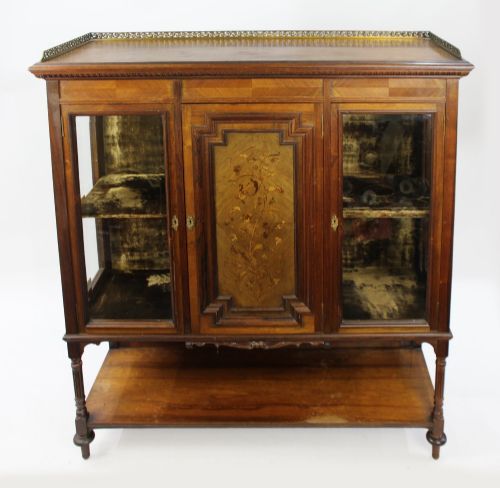
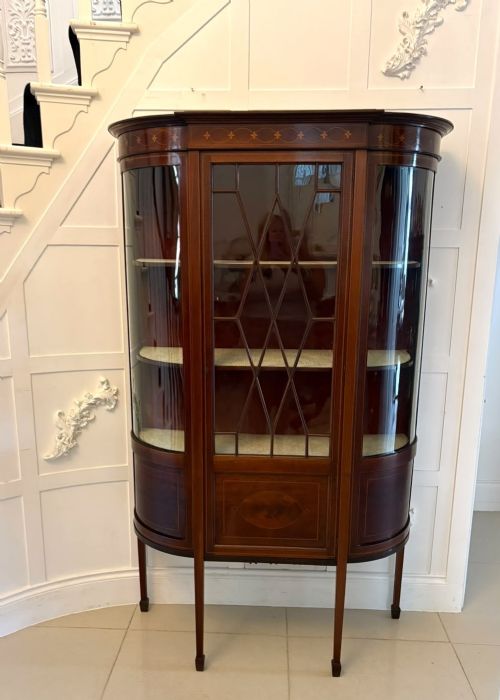
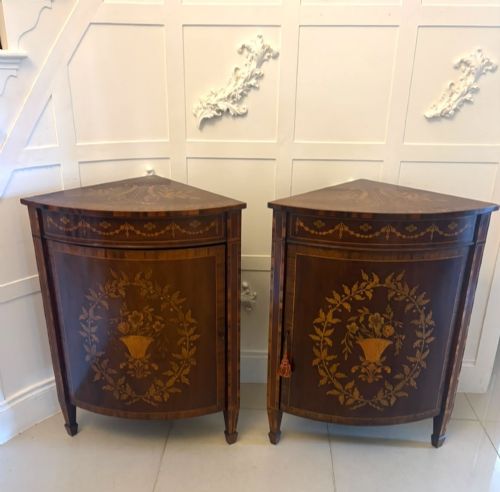
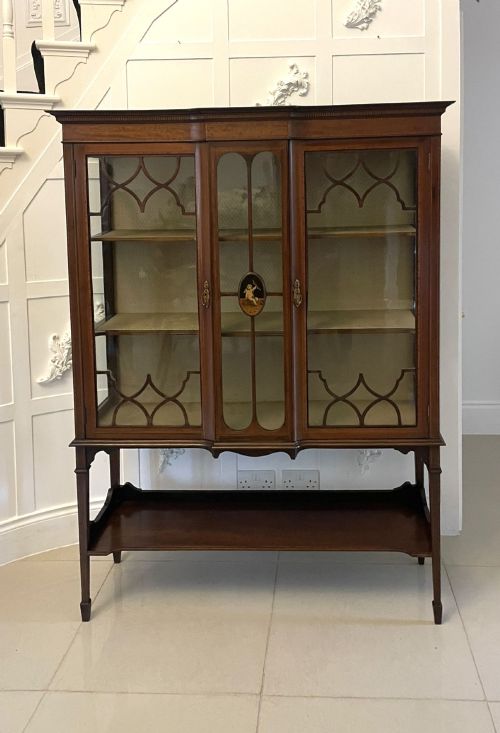
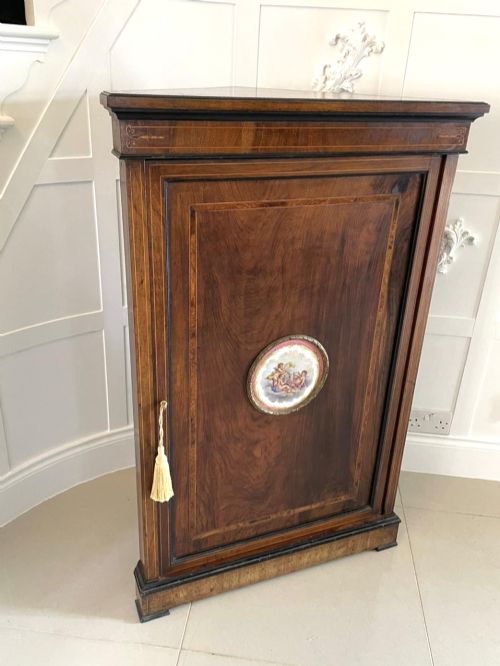
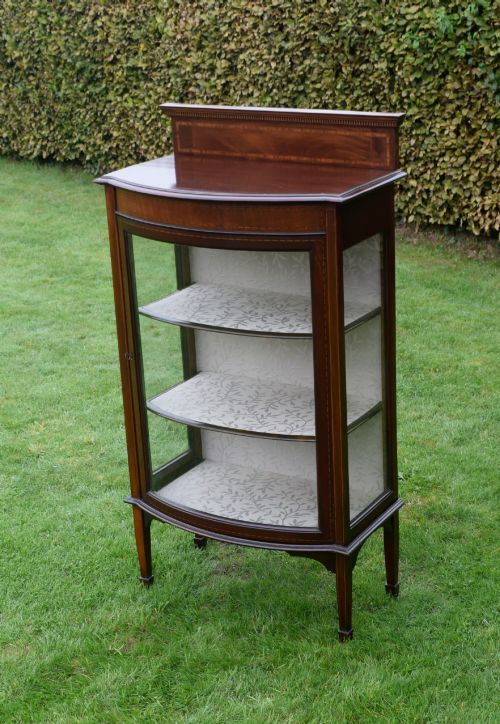
An edwardian inlaid display cupboard offers a refined storage solution designed to exhibit treasured possessions behind glass. These pieces span standard upright formats, corner designs, and two-part standing cabinets.
The Edwardian examples dominate the selection, often drawing on earlier Victorian and Sheraton Revival design principles. Buyers encounter variations ranging from slim corner units to wide double-door cabinets featuring glazed panels.
How they were made
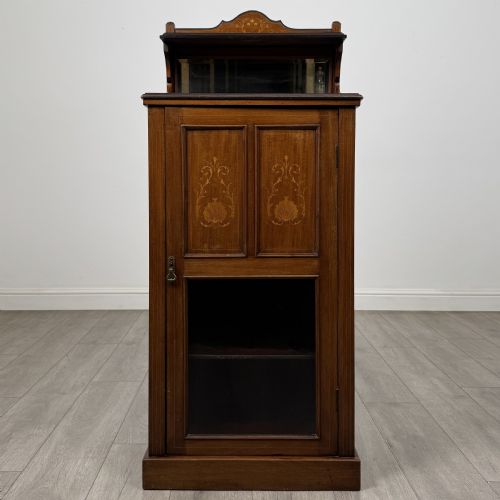
Cabinet-makers relied primarily on solid mahogany and walnut as foundational timbers, frequently incorporating satinwood and harewood for contrasting surfaces. Panels of intricate marquetry and satinwood inlay ornamentation decorate the primary facades.
Glazing takes the form of straightforward glass panes or detailed astragal configurations, occasionally complemented by mirror backs inside the display area. Brass fittings and ormolu accents finish the hardware and structural details.
What varies in quality
The standard of execution in the marquetry and satinwood inlay work marks the main division between ordinary production and finer items. Crisp, tight floral and geometric motifs demand high skill from the maker.
Timber selection and the integration of secondary woods dictate the overall integrity of the construction. Superior examples maintain balanced proportions, refined timber figuring, and harmonious secondary detailing without visual clutter.
Edwards & Roberts·Maple & Co.
The Edwardian Inlaid Display Cupboard Glossary
- Marquetry
- Decorative veneer work forming pictures or patterns by assembling small pieces of different coloured wood.
- Astragal glazing
- Wooden or metal bars holding small panes of glass within a cabinet door.
- Satinwood inlay
- Contrasting pale, yellow-toned timber embedded into a darker primary wood to create decorative borders.
- Sheraton Revival
- A late nineteenth and early twentieth-century style imitating the elegant, classical furniture forms of the eighteenth century.
Edwardian Inlaid Display Cupboard: Frequently Asked Questions
What is an edwardian inlaid display cupboard?
These pieces are glazed wooden cabinets built to exhibit china and decorative items while protecting them from dust.
They combine structural display shelving with detailed timber inlay work typical of the early twentieth century.
Where should I place a corner cabinet?
Corner units fit directly into room angles to utilise dead space while providing full-height glass viewing areas.
They suit smaller rooms where flat-wall cabinets might obstruct pathways or overpower the interior layout.
How do I distinguish Edwardian from Victorian styles?
Edwardian examples generally display lighter timbers, greater use of satinwood inlay, and airier proportions derived from Sheraton Revival taste.
Victorian cabinets tend toward heavier solid walnut or mahogany bodies with darker finishes and denser carvings.
What is astragal glazing?
Astragal glazing refers to the delicate wooden framework dividing glass panels into smaller panes within the door.
This technique adds visual rhythm and structural support to the front of the display section.