


Edwardian Inlaid Arm Chair
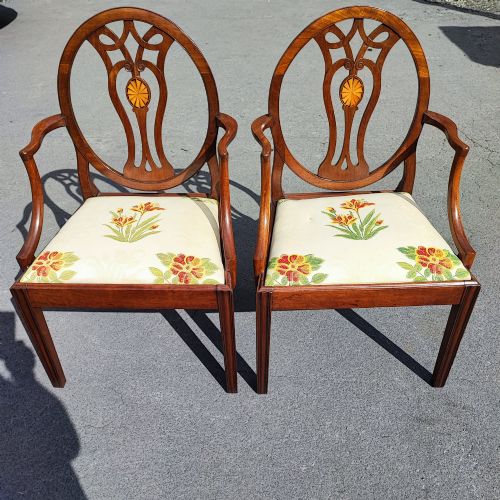
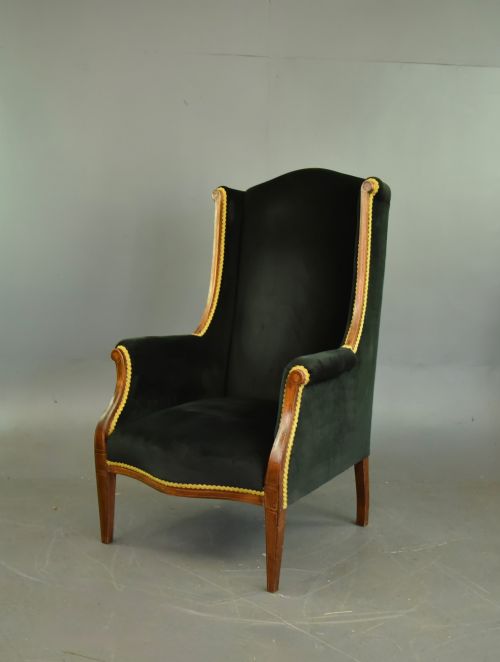
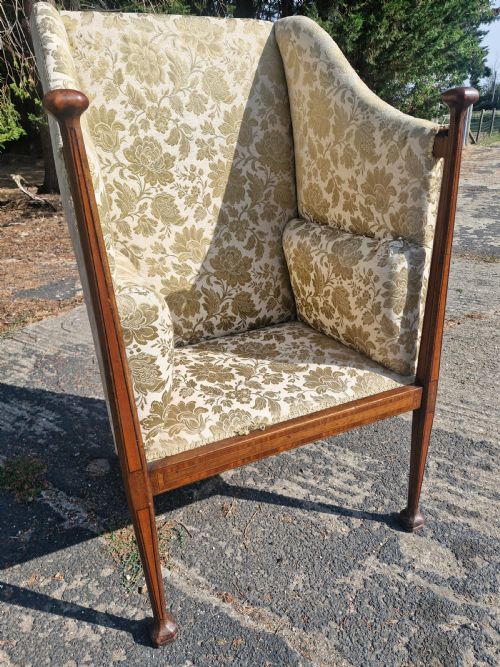
An edwardian inlaid arm chair brings subtle decorative marquetry and comfortable proportions to a parlour, bedroom or study.
Edwardian Inlaid Arm Chair
The edwardian inlaid arm chair represents a refined seating form originating primarily around the turn of the twentieth century. These pieces combine slender mahogany or walnut frames with delicate wood inlay, offering a lighter alternative to heavier Victorian furnishings.
Buyers encounter numerous variations on this page, ranging from standard salon chairs and corner seats to tub chairs and bergere models with cane panels. Many examples draw inspiration from earlier Sheraton and Art Nouveau design vocabularies.
Makers often adapted the edwardian inlaid arm chair for specific domestic settings, producing specialised versions for desks, bedrooms, and morning rooms. Upholstery varies from contemporary fabric and leather to historical textiles.
Materials and construction
Makers built the primary frame using solid timbers such as mahogany and walnut, frequently pairing the dark wood with contrasting satinwood for decorative effect. These components were shaped to form open arms, curved backs, and occasional X-frame supports.
Decoration relied heavily on intricate wood inlay and marquetry, integrating lighter veneers into geometric or floral motifs along the splats and crest rails. Caned panels or upholstered pads provided the seating surface, sometimes resting on castors.
Edwardian Inlaid Arm Chair Retail Price Guide 2026
Typical asking prices for edwardian inlaid arm chair among the pieces listed under this phrase on Sellingantiques today, from the lower quarter to the upper quarter. They describe what is for sale here now, not the wider market.
Design styles span Edwardian, Art Nouveau, Sheraton Revival, and Victorian periods from the late nineteenth and early twentieth centuries.
Assessing quality in construction and inlay
Quality rests upon the crispness of the timber inlay and the precision with which contrasting veneers fit into the primary mahogany or walnut body. Finer examples display meticulous hand-cut marquetry rather than simpler stringing.
Structural integrity also separates the tier of seating, evident in the tightness of the joinery and the durability of the open frame. Pieces retaining original upholstery methods or high-grade bergere cane work indicate superior workshop production.
Shoolbred
The Edwardian Inlaid Arm Chair Glossary
- Bergere
- An upholstered armchair featuring enclosed cane sides and back panels. These seats often utilise exposed mahogany frames.
- Marquetry
- Decorative veneer work arranged in pictorial or floral patterns. Craftsmen use contrasting woods to create detailed ornamentation on the backrest.
- Corner chair
- A seating form designed to fit into room angles, featuring a diagonal seat and a continuous curved armrest supported by multiple spindles.
- Tub armchair
- A comfortable seat with a curved, semi-circular back enclosing the sides. Edwardian versions frequently incorporate inlaid details along the top rail.
- Sheraton revival
- A late nineteenth and early twentieth century style emulating the neoclassical furniture designs of Thomas Sheraton. These items favour satinwood inlay and tapered legs.
Edwardian Inlaid Arm Chair: Frequently Asked Questions
How do I identify an authentic edwardian inlaid arm chair?
Authentic pieces display period construction techniques, including hand-cut mahogany frames and genuine wood marquetry rather than printed substitutes.
Examine the timber patination and the wear patterns on the legs and armrests to confirm age and origin.
Were these chairs used at desks or in parlours?
Makers produced these seats for multiple domestic functions, including specific versions for writing desks, dressing tables, and general salon use.
Lower salon models suited reception rooms, while elbow variants served library and office tasks.
What is the difference between an armchair and a tub chair?
Standard armchairs feature open wooden frames with distinct armrests attached to a vertical or slightly raked backrest.
Tub chairs enclose the sitter with a continuous curved back and sides, often integrating cane panels or fully upholstered walls.
How should I care for the inlaid veneer?
Protect the delicate satinwood and mahogany marquetry by keeping the furniture away from direct sunlight and sudden temperature shifts.
Apply a traditional beeswax polish sparingly to maintain the lustre of the wood without softening the glue beneath the veneer.