





Edwardian Inkwell
An edwardian inkwell brings the quiet discipline of the writing desk into focus through silver, glass, and brass.
Edwardian Inkwell
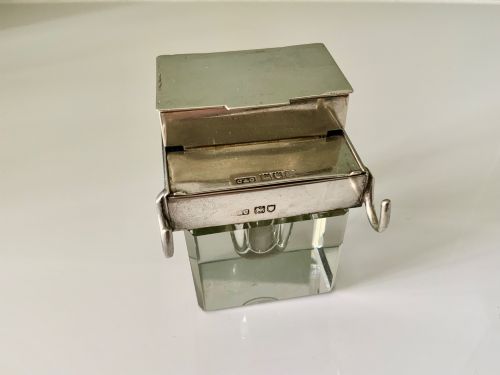
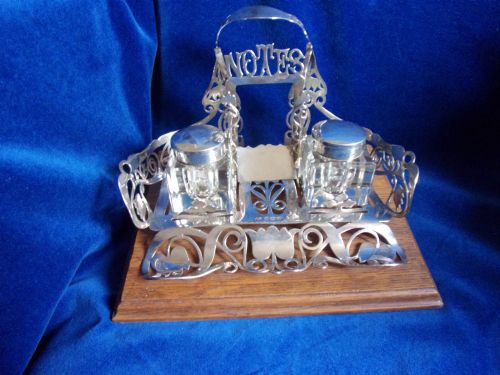
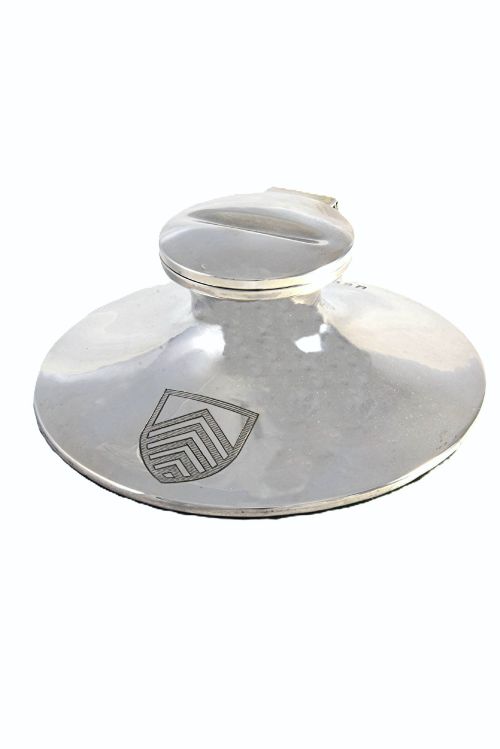
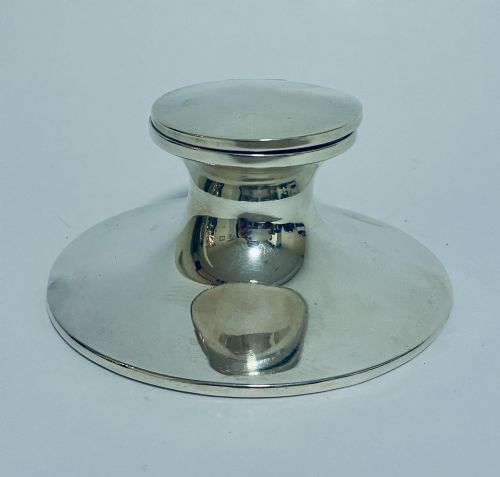
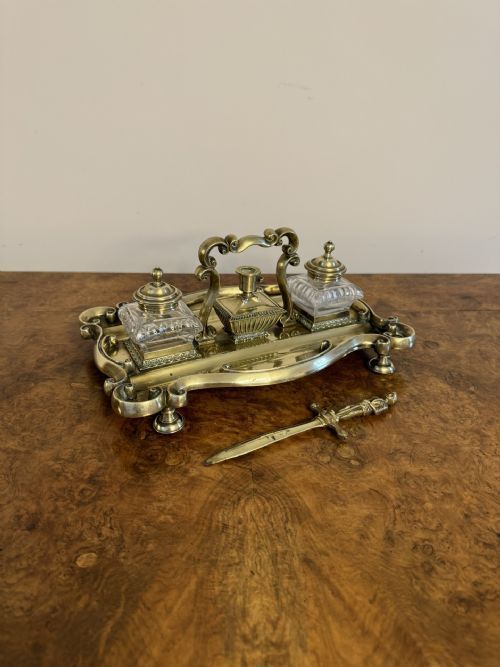
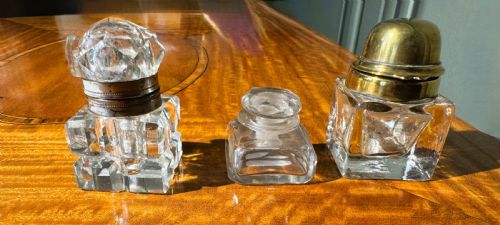
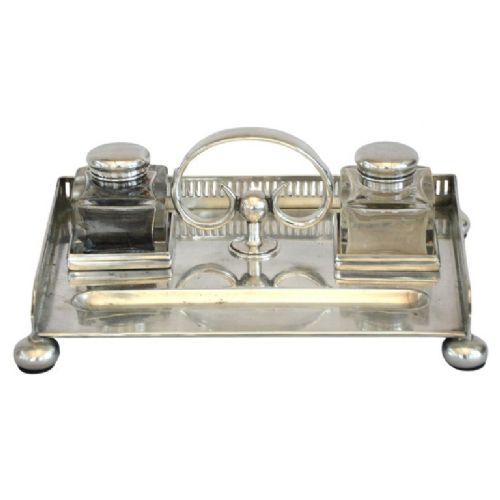
An edwardian inkwell takes many forms on the desk, spanning simple glass pots, heavy silver capstans, and elaborate stands fitted with drawers and pen rests.
Most examples originate from the early decades of the twentieth century or the late nineteenth century, reflecting the material culture of traditional correspondence.
How They Were Made
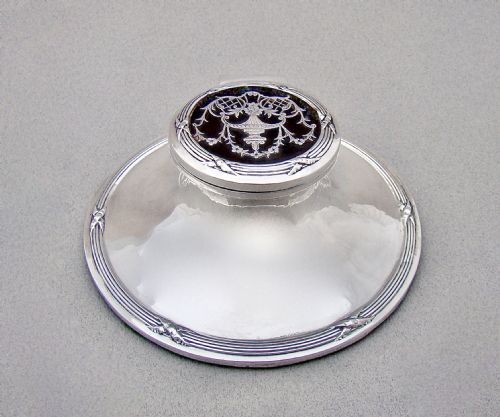
Silversmiths shaped sheet metal into flared capstan profiles and hand-fretted frames, often combining precious metal with tortoiseshell or guilloche enamel.
Glassmakers produced heavy cut glass and moulded reservoirs designed to fit securely into metal collars without leaking.
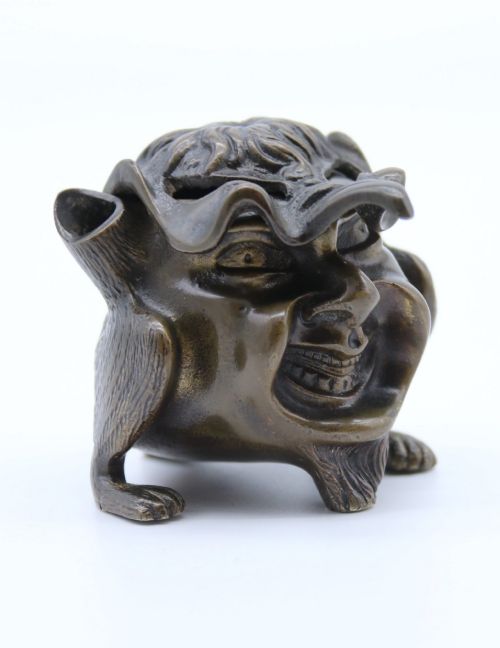
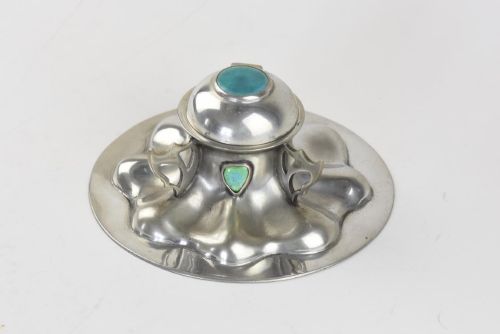
Foundries cast brass and bronze into ornate desk sets, incorporating decorative motifs drawn from Art Nouveau and Arts and Crafts design.
Edwardian Inkwell Retail Price Guide 2026
Typical asking prices for edwardian inkwell among the pieces listed under this phrase on Sellingantiques today, from the lower quarter to the upper quarter. They describe what is for sale here now, not the wider market.
Listings combine traditional Edwardian and Victorian designs with earlier nineteenth-century oak, brass, and cut glass desk accessories.
What Varies in Quality
The weight of the materials establishes the baseline of quality, moving from thin silver plate to heavy solid silver and dense hardwoods.
Subtlety of ornament and precision in hinges, hallmarks, and glass cutting distinguish standard desk accessories from pieces commissioned for country house libraries.
Henry Matthews·Walker And Hall·William Hutton·Tiffany And Co
The Edwardian Inkwell Glossary
- Capstan inkwell
- A desk accessory shaped like a ship's capstan, featuring a wide base that tapers toward the hinged lid at the top. This profile prevented the inkwell from tipping over during use.
- Standish
- A matched desk stand that holds one or more ink pots alongside space for pens, wafers, and sand. These larger trays formed the centrepiece of the Victorian and Edwardian writing table.
- Guilloche enamel
- A decorative technique where engine-turned metal is covered with translucent enamel. The underlying geometric pattern shows clearly through the coloured glass-like surface.
- Cabochon
- An uncut gemstone polished to a convex, rounded shape rather than faceted. These stones frequently accent Arts and Crafts metalwork.
- Pen wipe
- A small accessory placed on the desk to clean excess ink from nibs. They often utilised textile layers or novelty forms.
Edwardian Inkwell: Frequently Asked Questions
What is an edwardian inkwell?
An edwardian inkwell is a desk accessory designed to hold liquid ink for fountain or dip pens during the early twentieth century. These vessels range from utilitarian glass pots to decorative silver and tortoiseshell capstans.
Craftsmen produced them in various forms, including single desk pots, double stands, and novelty shapes intended for personal correspondence in homes and offices.
How do you date an edwardian inkwell?
Dating relies heavily on hallmarks stamped onto the silver components, which indicate the assay office, year letter, and maker. Stylistic cues such as Art Nouveau curves or Arts and Crafts pewter work also help narrow the period.
Materials provide further context, as heavy cut glass, brass, and specific enamel techniques align with manufacturing standards of the late nineteenth and early twentieth centuries.
How were these inkwells used?
Users dipped steel nibs or quill pens into the glass reservoir housed within the metal or wooden stand. The heavy base kept the ink stable while writing letters or ledger entries.
Many stands included matching pen trays, stamp boxes, or blotters to keep the writing surface organised and ready for daily correspondence.
How do you clean silver and glass parts?
Silver components require gentle polishing with a soft cloth to preserve hallmarks and delicate surface engraving. Abrasive cleaners should be avoided on enamel and tortoiseshell sections.
Glass inserts lift out of their collars for washing in warm water, ensuring dried ink residue is safely removed without wetting the surrounding metal.