




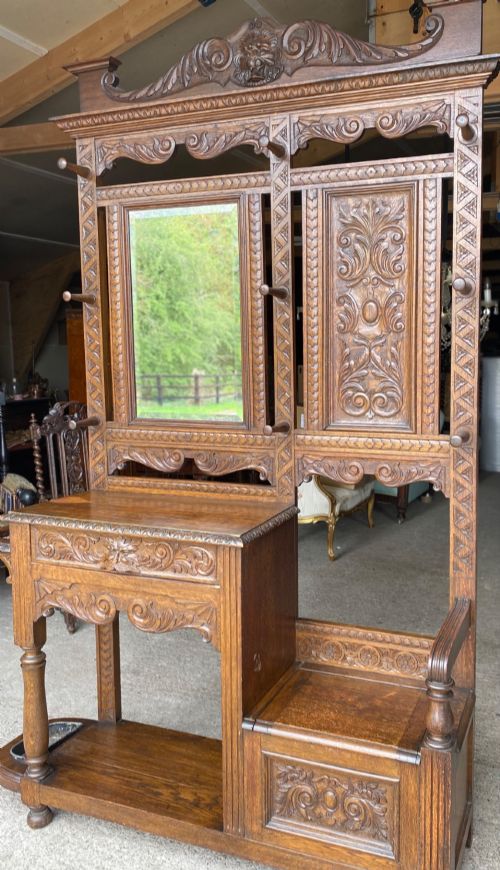
Edwardian Hat and Coat Stand
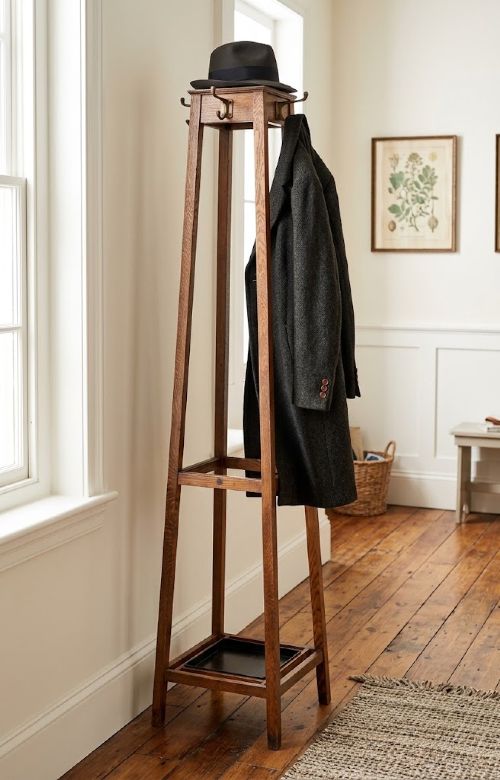
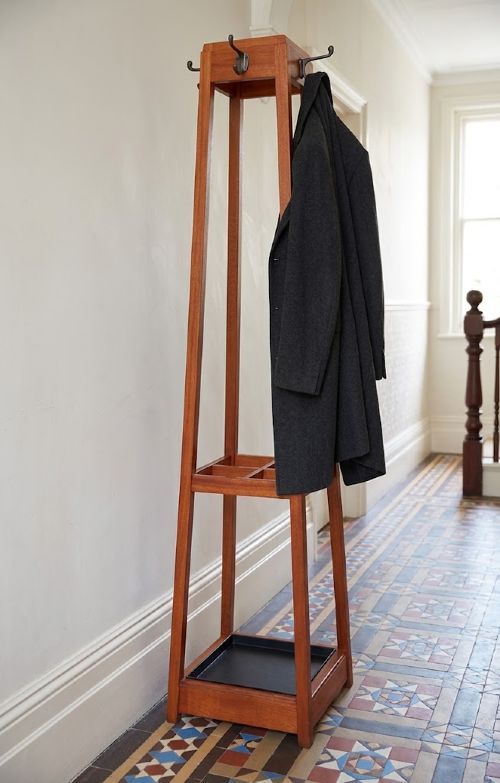
An edwardian hat and coat stand organises the hallway with upright timber and polished metal hooks, offering both structure and early twentieth-century utility.
Edwardian Hat and Coat Stand
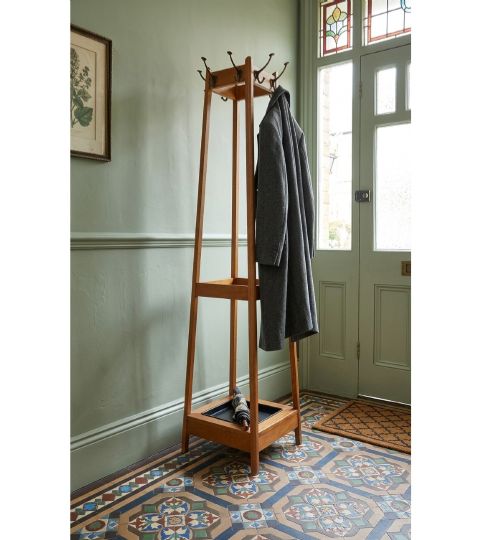
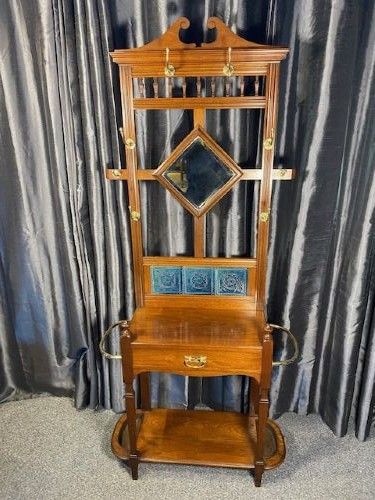
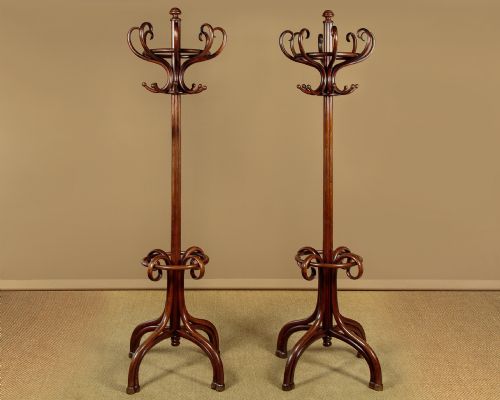
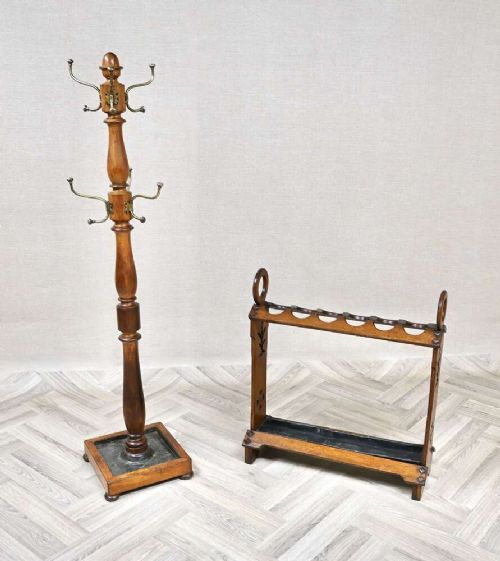
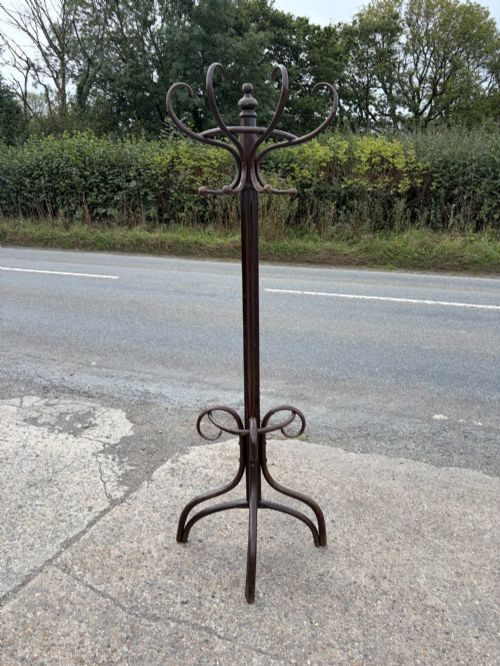
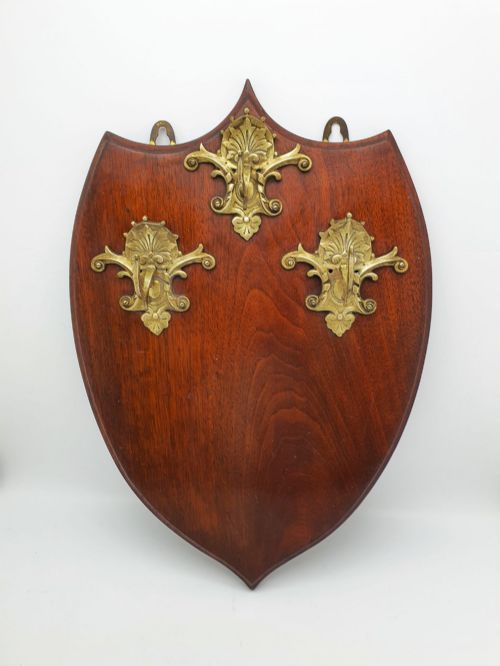
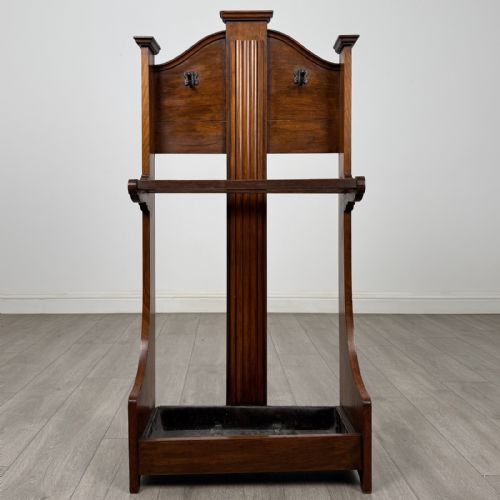
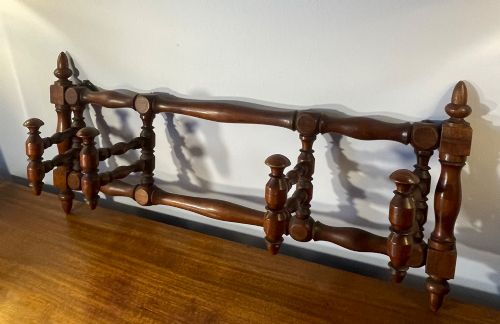
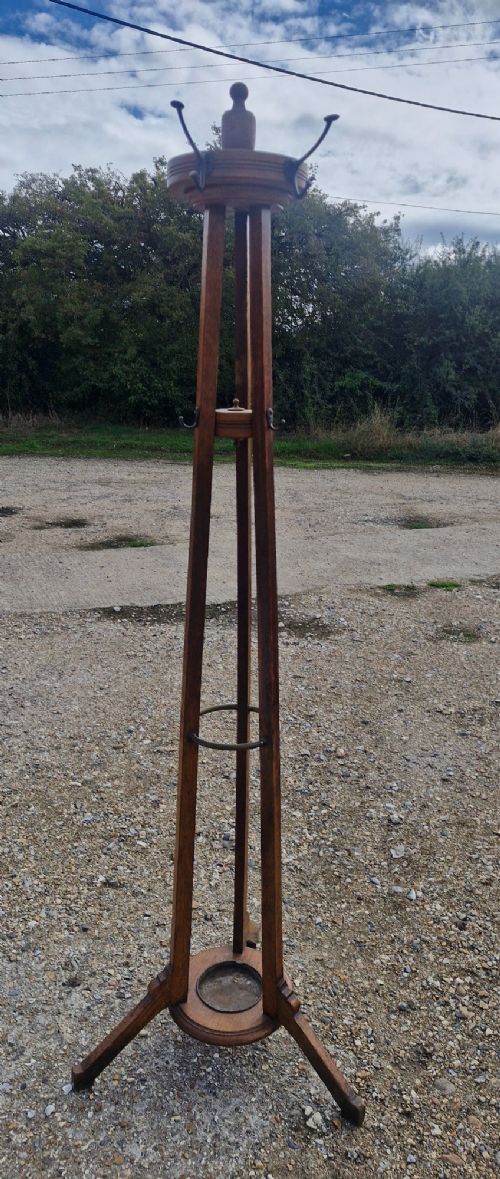
An edwardian hat and coat stand encompasses substantial freestanding hallstands with umbrella trays, wall-mounted wooden plaques fitted with brass hooks, and revolving bentwood designs. The pieces on this page originate predominantly from the Edwardian era and surrounding decades, spanning the late nineteenth century through to the early twentieth century.
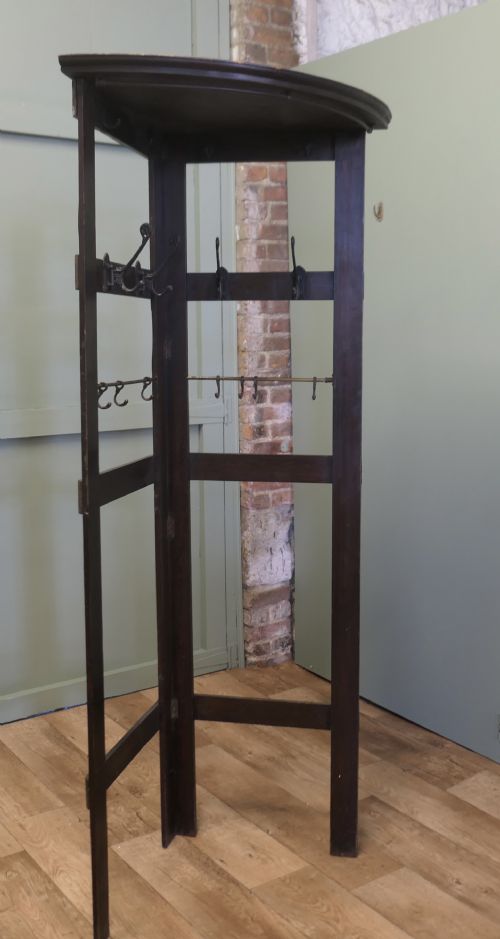
Freestanding examples typically incorporate mirrors, panelled backs, and carved timber framework alongside metal drip trays for wet umbrellas. Wall-mounted racks offer a streamlined alternative, securing directly to plaster or wood panelling to hold hats, coats, and accessories without occupying floor space.
Materials and construction
Cabinet makers utilised durable hardwoods such as oak, mahogany, walnut, and beech, often finished with deep polish or left in a golden grain. Bentwood construction involved steaming timber until pliable, bending it into curved loops and rounded profiles that formed lightweight yet sturdy hat and coat stands.
Metal components added functional contrast and structural support, featuring cast brass hooks, iron drip trays, and occasionally inset glass elements or tiled splashbacks. Carved details, inlaid wood panels, and turned spindles reveal the diverse joinery techniques applied across different workshops.
Edwardian Hat and Coat Stand Retail Price Guide 2026
Typical asking prices for edwardian hat and coat stand among the pieces listed under this phrase on Sellingantiques today, from the lower quarter to the upper quarter. They describe what is for sale here now, not the wider market.
Listings feature oak, mahogany, beech, bamboo, and bentwood constructed across Victorian, Edwardian, and Arts and Crafts styles.
Distinctions in manufacture
Simpler workshop pieces rely on plain turned posts and basic wooden pegs, whereas elevated designs incorporate elaborate crests, moulded cornices, and maker attribution. The condition of the original finish and the retention of matching hardware heavily influence the character of each piece.
J Parker of Woodstock·Thonet
The Edwardian Hat and Coat Stand Glossary
- Bentwood
- Furniture formed by steaming strips of timber and bending them into curved shapes. This technique created lightweight, resilient hat and coat stands popular in the late nineteenth and early twentieth centuries.
- Hallstand
- A piece of hallway furniture combining coat hooks, a hat shelf, an umbrella holder, and frequently a mirror. These multifunctional items greeted visitors upon entry to a home.
- Drip tray
- A metal or ceramic basin positioned at the base of a stand to catch water from wet umbrellas. It protected wooden floors from moisture damage.
- Aesthetic Movement
- A late nineteenth-century design style emphasising art for art's sake, often featuring simplified forms, bamboo construction, and Japanese influences. Pieces from this movement prioritize visual harmony over heavy historic ornament.
Edwardian Hat and Coat Stand: Frequently Asked Questions
What is an edwardian hat and coat stand used for?
These stands provide a dedicated station in an entrance hall for hanging outer garments, hats, and scarves while storing walking sticks and umbrellas below.
They keep entryways tidy by consolidating outerwear and accessories into a single freestanding or wall-mounted piece of furniture.
How do I care for antique wood furniture?
Maintain the timber by dusting regularly with a soft, dry cloth and applying natural beeswax periodically to nourish the polished surface.
Keep pieces away from direct heat sources and strong sunlight to prevent the wood from drying out or the finish from fading.
How do I identify an edwardian piece?
Edwardian items typically feature lighter timbers, simpler lines than Victorian furniture, and often incorporate inlaid decoration or brass hardware characteristic of the early 1900s.
Construction methods and stylistic details like Art Nouveau influences help differentiate these stands from mid-century or Victorian counterparts.
Are bentwood stands sturdy enough for daily use?
Steam-bent timber frames distribute weight evenly, making these lightweight structures surprisingly strong and durable for everyday hanging requirements.
Their flexible construction absorbs daily impacts well, provided the joints remain tight and free from excessive moisture exposure.