



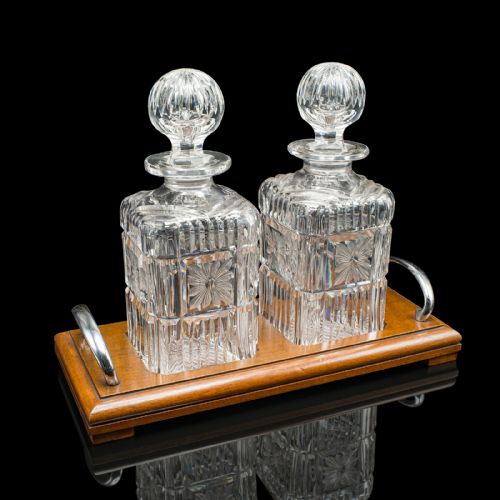


Edwardian Handled Decanter
These edwardian handled decanter pieces bring practical elegance to a table, combining clear or coloured glass with secure silver and plated mounts.
Edwardian Handled Decanter
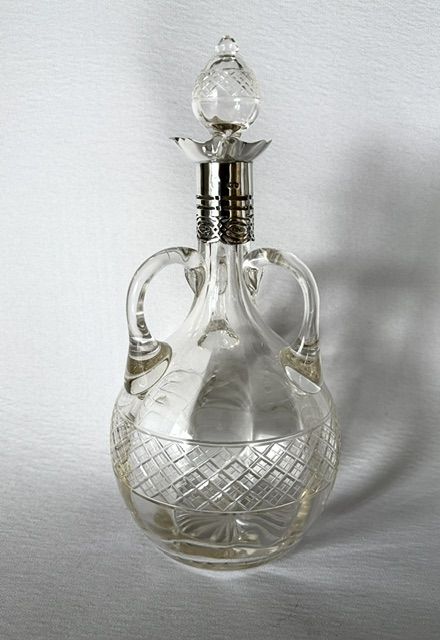
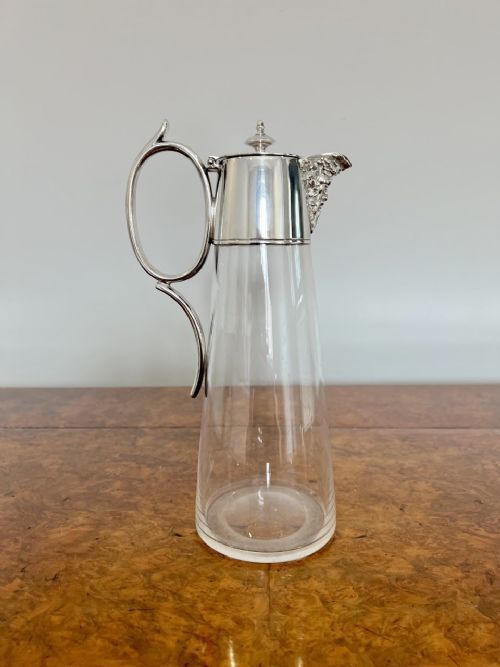
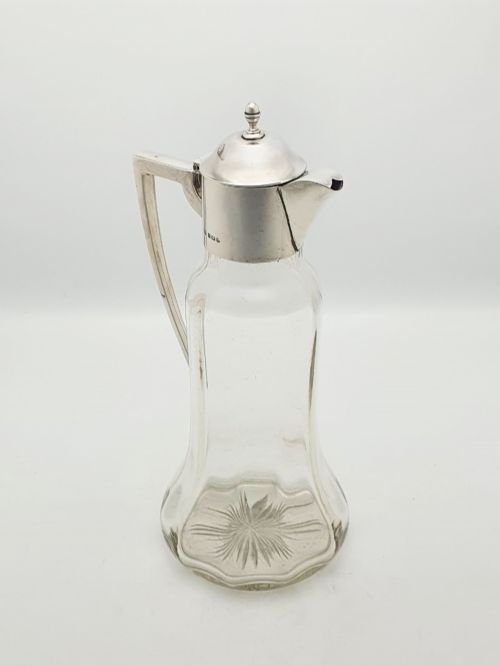
When you search for an edwardian handled decanter, you find a selection of serving vessels primarily spanning the Edwardian and Victorian eras. These items include claret jugs, ewers, and handled glass vessels designed for holding wine and spirits.
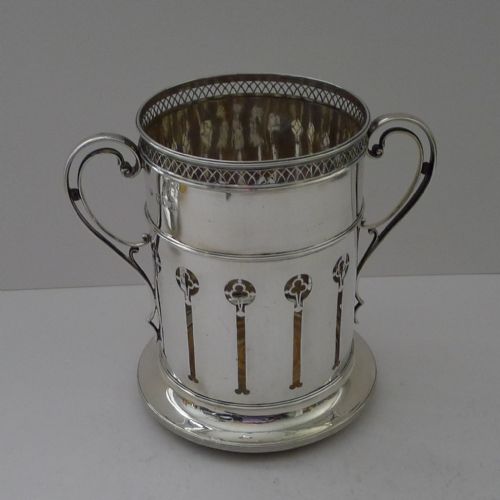
The objects frequently appear in cut glass, clear glass, and cranberry glass, often fitted with silver plate or sterling silver mounts. Formats range from single stand-alone bottles to paired services and matching stands.
How they were made
Makers utilised hand blown glass and cut crystal techniques to form the vessel bodies, shaping clear and coloured glass into tankards, jugs, and ewers. The exterior surfaces frequently received deep facet and linear cutting.
Metalworkers attached silver plate and solid sterling silver mounts, collars, and handles to the glass bodies, integrating secure grips for serving wine.
Edwardian Handled Decanter Retail Price Guide 2026
Typical asking prices for edwardian handled decanter among the pieces listed under this phrase on Sellingantiques today, from the lower quarter to the upper quarter. They describe what is for sale here now, not the wider market.
Listings feature items from the Edwardian and Victorian periods, incorporating glass, silver plate, and sterling silver.
What varies in quality
The distinction between standard examples and superior work lies in the crispness of the glass cutting and the weight of the metal mounts. Heavier gauge silver plating and substantial sterling silver components elevate the finish of a piece.
Articulated design elements, such as specific handle construction and the integration of maker marks or gallery rails, distinguish more ambitious manufacturing efforts from simpler production.
Hukin & Heath·Mappin & Webb
The Edwardian Handled Decanter Glossary
- Claret jug
- A specialised pouring vessel designed specifically for serving red wine. These items typically feature a handle and a hinged metal lid.
- Silver plate
- A layer of silver fused to a base metal substrate, commonly utilised for mounts and handles. This technique provided the visual appeal of silver at a lower cost.
- Cranberry glass
- A rich red transparent glass coloured with gold chloride during production. It appears frequently in decorative table service items from the period.
- Ewer
- A large jug with a wide spout and a curved handle, used historically for water or wine. In this selection, they share similarities with claret jugs.
- Sterling silver
- An alloy consisting of silver and other metals, predominantly copper, maintaining a standard of purity. It provides the durable framework for high-end mounts.
Edwardian Handled Decanter: Frequently Asked Questions
How do I clean an old decanter safely?
Wash the glass gently by hand in warm water using mild soap, avoiding harsh abrasive scourers that can scratch the surface.
Keep metal mounts dry and polish them only with appropriate cloths to prevent damage to silver plate or sterling silver.
Can I use these vessels for serving wine today?
These pieces serve wine effectively provided the interior is thoroughly cleaned and rinsed before use.
Check that the seals and mounts remain secure before tipping heavy glass vessels filled with liquid.
How do I distinguish Edwardian from Victorian pieces?
Edwardian items tend to feature lighter, airier designs influenced by stylistic shifts away from heavy Victorian ornamentation.
Examine the hallmarks and mounting styles, as silver assay marks provide precise dating clues for the metal components.
What is cranberry glass?
Cranberry glass is a transparent red material created by adding gold to the molten glass batch during manufacture.
It became popular for decorative glassware and tableware throughout the nineteenth and early twentieth centuries.