



Edwardian Hall Stool
An edwardian hall stool provides compact seating for an entranceway, combining sturdy timber frames with upholstered seats.
Edwardian Hall Stool
The search phrase edwardian hall stool covers an array of compact entranceway seating, alongside related window seats, luggage racks, and benches found within the inventory. While the phrase points specifically to the Edwardian period, listings also encompass Victorian, Regency, and nineteenth-century pieces.
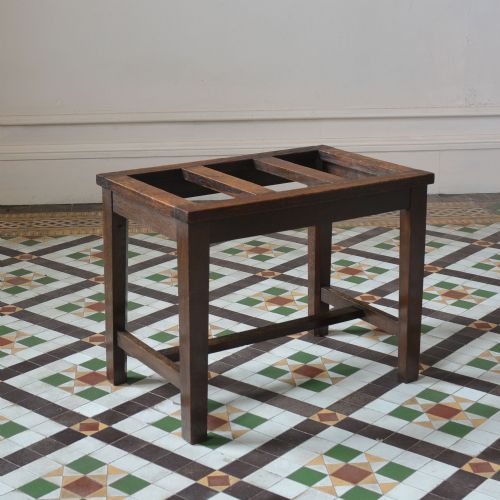
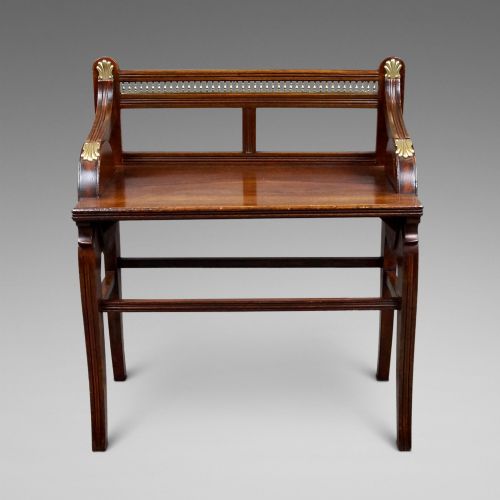
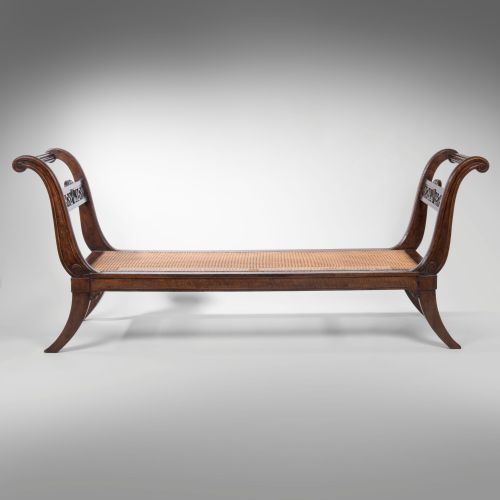
Buyers most frequently encounter mahogany and oak constructions, often configured as window seats or benches with upholstered tops. Forms range from simple stools and X-frame folding racks to brass-mounted hall benches and inlaid piano stools.
How they were made
Cabinet makers utilised dense hardwoods such as mahogany, walnut, and oak to build durable frames capable of withstanding heavy daily use in an entrance hall. Ebonised wood and satinwood also appear, offering contrasting dark finishes or pale decorative accents.
Detailing relied on brass mounts, carved ornamentation, and fine inlay work to elevate the appearance of the timber. Upholstered elements incorporated fabric or cane webbing, while folding forms utilised hinged X-frame mechanisms.
Edwardian Hall Stool Retail Price Guide 2026
Typical asking prices for edwardian hall stool among the pieces listed under this phrase on Sellingantiques today, from the lower quarter to the upper quarter. They describe what is for sale here now, not the wider market.
Listings feature mahogany, oak, walnut, ebonised wood, and satinwood across Edwardian, Victorian, and Regency periods.
What varies in quality
The grade of timber and the crispness of the carving or inlay distinguish standard production from finer workshop output. Robust joinery in the frame ensures long-term stability.
The sophistication of secondary materials, such as heavy brass mounts or high-grade upholstery and cane work, separates simpler utilitarian examples from more ambitious pieces.
James Shoolbred·James Shoolbred and Co
The Edwardian Hall Stool Glossary
- X-frame
- A cross-legged structural form creating folding or rigid supports resembling the letter X. This design appears frequently on luggage racks and window seats.
- Ebonised
- Timber treated with a dark finish to imitate expensive ebony. It was a popular treatment during the Victorian and Edwardian eras.
- Inlay
- Decorative pieces of contrasting wood or other material inserted into the wood surface to form patterns. This technique highlights the skill of the cabinet maker.
- Cane
- Woven material made from the peeled bark of rattan palm, utilised for breathable and flexible seat panels. It requires careful hand-weaving.
Edwardian Hall Stool: Frequently Asked Questions
Where should an edwardian hall stool go?
These pieces suit entrance halls, corridors, and narrow passageways where space is limited but seating is needed. They also function well at the foot of a bed or beneath a window.
Their compact dimensions allow them to sit flush against a wall without obstructing doorways or pathways.
How do I care for the wood?
Maintain the timber frames by keeping them away from direct heat sources and sudden temperature fluctuations. Regular dusting with a dry cloth prevents grime accumulation.
Apply a suitable wax polish periodically to nourish the surface of mahogany, oak, or walnut and preserve the grain.
Can I use them as regular seating?
They serve well for brief periods of sitting, such as putting on shoes or waiting in an entranceway. Most designs prioritise a compact footprint over deep lounge comfort.
Ensure the frame joints and upholstery remain stable before allowing heavy daily use.
What is the difference between Edwardian and Victorian pieces?
Victorian examples tend to feature heavier timbers, darker finishes, and more ornate carved details. Edwardian pieces often display lighter woods, simpler lines, and restrained inlay.
Both periods overlap in practical entrance hall furniture types like benches and luggage racks.