



Edwardian Glazed Lamp
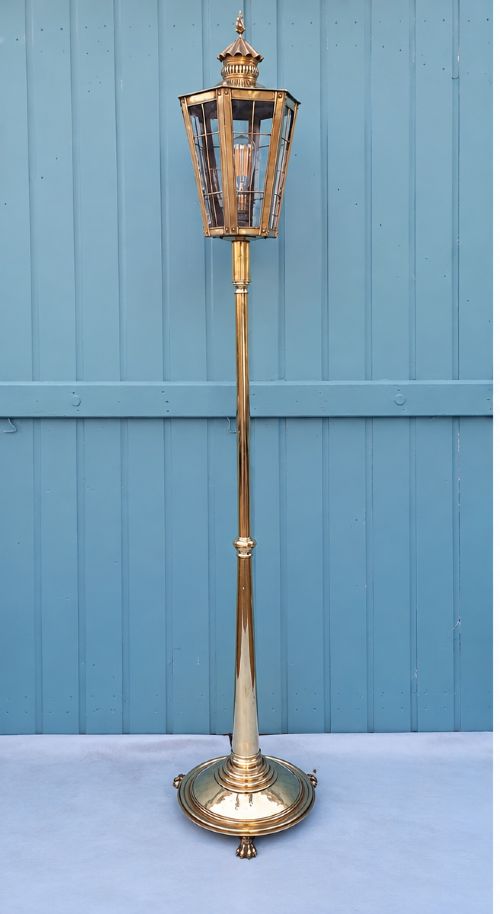
An edwardian glazed lamp brings warm, diffused light and honest period character to a hallway or table, combining practical illumination with enduring metalwork.
Edwardian Glazed Lamp
When searching for an edwardian glazed lamp, buyers encounter a diverse selection of lighting fixtures spanning pendant lights, table lamps, floor lamps, hall lanterns, and wall sconces. These pieces draw primarily from the Edwardian period alongside items dated around 1910, 1900, 1930, and the nineteenth century.
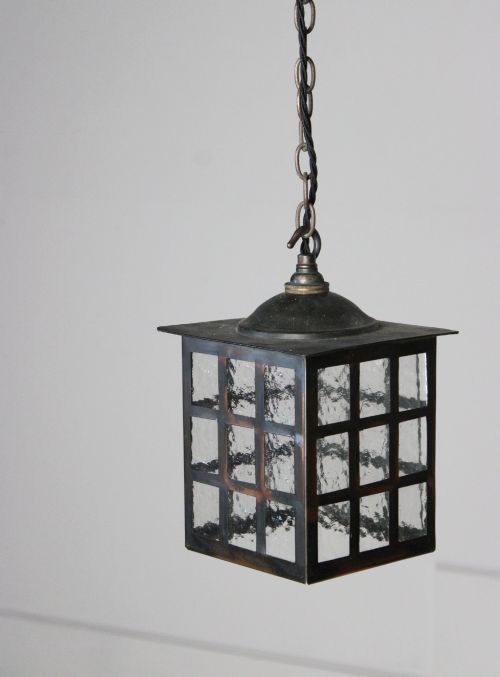
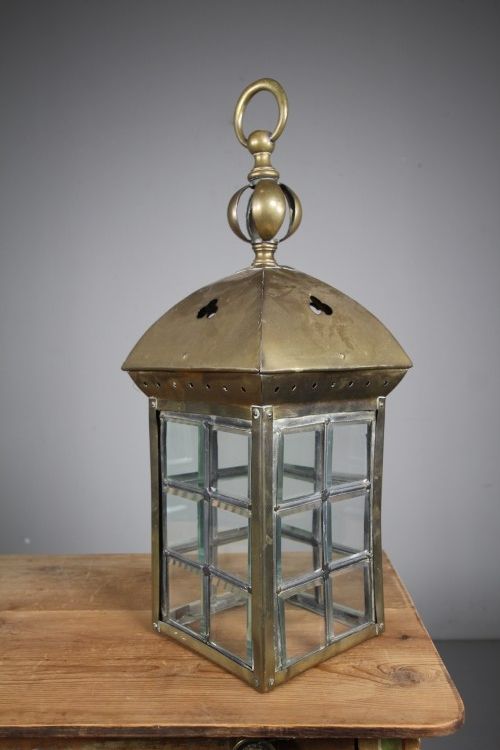
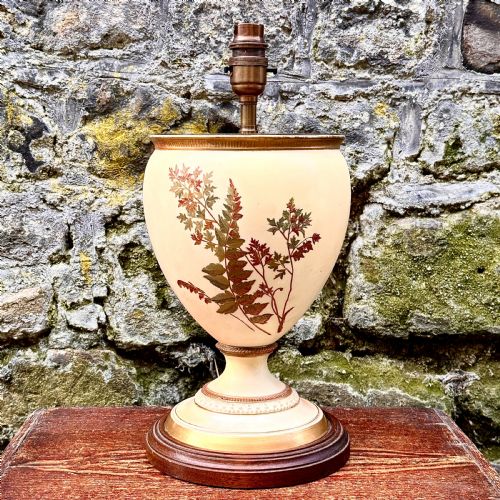
The assortment on this page includes structural forms such as hexagonal brass lanterns, octagonal wall lanterns, hanging lanterns, and porch lanterns, as well as ceramic conversions utilising Royal Worcester and Royal Doulton bodies. Alongside these lighting forms, occasional tables such as an inlaid kidney shaped lamp end table and an Arts & Crafts oak table appear to support them.
The dominant aesthetic unites Edwardian sensibilities with Arts & Crafts, Victorian Revival, Neoclassical, Empire, and French Louis XV Revival styles. Buyers are most likely to meet brass and copper lantern constructions featuring glass panels, alongside ceramic table lamps adapted for illumination.
Materials and Construction
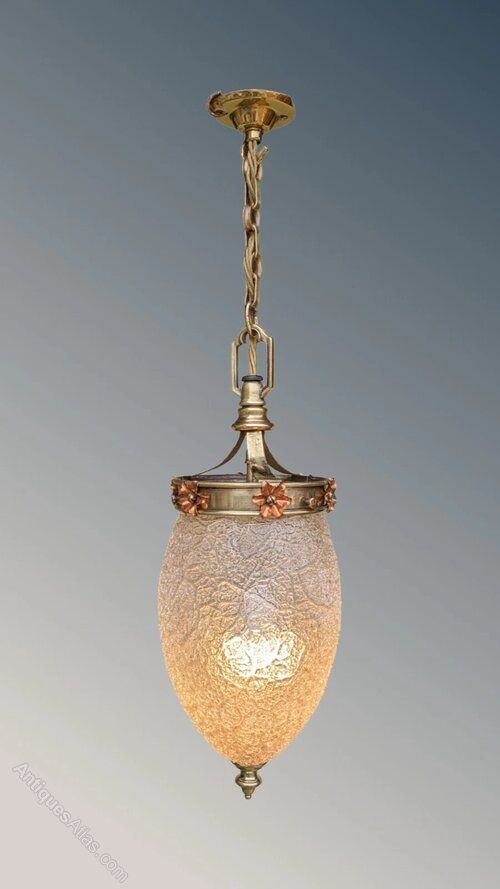
The manufacture of these lamps relies heavily on metalworking, utilising brass, copper, and iron to form the structural frames, hanging chains, and enclosing cages. Glass panels are fitted within these metal frameworks to diffuse the light source while protecting the interior bulb or burner.
Ceramic and porcelain elements, such as those from Royal Worcester and Royal Doulton cobalt blue tobacco jars, are integrated into table lamp bodies, sometimes paired with wooden components including oak and general timber in associated furniture pieces like occasional tables.
Edwardian Glazed Lamp Retail Price Guide 2026
Typical asking prices for edwardian glazed lamp among the pieces listed under this phrase on Sellingantiques today, from the lower quarter to the upper quarter. They describe what is for sale here now, not the wider market.
Listings feature Edwardian, 1910, 1930, 1900, and 19th-century periods across various lighting forms.
Assessing Quality and Execution
Quality in these lighting pieces rests on the weight and gauge of the metal used in the frames and lanterns, where heavier brass and copper castings demonstrate superior durability and structural integrity. The precision of the glass cutting and the tightness of the panel fits within the metal channels further distinguish finer examples.
Artistic execution shows in the hand-beaten details of copper lanterns and the fidelity of decorative styles like Arts & Crafts or Neoclassical motifs. In ceramic conversions, the preservation of the original factory body, whether Royal Worcester or Royal Doulton, governs the desirability of the piece.
Liberty of London·Royal Worcester·Royal Doulton
The Edwardian Glazed Lamp Glossary
- Edwardian
- Pertaining to the reign of King Edward VII from 1901 to 1910, though the style extends slightly beyond these exact dates. It typically denotes lighter, more refined forms compared to heavy Victorian designs.
- Hall Lantern
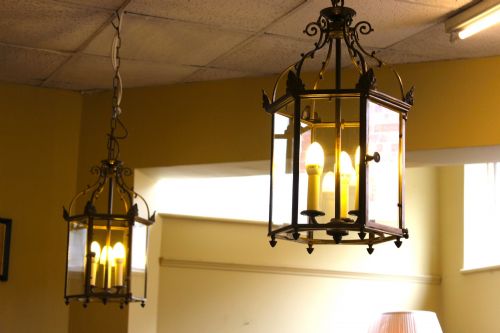
- An enclosed hanging light fixture designed for entrance halls and corridors, usually constructed with glass panes and a brass or copper frame.
- Pendant Light
- A light fixture suspended from the ceiling by a chain, cord, or metal rod. In this selection, many take the form of enclosed lanterns.
- Wall Sconce
- A decorative light fixture fixed to a wall, directing illumination outward and upward into the room.
Edwardian Glazed Lamp: Frequently Asked Questions
What is an edwardian glazed lamp?
An edwardian glazed lamp is a lighting fixture from the early twentieth century featuring glass panels set within a metal frame, designed for hanging, wall mounting, or table use.
These pieces utilise materials like brass and copper to house the light source safely while providing decorative illumination for domestic interiors.
How do I style a table lamp?
Table lamps can be placed on occasional furniture such as inlaid kidney-shaped tables or Arts & Crafts oak surfaces to create functional pools of light.
Pairing a ceramic jar lamp with traditional wooden furniture anchors the piece within a room's decorative scheme.
How do I identify period styles?
Period identification relies on observing the combination of materials, such as hammered copper for Arts & Crafts items or cast brass for Neoclassical and Empire influences.
Construction methods and design motifs help distinguish Edwardian pieces from nineteenth-century revivals.