



Edwardian Glass Wall Lights
These edwardian glass wall lights bring period charm and warm illumination to hallways and drawing rooms.
Edwardian Glass Wall Lights
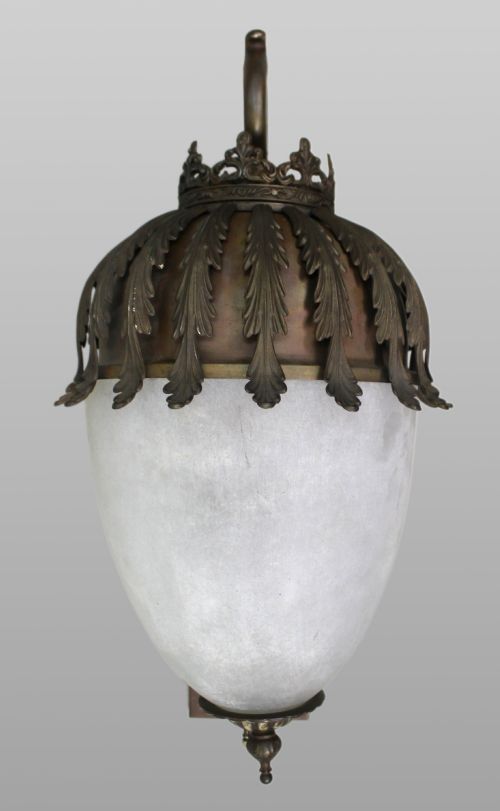
When you search for edwardian glass wall lights, you encounter wall-mounted fixtures designed to illuminate domestic spaces during the early twentieth century. The selection spans several decades, with items originating from the 1890s through to the 1930s, alongside pieces attributed broadly to the nineteenth century. These objects include pairs and single fixtures intended for interior placement.
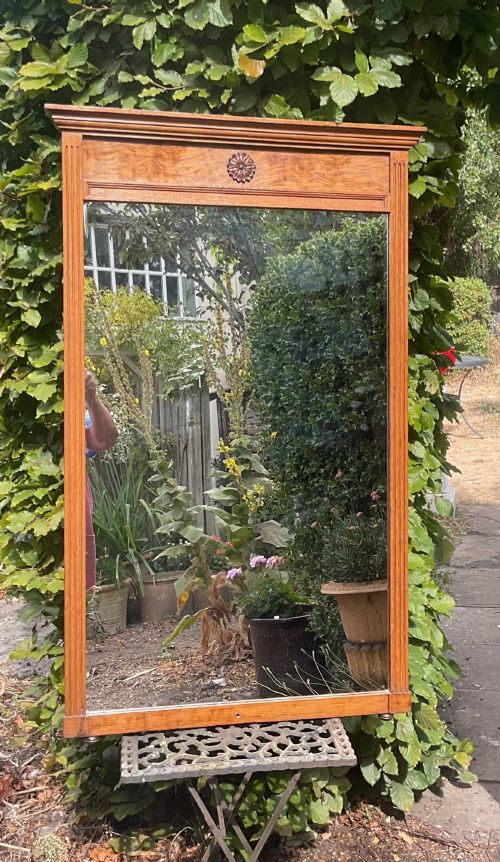
The dominant forms on this page include wall lights, wall sconces, and hanging wall lanterns. Materials frequently pair glass with metal backplates and frames, encompassing brass, copper, ormolu, and iron. Alongside dedicated lighting fixtures, the recorded items also incorporate wall-mounted mirrors and converted oil lamps.
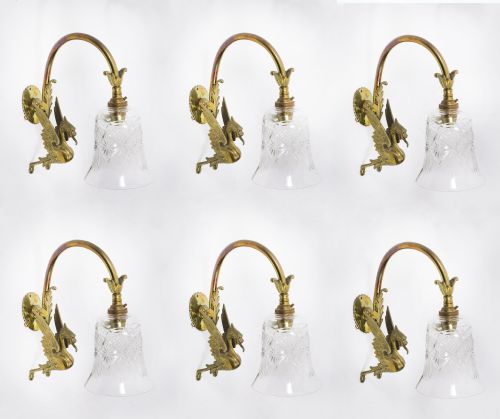
The style vocabulary is broad, reflecting Victorian, Edwardian, Art Nouveau, Arts and Crafts, Neo-Classical, Rococo Revival, and Grand Regency influences. You are likely to meet matching pairs featuring cut glass or frosted glass shades supported by brass arms or wall brackets.
How they were made
Makers constructed these wall fixtures using durable metals combined with moulded or hand-finished glass elements. Brass and copper form the structural backplates and arms, sometimes enhanced with gilt or ormolu details to add decorative contrast. Wrought iron and oak appear in specific vernacular designs such as carriage lanterns and dressing mirrors.
The glass components utilise techniques like cutting and frosting to diffuse light and create decorative patterns. Lustre drops and moulded shades are fitted directly to metal mounts, while older items record conversions from oil burning mechanisms to electricity.
Listings feature glass combined with brass, copper, ormolu, iron, and oak across Victorian, Edwardian, and Art Nouveau periods.
What varies in quality
The refinement of the cast metal mounts and the complexity of the glass work separate the finer examples from standard production. Heavier brass castings and crisp chasing on ormolu elements indicate superior workshop output compared to simpler pressed metal constructions.
The clarity and depth of cut glass drops or the uniform density of frosted shades influence the visual presence of the light fixture on the wall. Original pairings of metalwork and glass components hold greater integrity than pieces assembled from mismatched components over time.
F. and C. Osler
The Edwardian Glass Wall Lights Glossary
- Ormolu
- Gilded bronze or brass applied to decorative mounts and light fixtures. This technique provided a rich, gold-coloured finish popular in Neo-Classical and revival designs.
- Sconce
- A wall-mounted lighting fixture designed to carry one or more lamps or candles. These bracketed fixtures project outward from the wall surface.
- Lustre drop
- A cut glass pendant suspended from a lighting fixture to refract and enhance illumination. These dangling ornaments catch and scatter light across the room.
- Frosted glass
- Glass treated to create a milky, opaque surface that diffuses light evenly. This finish softens the glare from early electric bulbs or oil flames.
- Overmantle mirror
- A large decorative mirror designed to hang directly above a fireplace mantelpiece. Some examples incorporate candle arms or lighting elements into their frames.
Edwardian Glass Wall Lights: Frequently Asked Questions
Were these lights originally electric?
Many early fixtures were manufactured during a transitional period when both gas and electricity were common in homes, and some surviving examples began life as oil lamps before later conversion to electric wiring.
Original mounting brackets and backplates often reveal how the fixture was adapted to suit modern electrical standards while retaining its historic appearance.
How do I identify an Edwardian piece?
Edwardian lighting often combines lighter brass proportions with neoclassical or simplified revival motifs, sitting between the heavier ornamentation of Victorian design and the later abstraction of the 1920s.
Examining the metal gauge, screw threads, and glass shade shapes helps distinguish pieces made around the turn of the twentieth century from later reproductions.
Can I hang these in a bathroom?
Most antique wall lights were manufactured for dry interior spaces such as hallways, drawing rooms, and dining areas rather than humid environments.
Modern placement requires consultation with a qualified electrician to ensure the historic wiring methods and metal housings meet current safety regulations for specific rooms.