



Edwardian Glass Vanity Bottle
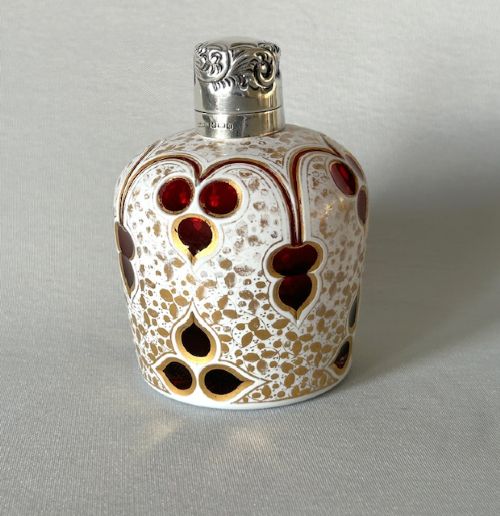
An edwardian glass vanity bottle brings tactile elegance to a dressing surface through weighted crystal and polished metal mounts.
Edwardian Glass Vanity Bottle
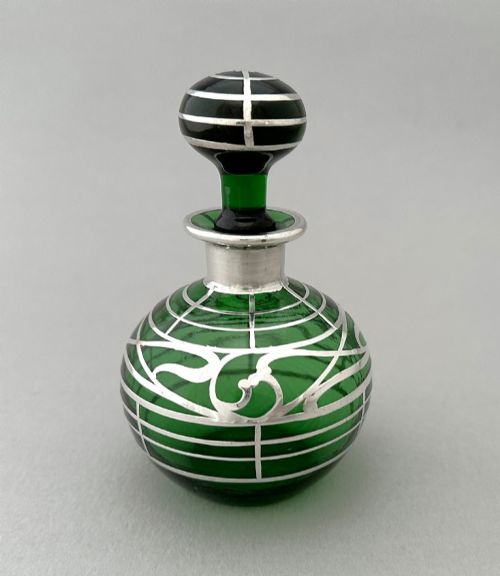
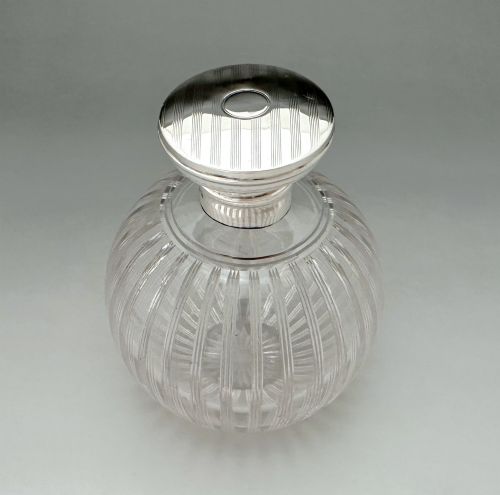
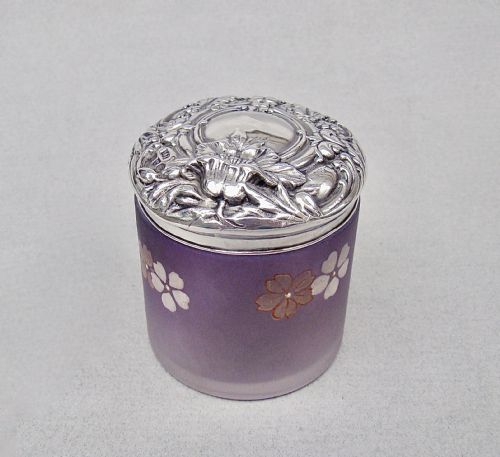
An edwardian glass vanity bottle primarily takes the form of scent and perfume bottles alongside related dressing table jars and accessories. These pieces originate predominantly from the late nineteenth and early twentieth centuries, spanning Victorian, Edwardian, and Art Deco periods.
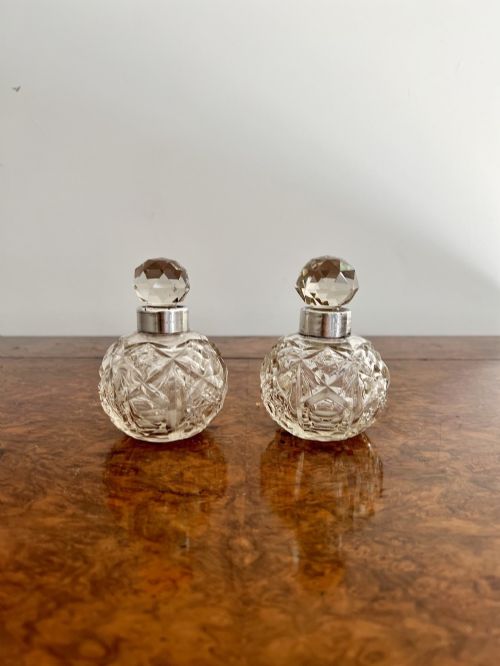
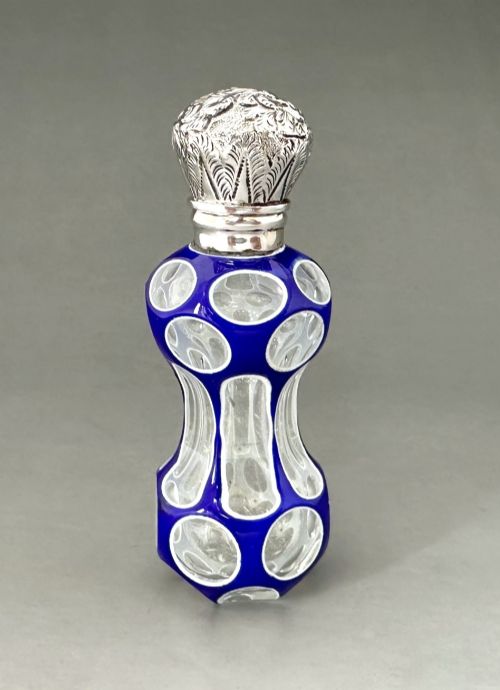
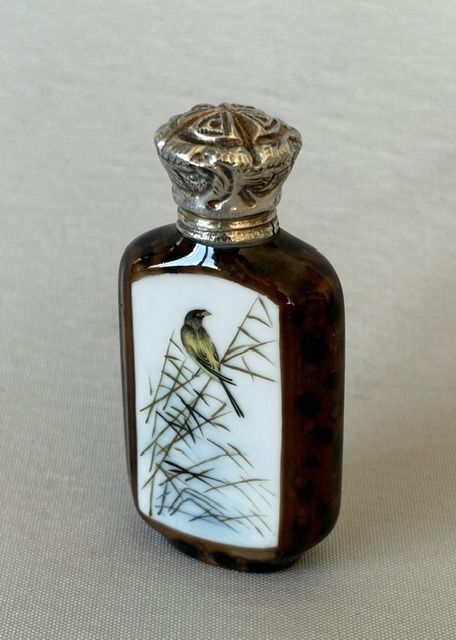
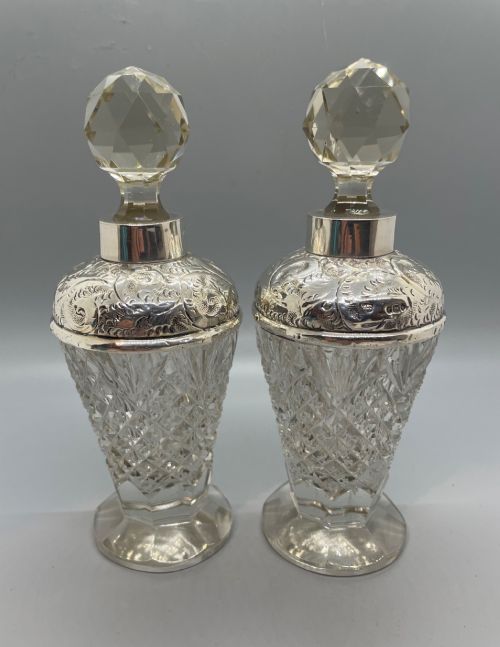
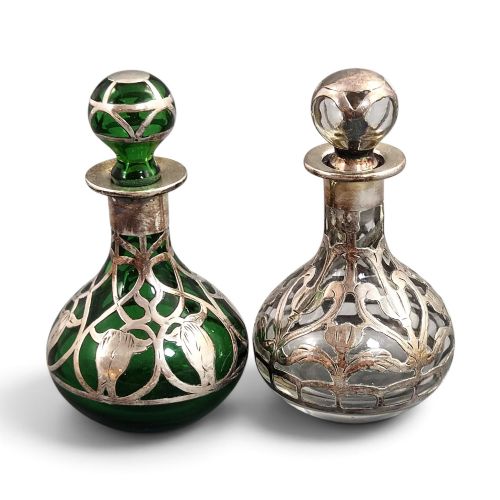
Buyers will most frequently meet pieces combining clear cut crystal or coloured glass bodies with sterling silver collars, lids, or overlay mounts. Surviving examples range from small individual scent bottles to cased travelling trios and globular perfume decanters.
Materials and Technique
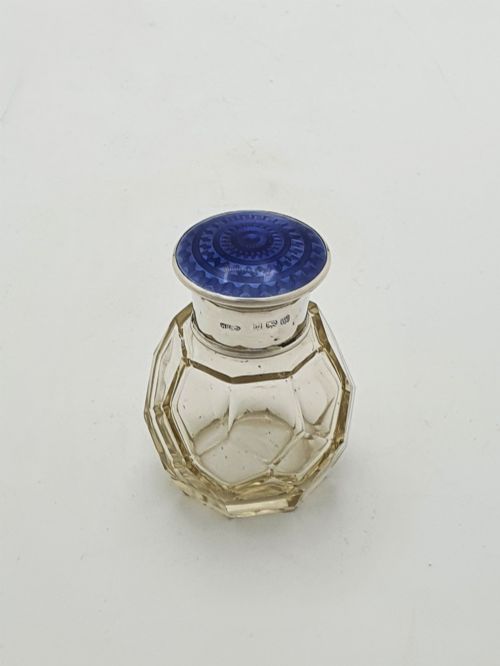
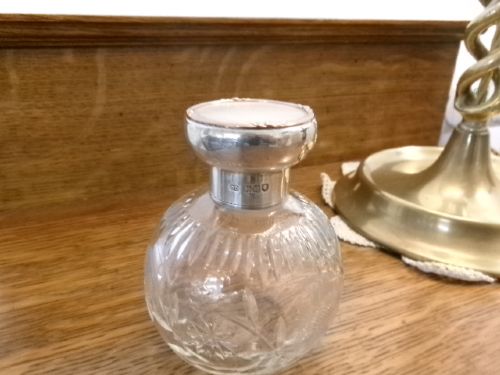
Makers shaped the glass bodies through heavy cutting, moulding, and blowing, frequently employing rich cranberry glass, ruby glass, or frosted surfaces. Metal components rely on sterling silver for hinged lids, collars, and decorative overlays, often bearing hallmarks from assay offices such as Birmingham and Chester.
Surface ornamentation also incorporates guilloche enamel and tortoiseshell panels fitted directly to the silver mounts. Artisans secured these decorative elements to the glass necks using cork or metal stoppers to contain volatile perfumes.
Edwardian Glass Vanity Bottle Retail Price Guide 2026
Typical asking prices for edwardian glass vanity bottle among the pieces listed under this phrase on Sellingantiques today, from the lower quarter to the upper quarter. They describe what is for sale here now, not the wider market.
Listings feature sterling silver, cranberry glass, cut crystal, and tortoiseshell across Victorian, Edwardian, and Art Deco periods.
Standards of Craftsmanship
Quality rests in the depth and precision of the glass cutting, the weight of the crystal, and the crispness of any silver overlay or engraving. Superior examples maintain intact internal stoppers and retain unblemished enamel or undamaged tortoiseshell panels.
The integration between the glass body and the metal mount dictates the overall integrity of the piece. Makers who achieved a seamless collar fit and detailed hallmarking produced items that hold greater distinction among collectors.
Gorham·Harold Bushell and Co·Rene Lalique·Barnsley and Co·George Unite
The Edwardian Glass Vanity Bottle Glossary
- Sterling silver
- A silver alloy containing 925 parts silver per thousand by weight. This metal provides the durable framework for hinged caps and decorative collars on dressing table bottles.
- Cranberry glass
- A rich pinkish-red glass created by adding gold chloride to the molten batch. It appears frequently in nineteenth and early twentieth century scent bottles.
- Guilloche enamel
- A decorative technique where translucent enamel is layered over precisely engraved metalwork. This process produces repeating geometric patterns beneath a glossy coloured surface.
- Overlay
- A manufacturing method involving a layer of coloured glass or silver cut away to reveal a contrasting base material. It creates high-relief visual patterns across the bottle exterior.
- Assay office
- An official body that tests the purity of precious metals and stamps them with statutory hallmarks. These marks verify the metallic standard and geographical origin of silver mounts.
Edwardian Glass Vanity Bottle: Frequently Asked Questions
How do I clean an old scent bottle?
Gentle washing with warm soapy water removes accumulated dust from glass surfaces without harming delicate interiors. Avoid submerging tortoiseshell or enamel mounts to prevent moisture damage.
Soft brushes help clear residue from cut crystal facets and engraved silver details. Thorough air drying ensures no moisture remains trapped around historical stoppers.
Were these bottles meant for travel?
Many examples served as stationary dressing table accessories, while specific cased sets and lockable flasks accommodated travel. Leather cases and secure screw tops protected volatile colognes during transit.
Travelling versions often utilised robust sterling silver outer casings or fitted boxes. These designs kept glass vessels secure inside luggage.
How do I identify the date of a piece?
Hallmarks stamped on the silver mounts provide definitive assay office symbols, maker marks, and date letters. Comparing these official stamps against established records reveals the exact year of manufacture.
Stylistic indicators such as flowing Art Nouveau lines or geometric Art Deco forms also narrow down the production era. Glass cutting techniques further support chronological placement.
Do original stoppers matter?
Original glass or metal stoppers complete the functional integrity of a perfume bottle and preserve its original state. Matching stoppers indicate that the components have remained together since production.
Replacement stoppers occur frequently due to the fragile nature of blown glass. While pieces retain display value without them, original matched elements are preferred by collectors.