




Edwardian Glass Scent
Edwardian glass scent bottles bring dressing table elegance to hand, combining precious metal mounts with jewel-toned or cut crystal vessels.
Edwardian Glass Scent
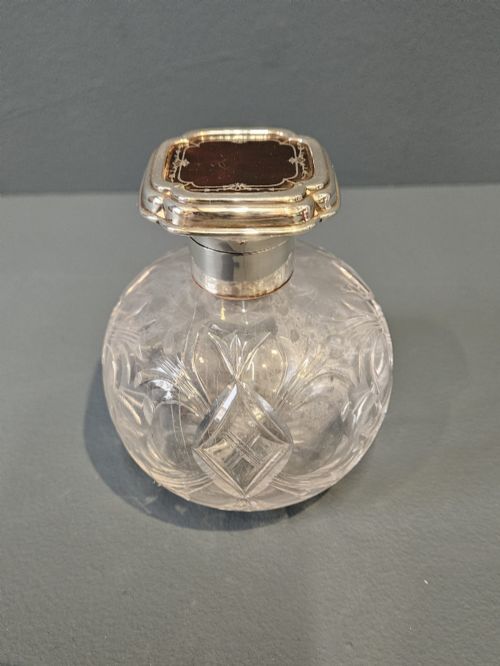
Edwardian glass scent bottles comprise small portable vessels designed for perfume and cologne, frequently completed with hinged or screw-top silver lids. The selection centres on period examples from the early twentieth century alongside adjacent Victorian and Art Deco forms.
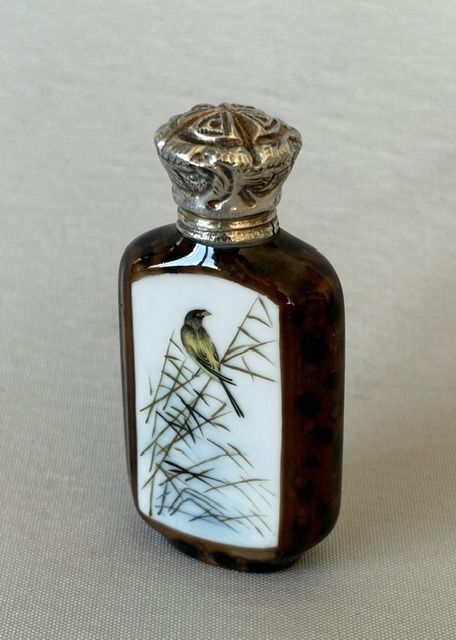
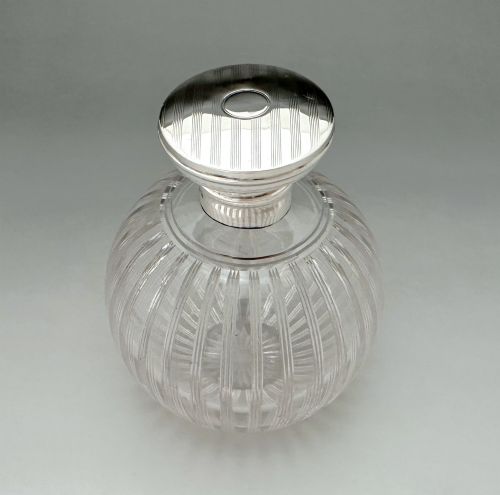
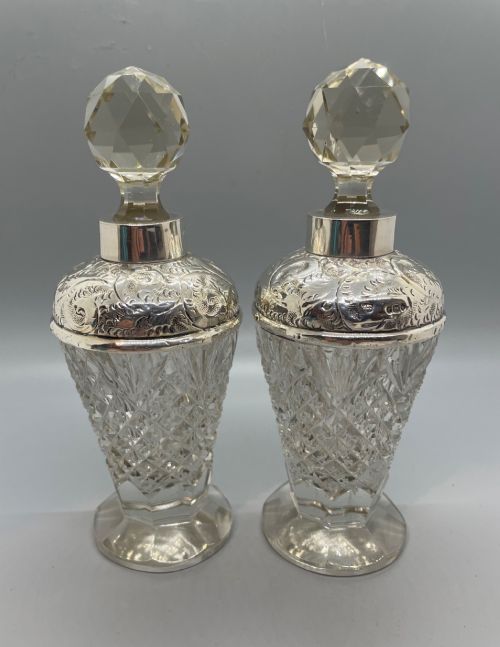
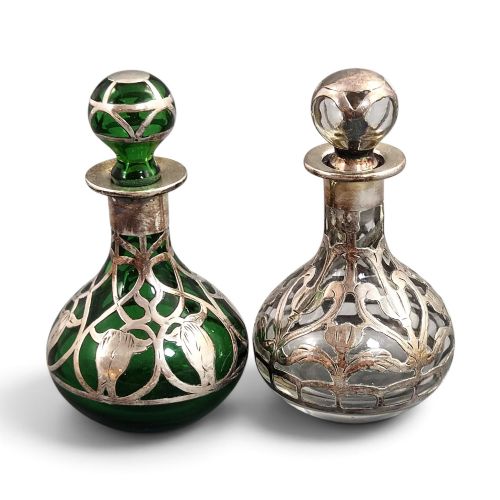
Most pieces combine moulded or cut glass bodies with sterling silver collars and caps, sometimes incorporating guilloche enamel, tortoiseshell or overlay decoration. Collectors encounter both single bottles and matched pairs intended for dressing table display.
How they were made
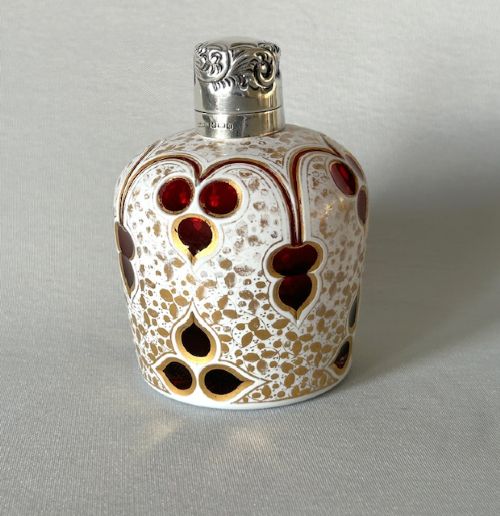
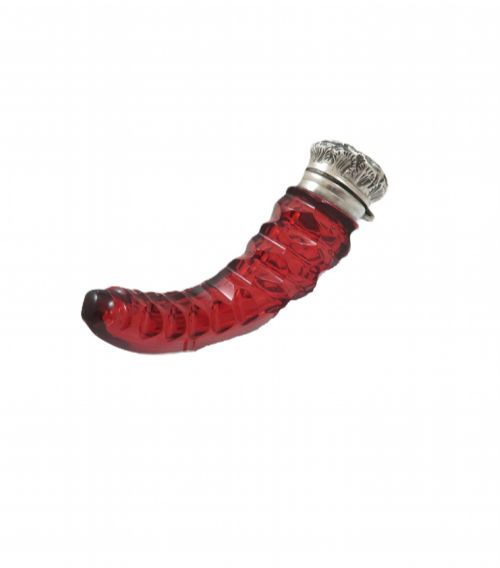
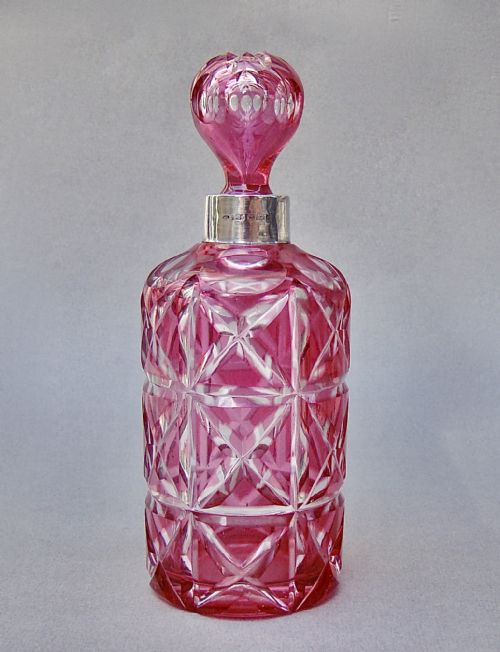
Glass bodies were produced through cutting, moulding or overlay techniques, creating faceted crystal, ruby or cranberry surfaces that caught the dressing table light. Molten glass was shaped into globular, icicle or heart forms before cooling for secondary decoration.
Silversmiths then fitted custom sterling mounts, collars and hinged lids, often adding chased patterns, hallmarks or translucent enamel panels. Tortoiseshell insets and silver overlay work required precise adhesive and mechanical fitting to secure the organic and metal components to the glass.
Edwardian Glass Scent Retail Price Guide 2026
Typical asking prices for edwardian glass scent among the pieces listed under this phrase on Sellingantiques today, from the lower quarter to the upper quarter. They describe what is for sale here now, not the wider market.
Listings feature sterling silver, cut crystal, cranberry glass and tortoiseshell across periods spanning the Victorian era through the Art Deco years.
What varies in quality
Quality rests in the crispness of the glass cutting and the weight of the silver mounts rather than sheer size alone. Deeper faceting and heavy-gauge silver collars indicate finer workshop production.
The integration of secondary materials like guilloche enamel, tortoiseshell or overlay metalwork dictates the upper tier of craftsmanship. Intact enamel without hairline fractures and securely seated hinged lids separate superior examples from standard dressing table wares.
Gorham·Rene Lalique·Harold Bushell and Co·Hasset and Harper·Barnsley and Co·George Unite
The Edwardian Glass Scent Glossary
- Guilloche enamel
- Enamel decorated with intricate engine-turned geometric patterns beneath a translucent coloured glaze. This technique was popular for Edwardian and Art Deco luxury items.
- Cranberry glass
- A rich red glass coloured using gold chloride during the melting process. It appears frequently in Victorian and Edwardian scent bottles.
- Sterling silver overlay
- A layer of silver bonded or clamped directly onto the glass body in decorative motifs. Art Nouveau pieces often feature organic floral overlay designs.
- Hallmark
- A series of official marks stamped on precious metals indicating the maker, assay office and year of testing. These marks help date silver-mounted perfume bottles precisely.
- Cut crystal
- High-clarity glass cut with sharp geometric facets to maximise light refraction. It provides a heavy, brilliant body for dressing table bottles.
Edwardian Glass Scent: Frequently Asked Questions
How do I date an Edwardian glass scent bottle?
Examine the silver hallmarks on the collar or lid for assay office symbols and date letters, which provide the exact year of manufacture.
Stylistic indicators such as Art Nouveau whiplash lines or geometric Art Deco forms also help narrow the production period when hallmarks are rubbed.
Are these scent bottles safe for modern perfume?
Most antique bottles retain functional glass stoppers or inner corks, though historic seals can degrade over time. It is best to use them for display or gentle application rather than sealing volatile liquids permanently.
Check the fit of the hinged silver lid and the condition of any internal glass dauber before filling.
How should I clean a silver-mounted glass scent bottle?
Wipe the glass body with a soft, damp cloth and mild soapy water, taking care to avoid soaking delicate enamel or tortoiseshell panels.
Polish the sterling silver mounts gently with a specialist microfibre cloth, keeping polish away from the glass joints and interior.
What is the difference between cranberry glass and ruby glass?
Cranberry glass is tinted with gold chloride to achieve a bright, pinkish-red tone reminiscent of berries. Ruby glass tends to use a different metallic content, resulting in a deeper, darker crimson hue.
Both colours appear extensively across Victorian and Edwardian dressing table accessories.