



Edwardian Glass Decor
Edwardian glass decor brings functional elegance to a room through refined cut crystal vases, lamps, and mirrors.
Edwardian Glass Decor
When buyers search for edwardian glass decor, they encounter a diverse selection of decorative items that incorporate glass elements alongside brass, mahogany, and walnut. The pieces span from the late nineteenth century into the early twentieth century, reflecting the transitional aesthetic tastes of the period.
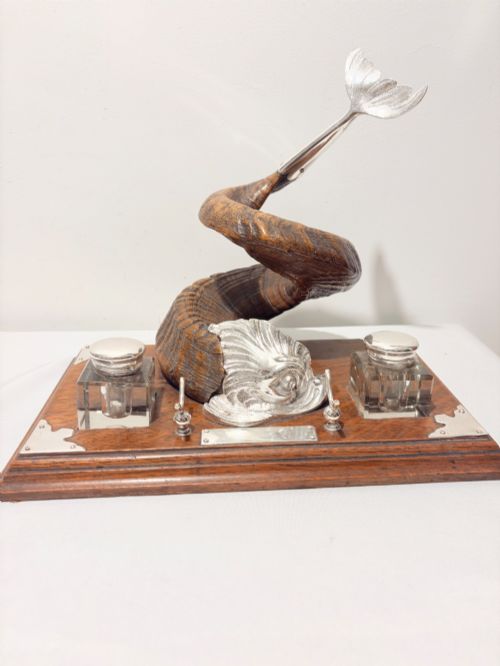
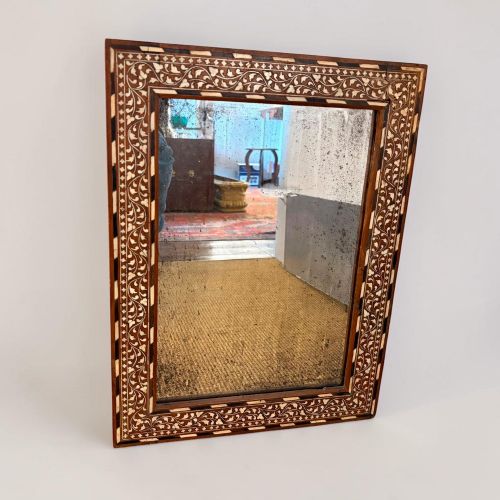
The objects on this page range from cut glass vases and candlesticks to specialised items like spirit dispensing barrel lamps and iridescent inkwells with glass eyes. Wall mirrors and trade signs also feature prominently, integrating glass surfaces within wooden or brass frames.
Materials and construction
The manufacture of these pieces relies heavily on quality glass and crystal combined with supportive structures of brass, mahogany, and walnut. Artisans employed precision cutting techniques on the glass elements to achieve light refraction in vases and candlesticks.
Framing and mounting utilised durable hardwoods like mahogany and walnut, frequently complemented by brass fittings or bone details. Specialised items integrated painted glass panels and reflective surfaces within robust wooden casings.
Edwardian Glass Decor Retail Price Guide 2026
Typical asking prices for edwardian glass decor among the pieces listed under this phrase on Sellingantiques today, from the lower quarter to the upper quarter. They describe what is for sale here now, not the wider market.
An inquisitive owl with glass eyes watches over desk accessories, proving that Victorian practicality had a wonderful sense of humour.
Assessing quality
Quality in these items is determined by the clarity and depth of the cut glasswork and the structural integrity of the surrounding materials. Superior examples display crisp faceting in crystal components and solid joinery in wooden frames.
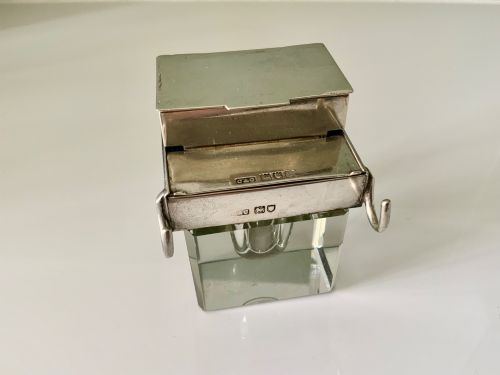
The integration of secondary materials, such as hallmarked silver or detailed brass mounts, distinguishes finer pieces. Craftsmanship is further evidenced by the preservation of original glass elements and the quality of the finish on mahogany and walnut supports.
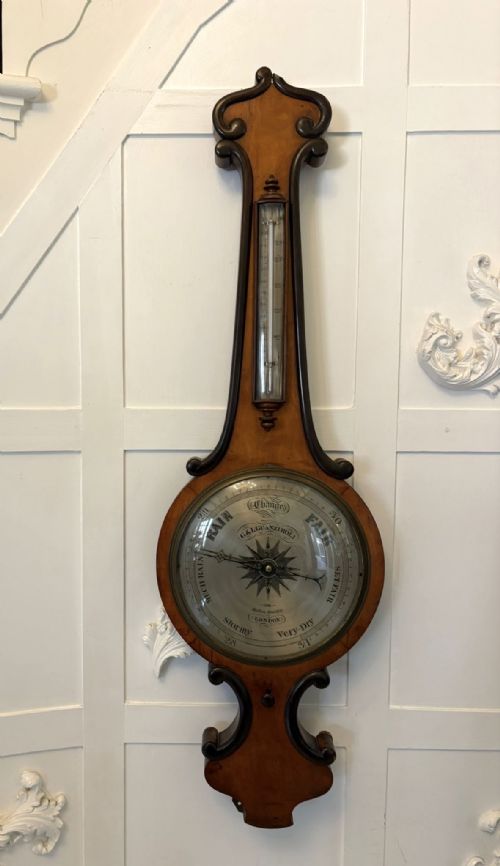
G & L Guanziroli London
The Edwardian Glass Decor Glossary
- Cut glass
- Glass that has been shaped and patterned by grinding and polishing wheels. This technique creates sharp facets that enhance the sparkle and brilliance of vases and candlesticks.
- Bevelled mirror
- A mirror plate with an angled edge edge polished down to a thinner perimeter. This traditional technique adds depth and a decorative border to the reflection.
- Barometer
- An instrument used for measuring atmospheric pressure to forecast weather. Victorian examples often incorporate glass dials housed within carved walnut or mahogany wheel frames.
- Iridescent glass
- Glass treated with metallic oxides while hot to produce a rainbow-like sheen. This effect creates shifting colours across the surface of decorative items like inkwells.
Edwardian Glass Decor: Frequently Asked Questions
What defines edwardian glass decor?
Edwardian glass decor encompasses decorative and functional objects produced around the early twentieth century that feature glass as a primary material. These items range from cut glass vases and candlesticks to specialised lamps and inkwells.
The style bridges late Victorian ornamentation and early twentieth century simplicity, often combining glass with brass or hardwoods like mahogany.
How were glass spirit barrels used?
Glass spirit dispensing barrels served as functional beverage containers in domestic or commercial settings during the nineteenth century. They allowed hosts to dispense spirits while displaying the liquid within a glass vessel.
Mounted on stands with brass taps, these barrels combined practical utility with decorative appeal on sideboards.
Where should I place a glass trade sign?
Glass trade signs and advertising mirrors work well in prominent wall spaces where their reflective surfaces can catch ambient light. They suit studies, hallways, or kitchens depending on the subject matter.
Ensure the wall fixings adequately support the combined weight of the glass plate and its wooden or metal frame.
How do I care for antique glass items?
Antique glass requires gentle cleaning with a soft, lint-free cloth and mild soapy water to remove dust without scratching the surface. Avoid harsh chemical cleaners that might damage surrounding brass mounts or wooden frames.
Keep pieces away from direct sunlight and extreme temperature fluctuations to preserve the integrity of the glass and any applied finishes.