

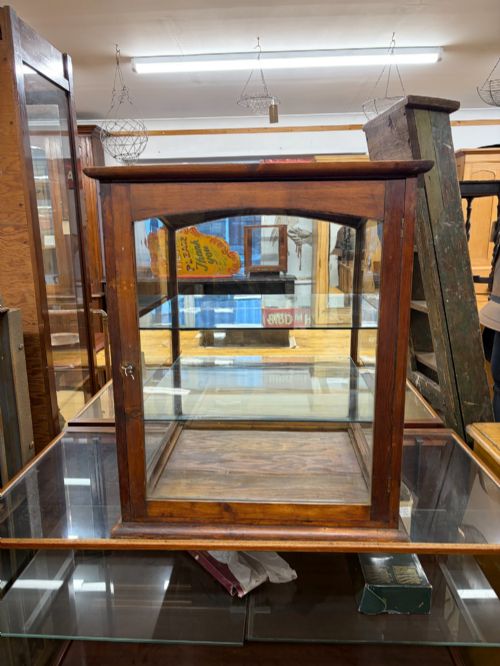
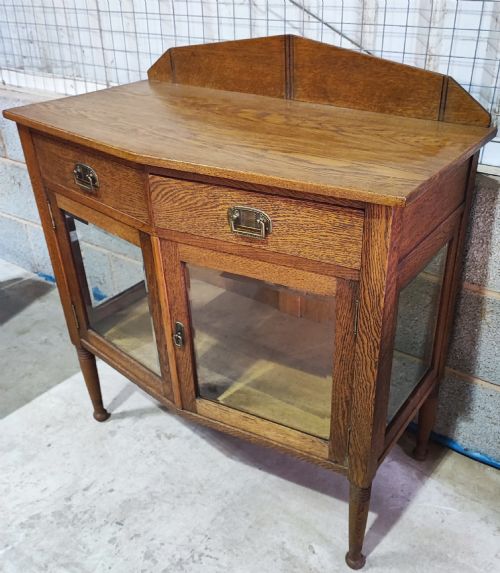
Edwardian Glass Case
An edwardian glass case brings refined timber and clear glazing together to showcase treasured objects.
Edwardian Glass Case
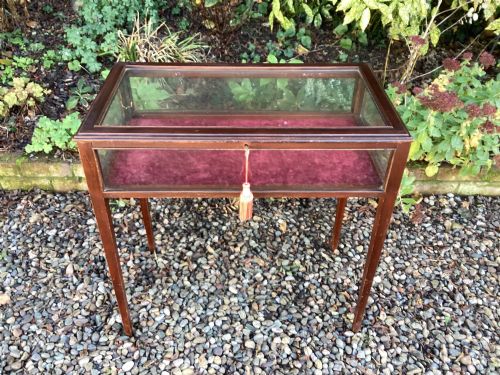
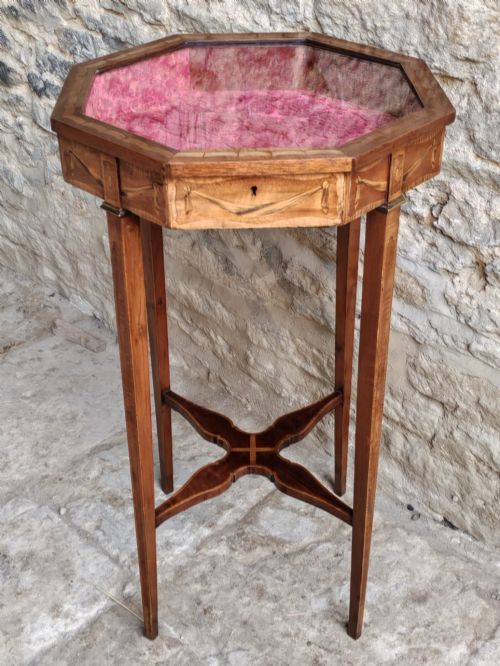
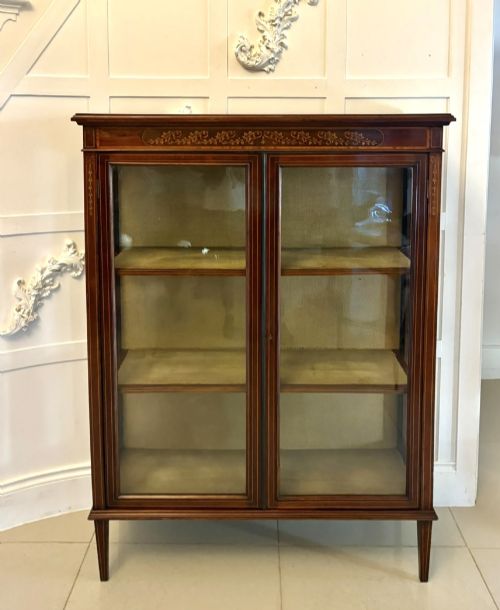
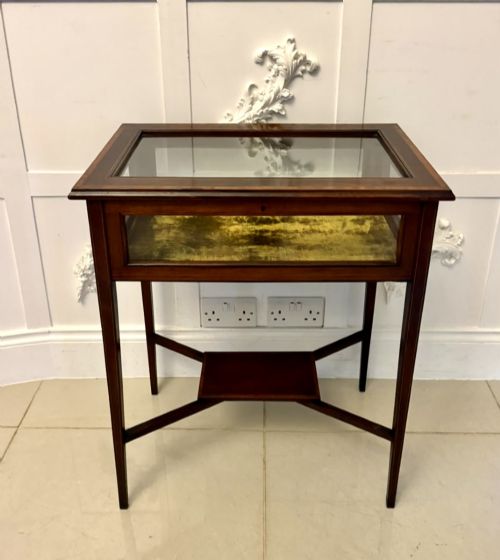
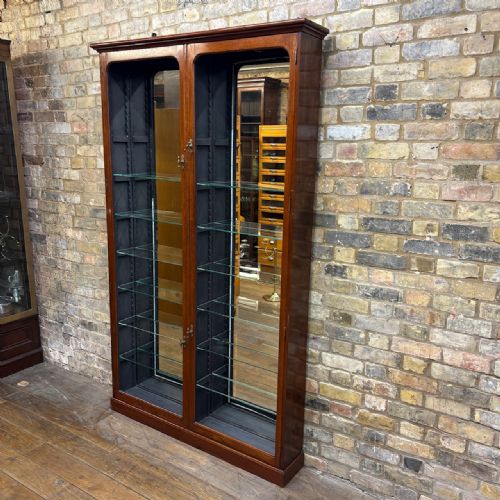
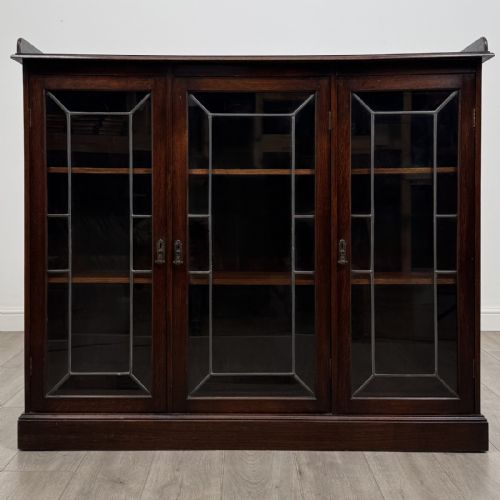
An edwardian glass case serves as a sophisticated vessel for displaying china, books, and curiosities within domestic spaces. Pieces matching this search phrase encompass display cabinets, vitrines, bookcases, and wall-mounted variations created around the turn of the twentieth century.
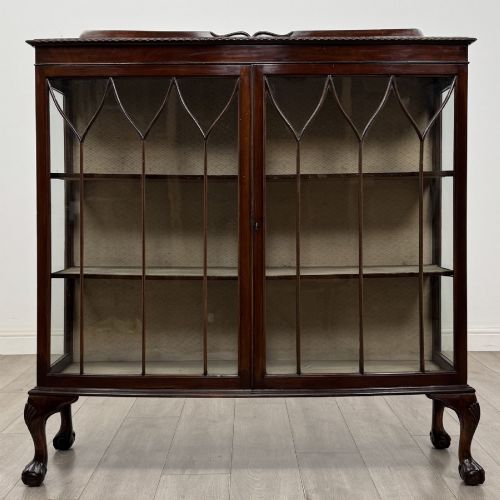
Makers of the period drew heavily on earlier aesthetics, resulting in forms influenced by Sheraton Revival, Chippendale style, and classical French design. Mahogany and oak dominate these listings, often ornamented with delicate satinwood inlay or brass mounts.
Materials and Construction
Cabinetmakers utilised sturdy hardwoods such as mahogany and oak to construct the main frames, frequently applying fine veneers and decorative satinwood stringing. Glass panes provide the principal enclosure for shelves, sometimes supported by mirrored backs and velvet or fabric linings.
Brass hardware, including hinges, handles, and occasional mounts, punctuates the polished timber surfaces. Joinery techniques from the era ensure durable carcases designed to support heavy collections of books or porcelain.
Edwardian Glass Case Retail Price Guide 2026
Typical asking prices for edwardian glass case among the pieces listed under this phrase on Sellingantiques today, from the lower quarter to the upper quarter. They describe what is for sale here now, not the wider market.
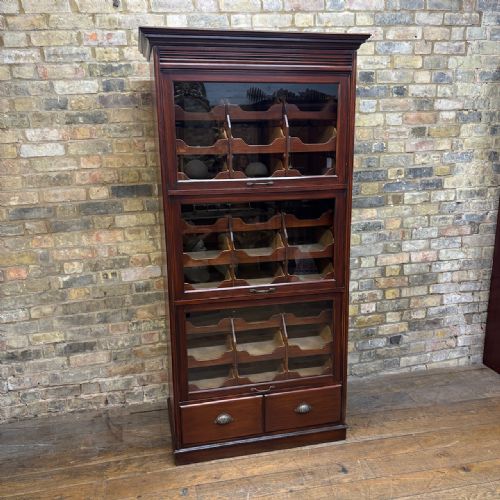
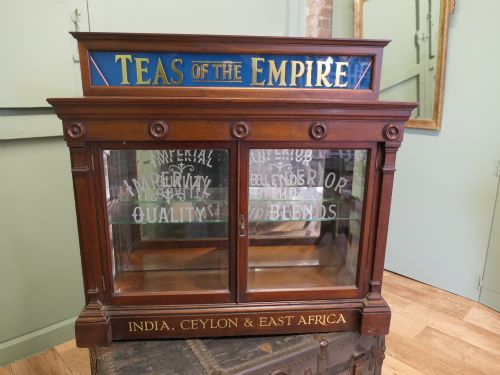
A mechanical dispensing cabinet designed for Castile soap sits comfortably alongside fine mahogany vitrines.
Evaluating Craftsmanship
Finer examples distinguish themselves through the precision of their marquetry, the choice of figured veneers, and the elegance of carved details like claw feet or serpentine fronts. Superior proportion and balanced proportions elevate a piece from simple utility to high decorative art.
The integration of original bevelled glass, intact mirrored panels, and high-grade internal fabric linings contributes significantly to a cabinet's overall character. Lesser pieces rely on plain timber and minimal decoration, lacking the refined stylistic flourishes of Sheraton Revival workshops.
F Sage And Co·Globe Wernicke·Goldsmith And Silversmiths·Russell Norwich
The Edwardian Glass Case Glossary
- Vitrine
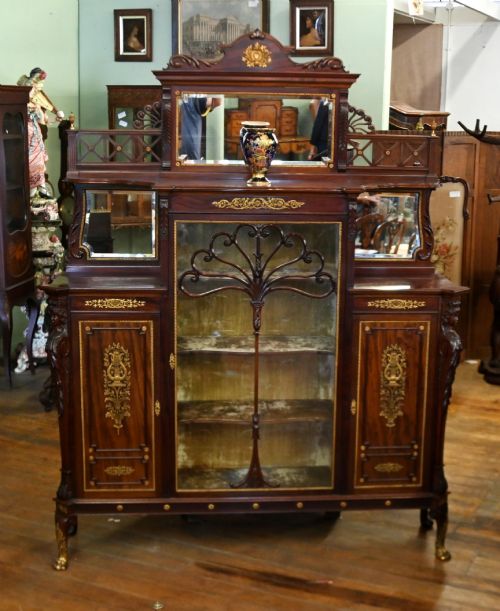
- A glass-fronted cabinet designed specifically for displaying fine porcelain, ornaments, or curiosities. These pieces often feature extensive glazing on the sides as well as the door.
- Sheraton Revival
- A late nineteenth and early twentieth century design movement that reinterpreted the lighter, neoclassical furniture styles of Thomas Sheraton. Pieces typically incorporate satinwood inlay and tapered legs.
- Inlay
- A decorative technique where contrasting woods, metals, or shell are inserted into recessed portions of the base timber. This method creates flat ornamental patterns across cabinet doors and friezes.
- Bijouterie
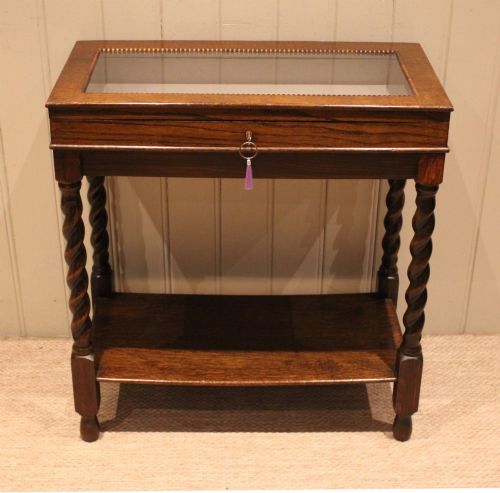
- A low display table or cabinet with a glazed top and sides intended for small valuable items, jewellery, or medals. These are frequently lined with velvet.
- Barograph
- A recording aneroid barometer enclosed in a wooden case with bevelled glass panels. It maps atmospheric pressure onto paper charts using a mechanical drum mechanism.
Edwardian Glass Case: Frequently Asked Questions
What fits inside an edwardian glass case?
These cabinets suit porcelain collections, books, small sculptures, and personal curiosities. Shelving depth and interior height dictate the scale of items you can display.
Most units provide enclosed protection from dust while offering clear visibility from multiple angles.
How do I identify a sheraton revival piece?
Look for symmetrical satinwood banding, delicate stringing, and classical motifs set into mahogany surfaces. The overall silhouette tends to be light and balanced rather than heavy.
Cabinetmakers working in this revival style drew inspiration directly from eighteenth-century pattern books.
Where should I place a wall cabinet?
Wall-mounted examples require secure fixing to stud work or masonry to support the weight of timber and glass. They work well above sideboards or desks where floor space is limited.
Ensure the mounting height allows comfortable viewing of the contents at eye level.
Are velvet linings original?
Many cabinets retain period fabric linings on the interior backboards and shelves. These fabrics were chosen to complement the timber tone and cushion displayed items.
Replacement of worn linings is common and does not necessarily diminish the decorative value of the furniture.