



Edwardian Glass Barrel
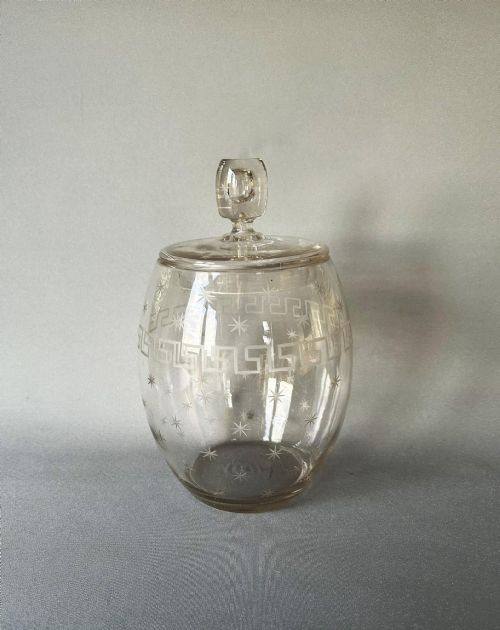
These edwardian glass barrel pieces are heavy table vessels crafted to hold biscuits or spirits, offering a touch of period elegance to any sideboard.
Edwardian Glass Barrel
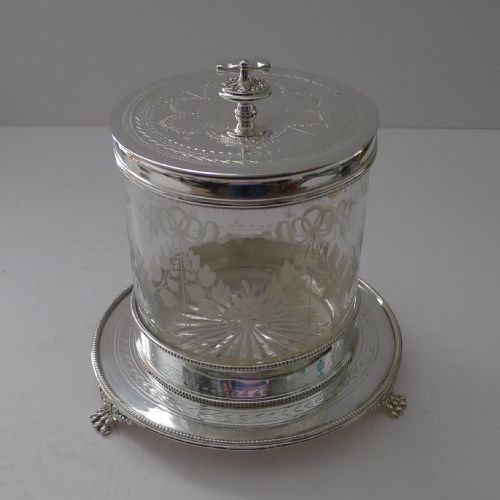
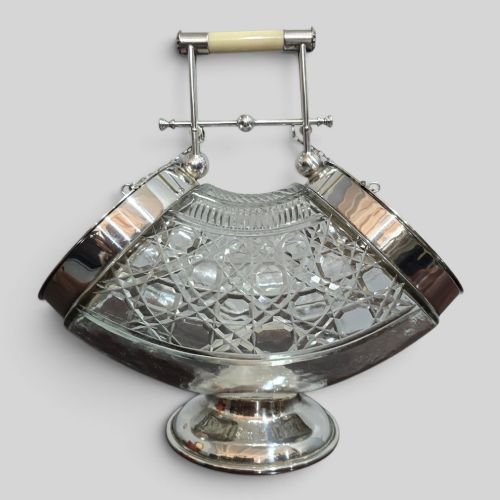
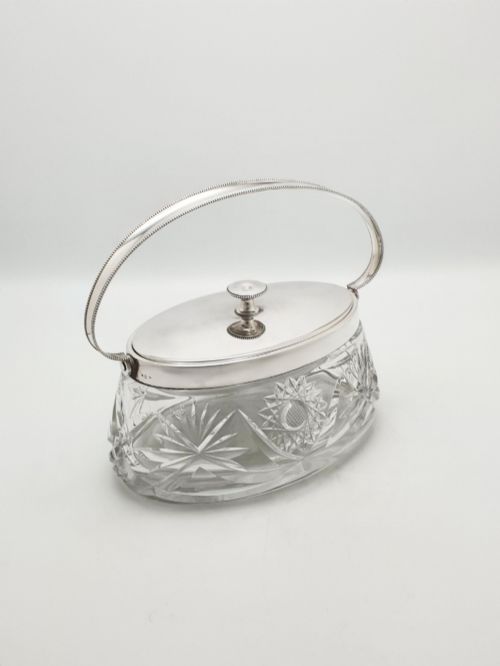
An edwardian glass barrel typically takes the form of a biscuit jar, biscuit box, or spirit dispenser designed for formal dining rooms and drawing rooms. The selection includes cut glass bodies fitted with metal mounts, swing handles, and occasionally enamel decoration or spirit dispensing taps.
Most examples date from the Edwardian era and surrounding decades, incorporating styles from Late Victorian through to Art Deco and George V. These functional vessels served to keep dry goods fresh or dispense beverages at the table.
How they were made
Makers utilised heavy lead crystal or standard glass, shaped through cutting, faceting, threading, or hobnail moulding to catch the light. Many pieces incorporate silver-plated or sterling silver mounts, rims, and hinged lids, occasionally featuring brass or gold leaf details.
Vessels such as biscuit barrels frequently relied on a glass liner paired with pierced or chased metal stands, while larger dispensers integrated brass taps for functional use.
Edwardian Glass Barrel Retail Price Guide 2026
Typical asking prices for edwardian glass barrel among the pieces listed under this phrase on Sellingantiques today, from the lower quarter to the upper quarter. They describe what is for sale here now, not the wider market.
Brewery branding occasionally found its way onto utility glass, transforming a simple brandy fountain into a tavern fixture for Benskins Brewery.
What varies in quality
The distinction between standard examples and finer pieces lies in the crispness of the glass cutting and the weight of the metal mounts. Deep hobnail cutting, substantial sterling silver rather than silver plate, and intact enamel work elevate a piece.
Proportion and the integrity of the fitted hardware, such as balanced swing handles and secure lids, also separate everyday containers from workshop examples bearing maker marks.
James Dixon and Sons·WMF
The Edwardian Glass Barrel Glossary
- Hobnail cut
- A raised, faceted pattern cut into the surface of glass resembling the hobnails of heavy boots. This technique creates a tactile, highly reflective texture.
- Silver plate
- A thin layer of silver applied to a base metal such as copper or brass. It allowed makers to produce ornate mounts at a lower cost than solid silver.
- Match strike
- A small container with a textured striking surface, often made of glass, designed for holding and igniting matches. They frequently shared materials with biscuit barrels.
- Cranberry glass
- A rich red-pink transparent glass created by adding gold chloride to the molten batch. It was popular for decorative tableware during the Victorian and Edwardian periods.
Edwardian Glass Barrel: Frequently Asked Questions
What were glass barrels used for?
These vessels were primarily produced to store dry biscuits, wafers, or baked goods on the dining table or sideboard. The fitted lids and glass bodies helped keep the contents fresh in formal household settings.
Some larger examples functioned as spirit dispensers or brandy fountains, holding liquids for guests to serve themselves during gatherings.
How do I clean silver-plated mounts?
Silver plate requires gentle cleaning with a specialist non-abrasive silver cloth to maintain the shine without wearing through the thin metal layer. Care should be taken to keep polish away from any glass crevices or enamel work.
Removable glass liners and bodies can be washed separately in warm soapy water using mild detergents, avoiding sudden temperature changes to protect old glass.
How do I identify an Edwardian piece?
Edwardian items often display a lighter, more refined aesthetic compared to heavy Victorian designs, though many transitional styles overlap. Examining any hallmarks on the silver mounts helps pin down the exact assay year.
The combination of hobnail cut glass, pierced silver-plated frames, and specific handle designs points directly toward the early twentieth century manufacturing trends.
Can I use these for daily dining?
These antique containers remain fully functional for serving biscuits or sweets during meals, provided they are handled with care. The sturdy glass bodies and solid mounts were built for practical use.
Collectors often display them on sideboards or tables as decorative storage, appreciating the craftsmanship while limiting heavy wear on fragile elements like enamel.