

Edwardian Furniture Pair
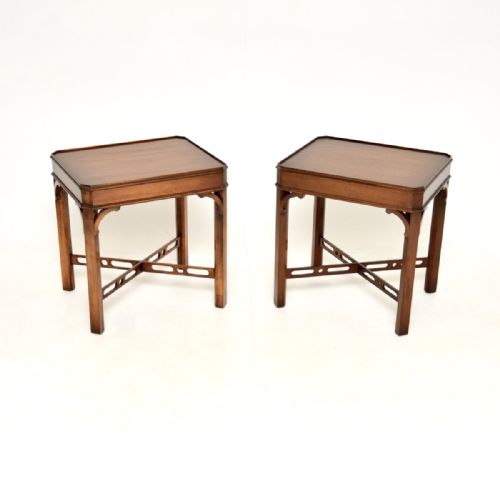
An edwardian furniture pair delivers symmetrical balance to a room, offering matched utility in bedside cabinets, armchairs, and side tables.
Edwardian Furniture Pair
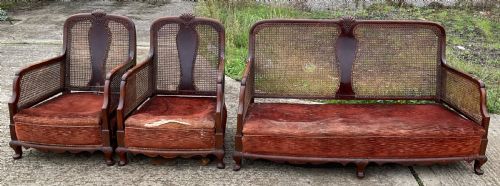
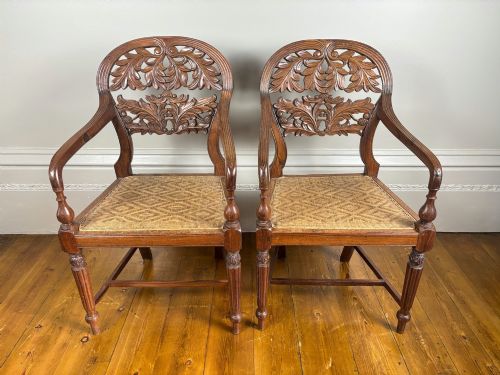
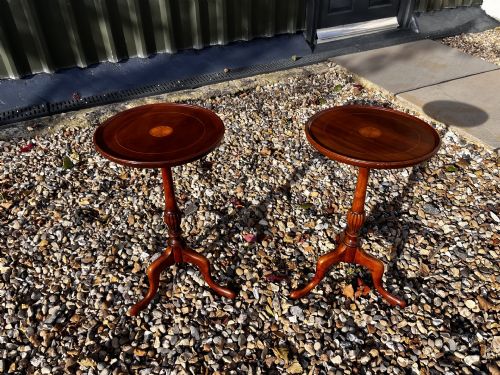
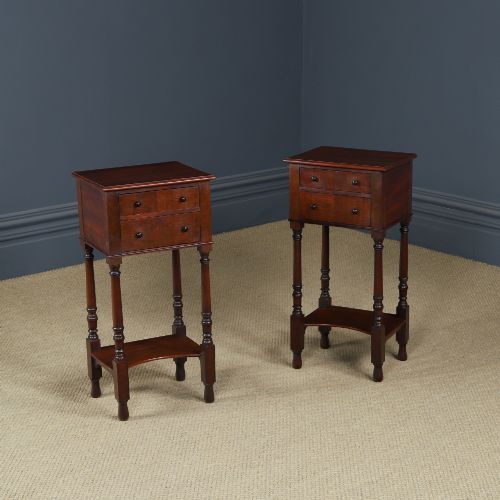
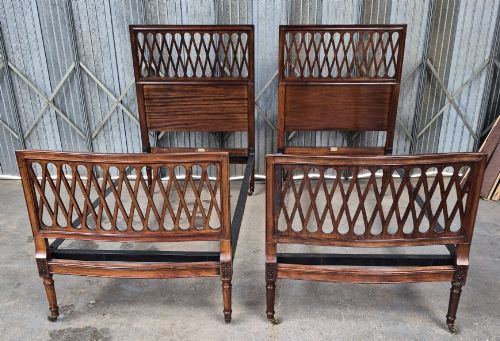
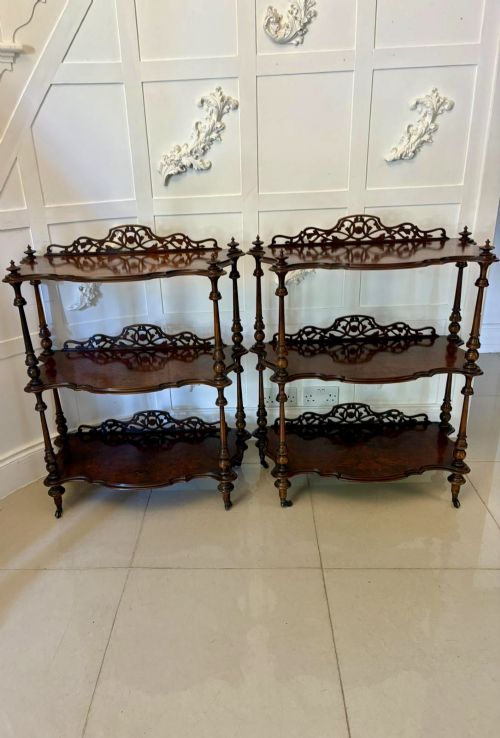
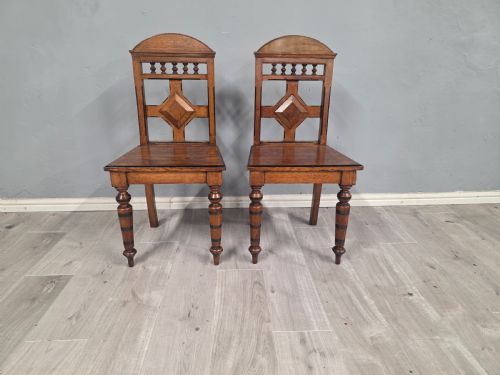
When searching for an edwardian furniture pair, buyers encounter matched items created primarily around the turn of the twentieth century, alongside related nineteenth-century and early twentieth-century examples. The selection spans utilitarian bedroom pieces and decorative items, including bedside cabinets, chests, armchairs, side tables, and display cabinets.
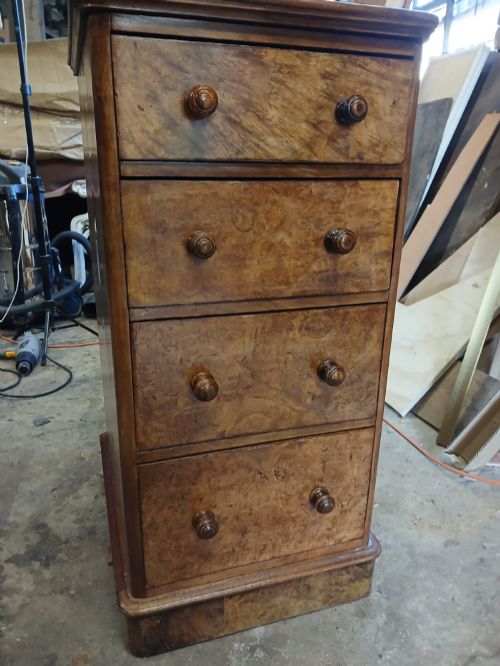
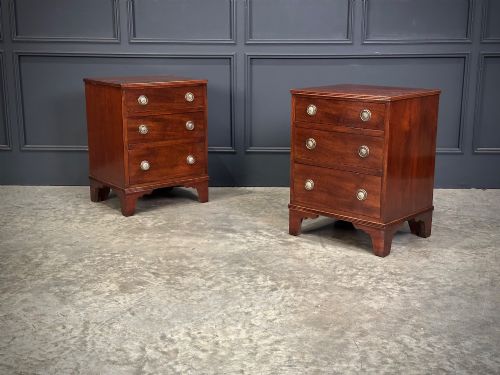
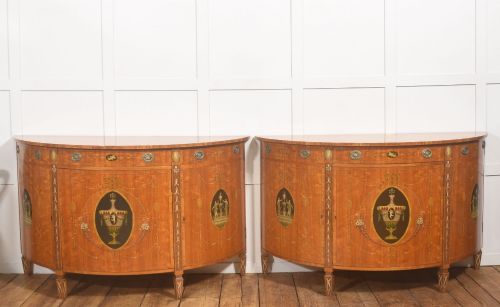
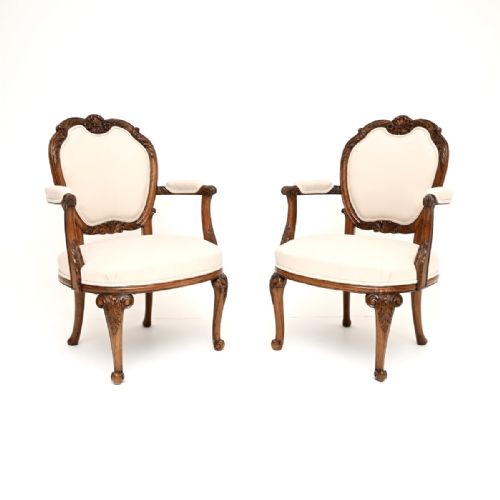
The physical evidence on this page shows that bedside storage and seating dominate the offerings. Buyers frequently meet pairs of mahogany or satinwood bedside chests, walnut armchairs, and corner cabinets originating from Edwardian workshops as well as Victorian predecessors.
Materials and construction
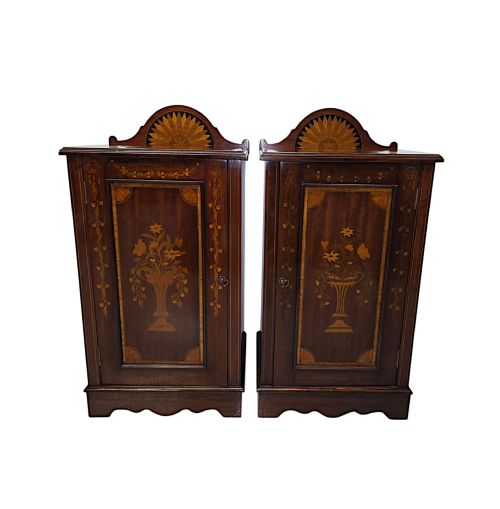
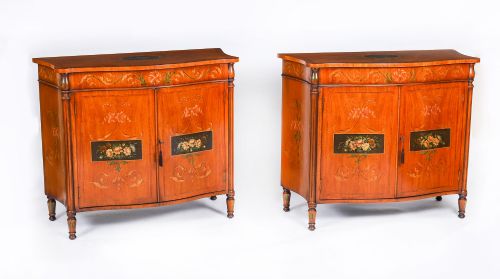
Cabinet makers utilised dense hardwoods such as mahogany, walnut, and satinwood, often embellishing surfaces with marquetry inlay, lacquer, or burr walnut veneers. Ash and oak appear in simpler pieces linked to the Arts and Crafts movement.
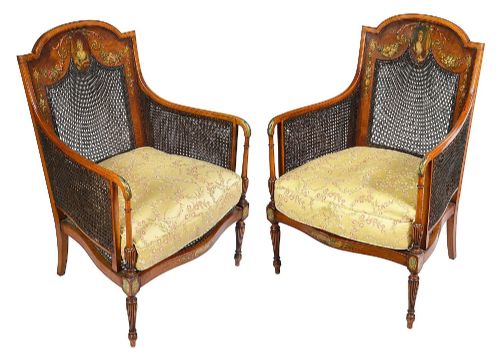
Structural joinery is combined with decorative metal fittings in brass, nickel, or cast iron. Upholstered armchairs integrate fabric and cane, while specific tables incorporate marble tops or leather surfaces.
Edwardian Furniture Pair Retail Price Guide 2026
Typical asking prices for edwardian furniture pair among the pieces listed under this phrase on Sellingantiques today, from the lower quarter to the upper quarter. They describe what is for sale here now, not the wider market.
Listings feature items spanning the Victorian era through the early twentieth century, constructed from mahogany, satinwood, walnut, and ash.
Variations in quality
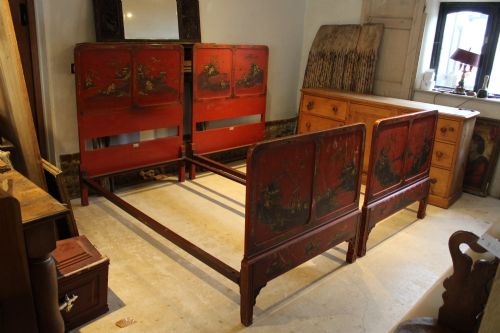
Quality rests in the precision of the timber selection and the execution of surface decoration, such as fine marquetry inlay or hand-painted Chinoiserie lacquer work. The distinction between standard utility items and superior pieces lies in the crispness of carved details and the choice of figured veneers like burr walnut.
Maker attribution elevates standard items into distinct categories, as seen in labeled pieces from established firms. Consistency between both halves of the pair regarding timber grain, colour matching, and proportional symmetry governs the overall standard.
Whytock And Reid·Warings Liverpool·Waring And Gillows·Archibald Knox·Heals·Lamb Of Manchester·Harrods London
The Edwardian Furniture Pair Glossary
- Marquetry
- Decorative inlay technique using thin slices of wood to form pictorial or geometric patterns on furniture surfaces.
- Chinoiserie
- European decorative style reflecting Chinese artistic motifs, commonly expressed through lacquer work.
- Burr walnut
- Timber cut from walnut tree growths that produces highly figured, swirling grain patterns.
- Compactum
- A large fitted wardrobe designed to maximise internal storage space for various garments.
Edwardian Furniture Pair: Frequently Asked Questions
How do I match an edwardian furniture pair?
Examine the timber species and grain direction across both items under natural light to verify they originated from the same suite. Small discrepancies in colour often arise from sunlight exposure over decades.
Check the dimensions and construction methods of the internal framing. Matched pairs share identical joinery techniques and proportions even when minor surface wear differs.
Where were these pieces used originally?
Bedside cabinets and wardrobes furnished large Edwardian and Victorian bedrooms, often created as part of extensive bedroom suites. Smaller side tables and corner cabinets served in drawing rooms and hallways.
Armchairs and nursing chairs occupied bedrooms, parlours, and libraries. Door handles and pulls functioned throughout the main domestic spaces of the period.
How should I care for walnut and mahogany?
Apply traditional beeswax polish sparingly and buff with a soft cotton cloth to maintain the finish without building up residue. Avoid placing wooden surfaces near direct heat sources or strong sunlight.
Lift items rather than dragging them across floors to protect the joints and feet. Dust regularly with a dry lint-free cloth.
How do I distinguish Edwardian from Victorian pieces?
Edwardian designs generally favour lighter woods like satinwood and simpler, airier proportions influenced by revival styles. Victorian construction tends to employ heavier timbers and darker finishes with more elaborate carving.
Examine secondary woods inside drawers and back panels for clues, as Edwardian makers frequently utilised lighter framing timbers compared to earlier decades.