





Edwardian Furniture London
Edwardian furniture London brings together polished mahogany, inlaid satinwood and solid oak crafted by notable metropolitan makers for period interiors.
Edwardian Furniture London
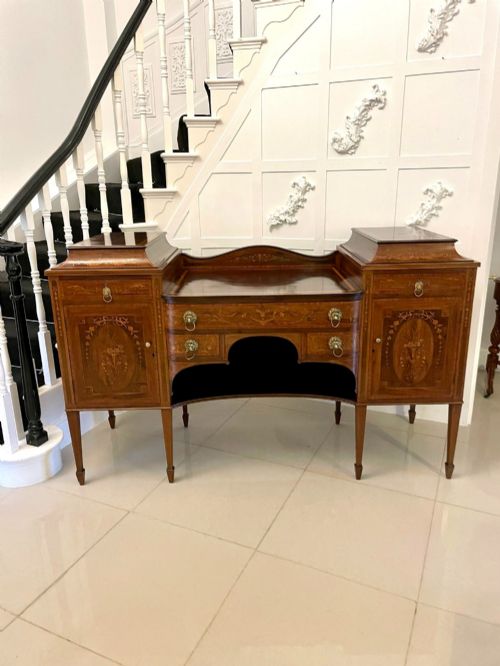
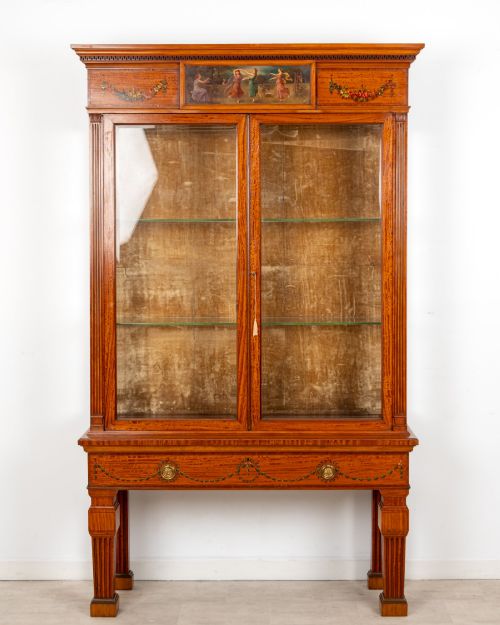
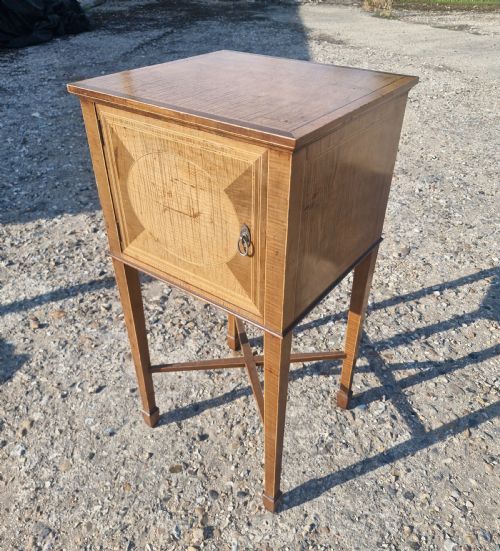
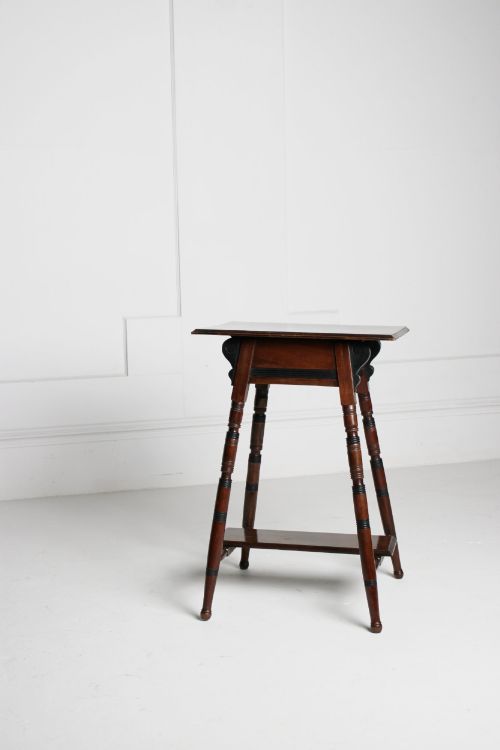
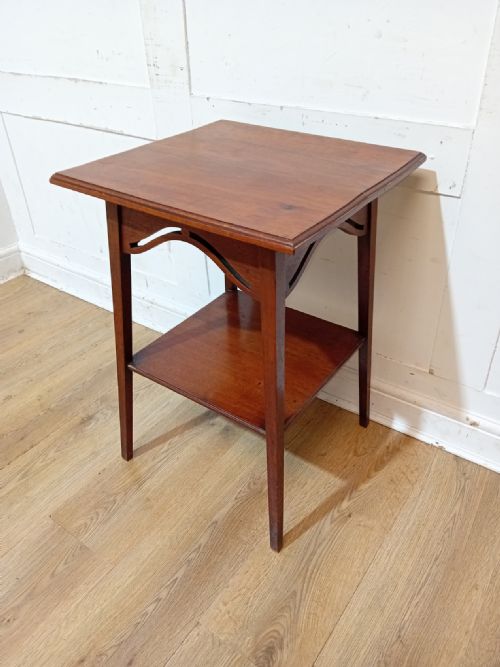
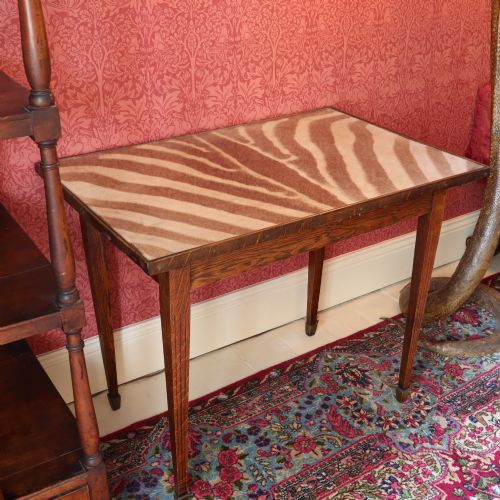
When searching for edwardian furniture london, buyers encounter pieces spanning the late nineteenth century through the early twentieth century. The selection encompasses practical forms such as writing desks, display cabinets, armchairs and side tables.
The objects originate from metropolitan workshops and major commercial houses operating in the capital during the period. Oak and mahogany dominate the available forms, reflecting the dominant tastes of urban households at the time.
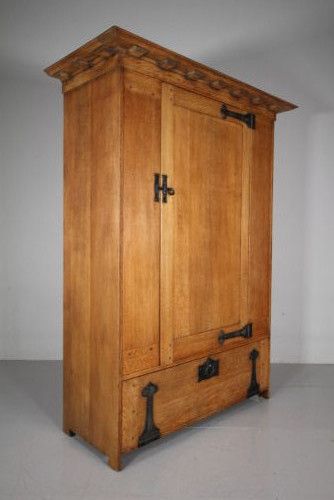
Makers ranged from large department stores to specialised cabinet makers, producing items that served both formal reception rooms and private chambers. These pieces carry the distinct stylistic markers of the Edwardian era alongside earlier Victorian and Arts and Crafts influences.
Materials and construction methods
Carpenters utilised solid timbers like oak, walnut and mahogany alongside decorative veneers of satinwood and rosewood. Brass fittings, leather writing surfaces and glass paneling added functional and visual contrast to the wooden carcases.
Marquetry inlay created detailed surface decoration on mahogany and satinwood pieces, employing contrasting woods to form floral or geometric motifs. Rush seating and exposed joinery characterised the pieces produced under the influence of the Arts and Crafts movement.
Edwardian Furniture London Retail Price Guide 2026
Typical asking prices for edwardian furniture london among the pieces listed under this phrase on Sellingantiques today, from the lower quarter to the upper quarter. They describe what is for sale here now, not the wider market.
Materials across these listings include oak, mahogany, satinwood, walnut, brass, leather, glass and metal.
Distinctions in craftsmanship
Quality rests in the selection of timber grains and the precision of the cabinet work, particularly in the fit of drawers and the execution of inlaid marquetry. Stamped makers' marks from recognised London firms provide clear documentation of metropolitan origin.
The integrity of original brass hardware, leather panels and glass elements separates standard production items from finer workshop commissions. Pieces retaining their structural stability without heavy restoration represent the higher tier of surviving examples.
Hewetsons·Hampton and Sons·Heals of London·Morant and Co·Druce and Co·Liberty and Co·Cookes of Finsbury·Rowland Ward·Samson and Son·Harrods·GW Evans·Allen of London·Keeble·Maples of London·Newlyn·Harris Lebus·Shoolbred·Howard and Sons
The Edwardian Furniture London Glossary
- Marquetry
- A decorative technique where small pieces of wood veneer are fitted together to form pictorial patterns on a timber surface. This method was widely used on Edwardian cabinet doors and table tops.
- Partners desk
- A large double-sided writing table designed with drawers and cupboards on both faces to accommodate two people working opposite each other. These items often used solid mahogany or walnut.
- Rush seated
- Chairs constructed with woven seats made from marsh plants rather than solid wood or upholstered fabric. This traditional seating method appeared frequently on Arts and Crafts chairs.
- Refectory table
- A long dining table traditionally supported by sturdy legs connected by a central stretcher. Examples from this period utilised solid oak or elm.
- Whatnot
- An open set of freestanding shelves used for displaying decorative objects and small items. They appeared in rosewood and mahogany within period drawing rooms.
Edwardian Furniture London: Frequently Asked Questions
How do I identify Edwardian furniture from London?
Look for stamped maker marks, paper labels or retailer signatures located on drawers, cabinet backs or underneath table tops. Metropolitan pieces often reflect the specific retail styles of West End stores and cabinet makers.
Compare the timber types and decorative motifs against known records of London manufacturers from the period. The presence of Sheraton Revival inlays or Arts and Crafts construction points directly to capital workshops.
What woods were commonly used?
Oak and mahogany formed the structural foundation for the majority of desks, tables and cabinets produced during this era. Satinwood and walnut provided lighter, highly figured alternatives for display pieces and dressing furniture.
Secondary woods such as pine or elm frequently appeared inside drawer linings and internal frames. Brass and leather served as complementary materials for hardware and writing surfaces.
How were these pieces used originally?
Desks and writing tables served the administrative needs of Edwardian households, while display cabinets showcased porcelain and curiosities in formal reception rooms. Smaller occasional tables held lamps, books or tea services.
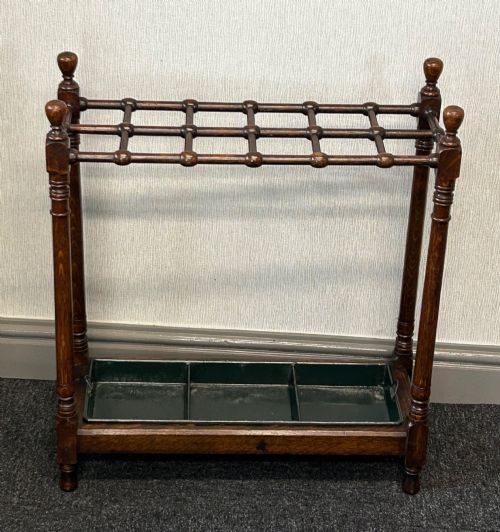
Wardrobes, dressers and bedside cabinets organised clothing and personal items within domestic bedrooms. Umbrella stands and hall furniture greeted visitors near the front entrance of metropolitan homes.
How do I care for wooden surfaces?
Maintain timber surfaces by applying appropriate natural wax polish sparingly and buffing with a soft cloth to preserve the finish. Avoid placing furniture in direct sunlight or near heat sources to prevent timber splitting.
Keep leather writing inserts conditioned with specialised balms to prevent cracking over time. Handle brass hardware gently during routine cleaning without using abrasive chemical cleaners.