
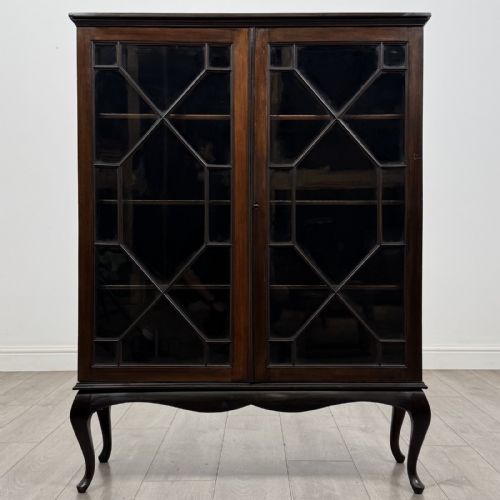
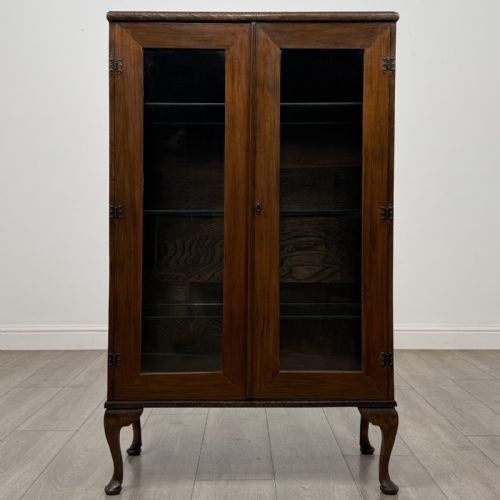
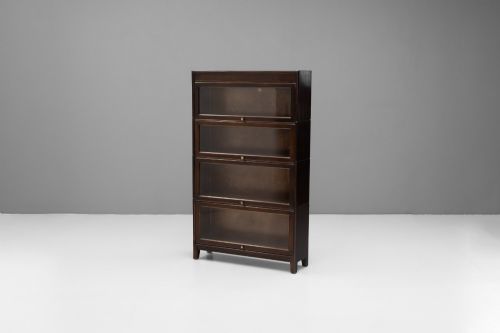
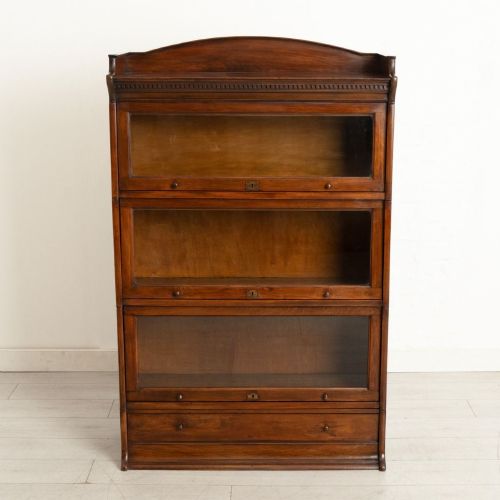
Edwardian Furniture Bookcase
An edwardian furniture bookcase brings practical storage and refined display into a room, joining utility with the craftsmanship of the early twentieth century.
Edwardian Furniture Bookcase
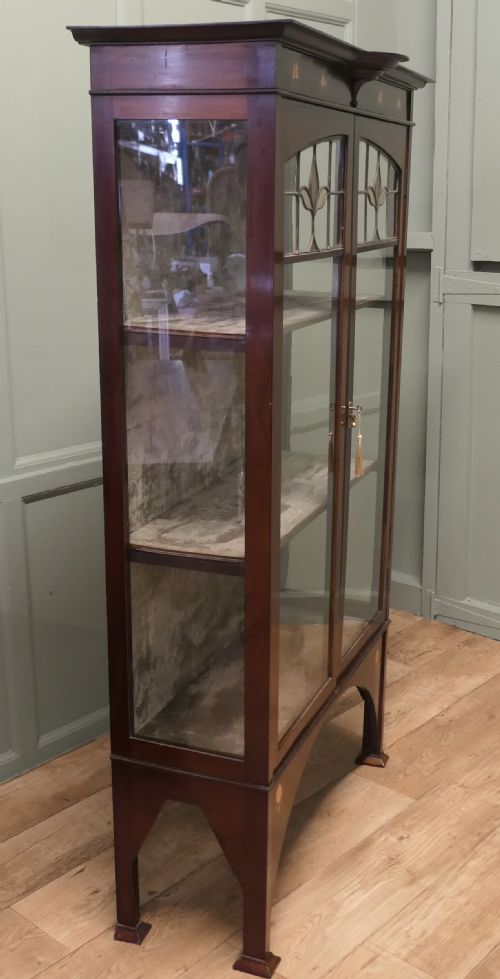
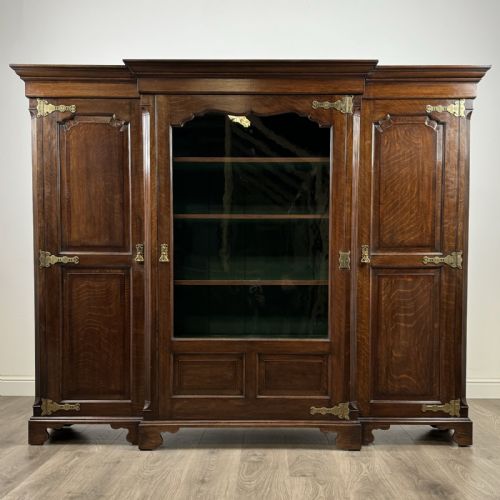
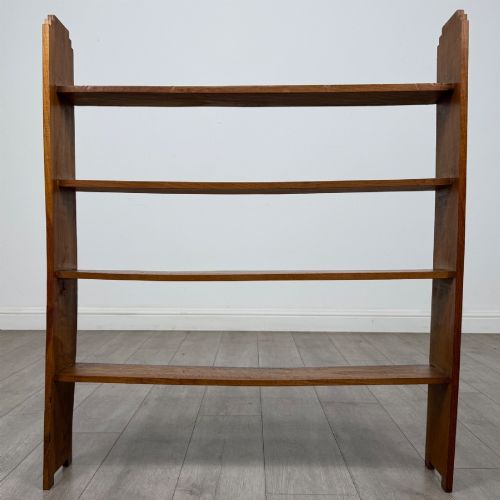
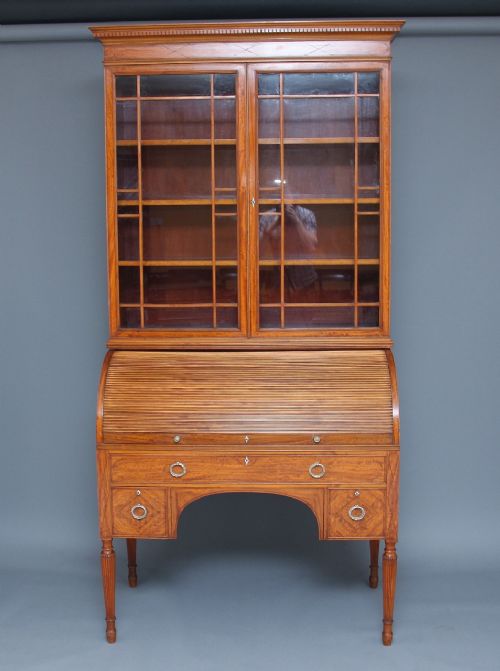
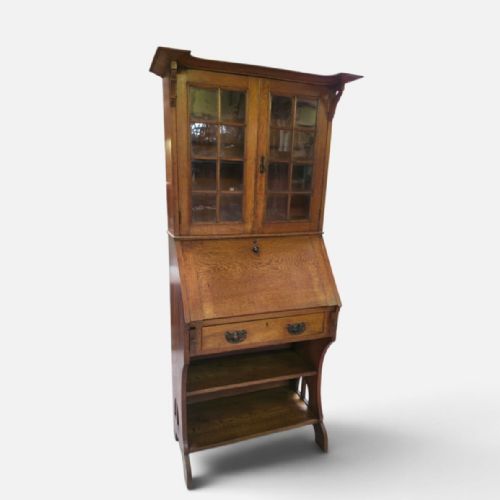
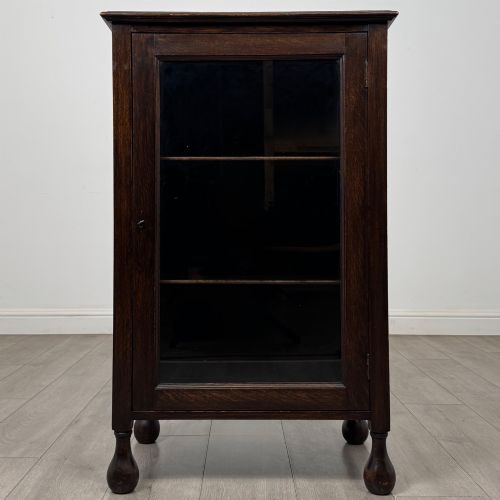
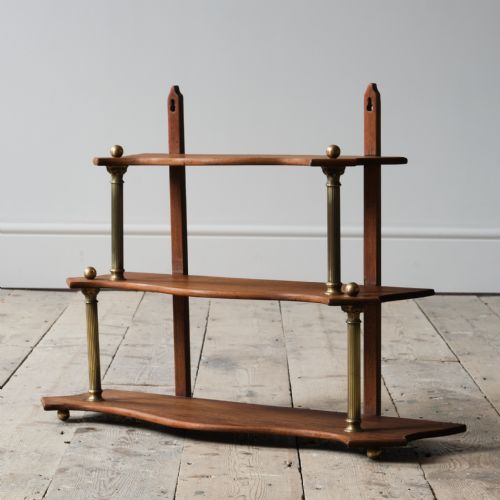
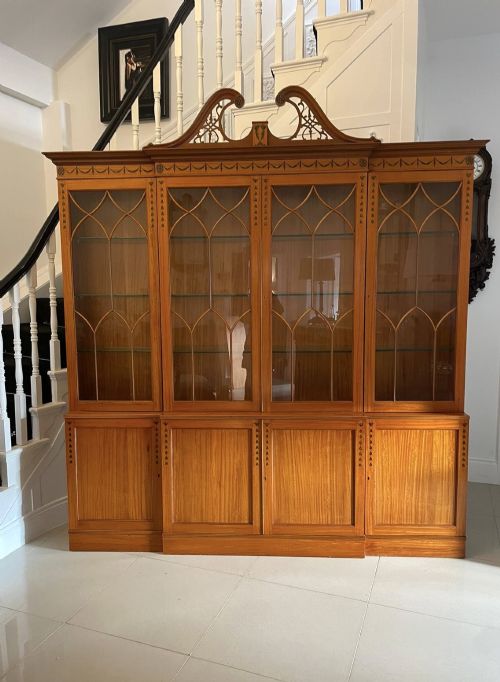
Buyers frequently encounter mahogany and oak constructions spanning open designs, revolving formats, and breakfront configurations with glass doors. Pieces range from straightforward school library volumes to decorative items featuring inlay and painted details.
Origins stretch across the Edwardian era alongside overlapping Victorian, Arts and Crafts, and revival styles. Workshops utilise woods like satinwood, walnut, and rosewood to satisfy varied interior tastes.
Materials and Construction
Cabinetmakers construct these pieces primarily using solid oak, mahogany, and walnut, often applying veneers of satinwood or rosewood to prominent surfaces. Brass fittings, glass panes, and iron elements provide structural support and functional hardware.
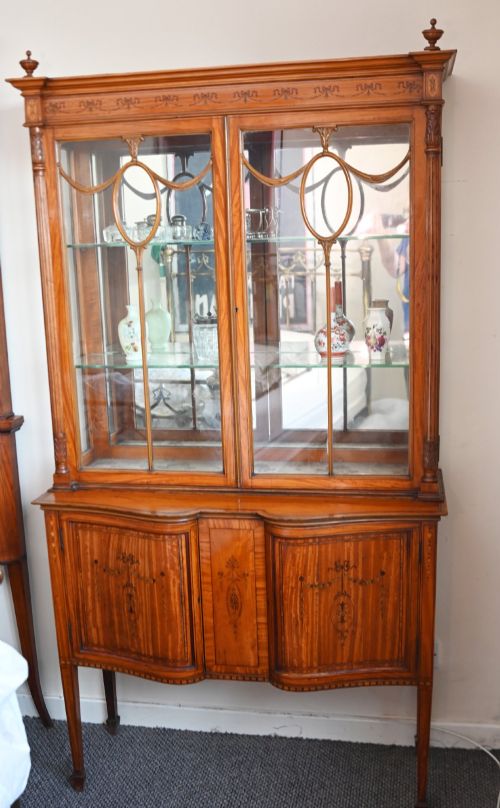
Decoration relies on techniques such as marquetry inlay, painted ornamentation, and carved woodwork, particularly visible in Arts and Crafts and Sheraton Revival examples. Glazing varies from simple panels to intricate leaded or astral arrangements.
Listings feature woods including oak, mahogany, walnut, satinwood, and bamboo alongside glass and brass elements.
Distinctions in Standard
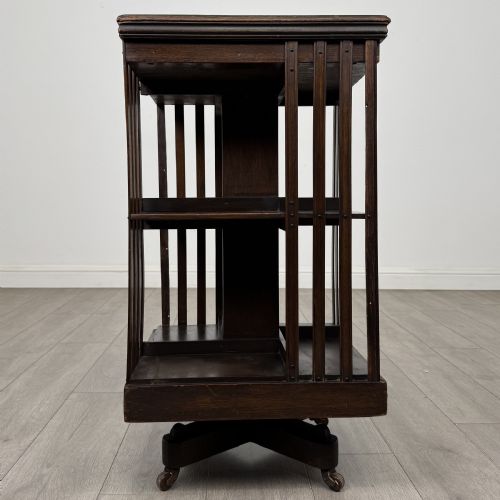
The standard of a piece depends heavily on the selection of timber and the precision of its construction, particularly in moving mechanisms like revolving bookstands. Superior examples display careful grain matching and refined inlay work rather than heavy, mass-produced ornamentation.
Original elements, including glass panes, brass handles, and painted decoration, elevate the integrity of a cabinet. Maker attribution and disciplined adherence to period styles separate standard utility items from works of notable design.
Hampton and Sons·Edwards and Roberts·Arthur Simpson of Kendal·Maple and Co·Liberty and Co
The Edwardian Furniture Bookcase Glossary
- Breakfront
- A cabinet design where the central section projects forward from the flanking wings. This configuration adds architectural depth to larger library pieces.
- Astral Glazing
- Window framing bars dividing glass into geometric panes within cabinet doors. It provides structural support while offering an unobstructed view of the interior.
- Marquetry
- Decorative patterns formed by fitting together thin slices of coloured wood veneer onto a solid carcase. Craftsmen utilise contrasting tones to create floral or geometric motifs.
- Revolving Bookcase
- A low, freestanding table-top or floor-standing shelf unit mounted on a rotating pivot. This mechanism allows users to access volumes from multiple angles in confined spaces.
- Vitrine
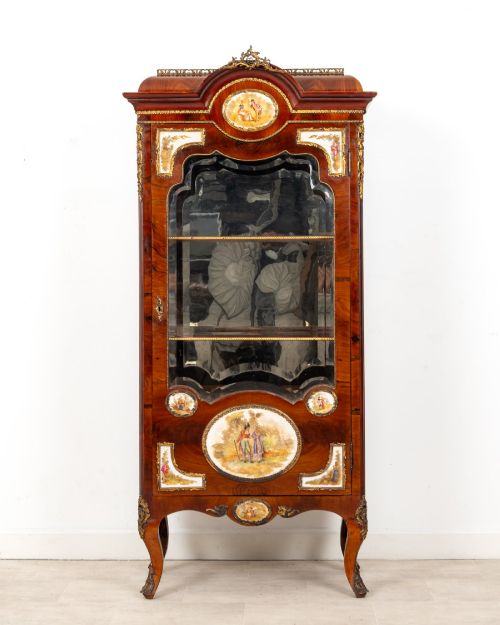
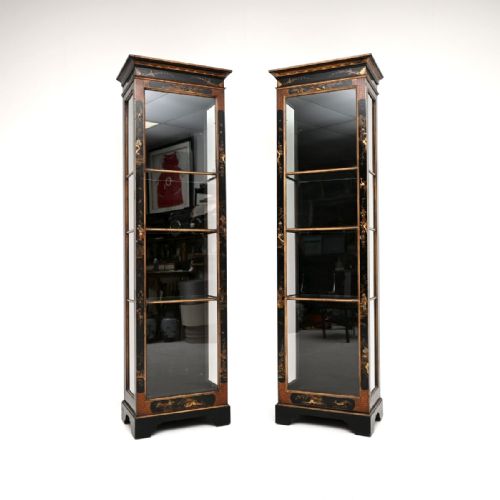
- A glass-sided display cabinet designed specifically for showing porcelain, curiosities, or small objects. These pieces often feature mirrored backs and lined interior shelves.
Edwardian Furniture Bookcase: Frequently Asked Questions
What defines an edwardian furniture bookcase?
These pieces combine functional shelving with decorative woodwork typical of the early twentieth century. They include open bookcases, rotating table models, and glazed cabinets.
Craftsmen frequently utilised mahogany and oak, often incorporating inlay or revival styles influenced by earlier periods.
How do I identify a revolving bookcase?
A revolving bookcase sits on a concealed base mechanism that lets the entire shelving unit spin freely. They appear in both compact table-standing sizes and larger floor-standing formats.
Most examples date from the Edwardian era and use solid oak or mahogany construction.
Where were display cabinets used?
Display cabinets and vitrines served to showcase porcelain, decorative objects, and bound volumes in formal reception rooms. Glass doors and side panels protected the contents from dust while maintaining visibility.
Finer versions often featured painted satinwood decoration or inlaid mahogany.
Are open bookcases period correct?
Open bookcases provide direct access to working libraries and appeared frequently in studies and institutional spaces. They range from simple oak utility shelving to refined walnut and mahogany designs.
Many examples date directly to the Edwardian period or the preceding late Victorian decades.
How do I care for wood finishes?
Maintain polished wood surfaces by avoiding direct sunlight and excessive moisture fluctuations. Gentle dusting with a dry cloth preserves the original polish and veneer.
Avoid placing items near direct heat sources to prevent timber splitting.